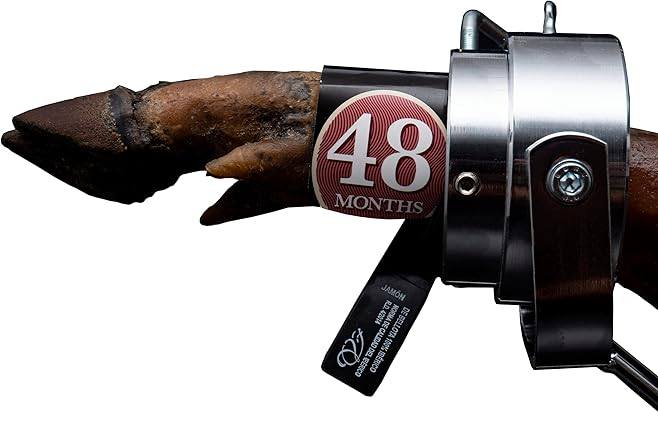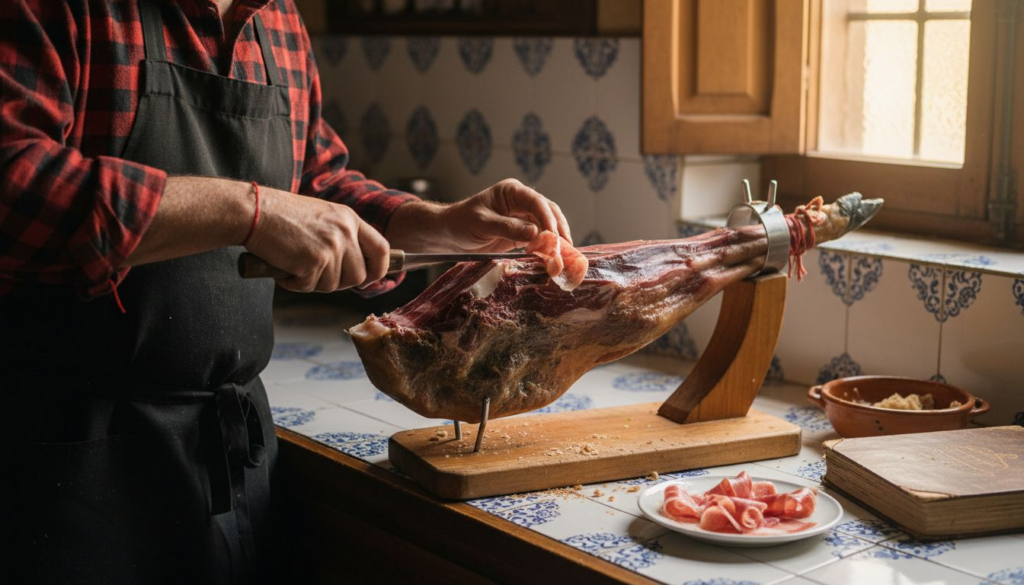
Selecting authentic Ibérico ham is never just about finding a quality cured meat. For discerning European and American connoisseurs, it means tasting history, craft, and the unique harmony between Spain’s native black pig breed, dehesa landscapes, and meticulous methods handed down over centuries. Savouring true Ibérico is an invitation to experience Spanish culinary heritage at its finest, defined by flavour complexity, buttery texture, and provenance that transforms every bite into an expression of tradition.
Table of Contents
- Ibérico Ham Defined: Spanish Culinary Heritage
- Ibérico Pig Breeds and Rearing Traditions
- The Curing Process and Distinct Flavours
- Types and Quality Labels Explained
- Why Connoisseurs Value Ibérico Over Alternatives
Key Takeaways
| Point | Details |
|---|---|
| Ibérico Ham as Heritage | Ibérico ham is not just a product; it encapsulates centuries of Spanish tradition and artisanal techniques. Understanding its background enhances appreciation as a cultural and culinary emblem. |
| Significance of Breed and Feeding | The quality of Ibérico ham stems from the unique Iberian pig breed and its acorn-rich diet, particularly during the critical montanera phase, which influences flavour and texture. |
| Curing Process Complexity | The transformation from fresh pork to ham involves a meticulous curing process that relies on environmental conditions and time, resulting in a sophisticated flavour profile that changes with aging. |
| Navigating Quality Classifications | Familiarity with the classification system, including categories like Pata Negra, enhances informed purchasing decisions, ensuring quality and authenticity based on breed and feeding practices. |
Ibérico Ham Defined: Spanish Culinary Heritage
Ibérico ham represents far more than a cured meat product. It embodies centuries of Spanish tradition, environmental mastery, and an almost obsessive commitment to quality that separates connoisseurs from casual consumers. The tradition of Iberian pork consumption traces back to ancient cultures and Roman times, when these communities recognised the exceptional value of native pig breeds in Spain’s unique climate. What began as a practical preservation method evolved into an art form that defines Spanish culinary identity across the world.
The complexity you taste in genuine Ibérico ham stems from three fundamental pillars working in perfect harmony. First, the native black Iberian pig breed itself, descended from ancient Iberian stock, produces meat with marbling characteristics and flavour compounds that simply cannot be replicated elsewhere. Second, the terroir of Spain’s interior regions, particularly the dehesa ecosystem, creates the precise temperature fluctuations, humidity levels, and air currents that curing demands. Third, the meticulous curing techniques passed down through generations dictate everything from salt application to aging duration. These elements don’t operate independently; they create a synergy that produces the silky texture, complex umami notes, and delicate nuttiness that distinguishes authentic Ibérico from mass-produced alternatives. A ham aged for 48 months develops entirely different characteristics than one aged for 36 months, reflecting the patience built into every batch.
What separates Pata Negra (the highest classification) from standard Ibérico centres on feed and heritage. Pata Negra pigs must consume acorns from the dehesa during their final months before slaughter, an expensive requirement that ensures superior intramuscular fat and distinctive flavour profiles. This classification requirement reflects Spanish law, enforced rigorously to preserve the designation’s integrity. When you purchase from reputable sources, you’re investing in documented pedigree and verifiable aging periods, not assumptions.
Understanding these heritage elements transforms how you appreciate the product. Rather than viewing it as simply aged pork, you recognise it as a snapshot of Spanish geography, climate science, and ancestral knowledge preserved in amber and salt.
Pro tip: When selecting your first Ibérico experience, opt for a 36 to 48 month aged ham rather than longer varieties; this balance delivers the complexity connoisseurs seek without overwhelming palates new to genuine acorn fed selections.
Ibérico Pig Breeds and Rearing Traditions
The Iberian pig stands apart from every other porcine breed you’ll encounter in the culinary world. This isn’t accidental marketing or branding hyperbole. The Iberian pig possesses distinctive morphological traits that reflect thousands of years of adaptation to the Iberian Peninsula’s specific environment. Their genetic lineage traces directly to Mediterranean wild boar stock, shaped by geographic isolation and deliberate farmer selection across generations. What you’re purchasing when you buy authentic Ibérico isn’t simply meat from a different breed; it’s the product of an entirely different biological system, one engineered by nature and refined by human knowledge to accumulate intramuscular fat in ways that create those prized flavour compounds and silky texture.
The rearing system itself proves as crucial as genetics. Iberian pigs thrive in extensive, free-range conditions rather than confined operations, particularly within the dehesa ecosystem of central Spain. This oak pasture landscape allows pigs to roam freely, forage naturally, and grow at a deliberately slower pace than industrial breeds. This isn’t inefficiency; it’s precision agriculture disguised as tradition. The slow growth rate directly correlates with fat distribution throughout the muscle tissue rather than just subcutaneous layers. Then comes the critical montanera phase, a fattening period typically lasting three to four months where pigs feed almost exclusively on acorns fallen from the dehesa’s ancient oak trees. During this window, the montanera fattening period influences flavour and texture in ways that transform the meat’s entire character. Acorn consumption creates oleic acid enrichment within the fat, producing that distinctive nutty complexity connoisseurs recognise immediately.
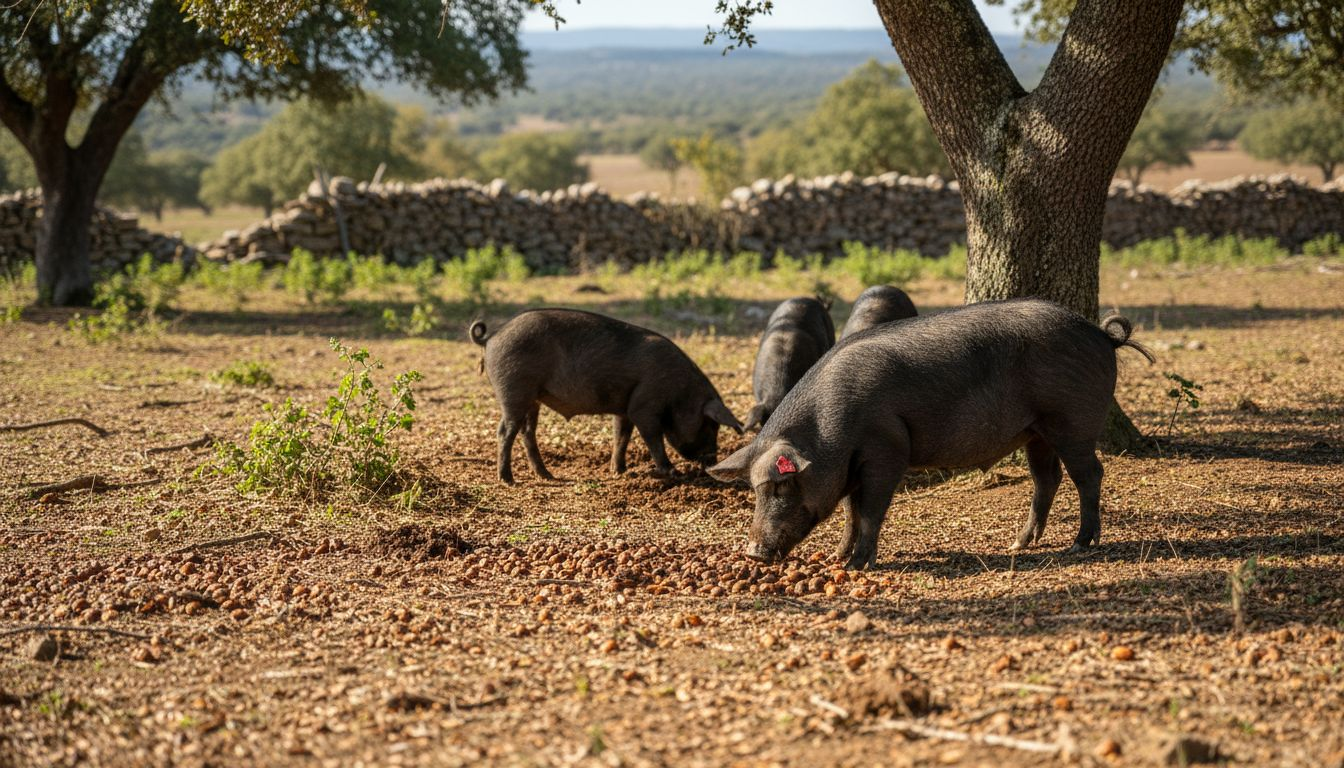
This rearing approach transcends mere food production. In regions like Salamanca, traditional Iberian pig rearing reinforces cultural identity and sustainable agroforestry practices that have sustained rural economies for centuries. The dehesa itself functions as a living archive, preserving both agricultural and ecological knowledge. When you choose authentic Ibérico ham, you’re supporting this entire ecosystem of tradition, sustainability, and regional preservation that extends far beyond your dinner plate.
Pro tip: Seek hams explicitly labelled as “montanera” or “cebo de campo” to ensure your purchase comes from pigs that completed the acorn-feeding phase; this designation guarantees superior flavour development compared to standard rearing methods.
The Curing Process and Distinct Flavours
The transformation from fresh pork to Ibérico ham isn’t magic, though it often tastes like it. It’s chemistry, physics, and patience working in concert across months or years. The process begins immediately after slaughter with salting, where sea salt penetrates the meat’s surface, drawing out moisture whilst creating an environment hostile to unwanted bacteria. This initial phase typically lasts between one and two weeks per kilogramme of ham weight, a calculation that demands precision. Once the salt has done its work, the ham moves into the drying phase, where temperature, humidity, and air circulation become critical variables. Spanish producers understand these conditions intuitively, having refined their craft across generations, but scientific analysis of the dry curing process reveals progressive development of volatile organic compounds that shape flavour and aroma throughout post-salting and drying stages.
What’s actually happening at the molecular level fascinates connoisseurs who appreciate the craft. Microbial activity—beneficial moulds, yeasts, and bacteria—colonises the ham’s surface and interior, breaking down proteins into amino acids and fats into fatty acids. These compounds create the complex flavour spectrum you encounter when tasting properly aged Ibérico. The distinctive sweet notes come partly from residual sugars in the meat combined with caramelisation during the drying process. The nutty character, particularly pronounced in acorn-fed pigs, emerges from oleic acid oxidation within the intramuscular fat. The savory umami quality develops through accumulation of glutamates and nucleotides. A 36-month ham develops these flavours in balanced proportion. A 48-month ham intensifies them. A 60-month ham creates an almost crystalline complexity that demands your full attention. Each additional month of aging isn’t simply making the ham drier; it’s creating entirely different sensory experiences through chemical transformation.
The ham’s appearance changes dramatically throughout curing, becoming darker as oxidation progresses and surface moulds develop protective patinas. Producers monitor these changes using experience and intuition alongside modern testing. When you slice into a properly aged Ibérico ham, you should notice a gradient from darker exterior to lighter interior, with the fat displaying a translucent quality that indicates proper hydrolysis. The aroma should hit you immediately, carrying notes of nuts, salt, and something almost floral. All of this emerges from the fundamental principles of fermentation, dehydration, and time working on premium-quality raw material.
Pro tip: Purchase ham aged between 36 and 48 months if you’re new to Ibérico; this sweet spot offers remarkable complexity without the intensity that longer-aged selections demand, allowing you to develop your palate before progressing to reserve-aged varieties.
Types and Quality Labels Explained
Navigating Ibérico ham classifications feels intimidating at first, but the labelling system exists precisely to protect consumers like you from deception. Spanish law enforces strict definitions that distinguish genuine products from imposters, and understanding these categories transforms your purchasing decisions from guesswork into informed selection. The classification hierarchy rests on two fundamental criteria: the pig’s breed purity and its diet during the fattening phase. These distinctions aren’t marketing flourishes; they directly determine flavour, texture, and price, reflecting genuine differences in production methods and final quality.
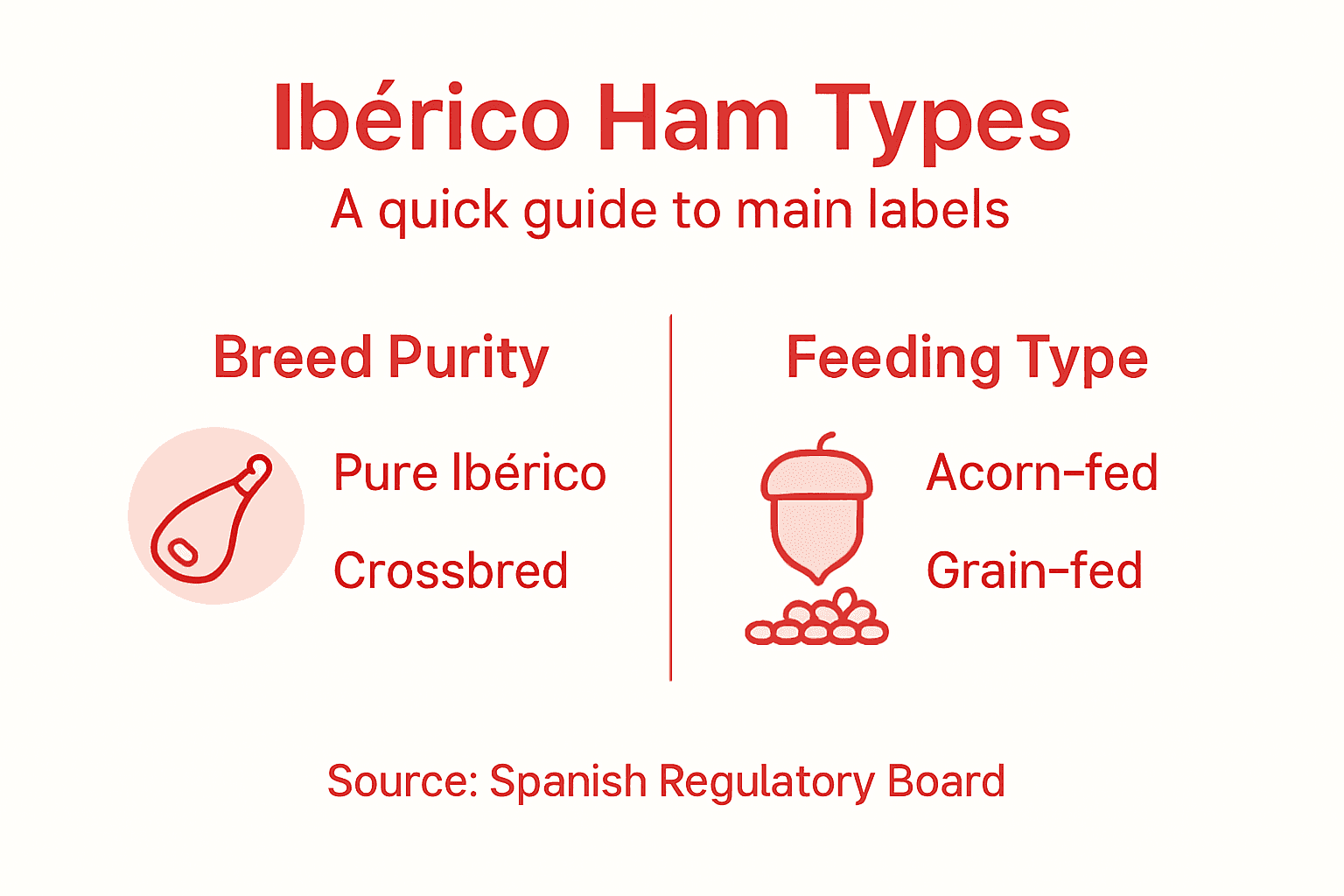
The highest tier, Jamón de Pata Negra, represents the gold standard you’ve likely heard whispered about in gourmet circles. These hams come exclusively from pure Iberian pigs (at minimum 75 percent Iberian genetics for the official classification, though authentic producers maintain 100 percent purity) that completed their fattening phase consuming acorns in the dehesa. The black hooves give the category its poetic name, though what matters far more is what those pigs consumed. A genuine Pata Negra aged for 48 months or longer develops extraordinary complexity, with intramuscular fat creating that characteristic silky texture and distinctive nutty flavour. Below this sits Jamón Ibérico de Cebo de Campo, produced from pigs with significant Iberian ancestry that grazed freely but consumed supplementary grain rather than acorns alone. These hams offer authenticity and quality at a considerably lower price point than full Pata Negra. Then comes Jamón Ibérico de Cebo, from Iberian pigs raised on grain in standard facilities. These represent the entry point to genuine Ibérico production, lacking the terroir complexity of acorn-fed varieties but still delivering superior flavour compared to mass-produced alternatives.
To further clarify, here’s how key factors influence Ibérico ham quality grades:
| Factor | Pata Negra | Cebo de Campo | Cebo Ibérico |
|---|---|---|---|
| Breed purity | 100% Iberian | 50–75% Iberian | 50–75% Iberian |
| Feeding method | Acorn only | Acorn + pasture + grain | Grain and feed |
| Flavour profile | Rich, nutty, complex | Balanced, mildly nutty | Savoury, less complex |
| Price range | Highest | Moderate | Entry level |
Below the Ibérico classifications sits Jamón Serrano, produced from white pig breeds, primarily the Large White or Duroc varieties. Serrano hams utilise identical curing techniques to Ibérico production and can reach impressive quality levels, but fundamentally differ in raw material. The pigs’ different genetics, diet, and fat composition produce distinctly different sensory profiles. Serrano hams typically age for 7 to 10 months and offer a leaner, more intensely salty character compared to the creamy complexity of Ibérico.
Here is a concise comparison of Spain’s main ham types and their core distinguishing features:
| Name | Breed Origin | Primary Diet | Typical Aging Period |
|---|---|---|---|
| Jamón de Pata Negra | Pure Iberian | Acorns (dehesa) | 36–60 months |
| Jamón Ibérico de Cebo | Iberian (crossbred) | Grain in stables | 24–36 months |
| Jamón Serrano | Large White/Duroc | Grain/standard feed | 7–10 months |
When examining packaging, authentic producers display official certifications from Spanish regulatory bodies. Look for the Denominación de Origen Protegida (Protected Designation of Origin) stamp, which certifies geographic origin and production methods. Sliced portions should display vacuum packaging with transparent sections allowing visual inspection. The ham’s appearance matters: properly cured Ibérico displays a deep burgundy colour with white striations of intramuscular fat, never grey or brown tones that suggest improper storage or age.
Pro tip: Always purchase from vendors displaying official Spanish certifications and transparent aging information; reputable producers specify exact aging duration (36, 48, or 60 months) rather than vague terms, allowing you to select precisely the complexity level your palate seeks.
Why Connoisseurs Value Ibérico Over Alternatives
Step back from the marketing noise for a moment. When luxury food enthusiasts consistently choose Ibérico ham over every alternative, they’re not responding to branding or snobbery. They’re recognising genuine, measurable differences in sensory experience and production integrity. Ibérico ham is favoured by connoisseurs due to deep-rooted cultural heritage, exclusive breed characteristics, and artisanal production methods that fundamentally distinguish it from competitor products. The native Iberian pig’s unique marbling and acorn-rich diet yield a texture and flavour profile that remains unmatched by other cured meats, regardless of price point or marketing investment. This isn’t subjective preference; it’s biological reality meeting centuries of refinement.
Consider what happens when you place authentic Ibérico alongside Serrano or industrial alternatives in a blind tasting. The differences become immediately apparent to any educated palate. Serrano, whilst respectable, exhibits a leaner texture and sharper salt profile that reflects its different breed genetics and shorter aging timeline. Industrial cured meats often display artificial uniformity, their flavour profile flattened by standardisation. Genuine Ibérico, by contrast, presents a living complexity. Taste it at different ages: a 36-month ham offers balanced sweetness with emerging nuttiness; a 48-month selection deepens into concentrated umami with crystalline salt notes; a 60-month reserve becomes almost meditative in its subtlety. The craftsmanship of curing and slicing elevates its status over alternatives in premium gastronomy. Professional chefs understand this distinction intimately. They source authentic Ibérico not from sentiment but from necessity. When your ingredient possesses genuine complexity, your dish’s potential expands exponentially.
Beyond sensory qualities, connoisseurs value the sustainability narrative woven into legitimate production. The dehesa ecosystem, preserved through Ibérico pig farming, represents a collaboration between agriculture and environmental stewardship that industrial competitors simply cannot replicate. Strict traceability requirements, animal welfare certifications, and quality controls add tangible value that discerning consumers recognise and respect. You’re not purchasing ham; you’re purchasing evidence of a commitment to craft, sustainability, and excellence that extends from individual farmer to your table. When you taste authentic Ibérico, you’re tasting investment in tradition, knowledge, and integrity that cannot be rushed, industrialised, or counterfeited convincingly.
The distinction matters most when you understand what you’re comparing. Serrano offers value within its category. Industrial alternatives provide convenience. But authentic Ibérico occupies a different hierarchy entirely, one defined by biological possibility, environmental symbiosis, and human expertise accumulated across centuries.
Pro tip: Compare a 48-month Ibérico Pata Negra directly against premium Serrano or imported alternatives; the sensory differences will crystallise your appreciation for why connoisseurs consider authentic Ibérico worth the investment, transforming your future purchasing decisions.
Discover the True Artistry of Ibérico Ham with 7 Bellotas
Many connoisseurs struggle to find authentic Ibérico ham that honours the rich Spanish heritage, traditional acorn-fed rearing, and meticulous aging processes described in the article. The challenge lies in accessing premium Pata Negra hams aged precisely between 36 and 48 months to experience that ideal balance of nutty complexity and silky texture. These nuances define the difference between genuine craftsmanship and mass-produced imitations. If you are seeking a flavour profile enriched by the montanera phase and cured with artisanal mastery, settling for anything less risks missing the full sensory journey.
At 7 Bellotas, we specialise in delivering this exact excellence direct from Spain to your table. Our carefully selected range honours centuries of tradition and sustainable Iberian pig rearing, guaranteeing genuine Pata Negra hams aged from 36 up to over 64 months for the finest connoisseurs. Whether you desire whole hams, vacuum-packed slices, or gourmet cured meats like chorizo and salami, every product reflects real craftsmanship and the protected designations detailed in the article. Choose authenticity backed by heritage and experience the unmistakable difference that sets true Ibérico apart.
Explore our premium selection now and elevate your gourmet experience with trusted Spanish excellence.
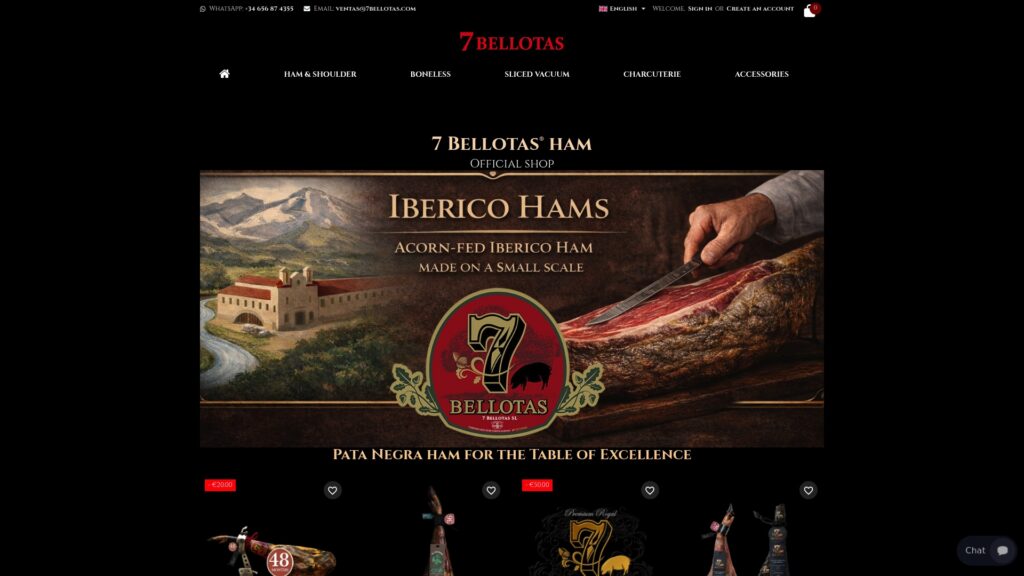
Ready to taste the tradition? Visit 7 Bellotas today and select your perfect Ibérico ham aged to your palate’s desire. Your journey to genuine Pata Negra begins here.
Frequently Asked Questions
What is Ibérico ham, and why is it considered special?
Ibérico ham is a premium cured meat product made from the native Iberian pig, recognised for its unique flavour, texture, and the artisanal methods used in its production. The pigs are typically raised in free-range conditions and fed on acorns, which contributes to their marbled meat and distinctive flavour profile.
How does the feeding method affect the quality of Ibérico ham?
The feeding method significantly impacts the quality of Ibérico ham. Pigs that are acorn-fed produce higher levels of oleic acid within their fat, resulting in a rich, nutty flavour and creamy texture. This contrasts with pigs raised primarily on grains, which yield a leaner and less complex ham.
What are the different classifications of Ibérico ham, and how do they differ?
Ibérico ham classifications are based on breed purity and diet. The highest tier, Jamón de Pata Negra, comes from pure Iberian pigs fed exclusively on acorns. Other classifications include Jamón Ibérico de Cebo de Campo, which includes pigs raised on a mix of pasture and grain, and Jamón Ibérico de Cebo, from pigs primarily fed on grain. These differences affect flavour, texture, and price.
Why do culinary experts prefer Ibérico ham over other types of cured meat?
Culinary experts value Ibérico ham for its unmatched flavour, texture, and the traditional artisanal methods used in its production. The unique rearing practices and aging processes allow for complex and nuanced flavours that outperform other cured meats, resulting in a superior sensory experience.