Choosing between wild and farmed Iberico pork often sparks debate among discerning gourmet enthusiasts who seek unmatched depth of flavour and rich culinary heritage. The journey of the Iberian pig, originating from the Mediterranean wild boar and thriving in the unique dehesa landscapes of Southwestern Spain, goes far beyond the plate. This introduction unravels the pivotal distinctions that shape taste, texture, and authenticity, highlighting the profound influence of rearing methods and environment on the legendary status of this celebrated breed.
Table of Contents
- Iberico Pigs Defined: Breed Origins and Heritage
- Wild and Farmed Iberico Pigs: Key Differences
- Diet, Habitat, and Animal Welfare Considerations
- Flavour, Texture, and Culinary Impact
- Ethics, Regulations, and Authenticity Standards
Key Takeaways
| Point | Details |
|---|---|
| Iberian Pig Heritage | The Iberian pig is a breed rooted in the cultural heritage of Southwestern Spain, characterised by its unique habitat and traditional farming methods that enhance meat quality. |
| Wild vs Farmed Differences | Wild Iberian pigs have a more diverse diet and natural lifestyle, resulting in superior meat flavour compared to indoor-farmed pigs. |
| Importance of Diet and Environment | The dehesa landscape provides a holistic environment that supports animal welfare and sustainable farming practices, crucial for premium meat quality. |
| Authenticity Standards | Complying with strict quality standards in breeding, rearing, and diet ensures the authenticity and culinary excellence of Iberian pork products. |
Iberico Pigs Defined: Breed Origins and Heritage
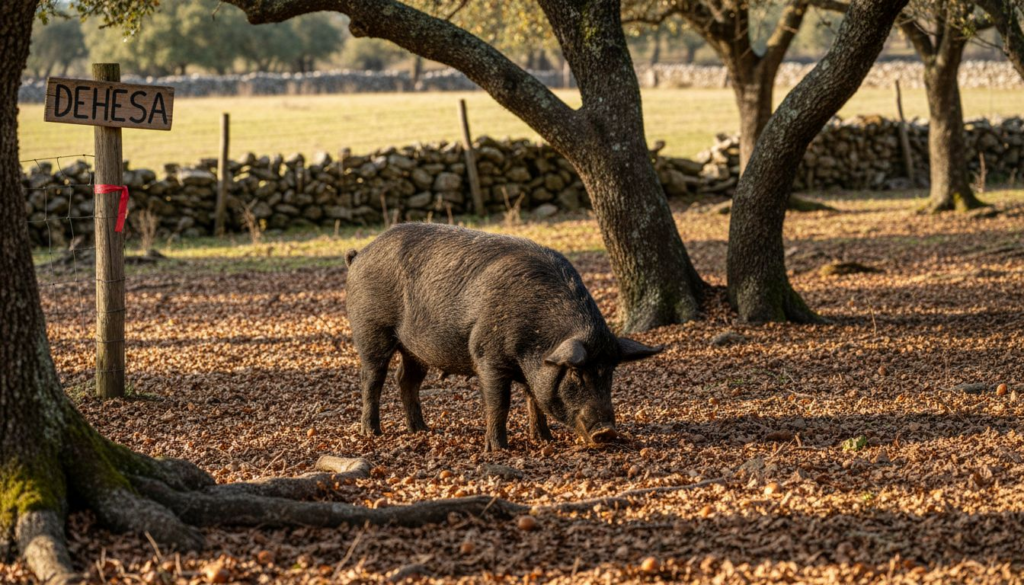
The Iberian pig represents a remarkable breed deeply rooted in the cultural landscape of Southwestern Spain, embodying centuries of agricultural tradition. Originating from the Mediterranean wild boar, these unique animals have evolved within the distinctive dehesa ecosystem, a complex pastureland characterised by holm oak forests and sustainable agricultural practices.
Evolution and genetic characteristics distinguish the Iberian pig from other pig breeds. Typically medium-sized with pigmented skin ranging from deep black to russet red, these pigs possess an extraordinary genetic capacity for intramuscular fat storage. This remarkable trait contributes directly to the exceptional quality and flavour profile of their meat, making them prized among culinary experts and gastronomes worldwide. Their breeding history in the Iberian Peninsula extends far beyond mere livestock production, representing a profound connection between animal husbandry and regional cultural identity.
The breed’s traditional habitat involves extensive farming systems within the dehesa, a sustainable landscape that supports not just pig rearing but an entire ecological network. These wooded pasturelands provide natural foraging environments where Iberian pigs can roam freely, consuming acorns and wild vegetation that contribute significantly to their meat’s distinctive flavour. This symbiotic relationship between animal, landscape, and agricultural practice has transformed the Iberian pig from a mere agricultural commodity into a symbol of Spanish culinary heritage.
Pro tip: When selecting Iberian pork products, look for certifications indicating traditional breeding methods and genuine dehesa ecosystem origins to ensure authentic quality and flavour.
Wild and Farmed Iberico Pigs: Key Differences
The distinction between wild and farmed Iberian pigs reveals a complex narrative of agricultural practices, animal welfare, and culinary excellence. Iberian pig production systems demonstrate significant variations in rearing conditions, diet, and ultimately, meat quality. Wild or free-range pigs experience a dramatically different lifestyle compared to their indoor-farmed counterparts, with environment playing a crucial role in their development and the characteristics of their meat.
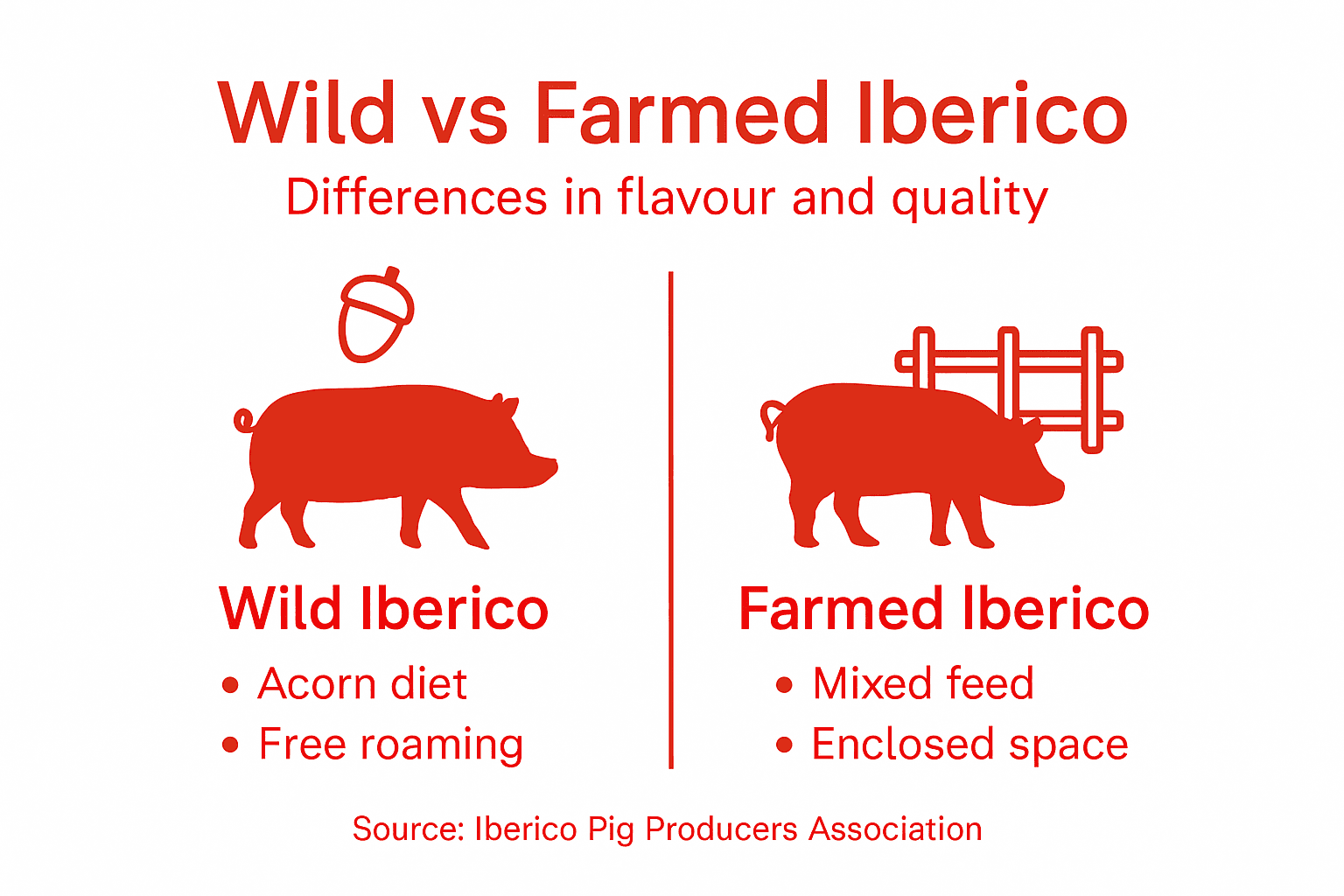
Diet represents the most fundamental difference between wild and farmed Iberian pigs. Free-range pigs roam expansive dehesa landscapes, foraging naturally on acorns, grasses, and wild vegetation. This diverse diet contributes to a more complex flavour profile and superior intramuscular fat distribution. In contrast, indoor-farmed pigs receive controlled feed, which results in more predictable but less nuanced meat characteristics. The montanera period, when pigs feast exclusively on acorns, is particularly significant for wild and extensively raised animals, creating a unique gustatory experience.
Behavioural patterns and welfare also differentiate these two production systems. Wild and free-range Iberian pigs exhibit more natural social structures and movement patterns, adapting seasonally to forage availability. Their dynamic group interactions and extensive range of physical activity contribute to muscle development and meat quality. Indoor-farmed pigs, while receiving consistent nutrition and veterinary care, experience more restricted movement and social engagement. This fundamental difference impacts not just the pig’s quality of life but also the sensory attributes of their meat, with free-range pigs typically producing more flavourful and textually complex cuts.
Here is a summary of the key differences between wild (free-range) and farmed Iberian pigs:
| Aspect | Wild / Free-range Iberian Pig | Indoor-farmed Iberian Pig |
|---|---|---|
| Rearing Environment | Open dehesa landscapes | Controlled indoor facilities |
| Diet | Acorns and wild vegetation | Standardised feed and grains |
| Physical Activity | Extensive roaming and foraging | Limited movement |
| Social Behaviour | Natural group interactions | Restricted social dynamics |
| Impact on Meat | Complex, nuanced flavour | More uniform, predictable taste |
| Animal Welfare | High welfare, less stress | Lower welfare, routine care |
Pro tip: When purchasing Iberian pork, request specific information about the pig’s rearing environment to understand and appreciate the nuanced differences between wild and farmed production methods.
Diet, Habitat, and Animal Welfare Considerations
The Iberian pig’s relationship with its environment represents a complex ecological and agricultural narrative that extends far beyond conventional livestock farming. Traditional production systems reveal a profound connection between animal welfare, landscape management, and sustainable food production. The dehesa ecosystem, a unique Mediterranean agroforestry landscape dominated by oak trees, serves as the quintessential habitat for these remarkable animals, offering a holistic approach to pig rearing that prioritises both environmental and animal well-being.
Diet plays a pivotal role in defining the Iberian pig’s welfare and meat quality. Free-ranging pigs in the dehesa enjoy a natural diet comprising acorns, grasses, and diverse wild vegetation, which contributes significantly to their physical health and sensory characteristics. Extensive production methods allow these animals to exhibit natural foraging behaviours, moving freely and selecting their nutritional intake. This approach contrasts sharply with intensive farming techniques that restrict movement and provide standardised feed, ultimately compromising both animal welfare and the intrinsic quality of the meat.
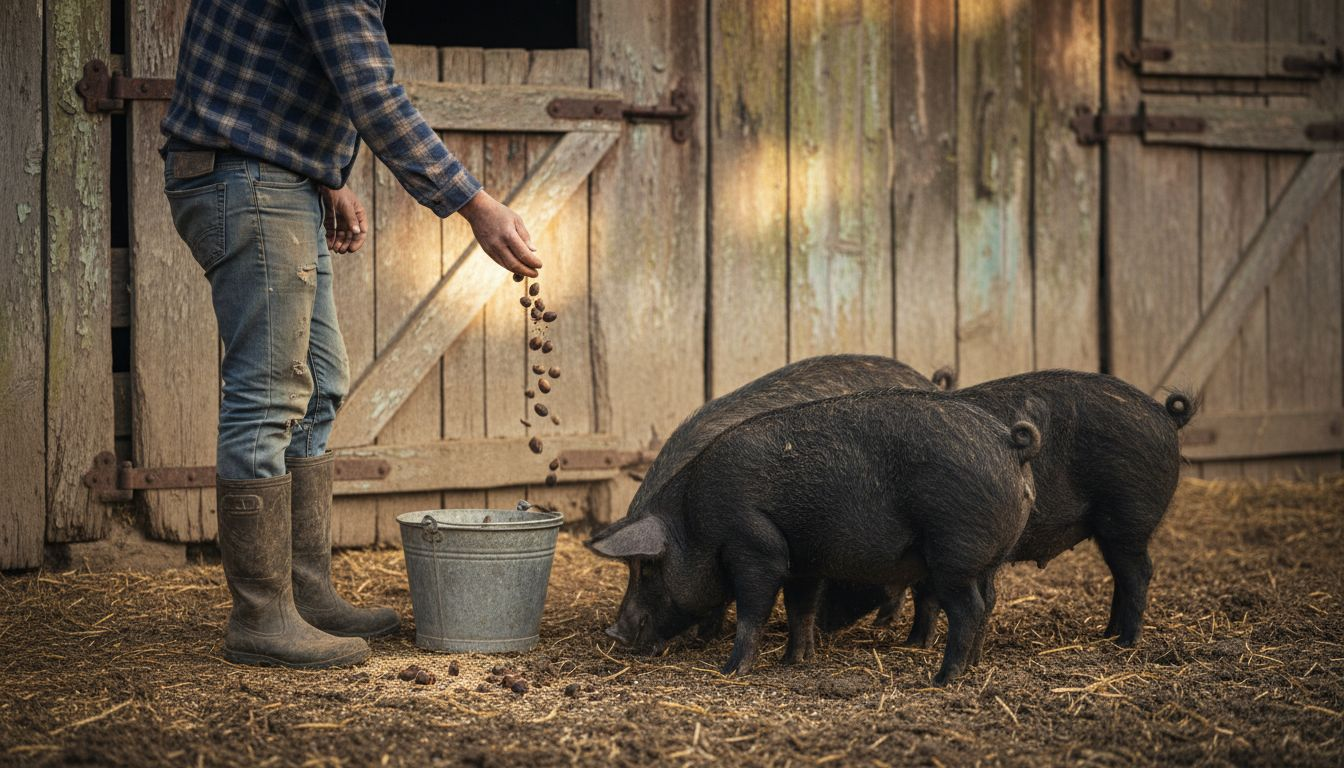
Environmental sustainability intertwines closely with animal welfare in Iberian pig production. The semi-extensive system not only supports the pigs’ physical and psychological needs but also maintains ecological balance within the dehesa landscape. By allowing pigs to roam and interact naturally with their environment, farmers preserve a centuries-old agricultural practice that supports biodiversity, prevents landscape degradation, and produces exceptional quality meat. The symbiotic relationship between the animals, oak forests, and grasslands represents a sustainable model of agricultural production that goes beyond mere meat production.
Pro tip: When selecting Iberian pork products, prioritise those from producers who can demonstrate genuine free-range, dehesa-based rearing practices to ensure superior animal welfare and meat quality.
Flavour, Texture, and Culinary Impact
The gastronomic journey of Iberian pork represents a sublime intersection of agricultural practice and culinary artistry. Flavor profiles emerge directly from production systems, with each pig’s unique diet and environment imparting distinctive sensory characteristics that transform mere meat into a gourmet experience. The intricate relationship between rearing method and taste creates a nuanced palette of flavours that distinguishes Iberian pork from conventional pork products.
Intramuscular fat plays a pivotal role in defining the extraordinary gustatory experience of Iberian pork. Free-range pigs, particularly those fed on acorns during the montanera period, develop a remarkable marbling that melts at lower temperatures, creating an incomparable tenderness and rich, nutty flavour profile. This fat distribution differs significantly from industrially farmed pigs, where fat tends to be more uniform and less complex. The result is a meat that quite literally dissolves on the tongue, releasing layers of flavour that speak to the animal’s natural lifestyle and diet.
Culinary professionals and gastronomes revere Iberian pork for its exceptional versatility and depth of flavour. The meat’s unique characteristics make it suitable for a wide range of cooking techniques, from delicate curing processes that transform ham into exquisite jamón ibérico to sophisticated roasting and grilling methods that highlight its natural richness. The varying fat content and muscle structure mean that different cuts offer distinct culinary experiences, ranging from intensely flavourful shoulder cuts to more delicate loin preparations that showcase the breed’s remarkable genetic potential.
Pro tip: When preparing Iberian pork, opt for minimal seasoning to allow the meat’s natural, complex flavours to shine through, and consider serving at slightly lower temperatures to maximise its remarkable fat-melting qualities.
Ethics, Regulations, and Authenticity Standards
The preservation of Iberian pig heritage represents a complex interplay between traditional agricultural practices, animal welfare, and stringent regulatory frameworks. Iberian Pig Quality Standards have emerged as a critical mechanism for protecting the breed’s genetic integrity, cultural significance, and culinary excellence. These regulations serve not merely as bureaucratic guidelines, but as a sophisticated system designed to maintain the profound connection between the animal, its environment, and centuries of Spanish agricultural tradition.
Authenticity in Iberian pig production hinges on several key criteria that extend far beyond simple breeding documentation. Producers must demonstrate compliance with precise requirements concerning genetic lineage, rearing methods, and dietary practices. The montanera feeding period, where pigs roam freely in dehesa landscapes consuming acorns, represents a particularly crucial standard. This practice ensures not just the exceptional flavour profile of the meat, but also upholds the traditional ecological relationship between the animals and their natural habitat. Genetic purity is rigorously monitored, with strict protocols determining the percentage of Iberian breed genetics required to qualify for premium classifications.
Below is a reference table outlining the main criteria for authentic Iberian pig products:
| Criterion | Importance for Authenticity | Example Standard |
|---|---|---|
| Genetic Purity | Ensures traditional breed qualities | Minimum defined Iberian lineage |
| Rearing Method | Maintains historical practices | Free-range in dehesa systems |
| Diet Requirements | Directly affects flavour and texture | Acorn feeding during montanera |
| Traceability and Labelling | Provides consumer transparency | Official regulatory certification |
The regulatory landscape surrounding Iberian pigs reflects a delicate balance between preserving traditional practices and adapting to modern agricultural challenges. Stakeholders, including farmers, industrial producers, and regulatory bodies, continually negotiate standards that protect consumer interests while remaining economically viable for producers. This dynamic approach ensures that authenticity is not a static concept but a living standard that evolves with changing agricultural technologies and environmental considerations. Transparency in production methods, verifiable animal welfare standards, and traceable genetic lineage form the cornerstone of these comprehensive regulatory frameworks.
Pro tip: When purchasing Iberian pork products, request detailed documentation about the pig’s genetic lineage, rearing environment, and adherence to official quality standards to ensure you’re experiencing genuine, traditional Iberian pig produce.
Discover the True Taste of Authentic Iberian Ham
Understanding the subtle yet profound differences between wild and farmed Iberian pigs unlocks the secret behind the exquisite flavour and texture of premium Iberico pork. If you value the distinction that traditional free-range acorn feeding and natural rearing practices bring to your dining experience, you know that not all Iberian products are created equal. The challenge for connoisseurs is finding truly authentic, high-quality cured meats that reflect centuries of heritage and the unique character of the dehesa landscape.
At 7 Bellotas, we specialise in offering carefully selected Iberico ham and related delicacies that honour this legacy. Each product guarantees the natural diet, artisanal small-scale production, and extended curing times that produce the rich marbling and complex flavours described in the article.
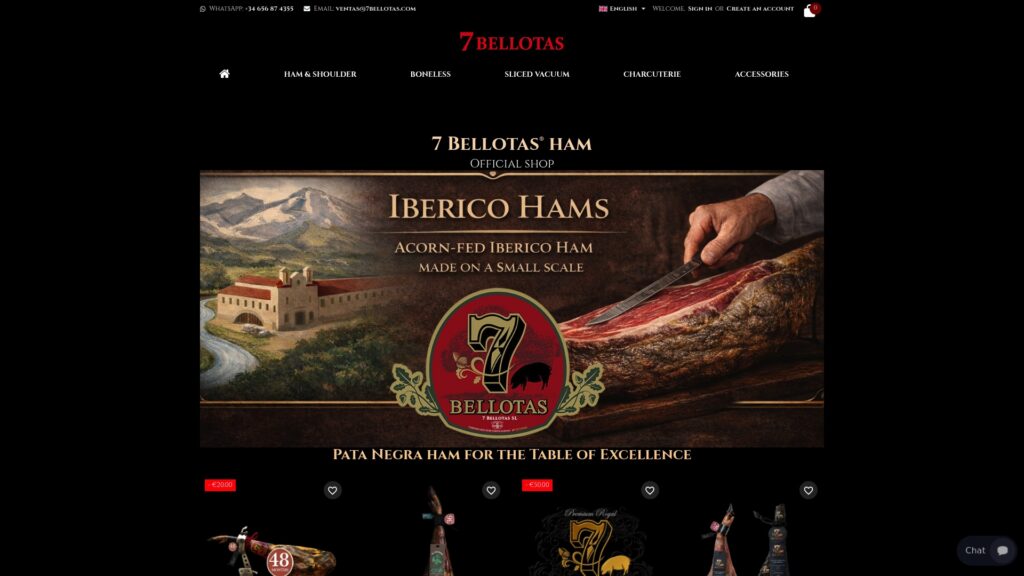
Taste the difference that comes from genuine free-range Iberian pigs fed on acorns and raised with sustainable care. Explore our range today and delight in the luxury of traditional Spanish Pata Negra ham, available as whole hams, sliced portions, or vacuum-packed selections. Embrace the authentic, gourmet experience by visiting 7 Bellotas now and secure your share of this unparalleled culinary heritage.
Frequently Asked Questions
What are the main differences between wild and farmed Iberian pigs?
Wild Iberian pigs roam in natural dehesa landscapes, foraging for acorns and vegetation, while farmed Iberian pigs are raised in controlled indoor facilities with standard feed. This results in differences in flavour, meat quality, and animal welfare.
How does the diet of Iberian pigs affect the quality of their meat?
The diet of Iberian pigs greatly impacts their meat’s quality. Free-range pigs that forage on acorns develop superior intramuscular fat, resulting in a rich, complex flavour. In contrast, farmed pigs have a more uniform taste due to a controlled diet.
What impact does the rearing environment have on the pigs’ welfare?
Wild and free-range Iberian pigs experience high welfare due to their extensive roaming and natural social behaviours, while indoor-farmed pigs have restricted movement and reduced social interaction, leading to lower welfare standards.
Why is the montanera period significant for wild Iberian pigs?
The montanera period is crucial as it is when wild Iberian pigs exclusively consume acorns, significantly enhancing their flavour profile and fat quality. This period contributes to the unique characteristics that make Iberian pork sought after by chefs and food enthusiasts.