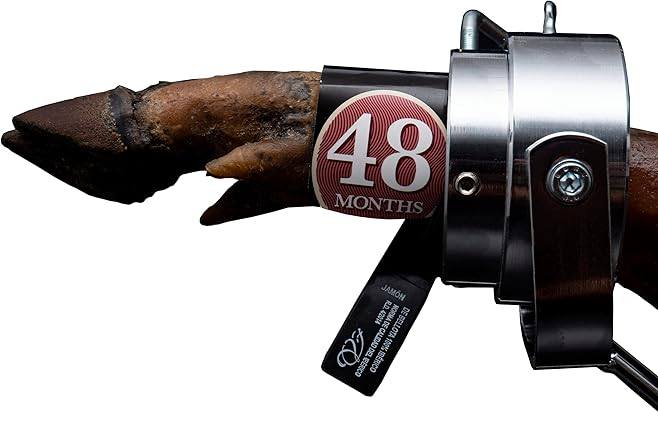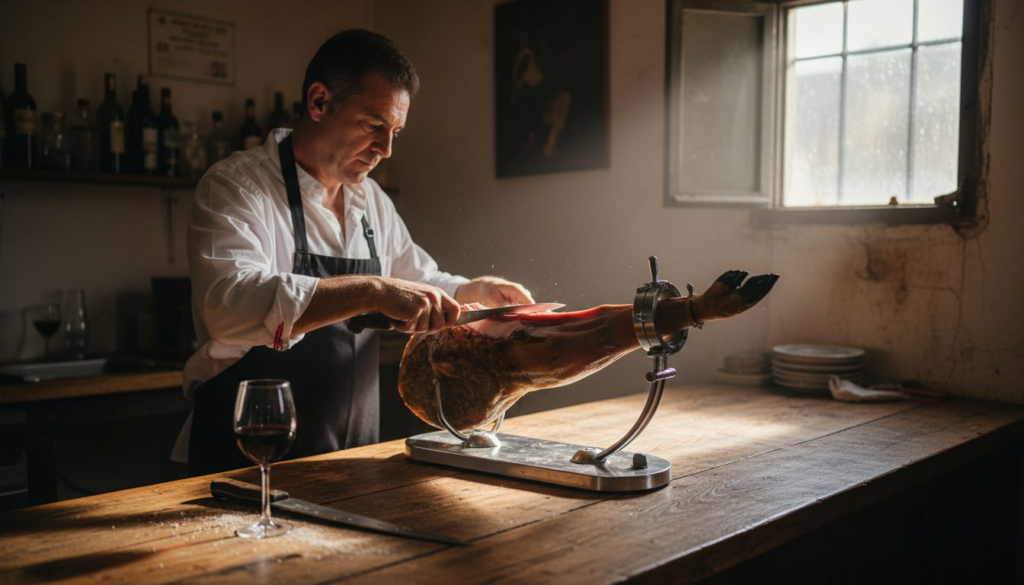
Selecting authentic Pata Negra ham can be surprisingly complex, especially for those who savour genuine Spanish flavours. The allure of this prestigious delicacy lies in more than its reputation—it is painstakingly crafted from pure Iberian pigs, acorn-fed and nurtured by centuries-old Spanish techniques. This article shines a light on the strict legal standards, artisanal methods, and precise identification tips that separate true Pata Negra from misleading imitations, helping American gourmets buy with confidence and discover the ham’s unmatched quality.
Table of Contents
- Pata Negra Defined and Common Misconceptions
- Types of Pata Negra and Legal Standards
- Artisanal Production and Acorn-Fed Diet
- Key Characteristics and Ageing Process
- Price Factors and How to Identify Authentic Ham
- Alternatives and What Sets Pata Negra Apart
Key Takeaways
| Point | Details |
|---|---|
| Authentic Pata Negra Characteristics | Genuine Pata Negra must come from pure-bred Iberian black pigs raised on acorn diets and adhering to strict Spanish production standards. |
| Classification System | The colour-coded labelling system indicates the genetic purity and quality of the ham, with black labels representing the highest standard. |
| Importance of Acorn Diet | The montanera process, where pigs forage for acorns, is crucial for developing the unique flavour and marbling of Pata Negra. |
| Price and Traceability | Authentic Pata Negra is costly due to its limited production and stringent quality controls, so always request certification documentation for assurance. |
Pata Negra Defined and Common Misconceptions
The term Pata Negra originates from a fascinating linguistic and culinary tradition deeply rooted in Spanish gastronomy. Historically referring to the distinctive black hooves of premium Iberian pigs, this phrase has evolved far beyond its literal meaning to signify exceptional quality and prestige.
Contrary to popular belief, not every ham marketed as Pata Negra meets the stringent standards of authentic Iberian ham. The term has been frequently misappropriated in marketing, leading to significant confusion among consumers about what truly constitutes a genuine Pata Negra product.
Key characteristics that distinguish authentic Pata Negra include:
- Sourced exclusively from pure-bred Iberian black pigs
- Pigs raised primarily on acorns during the montanera (foraging season)
- Specific genetic lineage with minimal cross-breeding
- Produced in designated regions of Spain using traditional curing methods
- Strict regulatory standards governing production and labelling
Genetic Purity Matters. While many producers claim Pata Negra status, true connoisseurs understand that less than 5% of Iberian pigs actually meet the most rigorous classification standards. The genetic heritage of the pig significantly influences the ham’s flavour profile, marbling, and overall quality.
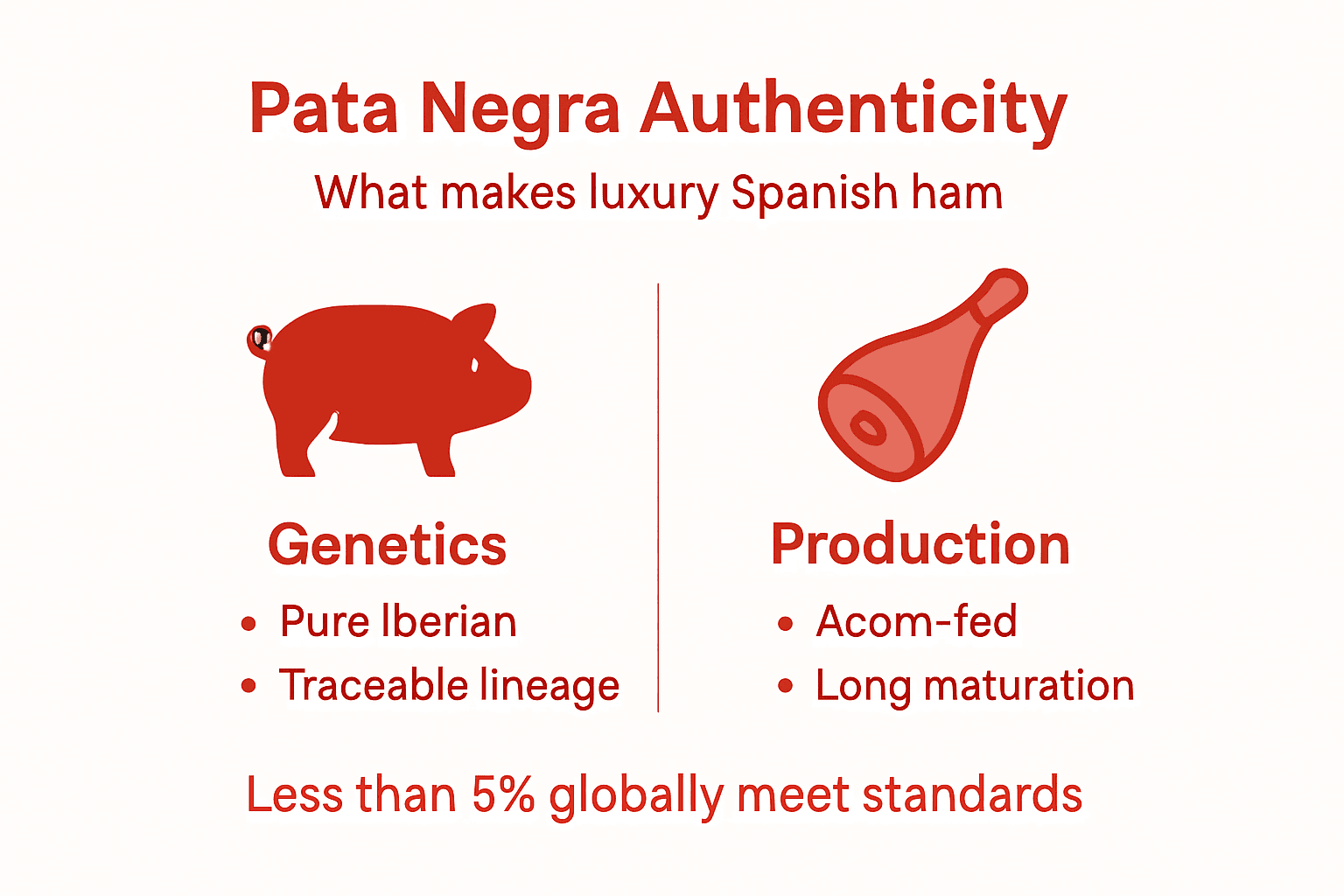
Pro tip: When purchasing Pata Negra, always request certification documentation verifying the ham’s authentic Iberian origin and production standards.
Types of Pata Negra and Legal Standards
The Spanish culinary landscape is governed by precise regulations that define the prestigious Pata Negra classification. Legal standards established by Spanish Royal Decree have created a comprehensive system that categorises Iberian ham based on breed purity, diet, and production methods.
The official classification system uses a colour-coded labelling approach that provides transparent information about the ham’s authenticity and quality. These labels represent different levels of genetic purity and production standards:
- Black Label: 100% pure Iberian pig, acorn-fed (bellota), free-range
- Red Label: Acorn-fed pigs with mixed genetic heritage (50% Iberian breed)
- Green Label: Free-range pigs with mixed diet
- White Label: Commercially farmed pigs raised on standard grain diets
Each label represents not just a marketing strategy, but a rigorous system designed to protect consumer interests and maintain the exceptional standards of Spanish ham production. The genetic lineage of the pig plays a crucial role in determining the ham’s final quality, with pure Iberian black pigs representing the pinnacle of gastronomic excellence.
Here is a summary comparing the official classifications of Iberian ham:
| Label Colour | Genetic Purity | Diet & Rearing | Typical Maturation |
|---|---|---|---|
| Black | 100% Iberian | Acorn-fed, free-range | 36-48 months |
| Red | 50-75% Iberian | Acorn-fed, free-range | 24-36 months |
| Green | 50-75% Iberian | Mixed diet, free-range | 18-36 months |
| White | 50-75% Iberian | Grain-fed, farmed | 12-24 months |
Ham Genetics Matter. The breed’s purity directly influences the ham’s flavour profile, fat marbling, and overall sensory characteristics. Consumers seeking the most authentic experience should look for black label hams, which represent the highest standard of Iberian ham production.
Pro tip: Always examine the colour-coded label carefully and ask for detailed information about the ham’s genetic heritage and production methods.
Artisanal Production and Acorn-Fed Diet
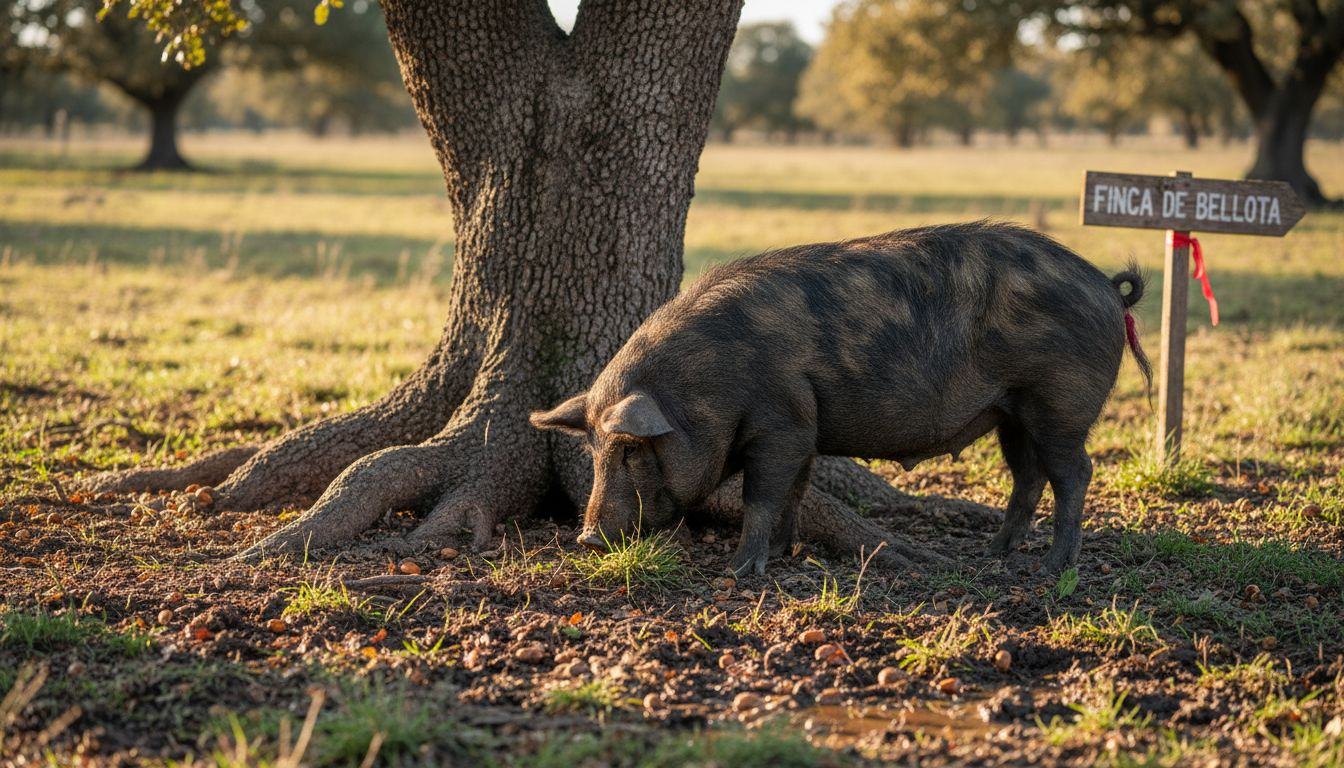
The heart of authentic Pata Negra production lies in the traditional montanera process, where Iberian pigs roam freely in oak forests known as dehesas. These pristine landscapes provide the critical environment for developing the ham’s extraordinary flavour profile, allowing pigs to naturally forage and develop their unique characteristics.
The distinctive production process involves several key stages that distinguish Pata Negra from other cured meats:
- Free-range grazing in Spanish oak forests
- Seasonal acorn feeding during montanera (October-March)
- Slow, natural fat development through genetic predisposition
- Traditional dry-curing methods spanning 24-48 months
- Minimal human intervention in the pig’s natural lifestyle
The acorn diet is particularly crucial. During the montanera season, Iberian pigs consume up to 10 kilograms of acorns daily, which transforms their meat composition. This diet enables the pigs to develop intramuscular fat with a unique nutty flavour and exceptional marbling, creating a melt-in-the-mouth texture that is unparalleled in the culinary world.
The acorn diet is not just food; it’s a transformative culinary experience that elevates Pata Negra from mere meat to a gastronomic masterpiece.
Natural Conversion Matters. The Iberian pig’s remarkable genetic ability to convert acorn-rich diets into exquisite intramuscular fat creates a ham that is both a nutritional marvel and a sensory delight. This unique metabolic process is what truly sets Pata Negra apart from any other cured meat.
Pro tip: When purchasing Pata Negra, look for hams that specify the duration of acorn feeding and the specific forest region to ensure maximum authenticity.
Key Characteristics and Ageing Process
The extraordinary journey of Pata Negra ham begins with a meticulously controlled curing process spanning multiple years, where environmental conditions and time collaborate to transform raw meat into a culinary masterpiece. Organoleptic development represents the critical transformation that distinguishes this premium ham from ordinary cured meats.
The ageing process involves several intricate stages that contribute to the ham’s exceptional quality:
- Initial salting phase to draw out moisture
- Controlled drying in carefully monitored environments
- Extended hanging in natural drying rooms
- Temperature and humidity regulation
- Progressive flavour and texture refinement
- Periodic expert inspection and assessment
Temperature and humidity play pivotal roles in developing the ham’s complex flavour profile. The intramuscular fat, rich from the acorn diet, slowly permeates the muscle tissue, creating extraordinary marbling that yields a buttery, melt-in-the-mouth texture. Depending on the specific classification, Pata Negra can be aged between 12 and 48 months, with longer periods typically indicating more intense flavour characteristics.
The ageing process is not merely a waiting period, but a sophisticated culinary alchemy that transforms simple ingredients into gastronomic art.
Maturation Matters. Each month of careful ageing concentrates flavours, softens muscle fibres, and develops the distinctive nutty, complex taste that makes Pata Negra a truly remarkable delicacy. The ham’s quality is directly proportional to the precision of its ageing environment.
Pro tip: Request detailed ageing documentation when purchasing Pata Negra to understand the specific maturation conditions that created your selected ham.
Price Factors and How to Identify Authentic Ham
Authenticity is paramount when selecting premium Pata Negra, and understanding key identification markers can protect consumers from inferior imitations. The price of genuine Pata Negra reflects an intricate combination of genetic purity, production complexity, and absolute quality control.
Critical factors determining the ham’s value and authenticity include:
- 100% Iberian black pig breed lineage
- Acorn-fed diet during montanera season
- Official black label certification
- Specific geographical production region
- Extended aging period (24-48 months)
- Limited annual production quantities
- Genetic traceability documentation
Prices for authentic Pata Negra can range dramatically, with premium selections costing between €500-€1,200 per kilogram. The most expensive hams are typically from 100% pure Iberian pigs raised in specific regions of Spain’s western dehesa landscapes, with black label certification representing the pinnacle of quality.
Authentic Pata Negra is not merely a product, but a testament to generations of Spanish culinary craftsmanship.
Traceability Reveals Truth. Genuine Pata Negra can be identified through distinctive physical characteristics: black hooves, an elongated ham shape, and fat with a smooth, almost translucent quality. Consumers should always request official certification and understand the specific production details.
Pro tip: Request the ham’s traceability documentation, which should include precise details about the pig’s breed, diet, and production region.
Alternatives and What Sets Pata Negra Apart
While numerous cured ham varieties exist, Iberico ham alternatives cannot truly replicate the extraordinary qualities of authentic Pata Negra. The most significant distinctions lie in the ham’s genetic lineage, diet, and intricate production methodology.
Key differences between Pata Negra and alternative ham varieties include:
- Pure Iberian pig genetics (100% breed)
- Exclusive acorn-fed diet during montanera
- Specific regional production in Spanish dehesas
- Stringent quality certification processes
- Extended natural aging periods (24-48 months)
- Unique intramuscular fat marbling
- Precise environmental control during curing
Common alternatives like Serrano ham or commercial Iberian ham variants lack the nuanced flavour profile and exceptional marbling that define Pata Negra. These alternative hams typically originate from different pig breeds, follow less rigorous production standards, and are cured using more industrialised methods.
The following table highlights how Pata Negra differs dramatically from common alternative hams:
| Aspect | Pata Negra | Serrano Ham | Standard Iberico |
|---|---|---|---|
| Pig Breed | 100% Iberian | White breed | Iberian cross-breeds |
| Typical Diet | Acorn-rich, natural | Grain-based | Mixed, often commercial |
| Curing Time | Up to 48 months | 9-18 months | 18-24 months |
| Flavour Complexity | Intense, nutty, deep | Mild and straightforward | Moderate complexity |
| Fat Texture | Silky, marbled, melts | Drier, firmer, less fat | Some marbling, firmer |
True Pata Negra represents the pinnacle of culinary craftsmanship, transcending mere food and becoming a gastronomic art form.
Genetic Heritage Matters. The profound difference between Pata Negra and other ham varieties stems from its extraordinary genetic heritage. Only hams from 100% pure Iberian black pigs, raised in specific Spanish landscapes and following centuries-old traditions, can genuinely claim this prestigious designation.
Pro tip: Always verify the genetic certification and production region when comparing Pata Negra with alternative ham varieties.
Discover Authentic Pata Negra Excellence with 7 Bellotas
For those captivated by the world of true Spanish luxury ham, understanding the nuances of Pata Negra can be challenging. The confusion around genetic purity, acorn diet, and precise ageing often leaves connoisseurs searching for a trusted source. At 7 Bellotas, we address these concerns by offering 100% Iberian acorn-fed hams that meet the highest black label standards, backed by full traceability and artisanal craftsmanship.
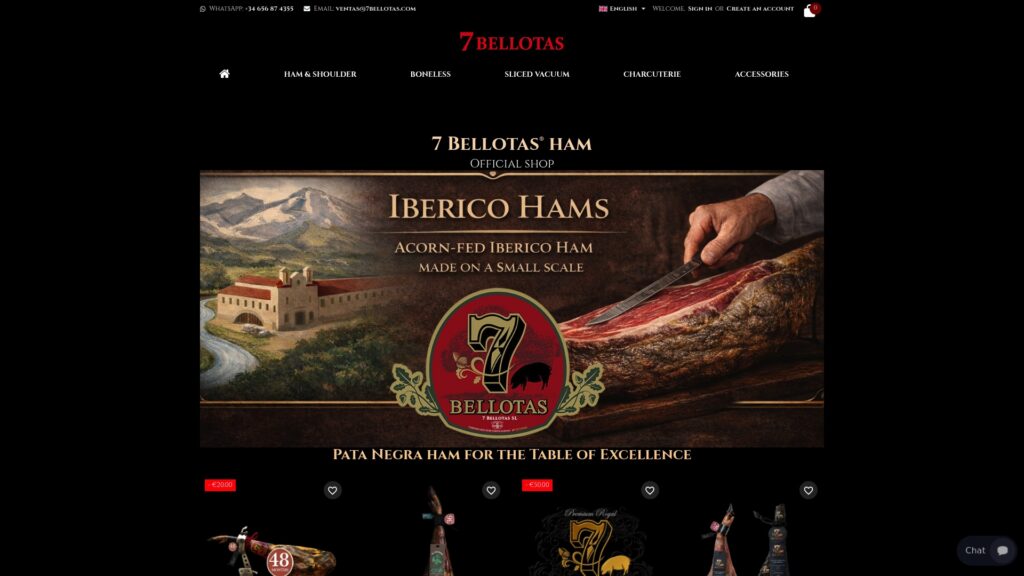
Experience the unmatched flavour and texture born from natural montanera grazing and extended curing. Explore our premium selections that showcase authentic Spanish heritage and meticulous production. Visit 7 Bellotas now to browse our collection, read detailed product descriptions, and enjoy luxury Iberico ham delivered directly from Spain. Don’t settle for imitation. Choose genuine Pata Negra the way it was meant to be savoured.
Frequently Asked Questions
What is Pata Negra?
Pata Negra refers to high-quality Iberian ham, originating from pure-bred Iberian black pigs, known for their distinctive black hooves. It’s celebrated for its exceptional flavour and texture, resulting from specific diet and traditional production methods.
How can I identify authentic Pata Negra?
Look for certification documentation and examine the colour-coded labels: black for 100% pure Iberian, red for mixed heritage, green for free-range, and white for commercially farmed pigs. Authentic Pata Negra should also display genetic lineage and production standards.
What factors influence the price of Pata Negra ham?
The price of Pata Negra varies based on factors such as genetic purity, acorn-fed diet, aging period, and production region. Genuine Pata Negra typically costs between €500-€1,200 per kilogram, reflecting its quality and limited production.
How does Pata Negra differ from other types of ham?
Pata Negra is distinguished by its use of 100% pure Iberian pigs, an acorn-rich diet, longer curing times (up to 48 months), and unique flavour profiles. In contrast, alternatives like Serrano ham are often made from different pig breeds and have shorter curing durations.