Finding genuinely premium Spanish ham can feel like entering a world where every detail matters. For discerning palettes across North America and Europe, the hunt for authentic jamón is about more than flavour. It is a pursuit of culinary heritage, craftsmanship, and distinction. This guide reveals how to recognise true jamón types and origins, helping you select Spanish ham that promises both authenticity and unforgettable taste.
Table of Contents
- Step 1: Identify Authentic Jamón Types And Origins
- Step 2: Assess Curing Methods And Maturation Periods
- Step 3: Evaluate Fat, Marbling And Appearance
- Step 4: Compare Slicing Formats And Packaging Options
- Step 5: Verify Quality Certifications And Provenance
Quick Overview
| Key Message | Explanation |
|---|---|
| 1. Understand jamón types and origins | Differentiate between Jamón Ibérico and Jamón Serrano for quality assurance and authenticity. |
| 2. Assess curing methods and maturation | Look for hams aged at least 24 months for enhanced flavour; longer curing yields superior quality. |
| 3. Evaluate fat, marbling, and appearance | Check for rich colour and marbling indicators to ensure premium quality in your selected ham. |
| 4. Compare slicing formats and packaging | Select the optimal slicing option based on consumption needs, such as whole ham for professionals or vacuum-sealed slices for convenience. |
| 5. Verify quality certifications and provenance | Ensure authenticity by checking certifications indicating the ham’s origin, breed, and production standards. |
Step 1: Identify authentic jamón types and origins
Identifying authentic Spanish ham requires understanding the nuanced world of jamón types and their unique origins. These delicate cured meats represent centuries of Spanish culinary tradition, with each variety offering a distinct flavour profile and cultural significance.
The primary categories of Spanish ham include two fundamental classifications: Jamón Ibérico and Jamón Serrano. Here’s how to distinguish between them:
Jamón Ibérico: Made from black Iberian pigs
- Highest quality ham
- More expensive
- Typically raised in specific Spanish regions
Jamón Serrano: Produced from white pigs
- More affordable
- Widely available
- Cured in mountainous regions
Within the Jamón Ibérico category, further distinctions exist based on the pig’s diet and living conditions. The most prized variant is Jamón Ibérico de Bellota, which comes from acorn-fed black Iberian pigs raised in free-range conditions. These pigs roam oak forests and develop extraordinary marbling, resulting in an exceptionally rich and nuanced flavour.
For those comparing Spanish ham types, here’s a concise summary of their key differences:
| Ham Type | Pig Breed | Region | Price Level |
|---|---|---|---|
| Jamón Ibérico | Black Iberian | Select Spanish areas | Premium |
| Jamón Serrano | White | Mountain regions | Moderate |
| Ibérico de Bellota | Acorn-fed Iberian | Oak forests | Highest tier |
Authentic jamón isn’t just meat – it’s a culinary artwork representing generations of Spanish agricultural expertise.
Pro tip: When purchasing jamón, always request information about its specific origin and production method to ensure you’re getting an authentic, high-quality product.
Step 2: Assess curing methods and maturation periods
Understanding the curing process is crucial for selecting an exceptional jamón. The art of transforming raw pork into an exquisite delicacy involves precise techniques that dramatically influence flavour, texture, and quality.
Traditional Spanish curing methods typically involve several key stages:
- Air-drying: Hanging ham in carefully controlled environments
- Salt treatment: Initial preservation technique
- Natural ageing: Allowing ham to mature in specialised facilities
- Temperature control: Monitoring ambient conditions during maturation
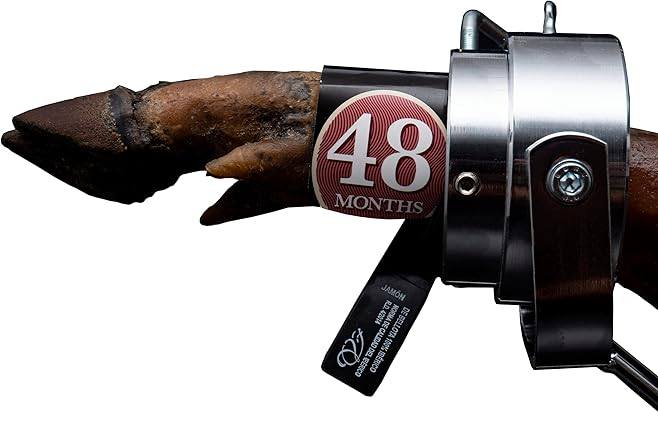
Maturation periods vary significantly, with premium hams often aged between 18 to 48 months. Longer maturation periods typically indicate more complex flavour development and higher quality. Curing processes transform raw meat into a concentrated, intensely flavourful delicacy through gradual moisture reduction and enzymatic breakdown.
The length of maturation directly correlates with a jamón’s depth of flavour, complexity, and market value.
For Jamón Serrano, expect three primary classification levels based on maturation:
- Bodega: Minimum curing period
- Reserva: Extended maturation
- Gran Reserva: Longest and most refined curing process
Professional ham producers meticulously track humidity, temperature, and airflow to ensure optimal conditions throughout the ageing process. These environmental factors dramatically influence the ham’s final characteristics.
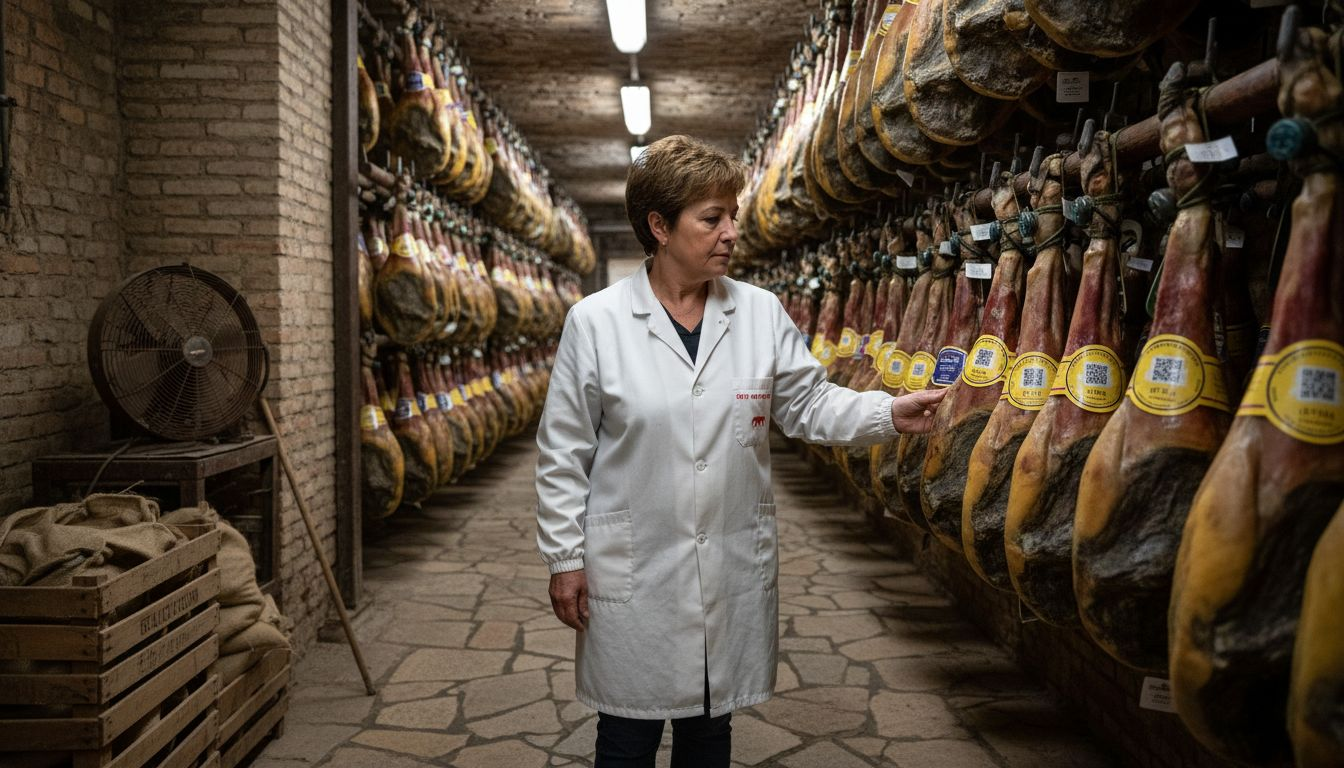
Pro tip: When purchasing jamón, ask about its specific maturation period and look for hams aged at least 24 months for the most refined flavour profile.
Step 3: Evaluate fat, marbling and appearance
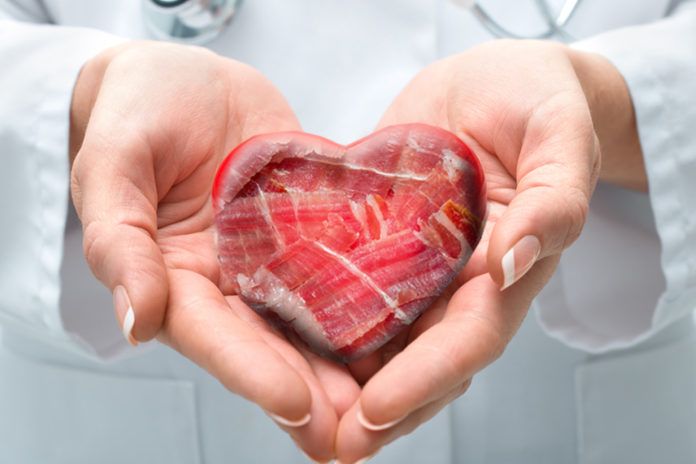
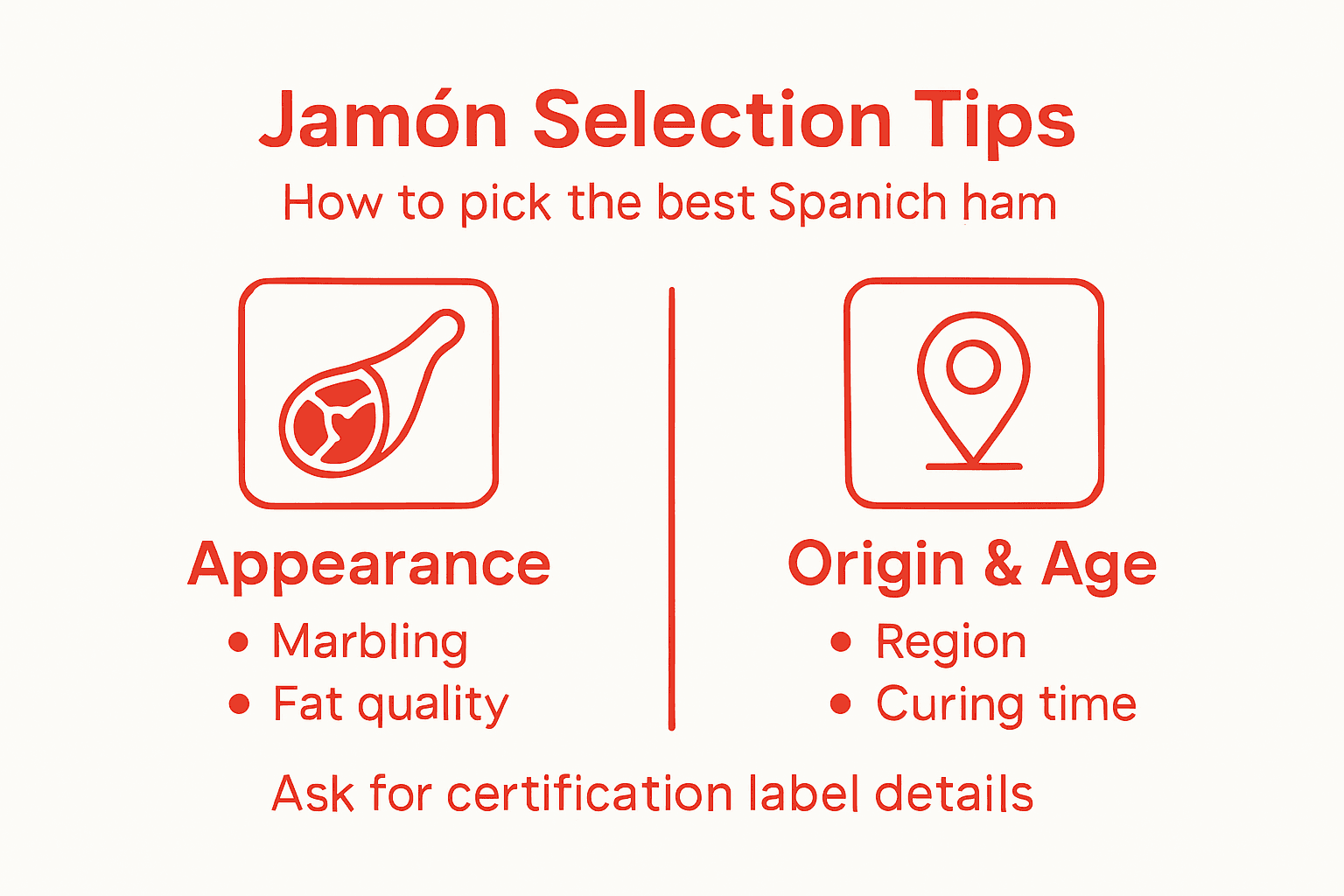
Examining the fat, marbling, and visual characteristics of jamón is an art form that separates novice buyers from true connoisseurs. Distinctive marbling patterns reveal the quality and provenance of your Spanish ham.
When assessing jamón, focus on these critical visual indicators:
- Colour: Rich pink to deep red meat with white fat marbling
- Fat distribution: Fine, even streaks throughout the meat
- Fat quality: Soft, almost translucent appearance
- Surface texture: Smooth and uniform without dry or discoloured patches
The hallmark of premium Jamón Ibérico is its intricate fat marbling. Unlike other cured meats, these hams feature fat that literally melts at room temperature, creating a luxurious, smooth texture. The fat’s origin matters immensely – acorn-fed pigs produce the most prized marbling, with fat that is softer and more flavourful.
Premium jamón’s fat should glisten subtly, promising a melt-in-your-mouth experience that speaks to its exceptional quality.
To assess quality like a professional, follow these key observation steps:
- Check the fat’s translucency
- Observe the evenness of marbling
- Note the meat’s overall colour depth
- Examine the fat’s sheen and texture
Pro tip: When in doubt, request a small slice to be cut – the cross-section will reveal the true quality of marbling and fat distribution.
Step 4: Compare slicing formats and packaging options
Choosing the right slicing format and packaging can dramatically impact your jamón experience, transforming a simple purchase into a culinary adventure. Understanding the nuanced options will help you select the perfect presentation for your gourmet needs.
Jamón comes in several distinct slicing and packaging formats:
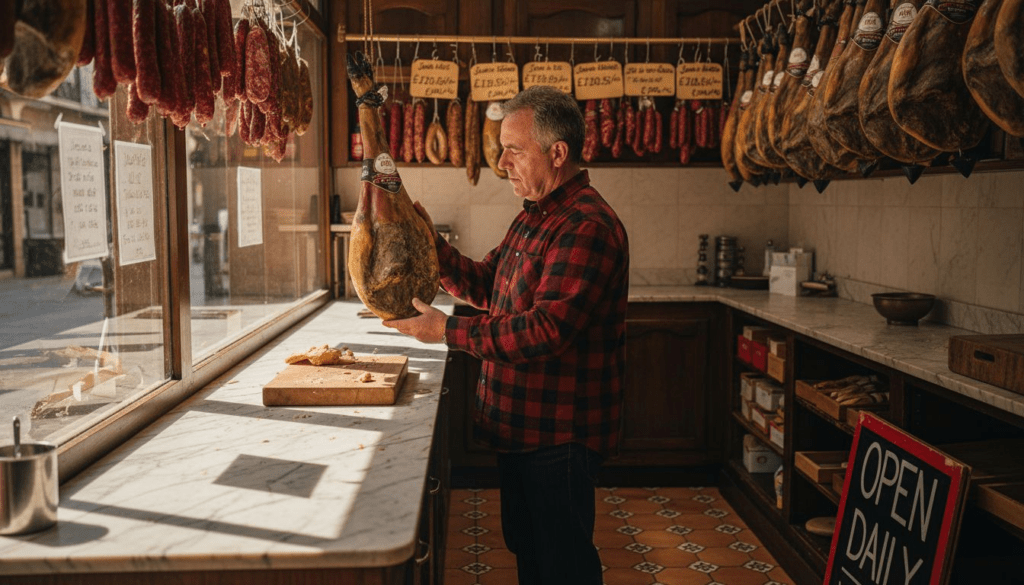
- Whole Ham: Entire leg, ideal for professional carvers
- Machine-Sliced: Uniform, thin slices in vacuum-sealed packages
- Hand-Cut Slices: Traditional method, showcasing artisanal skill
- Vacuum-Packed Portions: Convenient for smaller households
Professional buyers typically consider these key factors when selecting their preferred format:
- Intended consumption timeline
- Storage capabilities
- Serving requirements
- Preservation method
The packaging method is not merely practical – it’s an extension of the jamón’s sophisticated culinary heritage.
For home enthusiasts, vacuum-sealed slices offer remarkable convenience without compromising the ham’s intricate flavours. These packages preserve the meat’s delicate characteristics while providing portion-controlled servings that maintain optimal freshness.
To assist with selection, here is an overview of jamón slicing and packaging formats:
| Format | Suitability | Preservation Method |
|---|---|---|
| Whole ham | Professional carving | Natural air drying |
| Machine-sliced | Convenient households | Vacuum sealing |
| Hand-cut slices | Gourmet experience | Paper or vacuum pack |
Pro tip: If purchasing machine-sliced jamón, request packaging with a transparent window to visually inspect slice quality and marbling before purchasing.
Step 5: Verify quality certifications and provenance
Authentic Spanish jamón represents more than a delicacy – it’s a testament to generations of culinary craftsmanship. Understanding quality certifications will elevate your purchasing expertise and ensure you select a truly exceptional product.
Key quality certification categories include:
- Denominación de Origen: Official geographical origin guarantee
- ITLQ Certification: Quality and traditional production standards
- Ibérico Grade Labelling: Specifies pig breed and rearing conditions
- Black Label Certification: Highest quality designation
When examining certifications, pay attention to these critical details:
- Breed of pig used
- Feeding conditions
- Region of production
- Curing duration
A genuine certification is your guarantee of authenticity, tradition, and unparalleled culinary excellence.
Professional buyers meticulously examine label details. The colour-coded certification system provides instant insights into the ham’s quality – with black labels representing the most prestigious Jamón Ibérico de Bellota from acorn-fed, free-range Iberian pigs.
Pro tip: Photograph or request a copy of the certification label when purchasing, ensuring you can verify its authenticity even after leaving the store.
Discover Premium Spanish Jamón with Confidence
Choosing the finest Spanish ham can feel overwhelming when faced with complex terms like Jamón Ibérico de Bellota, curing periods, and marbling quality. Many enthusiasts struggle to verify authenticity, understand quality certifications, or select the perfect slicing format that fits their lifestyle and palate. This article guides you through those challenges, explaining how to assess curing methods and visual indicators of excellence.
At 7 Bellotas, we share your passion for genuine Spanish heritage and offer an exclusive selection of premium Iberico ham carefully aged from 36 to over 64 months. Our artisanal, naturally cured products guarantee the traditional flavours and textures emphasised throughout the article. Whether you want a whole ham for a professional carving experience or convenient vacuum-packed slices that preserve freshness, we provide options tailored for connoisseurs and newcomers alike.
Elevate your gourmet journey today by exploring our curated range of authentic Spanish cured meats. Enjoy the assurance of quality certifications and detailed product descriptions designed to empower your choice. Visit 7 Bellotas now and indulge in the rich flavours that only true craftsmanship can deliver.
Frequently Asked Questions
What is the difference between Jamón Ibérico and Jamón Serrano?
Jamón Ibérico is made from black Iberian pigs and is considered the highest quality ham, whereas Jamón Serrano is produced from white pigs and is more affordable. To choose between them, determine your budget and desired flavour complexity.
How can I assess the curing methods of Jamón?
To evaluate curing methods, inquire about the ageing period and traditional techniques used, such as air-drying and salt treatment. Look for Jamón that has been matured for at least 24 months for richer flavours.
What should I look for when evaluating the fat and marbling of Jamón?
When assessing the fat and marbling, check for a rich pink to deep red colour with fine, even streaks of fat. Focus on the fat’s translucency and quality to ensure it promises a smooth, melt-in-your-mouth experience.
How do I choose the right slicing format for my Jamón?
Select a slicing format based on your consumption needs and storage capabilities. Consider whole ham for a professional carving experience or vacuum-sealed slices for convenience, especially if you plan to enjoy it over several occasions.
Why are quality certifications important when selecting Jamón?
Quality certifications, such as Denominación de Origen, guarantee the authenticity and traditional production standards of the ham. Always check the certification labels for details on the pig breed and curing duration to ensure you’re choosing a high-quality product.
How can I ensure the authenticity of the Jamón I purchase?
Request details about the ham’s origin and production method, and look for certifications that indicate its quality. Photograph or keep a copy of any certification label for verification later on.