Choosing between Jamón Ibérico and Jamón Serrano challenges even the most seasoned gourmet. For North American connoisseurs who crave authentic Spanish charcuterie, understanding the origin and craft behind these celebrated hams is essential. This overview highlights the striking differences in breed, curing, and flavour, guiding you to select a luxury ham experience that reflects true Iberian heritage and unmatched culinary depth.
Table of Contents
- Jamon Iberico and Serrano Defined Clearly
- Varieties and Breed Differences Explained
- Curing Processes and Ageing Methods Compared
- Flavour Profiles and Best Pairings
- Provenance, Labelling, and Authenticity Concerns
Key Takeaways
| Point | Details |
|---|---|
| Jamón Ibérico vs. Jamón Serrano | Jamón Ibérico is derived from the Black Iberian pig with a longer curing process, resulting in a richer flavour, while Jamón Serrano is made from white breeds and has a milder taste and shorter curing time. |
| Curing and Ageing Differences | The ageing process for Jamón Ibérico can last up to 64 months, in contrast to the 9 to 18 months for Jamón Serrano, significantly affecting taste and texture. |
| Importance of Provenance | Authentic Spanish ham is protected by quality standards and certifications that ensure cultural and culinary integrity; always verify breed documentation and geographical origin. |
| Pairing Recommendations | Optimal pairings enhance the flavours of each ham; Jamón Ibérico pairs well with aged Rioja and figs, whereas Jamón Serrano complements crisp Albariño and rustic bread. |
Jamon Iberico and Serrano Defined Clearly
Jamón represents two distinctive styles of Spanish dry-cured ham, each with unique characteristics and cultural significance. While both originate from Spain, Jamón ibérico and Jamón serrano differ significantly in their production methods, pig breeds, and flavour profiles.
The primary distinction lies in the pig breed and curing process. Jamón Ibérico comes exclusively from the Black Iberian pig, a native breed renowned for its exceptional marbling and complex flavour. These pigs are often raised in specific regions of Spain and Portugal, with top-tier varieties fed exclusively on acorns during their final months. The result is a ham with extraordinary depth and a distinctive nutty undertone.
Jamón Serrano, by contrast, represents a more mainstream cured ham produced from white pig breeds like Duroc or Landrace. Key differences include:
- Shorter curing period (9-18 months)
- Leaner meat composition
- Milder, saltier flavour profile
- Typically produced in mountainous regions
- More affordable and widely available
The traditional mountain curing process for Serrano ham involves carefully drying the meat in well-ventilated mountain environments, which contributes to its unique taste and texture. While less complex than Ibérico, Serrano remains a beloved staple in Spanish cuisine.
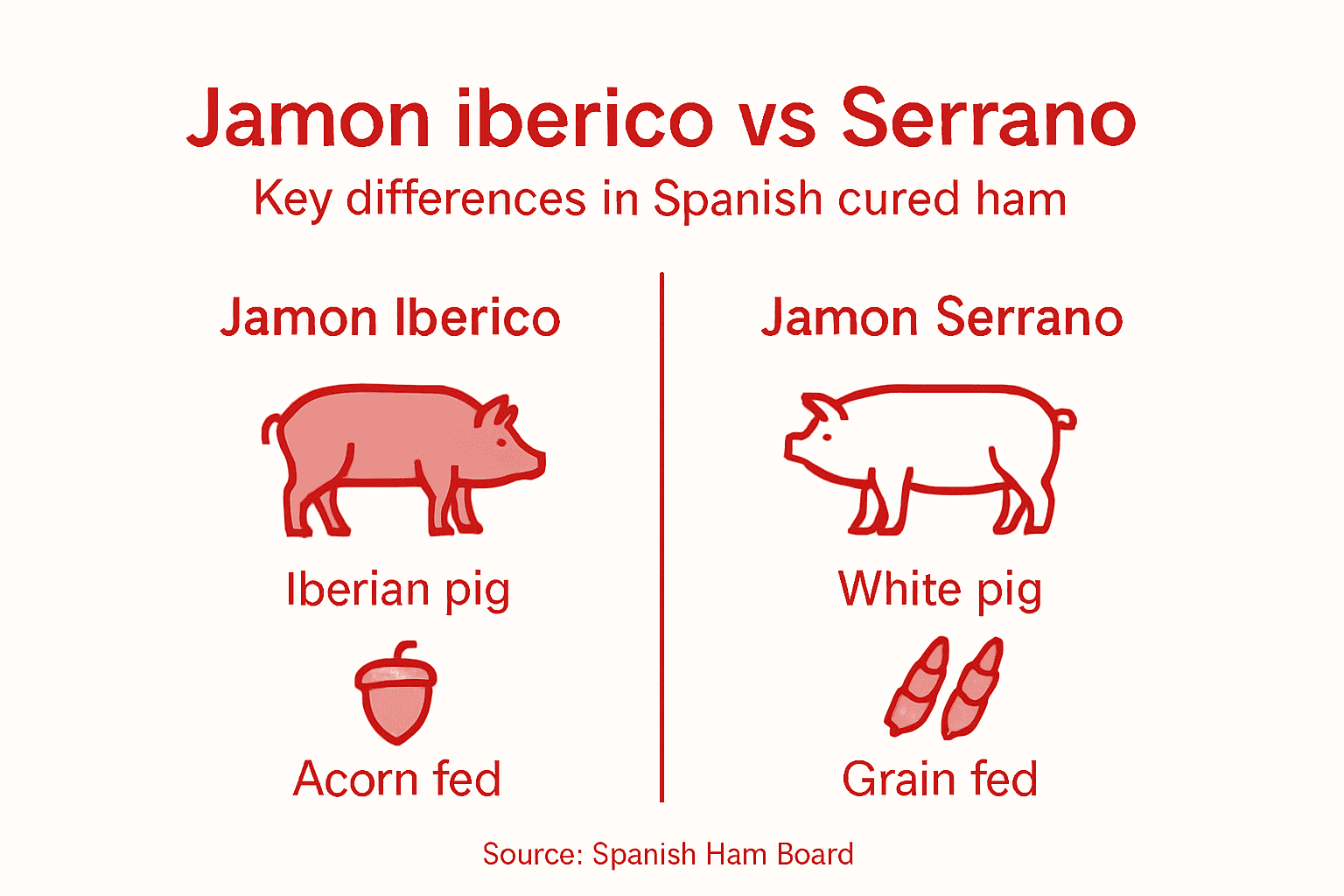
Here is a concise comparison of Jamón Ibérico and Jamón Serrano production essentials:
| Aspect | Jamón Ibérico | Jamón Serrano |
|---|---|---|
| Pig Breed | Black Iberian | Duroc, Landrace, Yorkshire |
| Rearing Environment | Dehesa woodlands | Mountain farms |
| Diet Influence | Acorns, wild vegetation | Standard feed |
| Curing Duration | Up to 64 months | 9 to 18 months |
Pro tip: When selecting Spanish ham, examine the colour, marbling, and ask about the specific pig breed and curing duration to ensure you’re getting an authentic experience.
Varieties and Breed Differences Explained
The world of Spanish ham is deeply rooted in the genetic lineage and breeding traditions of specific pig varieties. Iberian pigs and white pig breeds represent two fundamentally different genetic backgrounds that dramatically influence the resulting ham’s characteristics, flavour, and market positioning.
Iberian pigs, scientifically known as Sus domesticus hispanicus, are native to the Iberian Peninsula and possess unique genetic traits that set them apart from conventional pig breeds. These black-pigmented heritage animals are characterised by their distinctive physical attributes:
- Longer, more slender body structure
- Dark skin pigmentation
- Ability to metabolise acorns efficiently
- Higher intramuscular fat content
- Superior marbling characteristics
White pig breeds, including Duroc, Landrace, and Yorkshire, represent the more commercially prevalent genetic lines used in Serrano ham production. These breeds are bred primarily for meat yield and economic efficiency, resulting in leaner carcasses with less complex fat distribution.
The genetic heritage of a pig directly determines the quality, texture, and flavour profile of its resulting ham.
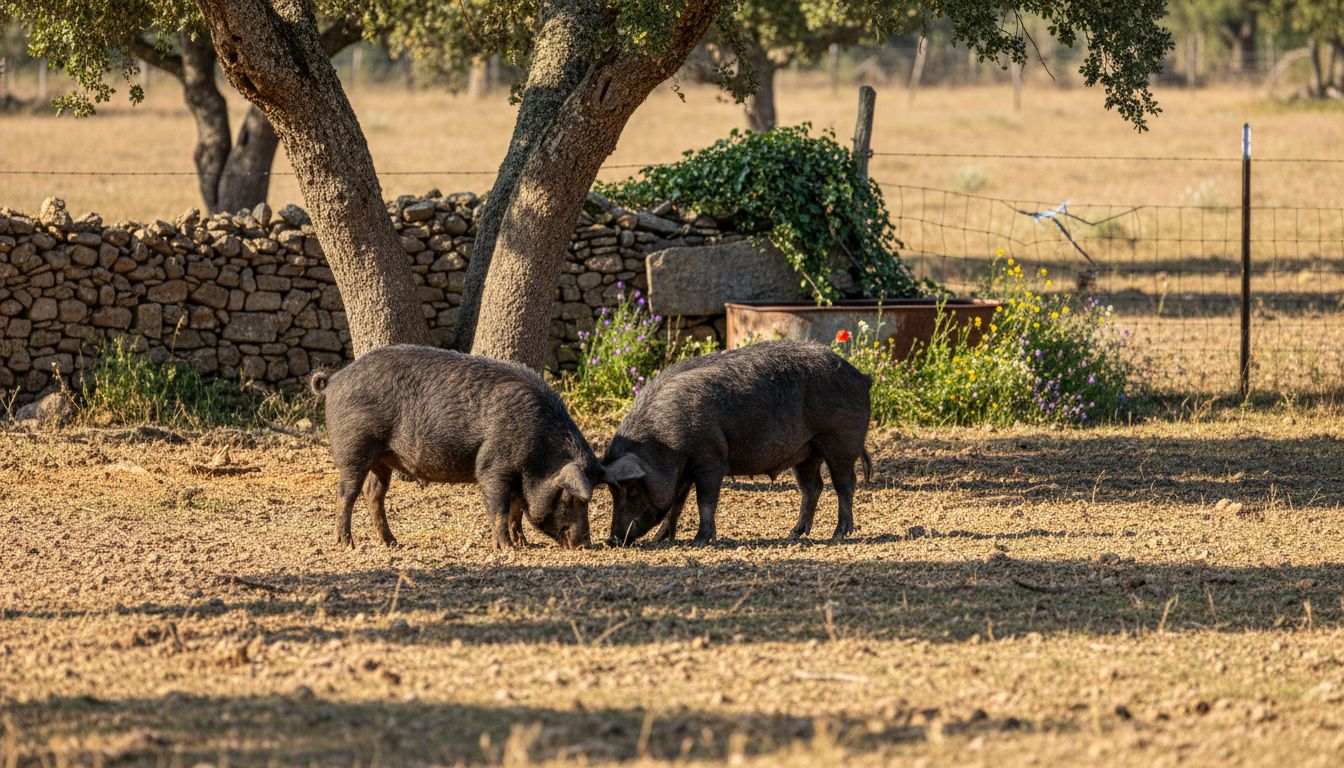
The breeding environment plays a crucial role in ham quality. Iberian pigs are traditionally raised in dehesa landscapes—semi-wild ecosystems of oak forests where pigs roam freely, consuming acorns and wild vegetation. This natural diet and extensive farming method contribute significantly to the ham’s extraordinary flavour complexity.
Pro tip: When purchasing Spanish ham, look for breed-specific certifications that validate the pig’s genetic lineage and production methods.
Curing Processes and Ageing Methods Compared
The art of curing Spanish ham represents a meticulous process that transforms raw pork into a culinary masterpiece through carefully controlled environmental conditions and time-honoured techniques. Curing methods for Jamón Ibérico and Jamón Serrano differ significantly, reflecting their distinct genetic origins and regional traditions.
Traditional ham curing techniques involve multiple sophisticated stages that require extraordinary patience and expertise. For Serrano ham, the process typically encompasses:
- Initial salting phase (1-2 weeks)
- Low-temperature drying period
- Primary curing stage (6-12 months)
- Controlled humidity environments
- Gradual moisture reduction
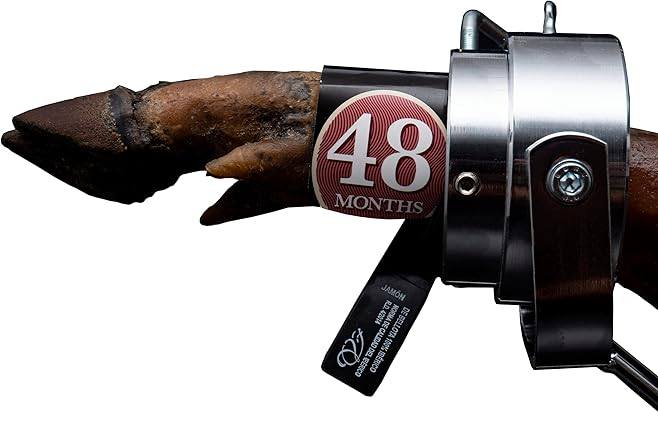
Ibérico ham, by contrast, undergoes a more complex and extended maturation process. Premium Ibérico hams can be aged for 36 to 48 months, with some exceptional varieties reaching up to 64 months of carefully monitored ageing.
The magic of Spanish ham lies not just in its ingredients, but in the alchemical transformation during the curing process.
Moisture control and temperature play crucial roles in developing the ham’s distinctive flavour profile. Specialised curing cellars and mountain environments provide natural microclimates that contribute unique characteristics to the final product. Beneficial moulds develop during ageing, adding depth and complexity to the ham’s flavour.
Pro tip: When purchasing cured ham, ask about the specific ageing duration and curing conditions to understand the ham’s true quality and flavour potential.
Flavour Profiles and Best Pairings
The culinary journey of Spanish ham transcends mere taste, offering a sensory exploration that reveals layers of complexity and nuanced flavour profiles unique to each variety. Jamón Ibérico and Jamón Serrano represent two distinct gastronomic experiences, each with its own remarkable characteristics.
Jamón Ibérico’s flavour landscape is a sophisticated symphony of tastes. Its extraordinary profile includes:
- Rich, nutty undertones
- Deep umami sensations
- Subtle hints of caramel
- Delicate dried fruit notes
- Smooth, melt-in-the-mouth fat texture
Serrano ham presents a more straightforward yet equally compelling flavour profile characterised by robust saltiness and herbal nuances. Its taste spectrum includes delicate hints of dried fig, apple, and subtle floral aromatics that dance across the palate.
Exceptional Spanish ham is not just food; it’s a narrative of tradition, terroir, and masterful craftsmanship told through taste.
Pairing these exquisite hams requires thoughtful consideration. Complementary ingredients can elevate the tasting experience, creating harmonious culinary combinations that accentuate each ham’s unique qualities. Recommended pairings include crisp Spanish wines, aged Manchego cheese, rustic bread, and fresh seasonal fruits that provide balanced counterpoints to the ham’s rich flavours.
For reference, here are suggested pairings to maximise enjoyment of each Spanish ham variety:
| Ham Type | Ideal Wine Match | Best Cheese Pairing | Recommended Side |
|---|---|---|---|
| Jamón Ibérico | Aged Rioja red | Long-aged Manchego | Fresh figs or grapes |
| Jamón Serrano | Crisp Albariño white | Young Manchego or Idiazabal | Rustic bread or apples |
Pro tip: Serve Spanish ham at room temperature and slice thinly to maximise its flavour complexity and textural elegance.
Provenance, Labelling, and Authenticity Concerns
Authenticity in Spanish ham represents a complex interplay of legal protections, traditional craftsmanship, and rigorous quality standards that safeguard both cultural heritage and consumer expectations. The world of Jamón Ibérico and Jamón Serrano is meticulously regulated to ensure genuine, high-quality products reach discerning consumers.
European quality protection schemes have been instrumental in preserving the integrity of Spanish ham production. Jamón Serrano, for instance, has been protected under the Traditional Specialty Guaranteed (TSG) quality scheme since 1999, with producers continuously seeking additional Protected Geographical Indication (PGI) status.
Key authenticity indicators for Spanish ham include:
- Specific geographic origin
- Precise breed documentation
- Detailed feeding and rearing practices
- Comprehensive curing process records
- Certification of traditional production methods
Provenance is not just a label, but a narrative of cultural heritage and culinary expertise encapsulated in every slice of ham.
The Denomination of Origin protections play a crucial role in maintaining the cultural and gastronomic integrity of Spanish hams. These certifications ensure that each ham represents not just a product, but a living tradition deeply rooted in specific territorial conditions and artisanal knowledge.
Pro tip: Always request official certification documents and examine detailed labelling when purchasing premium Spanish ham to guarantee its authentic provenance.
Discover the True Taste of Authentic Spanish Ham
Choosing between Jamón Ibérico and Jamón Serrano goes beyond flavour it is about trusting the provenance and craftsmanship behind every slice. As highlighted in the article Jamon Iberico vs Serrano – Why Provenance Matters understanding pig breed, natural acorn feeding, extended curing durations and certified production methods is vital for experiencing genuine Spanish ham. Many enthusiasts face the challenge of finding premium ham that honours these traditional values and offers a guaranteed authentic experience.
At 7 Bellotas, we specialise in delivering exquisite acorn-fed Pata Negra Jamón Ibérico aged naturally between 36 and over 64 months. Our artisanal approach ensures each ham reflects the unique terroir of the Dehesa woodlands and the meticulous curing artistry that defines world-class Iberico ham. Whether you are seeking whole cured hams, expertly sliced portions or vacuum-packed selections, our range caters directly to discerning palates who value heritage and superior quality.
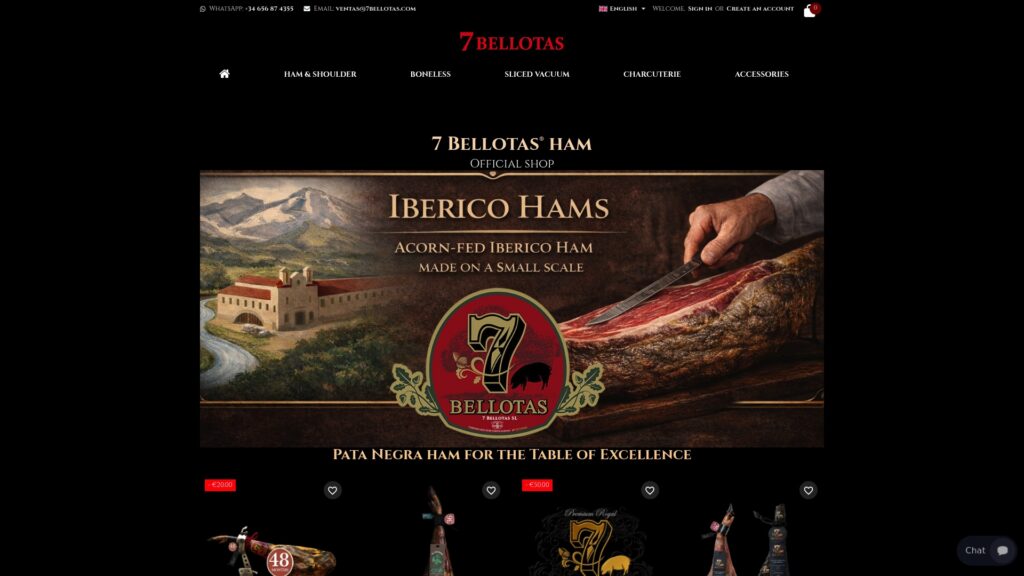
Elevate your culinary journey today with premium Spanish ham sourced from trusted origins and crafted with passion. Visit 7 Bellotas now to explore our exclusive collection and choose authentic Jamón Ibérico and Serrano products that truly embody Spain’s rich gastronomic traditions. Experience the difference authentic provenance makes before your next gourmet occasion.
Frequently Asked Questions
What is the main difference between Jamón Ibérico and Jamón Serrano?
The primary difference lies in the pig breed and curing process. Jamón Ibérico comes from the Black Iberian pig, known for its complex flavour and marbling, while Jamón Serrano is made from white pig breeds like Duroc or Landrace, resulting in a milder, saltier taste.
How long does each type of ham typically cure?
Jamón Ibérico is cured for an extended period, often up to 64 months, whereas Jamón Serrano has a shorter curing duration of 9 to 18 months.
Why does the diet of the pigs affect the quality of the ham?
The diet influences the fat composition and flavour profile of the ham. Iberian pigs, raised on acorns and wild vegetation, develop richer flavours and superior marbling compared to the standard diet of white pig breeds used for Serrano ham, which leads to leaner meat.
How can I tell if the ham I’m buying is authentic?
Look for specific indicators of authenticity such as breed documentation, curing process details, and quality certifications like Denomination of Origin or Protected Geographical Indication. These certifications ensure the ham is produced according to traditional methods and from recognised breeds.