Finding truly authentic Spanish cured ham can be a quest for gourmet enthusiasts who crave integrity and flavour. Jamón Serrano stands apart with its centuries-old tradition of air-drying white pig legs in the cool, high-altitude regions of Spain, producing uniquely savoury slices treasured by connoisseurs. Revered as a Guaranteed Traditional Specialty within the European Union, this iconic delicacy promises genuine Spanish character and craftsmanship for those ready to take their culinary experience to new heights.
Table of Contents
- Jamón Serrano: Distinctive Origins And Definition
- Traditional Curing Methods And Key Qualities
- Types Of Jamón Serrano And Grading
- How Jamón Serrano Differs From Ibérico Ham
- Buying, Storing, And Serving Advice
Key Takeaways
| Point | Details |
|---|---|
| Origin and Definition | Jamón Serrano is a dry-cured Spanish ham made from white pig breeds, celebrated for its unique flavour developed through traditional air-drying techniques in mountainous regions. |
| Curing Process | The ham is salted and air-dried for 6 to 36 months, allowing natural enzymes to enhance its savoury profile and texture. |
| Types and Grading | Jamón Serrano encompasses different types based on ageing, with Gran Reserva being the highest quality, noted for its intense flavour and delicate texture. |
| Serving Recommendations | Whole hams are preferable for maintaining quality; serve at room temperature in thin slices for optimal taste and aroma. |
Jamón Serrano: Distinctive Origins and Definition
Jamón serrano is dry-cured Spanish ham made from white pig breeds, distinguished by its distinctive texture and deeply savoury flavour developed over months of careful air-drying. The name itself reveals its heritage. “Jamón” simply means ham in Spanish, whilst “serrano” derives from the Spanish word for mountain (sierra), referring to the mountainous regions where this ham has been produced for centuries. Jamón serrano’s traditional curing methods trace back through generations of Spanish artisans who perfected the craft in high-altitude areas with ideal climate conditions for natural preservation.
What sets serrano apart from its more celebrated cousin, jamón ibérico, is the breed of pig. Whilst jamón ibérico comes from the black Iberian pig, jamón serrano is crafted exclusively from white pig varieties. This distinction matters significantly to connoisseurs because it produces a distinctly different flavour profile and texture. The white pigs develop leaner meat with a more delicate, slightly milder character compared to the rich, buttery intensity of acorn-fed ibérico.
The curing process itself is remarkably straightforward yet demands precision. Fresh pork legs are heavily salted, then hung in cool mountain air for 6 to 36 months, allowing moisture to evaporate gradually whilst natural enzymes break down the meat’s fibres. This extended timeframe creates the characteristic deep, complex flavour that sets quality serrano apart from mass-produced alternatives. Different regions throughout Spain have earned recognition for their distinctive production styles and terroir, with designations like Jamón de Teruel and Jamón de Trevélez becoming shorthand for exceptional quality amongst discerning collectors.
Interestingly, the term “jamón” itself only entered widespread use in the late 19th century, replacing the older Spanish word “pernil” for ham. This linguistic shift coincided with growing international recognition of Spanish curing traditions. Today, jamón serrano holds official status as a Guaranteed Traditional Specialty within the European Union, protecting its production methods and regional authenticity. This formal recognition ensures that when you purchase genuine serrano, you’re acquiring a product made according to centuries-honoured techniques, not modern shortcuts.
For those new to Spanish cured meats, understanding jamón serrano’s place in the hierarchy is essential. It occupies a distinctive middle ground. It lacks the extraordinary richness of premium acorn-fed ibérico pork, yet it exceeds the quality of industrially-produced European hams. The white pig’s leaner profile makes it exceptionally versatile in the kitchen whilst delivering authentic Spanish character. For enthusiasts building a cellar or exploring Spain’s curing traditions, serrano offers incredible value and genuine cultural significance.
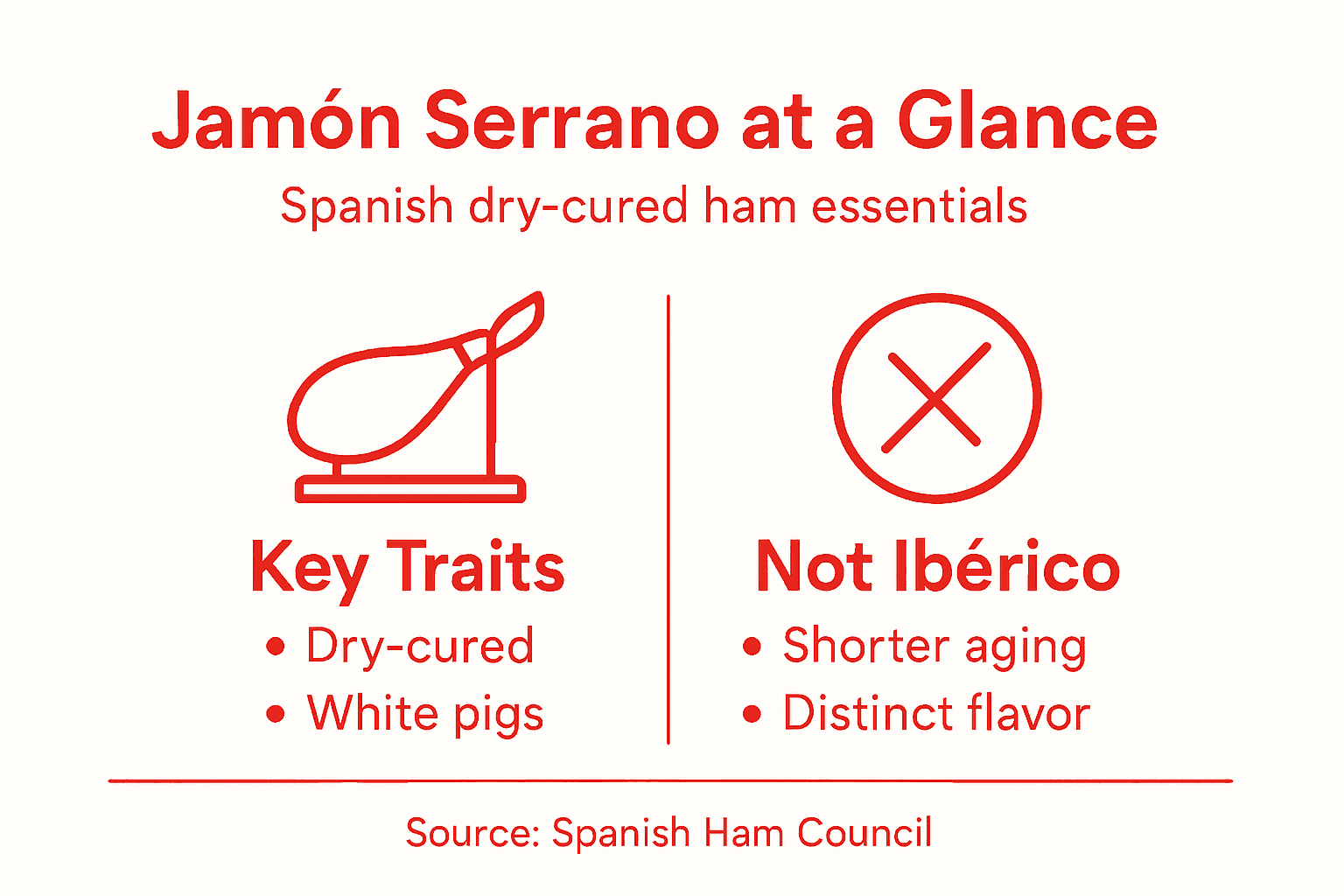
Pro tip: When purchasing jamón serrano, look for products aged between 24 to 36 months, which offer the optimal balance between flavour complexity and tender texture without excessive drying.
Traditional Curing Methods and Key Qualities
Jamón serrano’s creation follows a deceptively simple formula that demands extraordinary skill and patience. The process begins with selection of premium pork legs, which are then heavily salted to draw out moisture and inhibit bacterial growth. This salt application marks the first critical stage, transforming fresh meat into something that will survive months of exposure to air and time. What seems straightforward actually requires precise understanding of salt ratios, ambient temperature, and humidity levels that shift throughout the year.
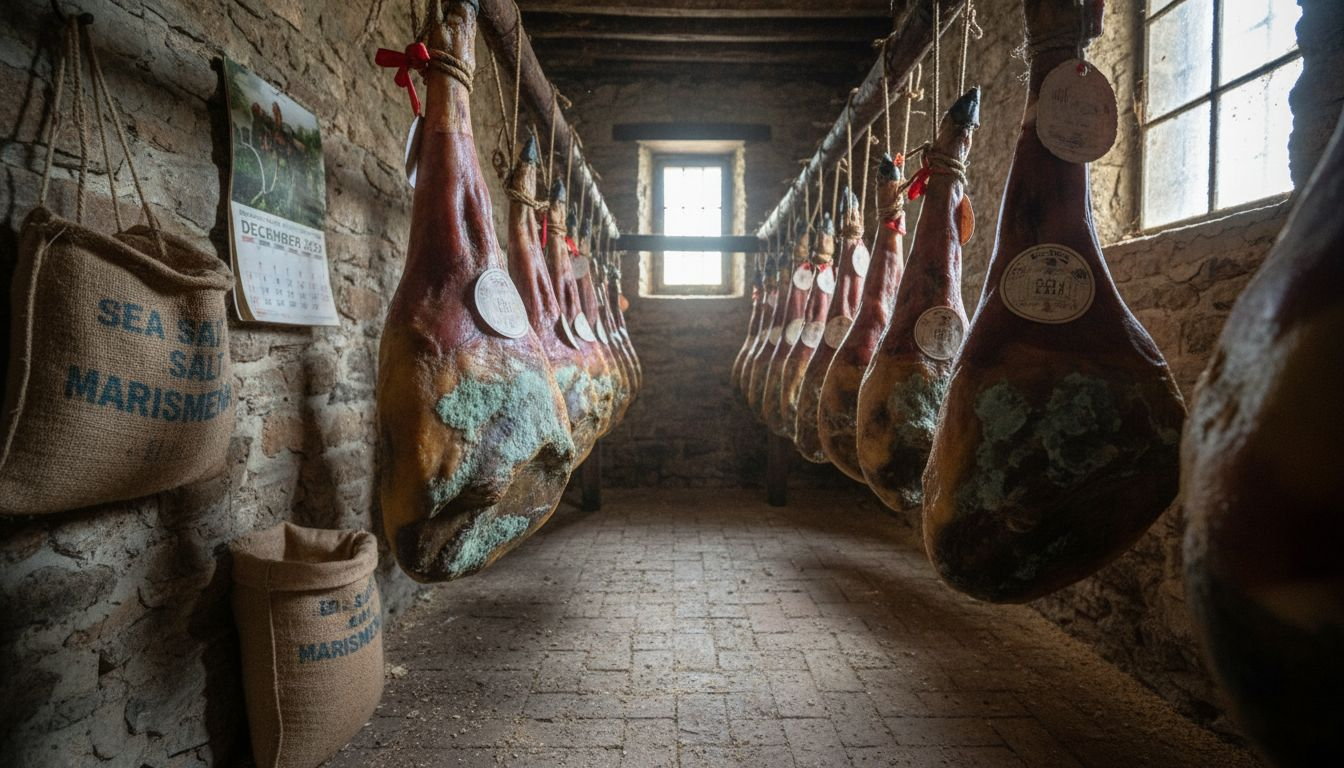
After salting comes washing, where artisans rinse away excess salt under cool water, preparing the meat for the next phase. The ham then enters the drying stage, where the art of mountain air curing becomes paramount. Cool winters and warm, dry summers in Spanish mountain regions create ideal conditions for gradual moisture loss. This natural climate variation, developed over centuries of tradition, cannot be replicated artificially. Temperature fluctuations trigger complex biochemical changes that develop the ham’s signature flavour and texture.
The aging process extends from several months to well beyond a year, transforming muscle fibres and fats through enzymatic breakdown. During this prolonged maturation, proteins decompose into amino acids, creating those deeply savoury, umami-rich notes that define exceptional serrano. The meat’s texture becomes silkier, almost melting on your palate. This is where patience yields extraordinary results that no shortcut manufacturing process can achieve.
Quality serrano delivers remarkable nutritional benefits aligned with Mediterranean diet principles. The curing process concentrates rich protein content, essential minerals including iron and zinc, and B vitamins vital for metabolic function. The extended aging also reduces moisture significantly, which intensifies flavour whilst creating a shelf-stable product that maintains integrity far longer than fresh pork.
Discerning collectors notice that serrano’s colour deepens over longer aging periods, shifting from bright pink towards deeper burgundy tones. The fat marbling develops a golden hue, indicating proper oxidation and flavour development. These visual markers tell you immediately whether you’re holding a 12-month ham or a premium 36-month version. Smell provides another clue. Properly cured serrano releases subtle aromas of nuts, forest floor, and aged leather rather than anything overly pungent.
Pro tip: Store your jamón serrano in cool, dark conditions between 15 and 20 degrees Celsius, and slice it only shortly before serving to preserve its delicate flavour profile and prevent premature oxidation.
Types of Jamón Serrano and Grading
Jamón serrano isn’t a single product. The category encompasses several distinct types, each defined by curing duration and the resulting flavour intensity. Understanding these classifications helps you select precisely what matches your palate and intended use. The grading system reflects both objective measures like ageing time and subjective assessments of flavour and texture that only experienced tasters can properly evaluate.
The most common commercial classifications begin with Bodega serrano, aged approximately 9 months. This entry-level offering delivers genuine serrano character without the intensity of longer-aged versions. The meat remains relatively tender, with flavour that’s savoury yet approachable for those discovering Spanish cured ham. Next comes Reserva, typically aged around 12 months, offering noticeably deeper complexity. The flavour becomes more concentrated, and the texture firms slightly, creating a more sophisticated eating experience that discerning collectors genuinely appreciate.
At the premium end sits Gran Reserva serrano, aged 15 months or longer. These hams represent the pinnacle of traditional serrano production. Extended ageing transforms the meat dramatically, intensifying umami notes whilst the texture becomes almost crystalline in its delicacy. The colour deepens significantly, and fat marbling develops golden tones indicating perfect oxidation. Beyond these standard categories, regional designations and producer reputation create additional differentiation.
The following table summarises the main types of jamón serrano by ageing time and key attributes:
| Type | Typical Ageing | Flavour Intensity | Ideal Use Case |
|---|---|---|---|
| Bodega | ~9 months | Gentle, approachable | Everyday eating, sandwiches |
| Reserva | ~12 months | Deeper, more complex | Tapas, entertaining |
| Gran Reserva | 15+ months | Intense, nuanced | Special occasions, gifting |
Quality grading extends beyond simple time measurements. Factors such as pig breed and diet influence final classification, alongside organoleptic assessment of colour, aroma, and taste. The hind leg (jamón serrano proper) commands premium prices compared to the front leg (paleta serrana) because it yields larger slices and superior meat proportion. Both come from white pig breeds, maintaining the serrano designation, yet structural differences make the hind leg significantly more valuable for slicing and presentation.
Additional quality indicators matter to serious enthusiasts. The pig’s feed composition, whether grazing or grain-supplemented, affects marbling and flavour nuance. Production region influences terroir, with certain Spanish areas becoming synonymous with exceptional serrano. The natural curing environment, temperature stability, and humidity control during ageing all leave measurable impressions on the final product. These combined factors create grading systems that separate exceptional serrano from merely acceptable alternatives.
Insider tip: When evaluating serrano grades, prioritise 12 to 15 month aged versions, which offer superior flavour development without the excessive drying that sometimes occurs beyond 24 months, ensuring optimal eating pleasure and better value.
How Jamón Serrano Differs From Ibérico Ham
At first glance, jamón serrano and jamón ibérico might seem interchangeable to casual observers. Both are Spanish cured hams with deep cultural significance and centuries of tradition behind them. Yet the differences are profound and matter enormously to anyone serious about understanding Spanish charcuterie. These distinctions begin with the pig itself and cascade through every subsequent stage of production.
The fundamental difference starts with breed selection. Jamón serrano comes exclusively from white pig varieties, typically Landrace or Large White breeds. Jamón ibérico, conversely, uses the black Iberian pig, an ancient breed indigenous to the Iberian Peninsula. This single distinction shapes everything that follows. The Iberian pig’s genetics predispose it toward intramuscular fat marbling, whilst white pigs develop leaner muscle tissue. This biological reality creates vastly different eating experiences, even before any curing begins.
Diet compounds these breed differences dramatically. Premium ibérico pigs, particularly those designated as Pata Negra, spend their final months grazing on acorns in dehesa forests, which infuses their meat with distinctive nutty, complex flavours. Serrano pigs typically consume grain and standard feed, creating a cleaner, less ornate flavour profile. The acorn diet fundamentally transforms ibérico’s taste and fat composition, whilst serrano remains more straightforward and approachable.
Curing duration tells another story. Serrano typically ages 6 to 18 months, producing a leaner, firmer texture with pronounced saltiness. Ibérico hams cure substantially longer, often reaching 24 to 36 months or beyond. This extended ageing intensifies ibérico’s complexity, developing those buttery, melting qualities that command premium prices globally. Serrano’s shorter timeline preserves a certain crispness and clarity of flavour that contrasts sharply with ibérico’s luxurious richness.
Texture differences become immediately apparent once you taste both. Serrano slices cleanly, maintaining structural integrity on your palate before dissolving into savoury notes. Ibérico literally melts, releasing fat and umami simultaneously in an almost decadent experience. The colour varies too. Serrano appears brighter pink with white fat lines, whilst ibérico develops deeper burgundy hues with golden, almost translucent fat that glistens.
Price reflects these distinctions. Serrano represents exceptional value, delivering authentic Spanish ham character without the premium cost. Ibérico commands luxury pricing because every element, from genetics to acorn feeding to extended ageing, concentrates into extraordinary flavour. Neither supersedes the other. They occupy different categories entirely, each perfect for distinct occasions and purposes.
To clarify the distinctions between jamón serrano and jamón ibérico, here is a concise comparison:
| Aspect | Jamón Serrano | Jamón Ibérico |
|---|---|---|
| Pig Breed | White pig (e.g., Landrace) | Black Iberian pig |
| Typical Diet | Grain and standard feed | Acorns and pasture (premium grades) |
| Curing Duration | 6 to 18 months | 24 to 36 months or longer |
| Flavour Profile | Lean, savoury, mild character | Rich, buttery, nutty complexity |
| Texture | Firm, slices cleanly | Tender, melts in the mouth |
| Price Range | Moderate | Premium/luxury |
Insider tip: Sample both serrano and ibérico side by side to understand their differences firsthand, allowing your palate to distinguish between serrano’s clean, savoury character and ibérico’s buttery, complex luxury in direct comparison.
Buying, Storing, and Serving Advice
Purchasing jamón serrano demands strategic thinking if you want to experience it at its finest. Whole hams represent the gold standard because they preserve quality far longer than pre-sliced alternatives. When you buy a whole leg, you control the timing of exposure to air, maintaining the ham’s integrity until the moment you slice it. Vacuum-sealed pre-sliced packs offer convenience, yet they sacrifice freshness compared to meat carved directly from a whole ham. The difference becomes obvious the moment you taste both side by side.
If purchasing whole serrano seems impractical, seek freshly sliced options from specialised retailers rather than supermarket pre-packs. Quality sellers slice to order, meaning your ham reaches you days after cutting rather than weeks. Ask about the ham’s origin, curing duration, and when it was sliced. These details tell you whether you’re getting something exceptional or merely adequate. Reputable sellers happily share this information because they’re proud of their products.
Storage requires cool, dry conditions to prevent deterioration and flavour loss. Ideally, maintain temperatures between 15 and 20 degrees Celsius with moderate humidity. If you’ve purchased a whole ham, keep it wrapped in its original paper until slicing, which protects the meat whilst allowing subtle air circulation. Once cut, consume jamón relatively quickly because exposed surfaces oxidise and dry out. Refrigeration extends shelf life but alters flavour, so remove jamón from cold storage 30 minutes before serving.
Serving temperature matters profoundly. Room temperature allows the ham’s aromatic compounds and textural nuances to shine brilliantly. Cold jamón tastes muted and rubbery by comparison. Serve paper-thin slices, either alone as tapas or accompanied by good bread, cured cheese, or quality olives. Spanish tradition pairs serrano with regional wines and sherries, though modern pairings extend far beyond. A crisp white wine, aged sherry, or even craft beer complements serrano’s savoury character beautifully.
Presentation elevates the experience significantly. Arrange slices slightly overlapping on a white plate to showcase their colour and marbling. Drizzle sparingly with premium extra virgin olive oil if desired, though many purists prefer jamón entirely unadorned. The ritual of slicing slowly, admiring the ham’s character, then savouring each piece deliberately transforms eating into genuine appreciation. This mindful approach reveals qualities that rushed consumption obscures entirely.
Consejo profesional: Purchase whole jamón serrano from specialist retailers and slice it yourself as needed, storing the remainder wrapped in original paper at 15 to 20 degrees Celsius, ensuring you taste the ham at peak freshness and full flavour intensity.
Discover the Authentic Flavours Beyond Jamón Serrano
Understanding what makes jamón serrano unique reveals the rich tradition and care behind Spanish cured hams. If you appreciate the meticulous curing processes and the distinct character of white pig breeds, why not explore the next level of ham excellence? At 7 Bellotas, we specialise in premium Iberico hams that elevate your tasting experience to unmatched luxury, crafted with the same passion for artisanal quality and traditional methods that define Spain’s curing heritage.
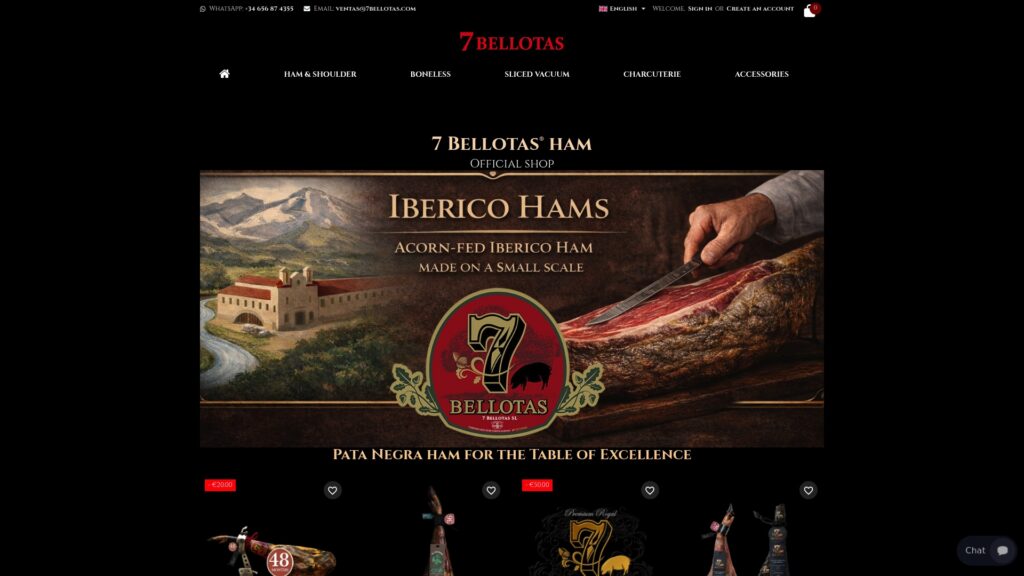
Celebrate the art of true Spanish ham by visiting 7 Bellotas today. Whether you seek whole hams, freshly sliced portions, or vacuum-packed delights, our carefully aged Iberico selections promise incomparable flavour and texture. Taste the difference of genuine Pata Negra, perfected through natural ageing and acorn-fed pigs. Don’t settle for less when you can savour the finest. Explore our premium cured meats and bring the authentic essence of Spain directly to your table now.
Frequently Asked Questions
What is jamón serrano?
Jamón serrano is dry-cured Spanish ham made exclusively from white pig breeds. It is characterised by its savoury flavour and firm texture, developed through a meticulous air-drying process that can last from 6 to 36 months.
How does jamón serrano differ from jamón ibérico?
The main difference lies in the breed of pig used; jamón serrano is derived from white pigs while jamón ibérico comes from the black Iberian pig. This distinction affects the flavour profile, fat content, and texture, with ibérico being richer and more buttery compared to the milder, leaner serrano.
What are the ideal storage conditions for jamón serrano?
Jamón serrano should be stored in cool, dark conditions, ideally at temperatures between 15 to 20 degrees Celsius. After slicing, it is best consumed relatively quickly to maintain its flavour, and should not be refrigerated, as this alters the taste.
What are the different types of jamón serrano?
Jamón serrano is classified into various types based on ageing duration: Bodega (around 9 months), Reserva (approximately 12 months), and Gran Reserva (15 months or longer). Each type presents a different intensity of flavour and textural qualities suitable for various culinary uses.