Selecting the best Iberico ham can leave you overwhelmed with unfamiliar terms and confusing labels. Decoding what makes this delicacy truly special is not as simple as it looks, especially when so much depends on the pig’s breed, diet, and ageing process. To fully experience the remarkable taste and quality for which Iberico ham is known, you need to recognise key details that set authentic ham apart from the rest.
This guide will walk you through the essential factors every buyer and enthusiast should know, from understanding the Iberian pig’s unique origins to the traditional curing methods that shape its flavour. Discover practical tips and expert secrets that make a real difference, so you can confidently choose, store, slice, and serve Iberico ham at its best. Get ready for clear and actionable insights that will take your appreciation—and enjoyment—of this Spanish treasure to a new level.
Table of Contents
- 1. Understanding The Iberico Pig Breed Origins
- 2. The Importance Of Acorn-Fed Diet In Flavour
- 3. Traditional Curing Methods And Ageing Times
- 4. Identifying Quality Grades And Labelling
- 5. Optimal Slicing Techniques For Maximum Aroma
- 6. Ideal Storage And Serving Temperatures
- 7. Pairing Jamon Iberico With Foods And Wines
Quick Summary
| Takeaway | Explanation |
|---|---|
| 1. Iberico pigs have unique genetic traits. | They are descended from Mediterranean wild boar and adapted to the Iberian Peninsula’s environment. |
| 2. Acorn-fed diet enhances flavour. | Pigs consuming acorns develop tender meat with a rich umami taste, ideal for high-quality Iberico ham. |
| 3. Curing process affects flavour complexity. | The time-intensive curing enhances the ham’s depth of flavour, with longer ageing times yielding more intense taste. |
| 4. Understanding quality grades is essential. | Different grades indicate the pig’s diet and breeding, influencing the ham’s quality and flavour. |
| 5. Proper slicing and serving temperatures enhance taste. | Thin slicing and serving at room temperature optimise flavour release, highlighting the ham’s sensory qualities. |
1. Understanding the Iberico Pig Breed Origins
The Iberian pig represents a remarkable agricultural heritage deeply rooted in the Iberian Peninsula’s unique ecosystem. This extraordinary breed stands apart from other pig varieties through its distinctive genetic lineage and remarkable adaptation to local environments.
Originating from the Mediterranean wild boar, the Iberian pig has developed extraordinary characteristics over centuries of selective breeding. Genetic studies of Iberian pigs reveal a fascinating narrative of biological resilience and agricultural evolution.
Key characteristics of the Iberian pig include:
- Descended from Mediterranean wild boar species
- Morphologically distinct from commercial pig breeds
- Adapted to challenging terrains of the Iberian Peninsula
- Genetically unique bloodline with ancient origins
The Iberian pig represents more than just a livestock breed. It is a living testament to Spanish agricultural tradition and ecological adaptation.
Interestingly, the breed’s genetic significance extends beyond the Iberian Peninsula. Historical genetic research demonstrates that Iberian pigs played a crucial role in establishing American Criollo pig populations following the late 15th-century transatlantic migrations.
Pro tip: When selecting Iberico ham, understand that the pig’s genetic heritage directly influences the meat’s flavour profile and quality.
2. The Importance of Acorn-Fed Diet in Flavour
The acorn-fed diet represents a culinary secret that transforms the Iberico pig from an ordinary livestock breed into a gastronomic legend. This unique nutritional approach creates a flavour profile so extraordinary that it elevates Iberico ham from mere meat to a gourmet delicacy.
The process of acorn feeding involves allowing Iberico pigs to roam freely in dehesa landscapes, consuming fallen acorns from cork and holm oak trees. This natural diet profoundly influences the meat’s characteristics through several remarkable mechanisms:
- Develops intense marbling in the meat
- Increases healthy monounsaturated fat content
- Creates a distinctive nutty flavour profile
- Produces exceptionally tender meat texture
The acorn diet is not just nutrition. It is a centuries-old tradition that shapes the essence of Iberico ham.
During the montanera season (autumn and winter), Iberico pigs can consume up to 10 kilograms of acorns daily. This diet dramatically transforms the meat’s fat composition and flavour, creating the signature rich umami taste that distinguishes premium Iberico ham.
Pro tip: When selecting Iberico ham, look for descriptions mentioning “bellota” or “acorn-fed” as an indicator of superior flavour and quality.
3. Traditional Curing Methods and Ageing Times
The art of curing Iberico ham represents a delicate dance between time, environment, and centuries-old craftsmanship. Sensory properties of Iberian ham are profoundly influenced by the intricate curing process that transforms raw meat into a gourmet delicacy.
Traditional curing involves a meticulous sequence of stages that can span several years, creating a complex flavour profile unmatched by other cured meats:
- Initial salting phase lasting 1-2 weeks
- Resting period to distribute salt evenly
- Hanging in controlled temperature and humidity environments
- Gradual drying and maturation process
- Final ageing in natural drying rooms
The magic of Iberico ham lies not just in its ingredients, but in the patient transformation through time and expertise.
Ageing times vary significantly depending on the ham’s classification. Short-cured hams typically mature for 12-18 months, while premium selections can age for 36 to 48 months or even longer. Each additional month of ageing intensifies the ham’s depth of flavour and develops more complex aromatic notes.
Environmental conditions play a crucial role in the curing process. Temperature and humidity must be carefully controlled to ensure the ham develops its characteristic texture and rich flavour without spoilage.
Pro tip: Learn to read the label carefully. Longer ageing times typically indicate more intense flavour and higher quality in Iberico ham.
4. Identifying Quality Grades and Labelling
Navigation of Iberico ham quality requires understanding the intricate grading system that distinguishes these premium cured meats. The labelling process reflects the pig’s lineage dietary conditions and production standards.
Iberico ham is classified into four primary quality grades:
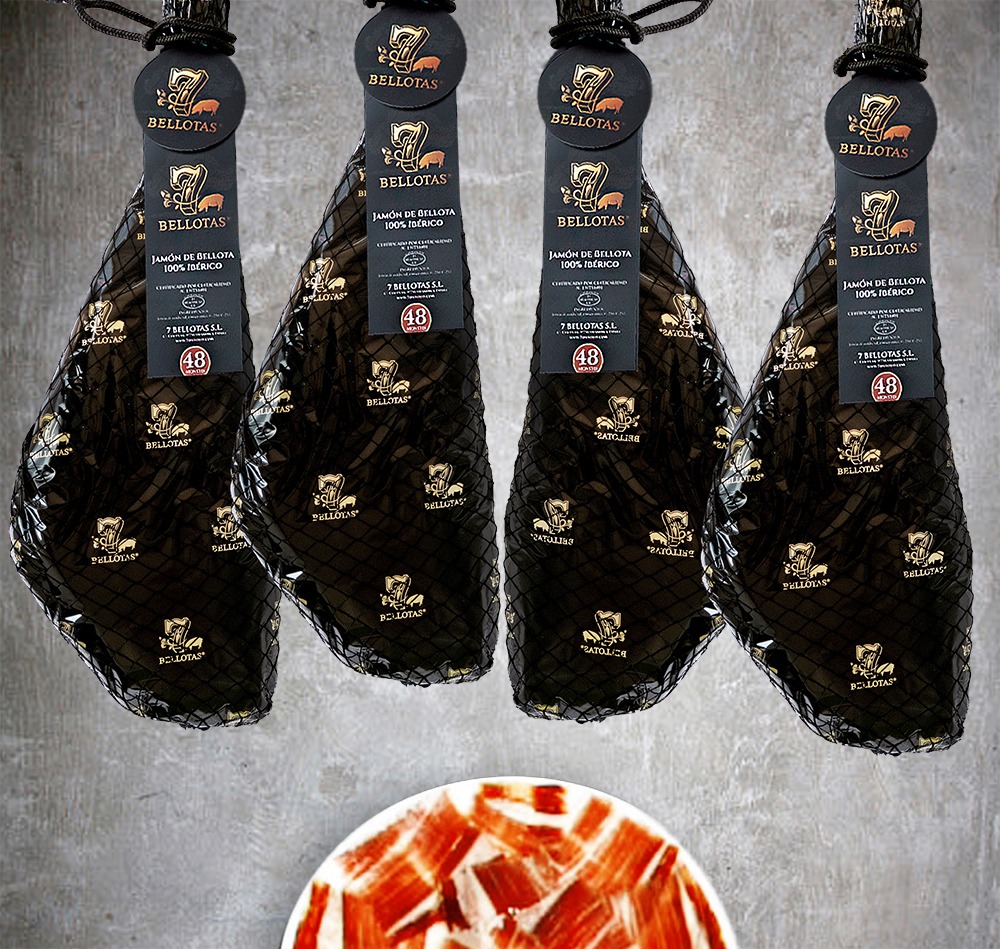
- Bellota 100% Ibérico: Pure breed pigs exclusively fed acorns
- Bellota Ibérico: Mixed breed pigs fed acorns
- Cebo de Campo: Free-range pigs with supplementary feed
- Cebo: Grain-fed pigs raised in standard conditions
The label reveals more than just marketing. It is a passport to understanding the ham’s entire provenance and quality.
The colour-coded labelling system provides critical information for discerning consumers. Black labels indicate the highest quality (pure breed acorn-fed), while white labels represent standard production methods.
Key factors influencing classification include:
- Genetic purity of the pig breed
- Diet during the finishing period
- Rearing conditions
- Total percentage of Iberian pig genetics
Pro tip: Always examine the label carefully and look for the black label if you are seeking the most authentic and premium Iberico ham experience.
5. Optimal Slicing Techniques for Maximum Aroma
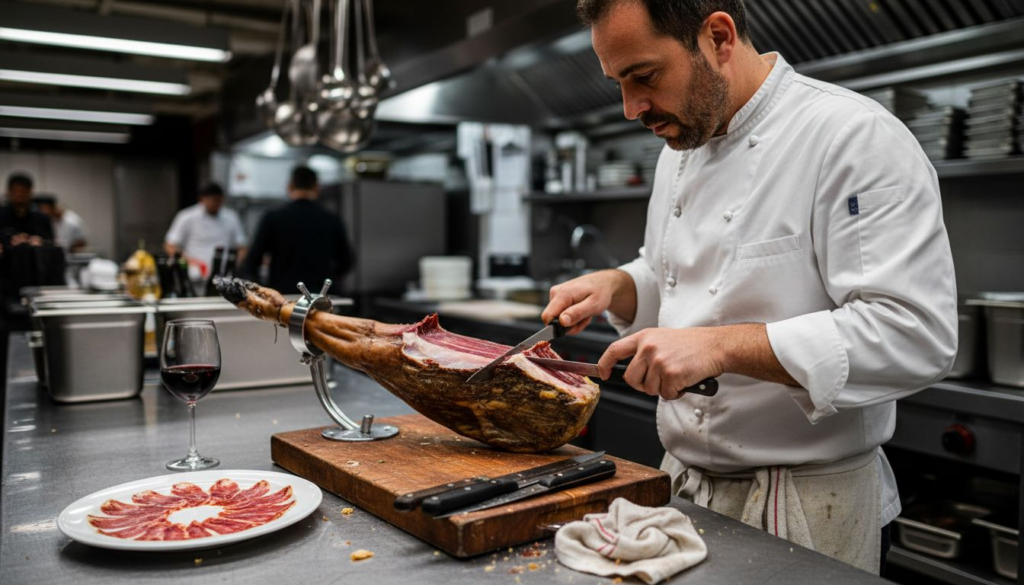
Slicing Iberico ham is an art form that transforms an exceptional product into an extraordinary culinary experience. Precision cutting determines how the ham releases its complex layers of flavour and aroma.
The essential tools for perfect slicing include:
- Sharp, long-bladed knife
- Professional ham stand (jamonero)
- Thin, flexible slicing blade
- Protective gloves
Mastering the slice is about respecting the ham’s intricate structure and preserving its delicate sensory profile.
Optimal slicing techniques require specific steps:
- Position ham at a 45-degree angle on the stand
- Begin with the meatier areas first
- Slice in thin, translucent pieces
- Cut against the natural muscle grain
- Aim for pieces no thicker than 2 millimetres
The goal is to create paper-thin translucent slices that practically melt on the tongue. Each slice should be delicate enough to see through yet substantial enough to capture the ham’s rich flavour profile.
Pro tip: Allow the ham to reach room temperature before slicing to ensure maximum flavour release and optimal texture.
6. Ideal Storage and Serving Temperatures
Preserving the exquisite qualities of Iberico ham requires understanding its precise temperature sensitivities. Temperature management is crucial for maintaining the ham’s delicate flavour profile and textural integrity.
Key temperature considerations include:
- Whole ham storage at 10-15°C
- Refrigeration only when absolutely necessary
- Avoiding direct sunlight and heat sources
- Maintaining consistent humidity levels
Temperature is not just a number. It is the guardian of your ham’s sensory experience.
Serving temperature recommendations:
- Remove from refrigeration 1-2 hours before serving
- Allow ham to reach room temperature naturally
- Slice just before consumption
- Serve on a clean wooden or ceramic board
The ideal serving temperature sits between 18-22 degrees Celsius. At this range, the ham’s intricate fat molecules begin to melt subtly releasing their full aromatic potential and creating that signature melt-in-your-mouth texture.
Improper storage can dramatically compromise the ham’s quality by affecting its fat composition and flavour complexity. Dramatic temperature fluctuations will compromise the delicate marbling that makes Iberico ham so prized.
Pro tip: Invest in a small kitchen thermometer to monitor ambient temperatures and ensure your Iberico ham remains in its optimal flavour zone.
7. Pairing Jamon Iberico with Foods and Wines
Pairing Iberico ham requires understanding its complex flavour profile and knowing which accompaniments will elevate rather than overwhelm its delicate characteristics. Premium Iberico selections demand thoughtful culinary companions that complement its rich umami notes.
Ideal wine pairings include:
- Crianza red wines
- Dry sherry (Fino or Manzanilla)
- Light-bodied Tempranillo
- Aged Rioja
The perfect pairing transforms Iberico ham from a delicacy into a transcendent gastronomic experience.
Culinary companions that enhance Iberico ham:
- Manchego cheese
- Roasted Marcona almonds
- Fresh crusty sourdough bread
- Olive oil drizzled tomato bruschetta
- Pickled green olives
The ham’s intricate fat marbling means it requires wines with balanced acidity and moderate tannins. Avoid overly robust or tannic wines that will mask the ham’s nuanced flavours.
Pro tip: Serve Iberico ham at room temperature and allow both wine and ham to breathe for 10-15 minutes before serving to maximise flavour complexity.
Below is a comprehensive table summarising the key aspects and information about Iberico pigs, their diet, curing processes, quality grading, and related practices as discussed in the article.
| Category | Details | Significance |
|---|---|---|
| Iberico Pig Breed Origins | Iberico pigs originate from the Mediterranean wild boar and are adapted to the Iberian Peninsula. | Their genetic uniqueness contributes to exceptional meat quality. |
| Acorn-fed Diet | Pigs consume acorns during the montanera season, enhancing flavour and texture. | Creates tender texture and a nutty flavour. |
| Curing and Ageing | Traditional methods involve salting and ageing for up to 48 months. | These methods develop a complex flavour profile. |
| Quality Grading | Grading includes Bellota 100% Ibérico, Bellota Ibérico, Cebo de Campo, and Cebo. | Indicates the pig’s diet and genetic purity. |
| Optimal Slicing Techniques | Use thin, translucent slices and proper cutting tools. | Preserves the ham’s intricate flavour and aroma. |
| Storage and Serving Conditions | Store at controlled temperatures; serve at room temperature. | Maintains the ham’s quality and sensory richness. |
| Food and Wine Pairings | Pair with wines like Rioja and accompaniments like Manchego cheese. | Elevates the gastronomic experience of Iberico ham. |
Discover Authentic Iberico Excellence with 7 Bellotas
Unlock the secrets behind premium Iberico ham with expert knowledge about the Iberian pig’s unique genetics and traditional acorn-fed diet. If you are passionate about sourcing the finest Bellota 100% Ibérico ham aged to perfection, 7 Bellotas offers an exclusive range crafted through centuries-old curing methods. Experience the rich flavours only true artisanal curing and precise ageing can deliver.
Elevate your culinary creations today by exploring our collection of exquisitely cured Iberico ham and gourmet pork products. Visit 7 Bellotas to select your ideal aged ham or delicately sliced portions. Learn why our natural, small-scale production methods stand apart and bring authentic Spanish heritage direct to your kitchen. Do not miss the chance to impress with the ultimate in luxury cured meats – start your gourmet journey now at 7 Bellotas.
Explore the artistry behind each ham with insights on traditional curing methods and understand quality classifications for informed selection at 7 Bellotas. Your pathway to Iberico perfection begins here.
Frequently Asked Questions
What are the origins of Jamon Iberico and why does it matter for chefs?
Jamon Iberico originates from the Iberian pig breed, known for its unique genetic lineage and adaptation. Understanding its origins can help chefs appreciate the flavour complexities and cultural significance that enhance their culinary creations.
How does the acorn-fed diet impact the flavour of Jamon Iberico?
The acorn-fed diet of Iberico pigs significantly enhances the meat’s marbling and nutty flavour profile. Chefs should consider incorporating dishes that highlight these flavour nuances, utilising terms like ‘bellota’ to indicate quality.
What are the key stages of curing Jamon Iberico that chefs should be aware of?
Jamon Iberico undergoes a meticulous curing process that can last from 12 to 48 months, depending on the classification. Chefs should experiment with varying ageing times to discover the depth of flavour each brings to their dishes.
How can chefs identify the quality grades of Jamon Iberico for their menus?
Jamon Iberico is classified into four main grades, with ‘Bellota 100% Ibérico’ being the highest. Chefs should ensure to choose the appropriate grade to match the expected flavour profile and enhance the overall dining experience.
What is the optimal temperature for slicing and serving Jamon Iberico?
Jamon Iberico should ideally be served at a temperature between 18-22 degrees Celsius to maximise its flavour. Ensure to plan for this by taking the ham out of refrigeration 1-2 hours before serving for the best taste experience.
Which foods and wines pair well with Jamon Iberico in a professional kitchen?
Jamon Iberico pairs excellently with wines like Crianza red and foods such as Manchego cheese or crusty sourdough bread. Chefs should experiment with these pairings while serving the ham at room temperature for enhanced flavour complexity.