Spain is a land of warmth, family, and timeless traditions. Few things embody this spirit more than Iberico ham, a delicacy that has become a centerpiece of Spanish holiday celebrations. This blog explores the cultural richness of Spanish family rituals, the role of Iberico ham in festive gatherings, and the enduring traditions that make Spain’s holidays unforgettable.
The Heart of Spanish Holiday Traditions
Spanish holidays are not just dates on the calendar—they are living rituals that bring families together. From Christmas Eve (Nochebuena) to Three Kings Day (Día de los Reyes Magos), every celebration is infused with joy, music, and food. At the center of these gatherings is the dining table, where Iberico ham often takes pride of place.
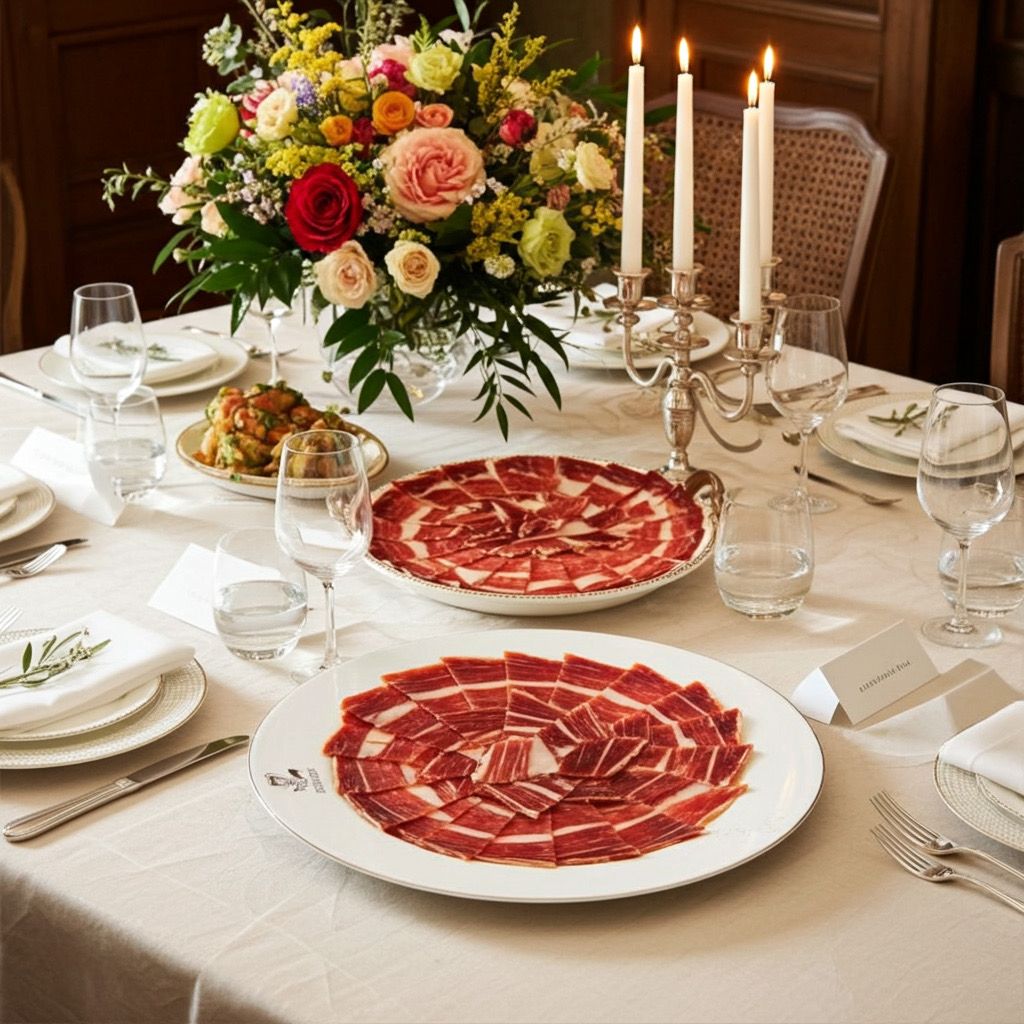
- Families gather around platters of thinly sliced Iberico ham, sharing stories and laughter.
- The ham is often paired with Manchego cheese, rustic bread, and Spanish wines.
- These meals are not rushed; they are slow, deliberate, and filled with warmth.
Iberico Ham: A Culinary Treasure
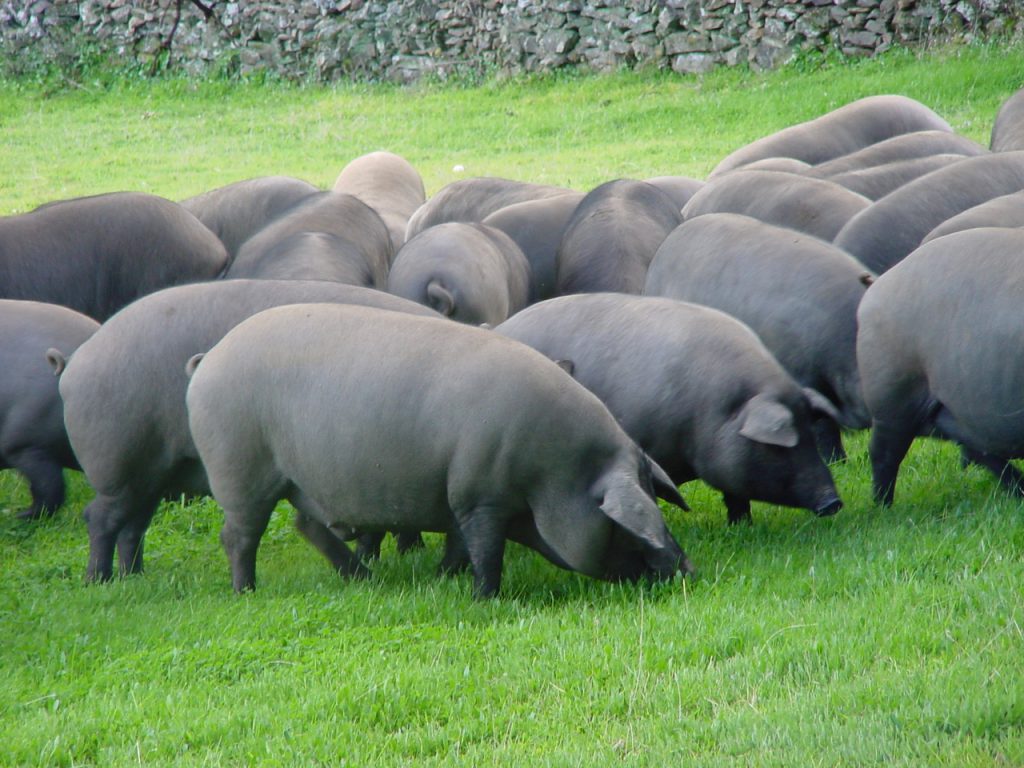
Iberico ham, known as Jamón Ibérico, is more than food—it is heritage. Produced from free-range Iberian pigs that feed on acorns, this ham is cured for years to achieve its rich, nutty flavor.
Why Iberico Ham is Special
- Unique flavor profile: Nutty, savory, and melt-in-your-mouth texture.
- Artisanal process: Traditional curing methods passed down through generations.
- Symbol of celebration: Reserved for holidays, weddings, and family milestones.
For those looking to bring this tradition home, Iberico ham is available at select places to buy, including trusted shops like 7Bellotas.
Family Rituals Around the Table
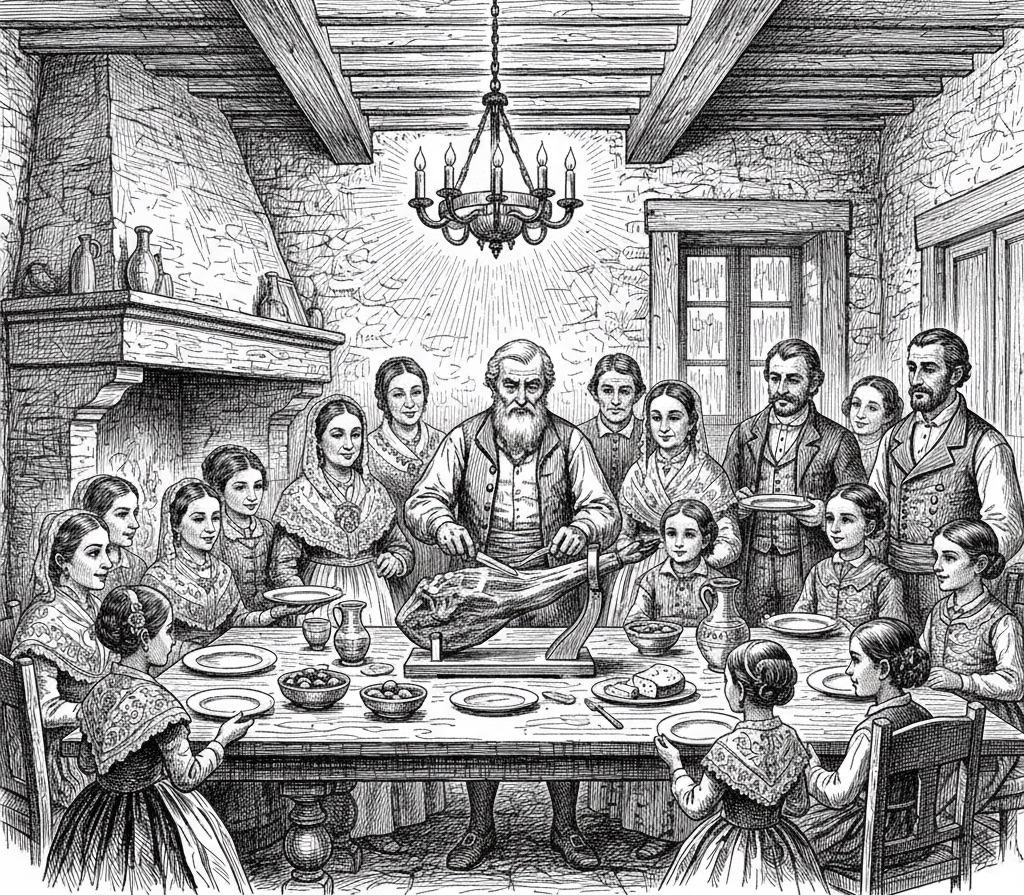
Spanish family rituals are deeply tied to food. Iberico ham is not simply served—it is presented with ceremony.
The Ritual of Slicing
- A skilled family member, often the host, slices the ham with precision.
- Each slice is paper-thin, showcasing the marbling and aroma.
- Guests savor the ham slowly, appreciating its craftsmanship.
Shared Traditions
- Children learn the importance of patience and respect for tradition.
- Elders pass down stories of past holidays, weaving memory into the meal.
- Toasts with cava or Rioja wine mark the beginning of the feast.
Holiday Celebrations in Spain
Christmas Eve (Nochebuena)
Families gather for a grand dinner, often featuring Iberico ham as the opening dish. The meal may include roasted lamb, seafood, and turrón (nougat).
New Year’s Eve (Nochevieja)
At midnight, Spaniards eat twelve grapes—one for each stroke of the clock—to bring luck for the year ahead. Iberico ham is enjoyed throughout the evening, paired with sparkling wine.
Three Kings Day (Día de los Reyes Magos)
Children receive gifts from the Three Kings, and families share Roscón de Reyes, a sweet bread ring. Iberico ham often accompanies the breakfast or brunch spread.
The Warmth of Spanish Hospitality
Hospitality is central to Spanish culture. Guests are treated like family, and food is the language of love. Iberico ham embodies this warmth, offering a taste of Spain’s generosity.
- Visitors are welcomed with a plate of ham and a glass of wine.
- Sharing food is seen as sharing life itself.
- The act of gathering around the table strengthens bonds across generations.
Iberico Ham Beyond the Holidays
While Iberico ham shines during holidays, it is also enjoyed year-round. Birthdays, anniversaries, and casual Sunday lunches often feature this delicacy. Its versatility makes it a staple of Spanish cuisine.
- Served with tapas in local bars.
- Paired with olives, almonds, and sherry.
- Incorporated into modern recipes, blending tradition with innovation.
Paleta Ibérica Explained: Spanish Delicacy for Connoisseurs
Paleta Ibérica, premium Spanish cured pork, explored—definition, types, acorn-feeding, ageing, tasting notes, price factors. For gourmet enthusiasts.
Frequently Asked Questions
What makes Iberico ham different from Serrano ham?
Iberico ham comes from Iberian pigs and has a richer, nutty flavor, while Serrano ham is milder.
How long is Iberico ham cured?
Depending on the type, it can be cured from 24 to 48 months, creating its complex taste.
Is Iberico ham healthy?
Yes, it contains healthy fats similar to olive oil, along with protein and essential nutrients.
How should Iberico ham be stored?
Keep it in a cool, dry place and cover the cut surface with plastic wrap or a slice of fat.
Can Iberico ham be paired with wine?
Absolutely—Rioja, cava, and sherry are traditional pairings that enhance its flavor.
Why is Iberico ham associated with holidays?
Its rarity and cost make it a special-occasion food, symbolizing celebration and family unity.
Where can I buy authentic Iberico ham?
You can find it at specialty shops, including 7Bellotas, which offers premium selections.
How should Iberico ham be sliced?
Use a sharp jamonero knife to cut thin slices, always against the grain for best texture.
Final Thoughts
Spanish holidays are a tapestry of family, tradition, and flavor. At the heart of these celebrations lies Iberico ham, a delicacy that embodies cultural warmth and shared rituals. Whether enjoyed on Christmas Eve, New Year’s, or Three Kings Day, Iberico ham connects generations and preserves Spain’s culinary heritage.
Bringing Iberico ham into your own celebrations is more than tasting a delicacy—it is embracing a tradition of love, hospitality, and joy. For those who wish to experience this cultural treasure firsthand, 7Bellotas offers authentic Iberico ham that carries the spirit of Spain straight to your table.