Trying to make sense of Iberico ham labels can leave you questioning what truly matters for a tasting experience. Whether you are hosting guests or treating yourself, the world of Iberico ham is known for its intricate differences in breed, feeding methods, and ageing periods that directly shape the final flavour and texture. Without the right know-how, it is easy to overlook the qualities that make this Spanish delicacy so prized.
This guide unpacks the most reliable ways to recognise and savour authentic Iberico ham at its very best. You will discover which traits guarantee a superior slice, how to interpret subtle visual and aromatic signs, and the steps for unlocking the full depth that only top-quality ham provides.
Simple, actionable insights await that will transform your confidence when approaching Iberico ham. Get ready to experience the richness and complexity that true connoisseurs appreciate.
Table of Contents
- 1. Select The Right Iberico Ham Variety For Tasting
- 2. Check The Ageing Period And Quality Grade First
- 3. Assess The Colour And Marbling Of Each Slice
- 4. Notice The Aroma And Initial Scent When Unwrapping
- 5. Master Proper Cutting And Presentation Techniques
- 6. Pair Iberico Ham With Complementary Foods And Drinks
- 7. Savour Slowly To Appreciate Texture And Flavour Layers
Quick Summary
| Takeaway | Explanation |
|---|---|
| 1. Choose a premium Iberico variety | Select 100% Iberian bellota ham for the best quality and flavour experience. |
| 2. Prioritise ageing duration | Look for hams aged over 36 months for maximum flavour complexity. |
| 3. Assess colour and marbling | A vibrant cherry red and fine marbling indicates high quality and proper feeding. |
| 4. Savour the aromas | Initial scents reveal quality; rich, nutty aromas indicate premium ham. |
| 5. Cut and present properly | Thin, uniform slices enhance flavour release; keep presentations minimal to highlight the ham. |
1. Select the Right Iberico Ham Variety for Tasting
Choosing the right Iberico ham is the foundation of an exceptional tasting experience. The variety you select will directly influence the flavour profile, texture, and overall quality of what reaches your palate. Unlike many food products where one option suits most situations, Iberico ham demands careful consideration of specific characteristics that distinguish premium selections from ordinary alternatives.
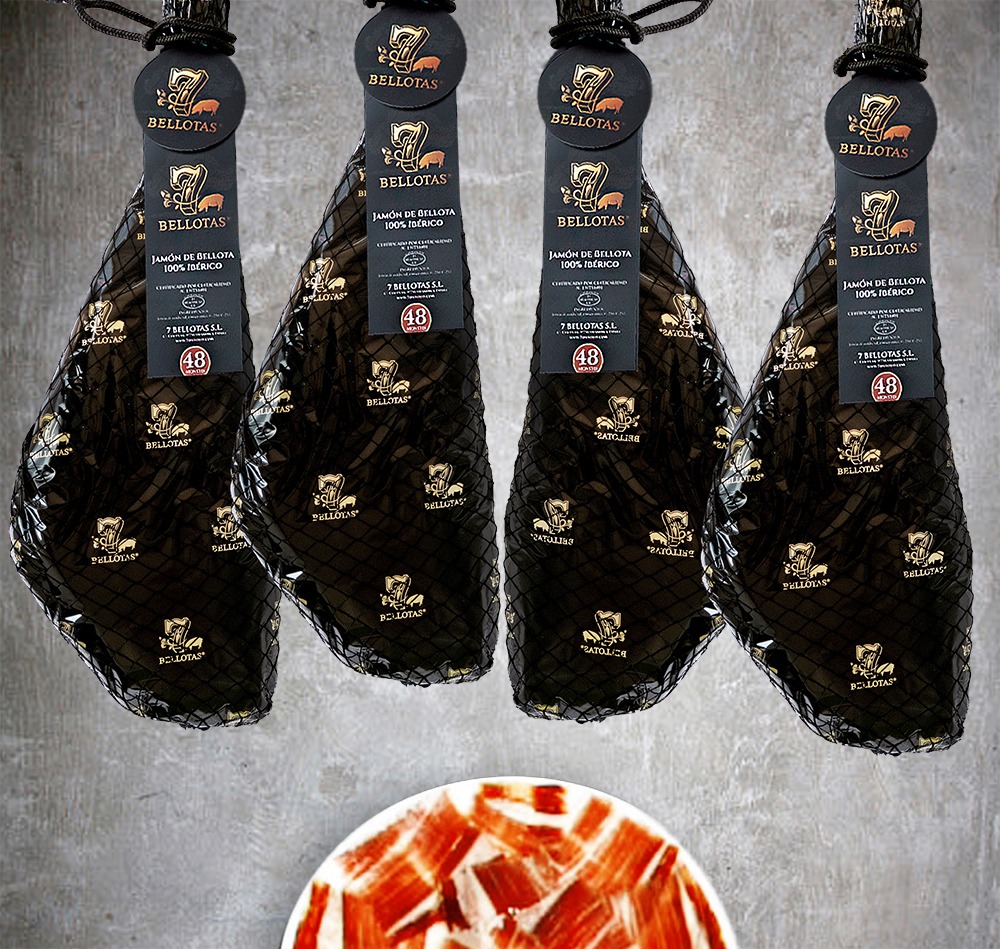
Understanding the key factors that define Iberico ham varieties starts with recognising the importance of breed purity and diet. The percentage of Iberian lineage significantly affects the ham’s quality and cost. Labels typically indicate whether your ham comes from 100% Iberian pigs (the most prized), 75% Iberian crosses, or 50% Iberian blends. More importantly, the pig’s feeding regimen creates the most noticeable differences in taste and texture. Pigs fed on acorns in the natural pastures called dehesa produce what’s known as bellota ham, delivering the most luxurious experience with a smooth, melt-in-mouth texture and subtle marbling throughout the meat. These acorn-fed pigs develop richer, more complex flavours that serious enthusiasts actively seek out. By contrast, pigs raised on grain and commercial feed (cebo) produce acceptable ham that’s more affordable but lacks the depth and finesse of bellota selections.
When you examine labels in detail, you’re reading a complete story about the ham’s origin and quality tier. The feeding method determines much of what you’ll experience. Jamón ibérico bellota represents the apex of this tradition, with acorns imparting a distinctly nutty undertone and creating fat that genuinely melts at room temperature. If you’re new to Iberico ham tasting, starting with a bellota selection allows you to experience what these hams can truly offer at their finest. The investment pays dividends through superior flavour and texture that make the experience genuinely memorable. For seasoned enthusiasts, understanding these varieties helps you select precisely what you want for specific occasions, whether you’re seeking maximum complexity or a more approachable introduction for your guests.
Pro tip: Start by tasting a 100% Iberian bellota ham first to establish a quality benchmark, then explore other varieties from there to truly understand how breed purity and diet create the flavour differences that separate premium selections from the rest.
2. Check the Ageing Period and Quality Grade First
The ageing period of your Iberico ham is perhaps the single most important factor determining what you’ll experience when you taste it. This isn’t simply about how long the ham has hung in a cellar, though that matters tremendously. The ageing period directly correlates to flavour complexity, texture refinement, and overall quality. Before you even consider purchasing or tasting, understanding what those numbers on the label actually mean will transform how you evaluate Iberico ham.
The journey from fresh pork to finished ham involves multiple distinct phases that together create the final product. The initial curing process lasts two to three weeks, where salt penetrates the meat and begins its transformation. This is followed by a drying phase spanning three to six months, during which moisture gradually leaves the ham and flavours start concentrating. The final and most critical phase is the ageing period, which can extend from six months to two years or even longer. This extended maturation allows complex chemical reactions to occur within the meat, breaking down proteins into amino acids that create those distinctive savoury, umami notes that distinguish exceptional ham from mediocre selections. Longer ageing produces increasingly delicate textures and layered flavour profiles that reward careful attention. The official quality grades are intrinsically linked to these timescales, with bellota hams aged for extended periods representing the pinnacle of the category.
When you’re evaluating a specific ham for tasting, look for labels that specify the exact ageing duration. Premium selections often display 36 months, 48 months, or even longer on their packaging. These extended periods represent significantly more expensive hams, but they offer flavours and textures that simply cannot be rushed. A ham aged 12 to 18 months offers good quality at a more accessible price point, whilst anything under 12 months generally indicates a more entry-level product. If you’re conducting a serious tasting session or building your collection, prioritise longer aged bellota hams. The investment yields returns in every bite, with complex layers of flavour that evolve as the ham warms on your palate. Understanding this relationship between time, chemistry, and quality means you’ll make informed choices that align perfectly with your expectations and preferences.
Pro tip: When comparing hams, prioritise ageing period over all other factors initially, as this single variable creates the most dramatic differences in taste and texture between selections.
3. Assess the Colour and Marbling of Each Slice
Your eyes tell you almost everything you need to know before you even taste a slice of Iberico ham. The colour and marbling pattern visible on each slice provide immediate visual cues about quality, age, and what flavour experience awaits. Learning to read these visual signals transforms you from a casual consumer into someone who can confidently evaluate ham quality at a glance.
The colour of premium Iberico ham should be a vibrant cherry red, not pale pink or dull brown. This bright reddish hue indicates proper curing, good age, and excellent quality. When you look at a freshly cut slice held up to light, that translucent quality combined with the rich red colour signals a ham that’s been properly aged and handled with care. The visual assessment extends beyond colour alone to the pattern of intramuscular fat throughout the meat. Marbling, the fine fat distribution within lean meat, should appear as delicate white or pale yellow streaks running throughout the red muscle. This isn’t random; in premium bellota hams, this marbling follows an even, consistent pattern that speaks to both the pig’s excellent diet and the skilled artistry of the producer. The finer and more evenly distributed this marbling appears, the higher the quality and the more tender and flavourful your tasting experience will be.
When you’re examining slices during a tasting session, look for hams where the colour remains consistently bright throughout the slice, from edge to centre. Uneven colouration or darker patches can indicate oxidation or improper storage. The marbling should appear fine rather than chunky, distributed across the entire slice rather than concentrated in one area. Hold the slice up to light and look through it. Premium hams often show a slightly translucent quality when back lit, revealing the fat distribution in a way that flat lighting cannot. This simple visual check eliminates guesswork from your selection process. You’re observing the direct results of proper ageing, optimal acorn feeding, and careful production methods all visible in that single slice.
Pro tip: Compare slices side by side whenever possible, placing them against a white background to evaluate colour intensity and holding them up to light to assess marbling distribution and translucence.
4. Notice the Aroma and Initial Scent when Unwrapping
Before your fork touches the plate or your teeth bite into a slice, your nose has already begun the tasting experience. The aroma that rises when you unwrap premium Iberico ham carries more information about quality and authenticity than you might initially realise. This initial scent serves as your first genuine preview of what the ham will deliver flavour wise, and learning to interpret these aromatic signals elevates your appreciation considerably.
The curing and ageing process creates complex aromas reflecting the ham’s production methods and diet. Premium bellota hams develop a distinctive bouquet that combines several distinct aromatic notes. You should detect a rich, savoury base note reflecting the cured meat itself, layered with subtle sweetness reminiscent of caramelised notes. Most distinctively, bellota hams emit a gently nutty, almost toasted aroma stemming directly from the acorn diet of the pigs. This nutty undertone paired with earthy notes forms the signature scent of truly exceptional Iberico ham. When you unwrap the ham and bring it close to your nose, these aromas should greet you immediately and invite further exploration. Hams lacking this complexity or smelling primarily of salt and nothing else typically indicate lower quality or inadequate ageing. The aroma is your first quality checkpoint, delivering honest information about what you’re about to experience.
Practically speaking, take time when unwrapping ham to pause and breathe in deliberately. Notice what you smell first, then what emerges as secondary notes. Quality bellota ham will reveal layers if you pay attention, with the nutty and savoury notes becoming increasingly apparent as the ham warms slightly to room temperature. Poor quality ham often smells one-dimensional or even unpleasantly ammonia-like. When you compare multiple hams side by side during a tasting session, their aromatic differences become immediately apparent. A ham with minimal aroma likely indicates either poor quality or insufficient ageing. Conversely, a ham with that complex, inviting nutty scent promises the flavour complexity you’re seeking. Use your olfactory senses as your first quality filter before you even reach for your plate.
Pro tip: Warm the ham to room temperature before opening, as cold temperatures suppress aroma volatilisation, and take three deliberate inhalations to catch all the aromatic layers rather than a single quick sniff.
5. Master Proper Cutting and Presentation Techniques
How you cut and present your Iberico ham determines whether people experience its full potential or a pale imitation of what it could be. The thickness of each slice, the angle of your knife, and the way you arrange the meat on the plate all contribute to flavour delivery and textural experience. Mastering these techniques transforms your tasting from merely eating cured meat into a genuinely sophisticated culinary moment.
The fundamental principle is that thinner slices release flavour more effectively and deliver that signature melt in mouth texture that defines premium Iberico ham. Thin, uniform cuts maximise the sensory experience by increasing the surface area your palate contacts whilst simultaneously allowing the delicate fat to melt at body temperature. This requires the right tools and technique. A sharp, flexible knife is essential, as dull blades tear the meat rather than slicing cleanly through it. A ham stand or specialized jamon holder stabilises the leg, allowing you to position it at the proper angle for precision cutting. Without this stability, your slices become inconsistent, some too thick and others paper thin, which compromises the experience. Room temperature matters significantly as well. Cold ham becomes brittle and shatters rather than slicing cleanly, whilst properly warmed ham yields those beautiful, translucent slices that showcase the marbling.
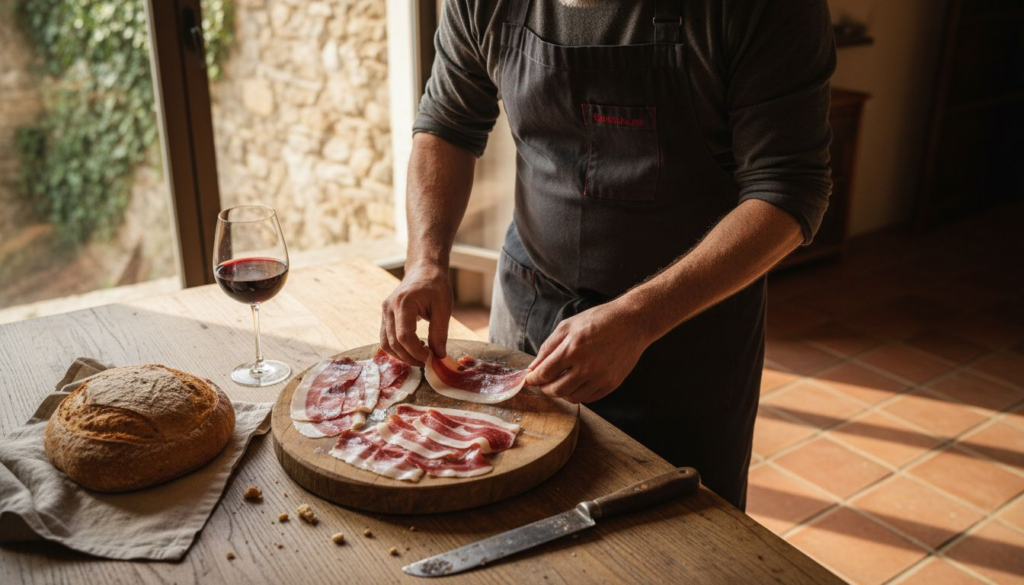
Presentation should remain deliberately minimalist. Lay your slices flat or in gentle folds on a simple white plate where the meat’s colour and marbling become visual focal points. Avoid the temptation to stack them or compress them together. Simple accompaniments like quality bread or Spanish olives complement without overwhelming. The ham should remain the star of the presentation. Some enthusiasts serve their Iberico ham with nothing but the plate itself, allowing the product to speak entirely for itself. When you’re hosting a tasting, this restraint actually enhances the experience by forcing attention onto the ham’s actual qualities rather than competing flavours. Your guests will appreciate the elegance of simplicity paired with such exceptional quality.
Pro tip: Slice only what you need immediately before serving, as exposed ham begins losing its delicate qualities within minutes of cutting, and always ensure your knife is genuinely sharp rather than merely acceptable, as the difference in slice quality is immediately apparent.
6. Pair Iberico Ham with Complementary Foods and Drinks
Iberico ham does not exist in isolation. The accompaniments you choose fundamentally shape how your palate experiences the ham’s complex flavours and rich texture. Strategic pairing transforms a good tasting into an unforgettable one by creating balance and highlighting qualities that might otherwise remain hidden. Understanding the principles behind these pairings empowers you to create genuinely memorable experiences for yourself and your guests.
The fatty, savoury richness of premium Iberico ham demands accompaniments that provide contrast and cleanse the palate between bites. Acidity and tannins become your allies here, cutting through the richness and refreshing your taste buds for the next slice. Traditional Spanish pairings include fresh bread, Manchego cheese, olives, and regional wines that have been perfected over centuries. Toasted bread rubbed with tomato provides that crucial acidic element whilst offering textural contrast. Quality Spanish cured olives bring briny saltiness that amplifies perception of the ham’s subtle flavours. Manchego cheese, with its smooth, slightly tangy character, complements rather than competes with the ham. For drinks, dry sherry remains the classic choice, its dryness and subtle oak perfectly balancing the ham’s intensity. Spanish red wines work beautifully as well, with tannins providing palate cleansing properties. Even light, crisp beers offer excellent balance if you prefer beer to wine. The key principle unites all these options, they all provide something the ham alone cannot, whether that’s acidity, tannins, textural variety, or palate refreshment.
When you’re planning your tasting, think about creating rhythm and progression. Begin with a slice and bread, enjoying how the ham’s fat melts against the toasted surface. Follow with a sip of your chosen beverage, noticing how the acidity or tannins reshape your perception of what you just tasted. A bite of cheese or olive comes next, each introducing a new sensory dimension. This deliberate pacing and pairing creates a conversation between elements rather than simply consuming ham with random accompaniments. Avoid heavily spiced or strongly flavoured foods that would overpower the ham’s delicate qualities. Keep your choices refined and minimal. Every item on your board should earn its place by genuinely enhancing your experience rather than filling space. This restraint and intentionality reflect the philosophy of Spanish food culture and honour the craftsmanship embodied in the ham itself.
Pro tip: Serve your beverages and accompaniments at room temperature alongside the ham, and taste the ham first before sipping wine or beer so you establish a clear baseline for the ham’s pure flavour before introducing other elements.
7. Savour Slowly to Appreciate Texture and Flavour Layers
Speed is the enemy of genuine appreciation when tasting premium Iberico ham. The rush to consume denies you access to the very qualities that justify the ham’s considerable cost and reputation. True savouring requires deliberate slowness, mindfulness, and patience. When you take time to truly experience each slice, you unlock complexity that hasty eating completely obscures.
The magic of exceptional Iberico ham reveals itself gradually as it warms on your tongue and palate. The marbled fat melts progressively, releasing savoury, nutty, and subtly sweet flavour notes in sequence rather than all at once. If you swallow quickly, you experience only the initial sensations and miss the layered development that follows. The first moment a slice enters your mouth brings one flavour profile. As the fat continues melting and spreading across your palate, secondary notes emerge. By the time you swallow, you may detect entirely different characteristics than what you initially perceived. This evolution is not accidental but rather the direct result of skilled aging, proper feeding, and careful curing. The complexity only becomes apparent if you give it time to develop. Saline notes might emerge first, followed by earthy undertones, then that distinctive nutty quality from acorn feeding, finishing with a subtle sweetness. Each of these notes occupies its own moment in the tasting experience.
Practically, this means placing a single delicate slice on your tongue and resisting the urge to chew immediately. Let it rest there for several seconds, allowing your body temperature to soften the fat and your palate to detect initial flavours. Then chew slowly, deliberately, noticing how sensations change with each chew. Some enthusiasts advocate for placing the slice on the roof of the mouth rather than the tongue, claiming this position allows different taste receptors to detect nuances more clearly. Pause between slices, taking sips of water or your chosen beverage to cleanse your palate completely. This pacing prevents flavour fatigue and allows your taste receptors to reset for the next slice. A tasting of just five or six slices, consumed mindfully, delivers more value than rapid consumption of twenty slices. Quality transcends quantity in the realm of gourmet cured meats. By embracing slowness, you demonstrate respect for the craftsmanship embodied in the ham whilst genuinely maximising your own enjoyment and understanding.
Pro tip: Time your tasting so you have at least five minutes per slice without interruption or conversation, allowing your complete sensory focus to remain on detecting the evolving flavour layers as they emerge.
The following table provides a comprehensive summary of the main points and strategies discussed in the article regarding the selection, evaluation, and appreciation of Iberico ham.
| Aspect | Details | Recommendations |
|---|---|---|
| Selection | Choose the right variety by considering the breed purity and feeding methods, with acorn-fed hams being the premium choice due to their exceptional flavour profile and texture. | Opt for 100% Iberian bellota ham as an introductory quality benchmark for tasting. |
| Ageing | Ageing periods affect flavour complexity and texture. Labels often indicate maturation durations, where longer periods (36-48 months) signify higher quality. | Prioritise bellota hams with extended ageing periods for deeper flavours and luxurious texture. |
| Visual Inspection | Examine colour and marbling: vibrant cherry red with fine white marbling indicates proper curing and high quality. | Hold slices to the light for translucence and uniform marbling for visible signs of quality and care. |
| Aroma | Quality Iberico ham emits a nutty, savoury aroma derived from ageing and acorn feeding. | Warm ham to room temperature before evaluation for maximum aroma detection. |
| Preparation | Thin, uniform slices enhance the tasting experience, and correct knife techniques are crucial. | Use a sharp, flexible knife and slice only what is immediately needed for serving. |
| Pairing | Accompany with palate-cleansing items like bread, olives, and suitable beverages to enhance flavours. | Select light and complementary pairings, avoiding overpowering flavours. |
| Tasting Approach | Savour to appreciate evolving textures and flavours, allowing the ham’s fat to melt gradually on the palate. | Taste slowly, ensuring deliberate observation of flavour development and layering. |
Elevate Your Iberico Ham Tasting Experience with 7 Bellotas
Discovering the nuances behind Iberico ham tasting requires access to authentic, premium quality products that truly reflect the tradition and craftsmanship detailed in “7 Proven Iberico Ham Tasting Tips for Gourmet Enthusiasts.” Whether you are seeking the perfect bellota ham with rich marbling and extended ageing or aiming to master the art of pairing and slicing, the right selection is essential to overcome common challenges such as finding genuine 100% Iberian hams or ensuring proper curing for complex flavour profiles. With 7 Bellotas, you gain direct access to artisanal Spanish hams, naturally cured and aged between 36 and over 64 months, sourced from acorn-fed Pata Negra pigs that promise the melt-in-mouth texture and layered taste you desire.
Ready to take your tasting journey to the next level For a remarkable gourmet experience visit 7 Bellotas now and explore an exclusive range of premium Iberico hams and cured meats crafted for connoisseurs who value authenticity and luxury. Start your collection with confidence and savour the rich heritage and distinctive flavours that define true Spanish excellence. Don’t settle for anything less than extraordinary when you can have the best delivered straight from Spain.
Frequently Asked Questions
What is the best Iberico ham variety to start with for tasting?
Choosing a 100% Iberian bellota ham is the best way to start your tasting journey. This variety offers superior flavour and texture that sets the benchmark for other selections, allowing you to fully appreciate the nuances of Iberico ham.
How does the ageing period affect Iberico ham taste?
The ageing period plays a crucial role in the flavour and texture of Iberico ham. Look for hams aged 36 months or longer, as these will provide the most complex flavours and delicate textures, enhancing your overall tasting experience.
What should I look for when examining the colour and marbling of Iberico ham?
When assessing Iberico ham, seek a vibrant cherry red colour with delicate white or pale yellow marbling throughout. This combination indicates quality and proper ageing while also enhancing the texture and flavour during tasting.
How can I enhance my Iberico ham tasting experience through proper cutting techniques?
To maximise your tasting experience, slice the Iberico ham thinly using a sharp knife, ensuring an even thickness for each slice. Present the slices flat on a white plate to highlight their colour and marbling, which will enhance the overall appreciation of the dish.
What foods and drinks pair well with Iberico ham?
Pairing Iberico ham with fresh bread, cured olives, or Manchego cheese will elevate the tasting experience by providing contrasting flavours and textures. Opt for beverages like dry sherry or light red wine to cleanse the palate and enhance the ham’s rich, savoury qualities.
How can I slow down and truly savour the flavours of Iberico ham?
Savouring Iberico ham requires deliberate slowness; place a slice on your tongue and let it warm before chewing. Allow each layer of flavour to emerge by taking your time, aiming for at least five minutes per slice to unlock its full complexity.