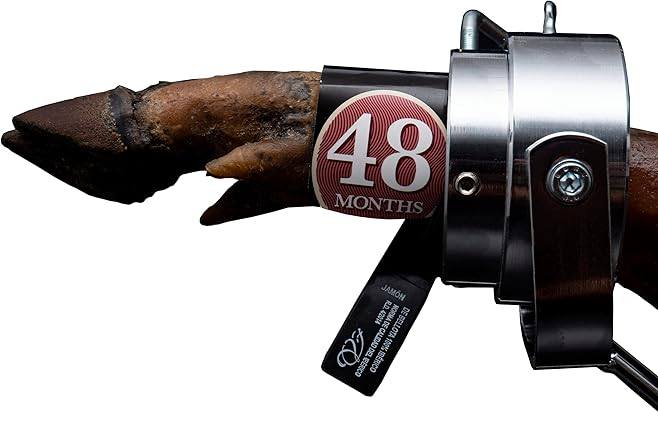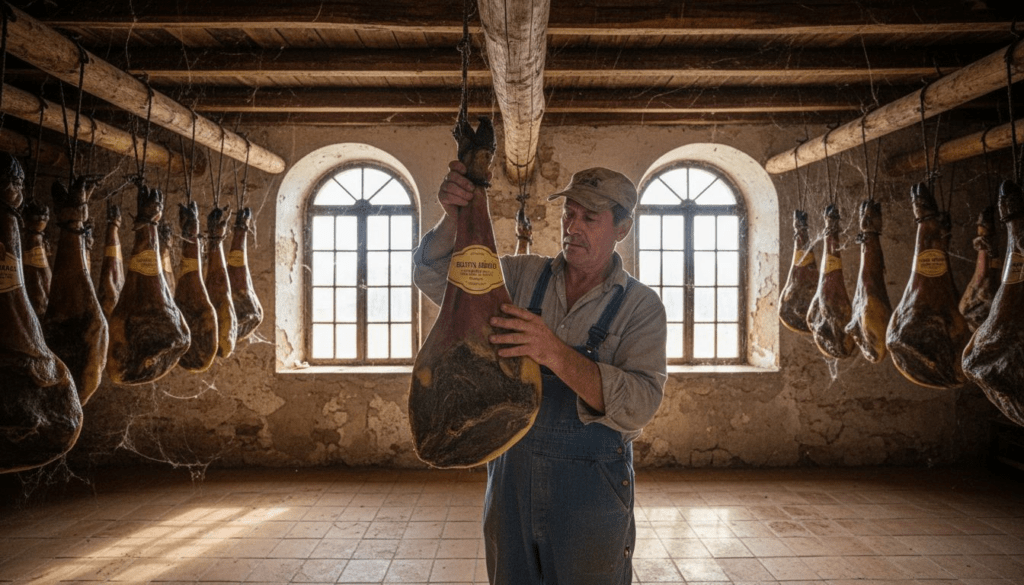
Choosing genuine Iberico ham can leave even seasoned food lovers questioning what really sets one piece apart from another. For those craving the true taste of Spanish tradition, understanding the intricate grading system and lengthy aging process behind Bellota Grade excellence is key. Expect a clear breakdown of breed purity, acorn feeding, and curing stages that shape the world’s most coveted cured meat, building a foundation for confident purchases and elevated tasting experiences.
Table of Contents
- Bellota Grade Defined: Acorn-Fed Excellence
- Ham Classifications and Label Colour Meanings
- Essential Traits of True Bellota Ham
- Curing Process and Flavour Development
- Comparing Bellota With Other Iberico Grades
- Recognising Authenticity and Avoiding Pitfalls
Key Takeaways
| Point | Details |
|---|---|
| Bellota Grade Distinction | Bellota Grade Iberico ham is renowned for its exceptional quality, coming from 100% pure-bred Iberian pigs that are exclusively acorn-fed in Spanish oak woodlands. |
| Authenticity Verification | To ensure authenticity, look for official colour-coded labels, the distinctive black hoof mark, and detailed breed percentage documentation when purchasing. |
| Curing Process Importance | The ham undergoes a lengthy curing process taking 3-6 years, which develops its unique flavour and texture, crucial for a premium culinary experience. |
| Grading System Clarity | Familiarise yourself with the colour-coded grading system (Black, Red, Green, White) to understand the quality and breeding standards of the Iberico ham you select. |
Bellota Grade Defined: Acorn-Fed Excellence
Bellota Grade represents the pinnacle of Iberico ham quality, distinguishing itself through an extraordinary dietary regimen that transforms ordinary pork into a culinary masterpiece. These exceptional hams come from pure-bred Iberian pigs that roam freely in Spanish oak woodlands, consuming a diet exclusively comprised of acorns during the critical montanera season.
The acorn-feeding process is more than just a dietary choice—it’s a sophisticated agricultural tradition that profoundly impacts meat quality. Unique pig breed characteristics enable these animals to develop extraordinary marbling, with fat intricately distributed throughout muscle tissue. This genetic predisposition, combined with their natural oak forest diet, creates a remarkable flavour profile unmatched by conventional pork production.
Key characteristics of Bellota Grade Iberico ham include:
- Exclusively acorn-fed pigs
- Free-range woodland roaming
- Exceptional fat marbling
- Intense, nutty flavour profile
- Genetically superior Iberian pig breed
- Traditional Spanish curing methods
The rigorous standards for Bellota Grade extend beyond diet. Each ham undergoes meticulous colour-coded grading to ensure authenticity and preserve the prestigious legacy of Spanish gastronomy. Producers carefully track each pig’s lineage, diet, and environmental conditions, transforming what could be ordinary meat into a luxurious delicacy.
Pro tip: When selecting Bellota Grade ham, look for official Spanish certification labels to guarantee genuine acorn-fed excellence.
Ham Classifications and Label Colour Meanings
The Spanish ham classification system is a sophisticated method of distinguishing Iberico ham quality through a carefully designed colour-coded labelling approach. Precise ham grading system provides consumers with crucial information about the pig’s breed, diet, and overall meat quality.
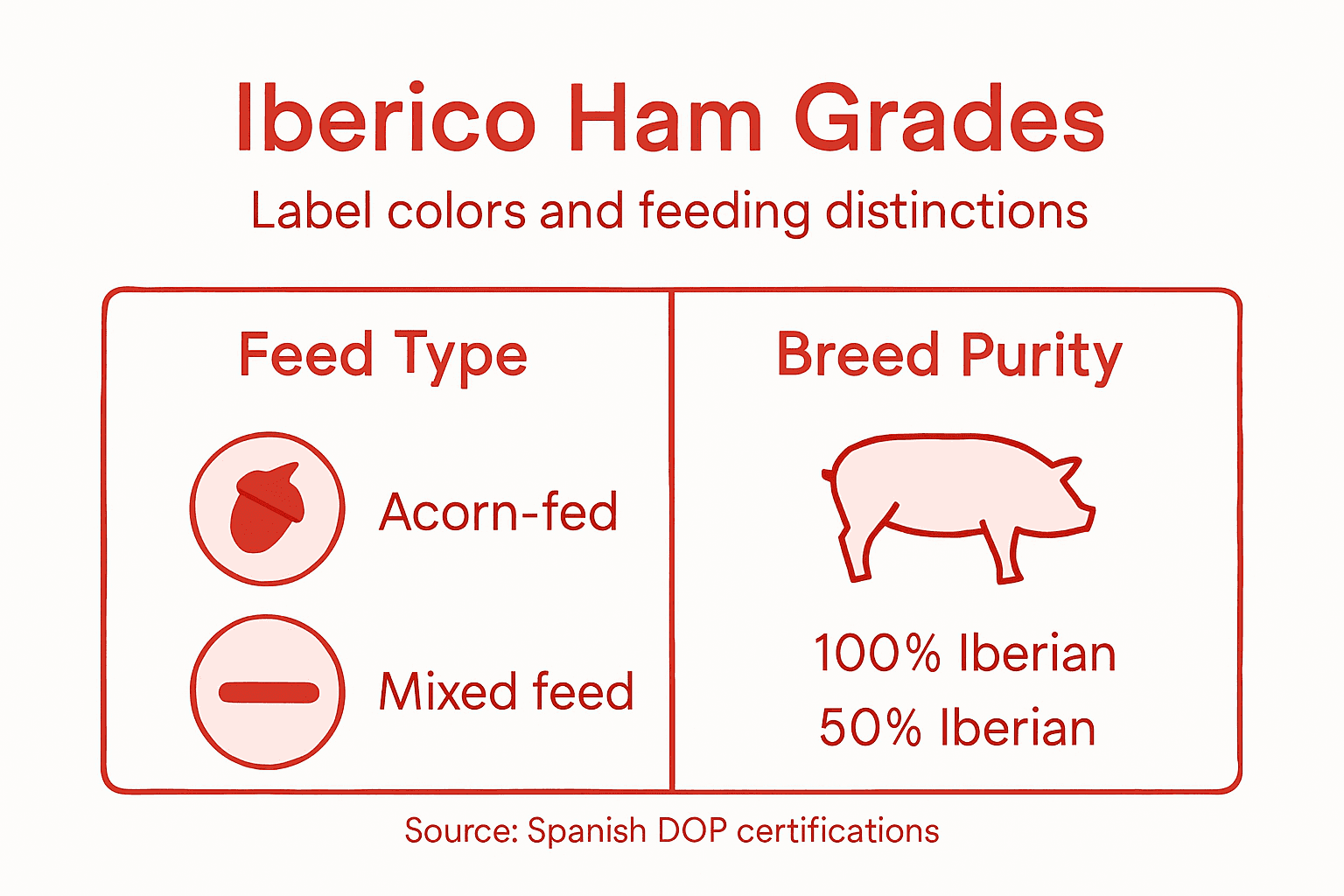
Each label colour represents a specific combination of breed purity and feeding practices, allowing discerning customers to understand the ham’s provenance and potential flavour profile. The classification system considers two critical factors: the percentage of Iberian pig breed genetics and the animal’s dietary regime during its lifetime.
Ham label classifications include:
- White Label: Pigs with mixed breeding, partially grain-fed
- Green Label: Free-range pigs with mixed feeding practices
- Red Label: 50-75% Iberian breed pigs exclusively acorn-fed
- Black Label: 100% pure Iberian pigs exclusively acorn-fed during montanera season
The nuanced grading system reflects the incredible complexity of Spanish ham production. Producers meticulously track each animal’s lineage, roaming environment, and nutritional intake to ensure the highest possible quality standards. This attention to detail transforms what might be ordinary pork into a gastronomic experience that celebrates traditional Spanish agricultural practices.
To help distinguish Iberico ham grades, the following table compares their key breed and feeding attributes:
| Label Colour | Iberian Breed Purity | Feeding Regime | Expected Flavour Profile |
|---|---|---|---|
| Black | 100% Purebred | Exclusive acorn diet | Intense, nutty, complex |
| Red | 50-75% Iberian | Exclusive acorn diet | Rich, nutty, aromatic |
| Green | Mixed genetics | Partial acorn, partial grain | Mild, balanced, subtle |
| White | Minimal Iberian | Grain-fed | Light, less complex |
Pro tip: When purchasing Iberico ham, carefully examine the label colour to understand the precise quality and breeding standards of your selected product.
Essential Traits of True Bellota Ham
True Bellota ham represents the zenith of Spanish culinary artistry, distinguished by extraordinarily specific breeding and dietary characteristics. Authentic Iberian pig characteristics reveal a remarkable breed with unique genetic traits that transform ordinary pork into a gastronomic delicacy.
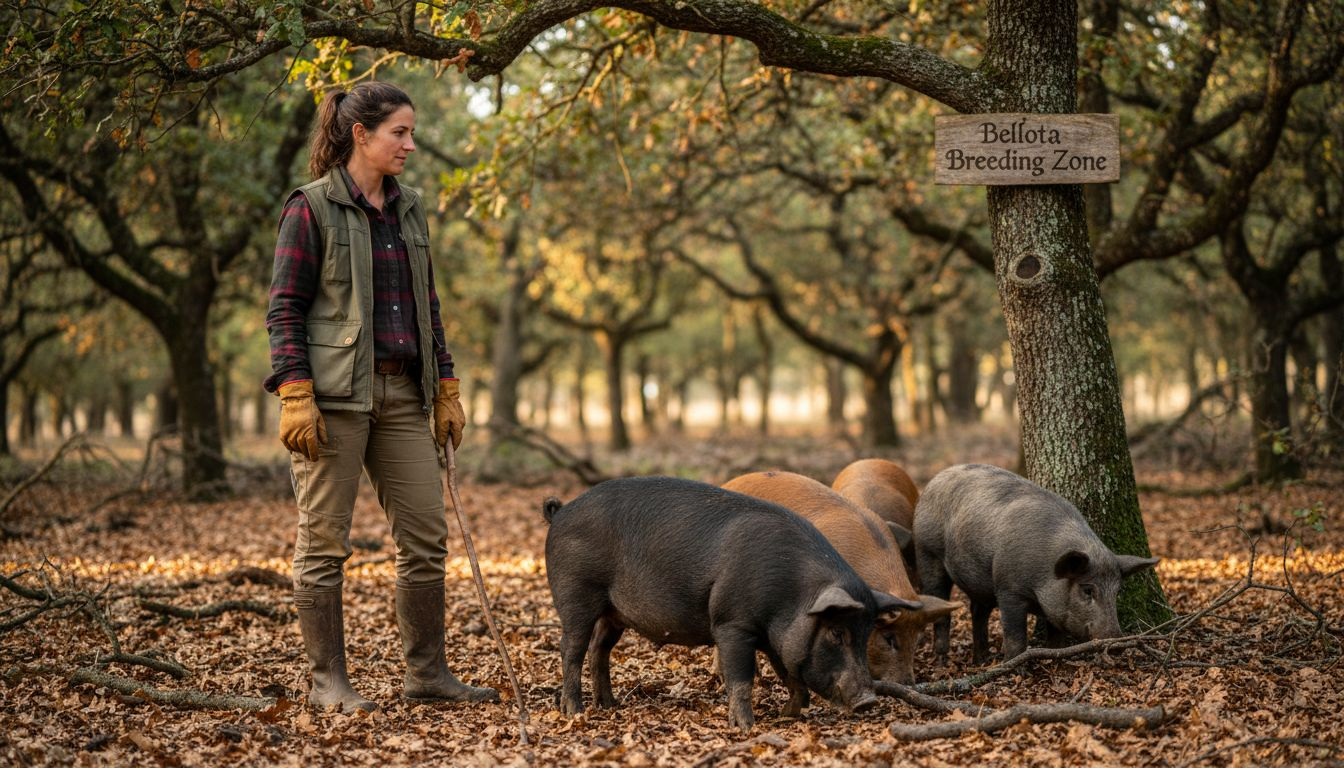
The hallmark of genuine Bellota ham lies in its lineage and lifestyle. These 100% purebred Iberian pigs are identifiable by their distinctive black hooves and are raised in the expansive dehesa oak pastures, where they roam freely and develop exceptional muscular structure. Their late-stage montanera diet, consisting primarily of acorns, creates a distinctive flavour profile that cannot be replicated through conventional farming methods.
Key traits of authentic Bellota ham include:
- 100% purebred Iberian pig genetics
- Free-range lifestyle in oak woodland pastures
- Exclusively acorn-based diet during montanera season
- Distinctive black hoof certification
- Exceptional intramuscular fat marbling
- Naturally developed nutty, complex flavour profile
The extraordinary quality stems from a perfect symbiosis between genetic predisposition and natural environment. The pigs’ ability to store fat within muscle tissues, combined with their extensive roaming and acorn-rich diet, creates a meat with unparalleled moisture, tenderness, and depth of flavour. This intricate process transforms the ham from a mere protein source into a revered culinary art form that represents generations of Spanish agricultural tradition.
Pro tip: Verify the authenticity of Bellota ham by checking for the black hoof mark and carefully examining the label’s colour-coded certification.
Curing Process and Flavour Development
The extraordinary journey of Bellota ham transforms from exceptional pig to culinary masterpiece through an intricate, time-honoured curing process. Traditional ham curing techniques reveal a remarkable transformation that takes between three to six years, during which the ham develops its legendary complexity and depth of flavour.
The curing process begins immediately after slaughter, with careful salting and initial drying stages that set the foundation for the ham’s distinctive character. Mountain air drying plays a crucial role, allowing natural environmental conditions to slowly draw moisture from the meat while concentrating its rich, nutty flavours. The temperature-controlled environments and strategic hanging positions ensure even moisture distribution and consistent flavour development.
Key stages of the Bellota ham curing process include:
- Initial salting phase (1-2 weeks)
- Primary drying period (3-6 months)
- Extended mountain air maturation (2-4 years)
- Final flavour refinement stage
- Periodic quality inspections
- Careful humidity and temperature monitoring
The remarkable transformation occurs through a delicate balance of time, environment, and traditional craftsmanship. Each ham develops a unique flavour profile characterised by intense nuttiness, exceptional marbling, and a melt-in-the-mouth texture that represents the pinnacle of Spanish cured meat tradition. The prolonged curing process allows intricate flavour compounds to develop, creating a gastronomic experience that cannot be replicated through industrial production methods.
Pro tip: Allow Bellota ham to rest at room temperature for 15-20 minutes before serving to fully release its complex flavour profile and achieve optimal texture.
Comparing Bellota with Other Iberico Grades
The Iberico ham classification system represents a sophisticated approach to recognising meat quality, with Bellota grade standing as the pinnacle of culinary excellence. Nuanced ham grade distinctions reveal a complex hierarchy that evaluates breed purity, dietary practices, and resulting flavour characteristics.
Bellota ham differentiates itself through stringent breeding and feeding criteria that surpass other Iberico grades. While lower-tier classifications like Cebo and Recebo involve mixed diets and less pure breed genetics, Bellota ham requires specific conditions: pigs must be at least 50-75% Iberian breed and consume an exclusively acorn-based diet during the critical montanera season.
Key distinctions between Iberico ham grades include:
- Black Label: 100% Iberian breed, acorn-fed
- Red Label (Bellota): 50-75% Iberian breed, acorn-fed
- Green Label (Recebo): Mixed diet, partial acorn feeding
- White Label (Cebo): Grain-fed, minimal breed restrictions
- Varying fat distribution and marbling
- Significant price and quality variations
The hierarchical grading system reflects the meticulous approach to preserving Spanish gastronomic heritage. Each grade represents a different level of commitment to traditional breeding practices, with Bellota ham embodying the most exceptional standard of quality, flavour complexity, and cultural authenticity. The differences extend beyond mere classification, fundamentally transforming the sensory experience of the ham.
Pro tip: When purchasing Iberico ham, carefully examine the label colour to understand the precise quality and breeding standards of your selected product.
Recognising Authenticity and Avoiding Pitfalls
Authenticity in Iberico ham represents far more than a marketing claim—it’s a complex interplay of breeding, diet, and traditional production methods. Discerning consumers must develop a sophisticated understanding of quality indicators that distinguish genuine Bellota ham from inferior imitations.
The most critical authentication markers include visual and sensory characteristics that cannot be easily replicated. Black hoof certification, intricate fat marbling, and the distinctive nutty aroma are hallmarks of genuine Bellota ham. Fraudulent producers often attempt to mimic these characteristics, making careful inspection essential for true connoisseurs.
Key authenticity verification techniques include:
- Examining the official colour-coded label
- Checking for the distinctive black hoof mark
- Assessing fat marbling and texture
- Verifying breed percentage documentation
- Evaluating aroma and flavour complexity
- Requesting provenance documentation
- Purchasing from reputable specialist retailers
Consumers should remain vigilant against common deceptive practices in the Iberico ham market. Some unscrupulous vendors may misrepresent ham grades, blend different quality meats, or use misleading packaging to suggest higher quality than the product actually represents. Understanding the nuanced grading system becomes a critical defence against potential misrepresentation.
For readers seeking authentic Bellota ham, use this table to summarise essential verification steps:
| Verification Step | Why It Matters | What to Look For |
|---|---|---|
| Label Inspection | Confirms grade and origin | Official colour-coded label |
| Hoof Assessment | Identifies pure breed | Distinctive black hoof mark |
| Fat Analysis | Ensures quality marbling | Intricate, evenly distributed fat |
| Documentation | Verifies genuine provenance | Detailed breed percentage papers |
Pro tip: Always request detailed documentation and transparent information about the ham’s origin, breed percentage, and specific production methods before making a purchase.
Experience the True Essence of Bellota Grade Iberico Ham
Understanding the meticulous standards behind Bellota Grade ham reveals the dedication required to enjoy authentic, acorn-fed Iberico excellence. Many enthusiasts struggle to find reliable sources that guarantee purity of breed, genuine acorn feeding, and traditional curing methods. If you desire that rich, nutty flavour and exceptional marbling described in the article, settling for anything less can be disappointing.
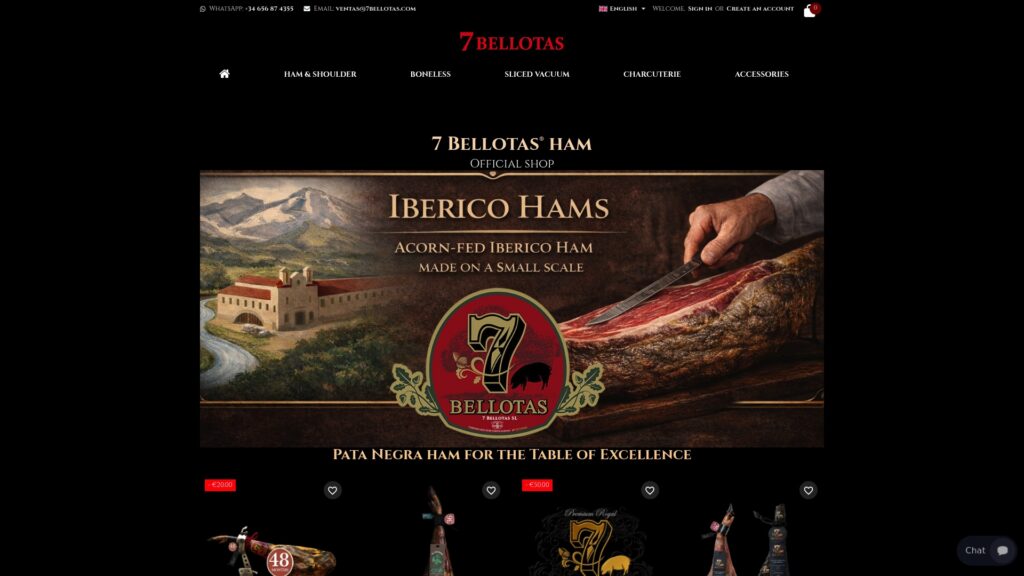
At 7 Bellotas, we specialise in offering premium, 100% purebred Iberico ham that embodies the true spirit of Bellota Grade. Our products come from free-range pigs raised on natural acorn diets in the dehesa oak pastures, cured with time-honoured techniques to develop unmatched flavour profiles and melt-in-the-mouth textures. Whether you seek whole hams aged from 36 to over 64 months or carefully sliced portions, our artisanal selection preserves Spanish heritage and guarantees authenticity.
Discover the difference of genuine Bellota ham crafted with passion and tradition on our platform https://7bellotas.com and make your gourmet experience exceptional.
Elevate your culinary journey today by exploring our curated range of Iberico masterpieces.
Experience premium Iberico excellence now
Frequently Asked Questions
What does Bellota Grade mean in Iberico ham?
Bellota Grade signifies the highest quality Iberico ham, sourced from 100% purebred Iberian pigs that are exclusively acorn-fed during the montanera season, resulting in exceptional marbling and a unique flavour profile.
How can I identify authentic Bellota Grade ham?
Authentic Bellota Grade ham can be identified by its official colour-coded label, distinctive black hoof mark, excellent fat marbling, and documentation verifying breed percentage and production methods.
What are the differences between Bellota Grade and other Iberico ham grades?
Bellota Grade ham requires pigs to be at least 50-75% Iberian breed and exclusively acorn-fed, whereas lower grades, like Green and White Labels, have mixed breeding and feeding practices, impacting flavour and quality significantly.
How long does the curing process of Bellota ham take?
The curing process of Bellota ham ranges from three to six years, during which time the ham develops its intricate flavours and textures through a carefully monitored traditional curing method.