Choosing premium Iberico ham can feel overwhelming when every label promises authenticity and quality. The real challenge is knowing which details separate ordinary products from genuinely exceptional Spanish ham. Relying on guesswork or attractive packaging risks disappointment and wasted money.
This guide breaks down the critical checks that help you spot top-tier Iberico ham every time. From marbling to age statements and proper storage, you will learn exactly what to look for before making an investment. Expect practical tips and insider details you can use at the shop or online.
Get ready to discover the proven ways to spot real quality—so your purchase always delivers the taste, texture, and experience you deserve.
Table of Contents
- 1. Check The Breed And Origin Certification
- 2. Inspect Curing Time And Age Statement
- 3. Assess Fat Quality And Marbling
- 4. Evaluate Aroma And Scent Notes
- 5. Examine The Texture And Colour
- 6. Verify The Acorn-Fed Label
- 7. Review Packaging For Freshness
Quick Summary
| Takeaway | Explanation |
|---|---|
| 1. Verify Breed Certification | Ensure the Iberico ham has DOP certification to confirm its breed and origin authenticity. |
| 2. Check Curing Time Labels | Look for age statements like 36, 48, or 60+ months to understand flavour complexity and quality. |
| 3. Assess Fat Marbling Quality | Seek fine, evenly distributed white streaks of fat that indicate superior flavour and texture. |
| 4. Evaluate Aroma Upon Opening | A rich, inviting aroma signals quality; avoid hams with off-putting, rancid smells. |
| 5. Inspect Packaging Integrity | Check vacuum-sealed packaging for damage to ensure freshness; any compromise could affect quality. |
1. Check the Breed and Origin Certification
The foundation of premium Iberico ham begins with breed authenticity and geographical origin. Not all Iberico ham is created equal, and the certification proves exactly what you’re purchasing.
When you buy Iberico ham, you’re investing in a product with strict regulatory standards. The Denominación de Origen Protegida (DOP) certification guarantees that your ham comes from specific Spanish regions and meets rigorous production requirements. This isn’t just marketing—it’s protection for your investment.
Authentic Iberico ham must come from purebred black Iberian pigs or crossbreeds with specific percentages of Iberian genetics. The breed matters because these pigs develop the unique marbling and flavour profiles that characterise premium ham. Without verified breed documentation, you cannot trust the product’s quality or origin.
Here’s what legitimate certification provides:
- Geographic verification confirming production in authorised Spanish regions like Extremadura or Andalucía
- Breed confirmation proving pigs are purebred or properly registered crossbreeds
- Production method standards ensuring traditional curing and ageing processes
- Traceability records connecting your specific ham to its source
- Quality assurance meeting European food safety regulations
Certification isn’t optional—it’s your guarantee that you’re purchasing genuine Iberico ham, not a inferior substitute masquerading as premium product.
When examining labels, look for official DOP seals and regulatory designations. The “Pata Negra” classification specifically indicates purebred black Iberian pigs, representing the highest tier. Understanding these distinctions helps you distinguish between authentic artisanal products and mass-produced alternatives.
The certification process involves rigorous inspection of pig genetics, feeding practices, slaughter methods, and curing environments. Producers cannot claim Iberico status without meeting every requirement. This means your premium purchase supports genuine Spanish craftsmanship and traditional production methods.
Pro tip: Always request the official certificate of origin from your supplier before purchasing. Legitimate sellers proudly display certification details and provide documentation upon request, giving you complete transparency about your ham’s provenance and quality credentials.
2. Inspect Curing Time and Age Statement
Curing time defines the character and quality of your Iberico ham. The longer the ham ages, the more complex its flavour becomes and the more expensive it is. This single factor separates entry-level products from collector’s items.
Iberico ham curing isn’t rushed. The process involves hanging the ham in natural dryers where temperature and humidity naturally develop its distinctive taste and texture. Different age categories deliver vastly different experiences, so understanding these distinctions matters for your purchase.
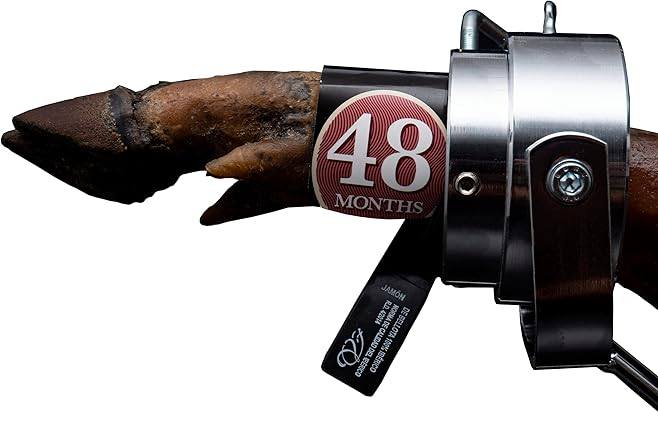
Age statements on labels tell you exactly how long the ham has matured. Look for designations like 36 months, 48 months, or over 64 months. These timelines aren’t arbitrary—they represent specific flavour profiles and quality benchmarks that justify the price point.
Here’s how curing time affects your ham:
- 36 months delivers balanced flavour with tender texture, ideal for first-time buyers
- 48 months develops deeper complexity and richer taste with slightly firmer texture
- Reserva (over 48 months) creates intensely concentrated flavours and rare crystalline structures
- Gran Reserva (over 60 months) represents the pinnacle with exceptional depth and exclusivity
- Extended ageing (64+ months) produces collector-quality ham with unparalleled character
Age statements are your assurance that the ham has spent sufficient time developing genuine complexity, not artificial flavouring masking inferior ingredients.
When inspecting your ham, verify the age claim matches the actual appearance. Longer-aged ham shows deeper colour, visible fat crystallisation, and a firmer consistency. If a label claims 48 months but the ham looks pale and soft, something is incorrect.
Authentic sellers always display curing duration prominently. This transparency reflects confidence in their product. Vague age descriptions or missing timeline information should raise concerns about authenticity.
The investment in aged ham pays dividends. Longer curing periods concentrate flavours naturally, create unique textures, and develop the complex notes that distinguish premium Iberico from ordinary cured meat. Your palate will immediately recognise the difference.
Pro tip: Match curing time to your intended use—shorter age for slicing and appetisers, longer age for savouring as a premium tasting experience. Check labels for exact months rather than vague descriptions, ensuring you receive the specific product you’re paying for.
3. Assess Fat Quality and Marbling
Fat quality separates exceptional Iberico ham from mediocre products. The intramuscular fat—fat distributed within the muscle itself—is what transforms ham from simple protein into a luxurious experience.
When you examine premium Iberico ham, you’re looking for visible white streaks running through the meat. These delicate lines of fat aren’t random; they’re the result of the pig’s acorn-fed diet and proper ageing. The fat infiltrates the muscle naturally, creating the distinctive character that defines superior ham.
Marbling quality matters because it controls flavour, texture, and moisture. Fine-textured marbling evenly distributed throughout the muscle indicates a properly raised and aged ham. Conversely, chunky fat deposits or complete absence of marbling signals quality issues.
What you should look for when assessing marbling:
- Even distribution of white fat lines across the entire cross-section
- Fine texture rather than thick, chunky fat patches
- Creamy appearance suggesting proper fat oxidation during ageing
- Consistent colour ranging from deep red to burgundy with white marbling
- No yellowing which indicates improper storage or excessive age
The acorn-fed Iberian pig naturally develops superior fat composition. These pigs spend months grazing on acorns, which influences the fat’s flavour profile and chemical composition. This diet produces the characteristic nutty, complex taste that distinguishes premium ham from ordinary alternatives.
Quality marbling contributes directly to tenderness, juiciness, and the distinctive flavour that justifies the premium price of authentic Iberico ham.
When examining sliced ham, tilt it slightly under light. The fat should glisten subtly and appear translucent. If the fat looks dull, opaque, or separated from the meat, the ham may have been improperly handled or stored at incorrect temperatures.
The relationship between marbling and taste cannot be overstated. Fat carries flavour compounds and moisture, creating the sensory experience that makes Iberico ham memorable. More marbling generally equals richer, more satisfying taste.
Pro tip: Request sample photos or request to see the ham’s cross-section before purchasing. Legitimate sellers gladly showcase the marbling quality, allowing you to visually confirm the fat distribution matches the premium price and age statement.
4. Evaluate Aroma and Scent Notes
Your nose is one of the most powerful quality indicators for Iberico ham. The aroma tells a story about the ham’s age, curing quality, and authenticity before you even taste it.
Premium Iberico ham develops complex, layered scents during its months of ageing. These aromas result from chemical reactions between proteins, fats, and salt during the curing process. Each scent note reveals something different about the ham’s character and origin.
When you open a package of quality Iberico ham, you should encounter rich, savoury aromas with subtle sweetness. The smell should feel inviting and sophisticated, never sharp or off-putting. If the aroma smells rancid, musty, or chemical, the ham has been compromised.
What legitimate Iberico ham scents include:
- Nutty undertones reflecting the acorn-fed diet of the pigs
- Savoury, umami notes from aged proteins and fats
- Subtle sweetness from natural curing processes
- Earthy hints developing from extended curing periods
- Clean, fresh quality without staleness or spoilage
The intensity of aroma increases with age. Younger hams (36 months) present lighter, more delicate scents. Extended-age hams (60+ months) deliver powerful, concentrated aromas that fill the room. This progression is natural and desirable.
A ham with weak or barely detectable aroma likely spent insufficient time ageing or faced storage conditions that degraded its quality.
When evaluating scent, unwrap the ham and allow it to breathe for 30 seconds. Cup your hand above the ham gently and inhale through your nose. Take your time recognising individual notes rather than rushing the assessment.
False or inferior products often mask poor quality with artificial flavourings that smell chemical or overly sweet. Authentic Iberico ham requires no artificial enhancement. Its natural aroma should seduce those with a passion for genuine flavour.
Temperature affects how aromas present themselves. Room-temperature ham releases more volatile compounds, creating a stronger scent profile. If you’re evaluating ham that’s been refrigerated, allow it to warm slightly for accurate assessment.
Pro tip: Trust your instincts about aroma—if something smells off or unpleasant, avoid the purchase. Your olfactory system detects spoilage and quality issues that visual inspection might miss, providing crucial protection for your investment.
5. Examine the Texture and Colour
Colour and texture are your windows into a ham’s quality and authenticity. These visual and tactile characteristics reveal the curing process, age, and storage conditions at a glance.
Authentic Iberico ham displays a deep red to mahogany colour with gleaming white fat marbling. This distinctive hue develops naturally during the months of ageing as proteins and fats undergo chemical transformation. Pale or greyish meat suggests inadequate ageing or improper storage.
When you examine premium Iberico ham, look for colour uniformity throughout the cross-section. Inconsistent colouring or dark patches may indicate uneven curing or spoilage. The colour should appear vibrant and rich, never dull or brownish around the edges.
Texture varies based on age and fat content. The texture should feel silky and tender, reflecting both genetics and the curing process. Leaner hams develop a firmer, drier texture, whilst well-marbled hams remain more supple and juicy.
Quality indicators to assess:
- Deep red to mahogany colouration indicating proper ageing
- Consistent colour without grey, brown, or darkened areas
- Glistening white fat that catches light naturally
- Silky, tender feel when you handle the ham
- Pliability showing the ham isn’t dried out or britttle
Press gently on the ham’s surface. Quality Iberico should yield slightly to pressure, then spring back. If the meat feels rock-hard or mushy, something is amiss. The texture should communicate that the ham is properly aged but still has moisture content.
Visual and tactile inspection for colour uniformity, marbling, and pliability determines freshness and quality better than labels alone.
Age affects colour intensity. Younger hams (36 months) present lighter, more vibrant red tones. Extended-age hams develop deeper mahogany shades reflecting prolonged oxidation. Both are correct—the colour simply reflects the ham’s age category.
When sliced, premium Iberico ham should hold its shape delicately. If slices appear greasy, overly fragile, or stick together excessively, the ham may have been stored improperly or contains excessive moisture.
Pro tip: Request to see or touch the ham before purchasing whole products. Feel the surface pliability, observe the colour uniformity under proper lighting, and confirm the marbling pattern matches the age and price point you’re paying.
6. Verify the Acorn-Fed Label
The acorn-fed designation is one of the most important quality markers for premium Iberico ham. This label confirms that the pigs grazed freely on acorns during the critical fattening phase, fundamentally affecting flavour and fat composition.
Not all Iberico ham comes from acorn-fed pigs. Some producers raise pigs on grain or mixed feed to reduce costs. The acorn-fed label distinguishes between these vastly different production methods and quality outcomes.
During the montanera season (typically autumn and early winter), Iberian pigs feast on fallen acorns in Spanish oak forests. This diet transforms their body composition, creating fat with unique chemical properties and distinctive flavour compounds. Grain-fed pigs simply cannot develop this same quality.
The acorn-fed diet directly influences:
- Fat flavour profile creating nutty, complex taste notes
- Fat composition with beneficial monounsaturated fatty acids
- Meat colour developing deeper red and mahogany tones
- Overall complexity that distinguishes premium from standard ham
- Marbling quality creating superior intramuscular distribution
When examining labels, look for clear statements confirming acorn-fed status. Legitimate producers proudly display this information prominently because it justifies premium pricing. Vague language or absent acorn-fed mentions suggest grain-fed alternatives.
Acorn-fed certification proves the pigs consumed their natural diet in their natural habitat, creating flavours and qualities impossible to replicate with conventional feed.
The montanera season lasts only a few months annually. This limited timeframe makes acorn-fed ham genuinely scarce and expensive. If you’re purchasing at suspiciously low prices, the acorn-fed claim may be exaggerated or false.
Authentic producers can describe their montanera season in detail. Ask sellers when their pigs grazed, which forests they accessed, and how the acorn harvest affected that season’s production. Knowledgeable sellers enthusiastically answer these questions.
The difference between acorn-fed and grain-fed ham is immediately apparent when you taste it. Acorn-fed ham displays remarkable depth and sophistication. Grain-fed alternatives taste flatter and less memorable, despite using the same pig breed.
Some producers use blended approaches, combining acorn feeding with grain supplementation. These hams occupy a middle tier, offering better quality than grain-fed but less excellence than purely acorn-fed varieties. Labels should specify the exact feeding method.
Pro tip: Request detailed information about the montanera season and acorn availability during the ham’s production year. Sellers of genuine acorn-fed ham can discuss seasonal variations and how oak forest conditions that year influenced flavour development.
7. Review Packaging for Freshness
Packaging is your first line of defence protecting premium Iberico ham from degradation. The right packaging preserves quality, whilst poor packaging compromises everything you’ve invested in.
Vacuum-sealed packaging excludes oxygen, which is crucial for long-term preservation. Vacuum-packed Iberico ham maintains quality for 8 to 18 months depending on the specific product and storage conditions. Once opened, however, the clock starts ticking immediately.
When you receive vacuum-packaged ham, inspect the seal carefully. Look for any punctures, tears, or compromised areas where air may have entered. A damaged seal means oxygen has oxidised the fat and potentially degraded flavour compounds.
Key packaging indicators to evaluate:
- Airtight seals with no visible damage or separation
- Clear labelling showing curing time, origin, and expiration dates
- Protective layers preventing light exposure and temperature fluctuations
- Proper dating confirming the ham is recently packaged, not aged on shelves
- Professional presentation indicating legitimate production standards
Whole hams require different storage approaches than sliced products. Whole ham storage involves hanging by the hoof and covering with breathable cloth in a cool, dry location away from direct sunlight. This traditional method maintains freshness whilst allowing proper air circulation.
Packaging quality directly determines whether your premium purchase arrives in perfect condition or degraded through improper handling and storage.
For pre-sliced ham, refrigeration between 2 to 5 degrees Celsius is essential. Once you open vacuum packaging, consume the ham within 3 to 5 days maximum. After opening, proper resealing and continued refrigeration preserve quality, but degradation accelerates quickly.
Be suspicious of packaging that looks aged or yellowed. Discolouration suggests the product has experienced temperature fluctuations or extended storage periods. Fresh packaging appears clean, crisp, and professional.
Check expiration dates carefully. Legitimate sellers clearly print these dates prominently on packaging. If dates are difficult to locate or appear handwritten, question the product’s authenticity.
The packaging materials themselves matter. Premium producers use food-grade vacuum sealing materials that withstand international shipping. Cheap plastic or inadequate sealing suggests inferior production standards throughout the entire operation.
Pro tip: Upon arrival, immediately inspect packaging for damage before opening. If seals are compromised or the ham shows signs of degradation, contact your seller immediately. Proper documentation of packaging condition protects your rights to replacement or refund.
Below is a comprehensive table summarising the key points and considerations for evaluating quality Iberico ham as discussed in the article.
| Aspect | Description | Key Considerations |
|---|---|---|
| Breed and Certification | Authenticity through DOP certification for breed and region ensures quality. | Look for breed confirmation, production standards, and authentic labels like “Pata Negra” to verify origin and quality. |
| Curing Time | Age statements such as 36, 48, and over 64 months influence flavour complexity. | Assess labels and appearance; longer curing yields deeper-coloured meat and intensified flavours for a distinguished experience. |
| Fat and Marbling | Intramuscular fat ensures tenderness, juiciness, and superior taste. | Examine for evenly distributed white streaks, creamy appearance, and consistent colouring for quality assurance. |
| Aroma and Scent | Rich aromas indicate proper ageing and acorn-fed diet effects. | Evaluate for nutty, savoury, and earthy scents; avoid chemical or rancid smells for a legitimate product. |
| Texture and Colour | Proper curing results in deep red to mahogany hues and silky textures. | Check for uniform colouring, pliable yet firm texture, and absence of greying or yellowing. |
| Acorn-Fed Label | Distinguishes premium ham from grain-fed alternatives based on an acorn diet. | Verify clear acorn-fed statements; understand the production season and grazing practices supporting label authenticity. |
| Packaging Quality | Vacuum-sealed packaging ensures freshness and protection during storage. | Inspect for airtight seals, proper labelling, and packaging condition; use correct handling and storage methods post-purchase. |
Ensure Your Iberico Ham Purchase Meets Every Quality Criterion
Navigating the complexities of Iberico ham quality can be challenging with so many factors like breed authenticity, curing time, and fat marbling to consider. This article highlights the crucial steps needed to identify genuine acorn-fed Pata Negra ham that delivers true Spanish heritage and premium taste. Don’t let uncertainties about certifications or proper storage compromise your gourmet experience.
Discover how 7 Bellotas simplifies your quest for perfect Iberico ham by providing detailed information on breed certification, precise ageing categories from 36 to over 64 months, and stunningly marbled, naturally cured products. Our artisanal selection guarantees authenticity, offering vacuum-packed and sliced options to preserve freshness on arrival. Treat yourself to an unmatched culinary adventure by choosing Iberico ham that meets every step of the quality checklist. Visit 7 Bellotas today and make your gourmet purchase with confidence.
Frequently Asked Questions
How can I verify the breed and origin of Iberico ham?
To confirm the breed and origin, look for the Denominación de Origen Protegida (DOP) certification on the label. This guarantees the ham comes from approved Spanish regions and is made from purebred Iberian pigs, ensuring you receive a quality product.
What does the curing time indicate about Iberico ham quality?
The curing time directly reflects the flavour complexity and quality of Iberico ham. Check for age statements indicating 36 months or more; longer curing typically results in richer, more developed flavours.
How should I assess the fat quality and marbling in Iberico ham?
Evaluate the marbling by looking for fine white streaks of intramuscular fat evenly distributed throughout the meat. Aim for ham with consistent, creamy fat that enhances flavour, as this indicates a higher quality product.
What aroma should I expect from high-quality Iberico ham?
Premium Iberico ham should emit complex, savoury aromas with nutty undertones and subtle sweetness. To evaluate, unwrap the ham and take a moment to inhale; if the scent is rancid or off-putting, consider choosing another option.
How can I determine the freshness of packaged Iberico ham?
Examine the vacuum-seal for any punctures or damage, as proper packaging protects the ham from spoilage. Freshly packaged Iberico ham should have clear labelling and be free from yellowing, indicating it has been stored correctly and is ready for consumption.