Understanding what truly sets Paleta Ibérica apart can be confusing for gourmet lovers seeking authentic Spanish charcuterie. With many myths surrounding terms like ‘pata negra’, it is easy to mistake branding for genuine quality. This guide unpacks the nuanced classification and artisanal craftsmanship that define Paleta Ibérica, helping North American connoisseurs appreciate its rich heritage, unique flavours, and precise production processes when selecting the finest meats for their culinary adventures.
Table of Contents
- Defining Paleta Ibérica and Common Myths
- Types of Paleta Ibérica and Key Differences
- Production Process: From Acorn to Ageing
- Distinct Flavour Profile and Serving Rituals
- Comparing Paleta Ibérica with Jamón Ibérico
- Purchasing, Pricing, and Storage Essentials
Key Takeaways
| Point | Details |
|---|---|
| Understanding Paleta Ibérica | Paleta Ibérica is a premium dry-cured ham from the Iberian pig’s foreleg, distinguished by its breed purity, feeding regimen, curing duration, and production region. |
| Authenticity Check | Always verify the official classification seal and the breed percentage when purchasing to ensure quality and authenticity. |
| Culinary Experience | The unique flavour profile stems from the pig’s acorn diet, which creates a rich, complex taste that cannot be replicated. |
| Proper Storage | Store Paleta Ibérica at 10-15°C and 60-80% humidity to maintain its exquisite qualities. |
Defining Paleta Ibérica and Common Myths
Paleta Ibérica represents a pinnacle of Spanish culinary craftsmanship, specifically referring to a dry-cured ham derived from the Iberian pig’s foreleg. Unlike other pork products, this delicacy stands apart due to its meticulous production process and exceptional quality standards. Iberian pig breed characteristics play a crucial role in determining the ham’s ultimate flavour profile.
The classification of Paleta Ibérica involves several nuanced categories that extend far beyond simple marketing labels. These categories are determined by multiple factors:
- Breed purity percentage (ranging from 50% to 100% Iberian)
- Pig’s diet (acorn-fed, grain-fed, or mixed)
- Curing and ageing duration
- Production region within Spain
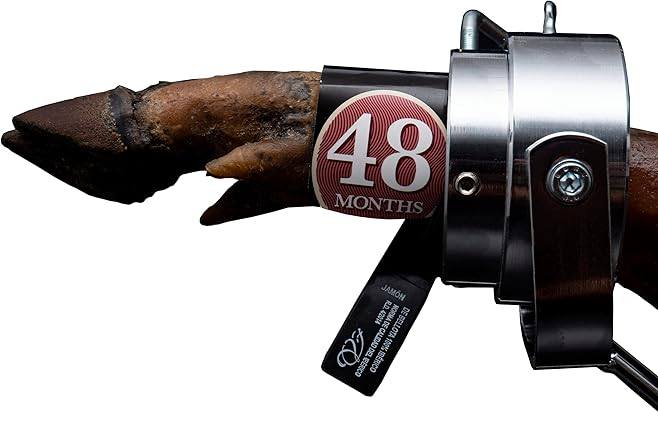
Many consumers mistakenly believe that the term ‘pata negra’ is merely a branding technique. In reality, this designation signifies specific genetic lineage and feeding regimen. The black hoof (pata negra) indicates a purebred Iberian pig that has been raised according to traditional methods, typically roaming oak forests and consuming acorns.
Authenticity in Paleta Ibérica is not about marketing—it’s about centuries of agricultural heritage and precise culinary craftsmanship.
Contrary to popular misconceptions, not all Paleta Ibérica are created equal. The highest grade requires 100% purebred Iberian pigs fed exclusively on acorns during their finishing period, which dramatically influences the meat’s flavour, texture, and marbling.
Here is a clear breakdown of Paleta Ibérica quality factors and their influence on the final product:
| Classification Factor | How It Affects Quality | Taste Impact |
|---|---|---|
| Breed Purity | Determines marbling and texture | Richness and depth of flavour |
| Feeding Regimen | Influences fat and sweetness | Nutty and aromatic notes |
| Curing Duration | Improves texture and complexity | Longer, deeper aftertaste |
| Production Region | Impacts aroma and authenticity | Distinct regional nuances |
Pro tip: When purchasing Paleta Ibérica, always examine the official classification seal to understand its precise quality and authenticity.
Types of Paleta Ibérica and Key Differences
Understanding the nuanced types of Paleta Ibérica requires a deep dive into the world of Spanish charcuterie. Iberico pork varieties represent a complex spectrum of quality, classification, and culinary excellence that goes far beyond simple categorisation.
The primary classification system for Paleta Ibérica revolves around several critical factors:
Breed Purity
- 50% Iberian breed
- 75% Iberian breed
- 100% purebred Iberian pig
Feeding Regime
- Grain-fed (campo)
- Pasture-raised (campo)
- Acorn-fed (bellota)
Curing Duration
- Standard cure (12-18 months)
- Extended cure (24-36 months)
- Premium aged (36+ months)
Each classification represents a distinct tier of quality, with the bellota grade standing as the pinnacle of Paleta Ibérica production. These premium hams come from pigs that have roamed oak forests, consuming a diet rich in acorns during their final months, which imparts an extraordinary depth of flavour and marbling.
The true essence of Paleta Ibérica lies not in marketing, but in the intricate dance between genetic heritage, traditional farming, and meticulous curing techniques.
The most prestigious designation is the black label (100% purebred Iberian pig, acorn-fed), which represents the zenith of Spanish cured meat craftsmanship. These hams command premium prices and are sought after by serious gastronomes who understand the subtle nuances of exceptional charcuterie.
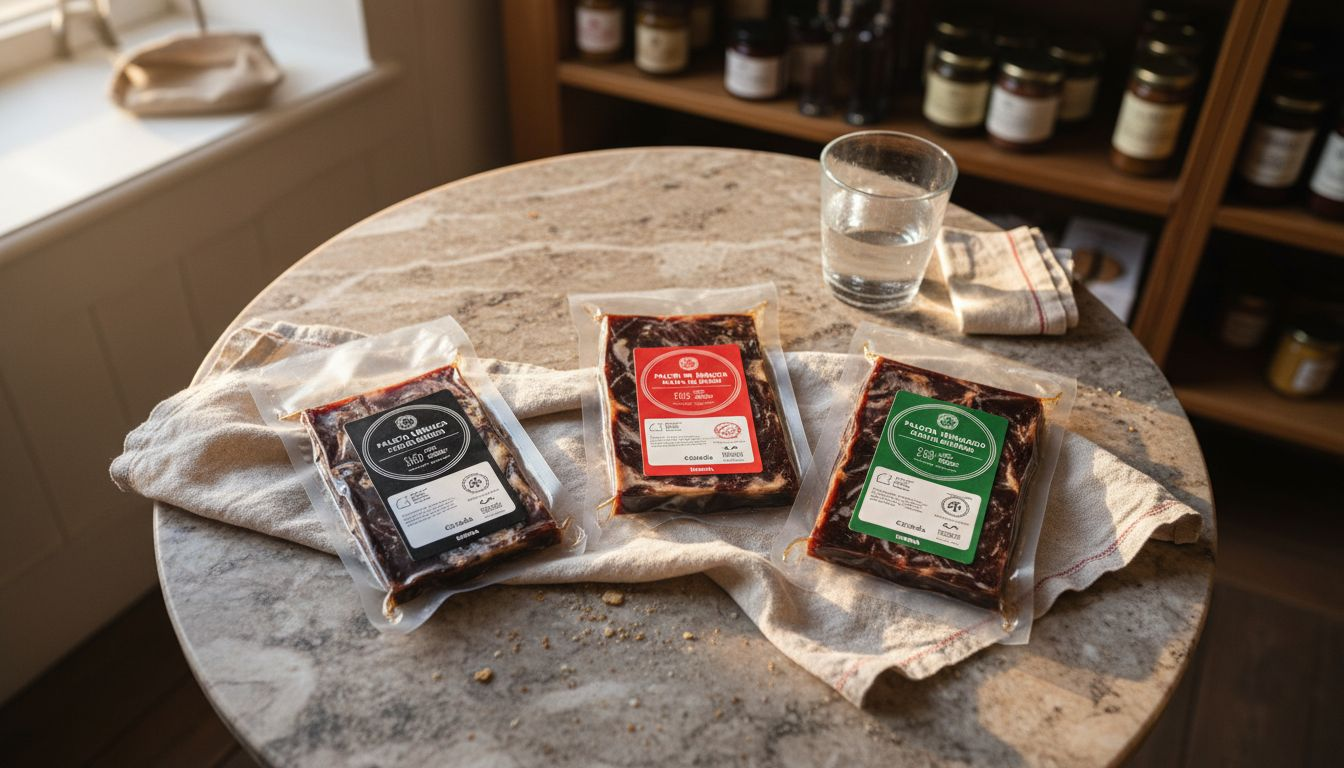
Pro tip: When selecting Paleta Ibérica, always examine the official classification seal and look for the percentage of Iberian breed and specific feeding regime to ensure you’re experiencing authentic Spanish culinary tradition.
Production Process: From Acorn to Ageing
The journey of Paleta Ibérica begins long before the curing process, with the remarkable life of the Iberian pig. Artisanal curing techniques represent a delicate ballet of tradition, environment, and culinary expertise that transforms an ordinary cut of meat into an extraordinary delicacy.
The production process unfolds through several critical stages:
Pig Rearing
- Free-range roaming in oak forests
- Natural diet of acorns and wild grasses
- Genetic selection for pure Iberian breed
Slaughter and Initial Preparation
- Careful selection of prime cuts
- Precise butchering techniques
- Initial cleaning and preparation of the foreleg
Salting Process
- Layering with pure sea salt
- Controlled temperature environment
- Precise duration based on ham weight
Drying and Ageing
- Hanging in well-ventilated spaces
- Gradual temperature and humidity control
- Extended maturation periods (12-36 months)
The acorn diet plays a transformative role in creating the paleta’s distinctive flavour profile. Pigs roaming freely in Spanish oak forests consume a diet rich in acorns, which infuses the meat with a unique, nutty complexity that cannot be replicated through industrial farming methods.
Authentic Paleta Ibérica is not just a product, but a living testament to Spanish agricultural heritage and culinary craftsmanship.
The final stage involves meticulous monitoring of humidity, temperature, and air circulation. Skilled artisans rotate and inspect the hams periodically, ensuring each piece develops its characteristic deep colour, marbling, and intense flavour. This process can last anywhere from 18 to 36 months, with premium varieties extending even longer.
Pro tip: When purchasing Paleta Ibérica, look for hams with extended ageing periods and ask about the specific oak forests where the pigs were raised to ensure maximum authenticity.
Distinct Flavour Profile and Serving Rituals
Paleta Ibérica represents a culinary symphony of flavours that transcends ordinary cured meats. Gastronomic serving traditions reveal a complex sensory experience that celebrates Spanish culinary heritage with every delicate slice.
The flavour profile of Paleta Ibérica is extraordinarily nuanced, characterized by several distinctive elements:
Aromatic Complexity
- Intense nutty undertones
- Subtle hints of acorn sweetness
- Delicate umami richness
Texture Characteristics
- Melt-in-mouth marbling
- Silky, smooth consistency
- Fine, intricate fat distribution
Sensory Notes
- Balanced saltiness
- Profound depth of flavour
- Long, lingering aftertaste
The umami-rich profile emerges from the pig’s unique diet of acorns and wild herbs, creating a taste that cannot be replicated through industrial production methods. Each slice tells a story of the Spanish landscape, carrying the essence of oak forests and traditional farming practices.
Paleta Ibérica is not merely a food item, but a cultural narrative expressed through taste and tradition.
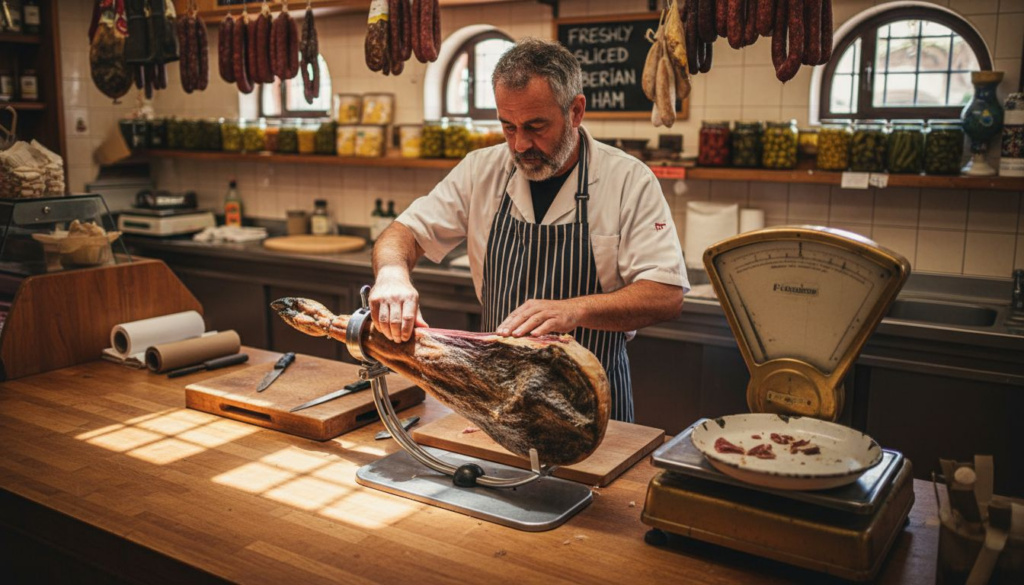
Serving rituals are an art form in themselves, with connoisseurs following precise techniques to honour the delicacy. Thin slicing is paramount – ideally using a specialised knife and cutting against the muscle grain to release the full spectrum of flavours. Typically served at room temperature, the ham is often presented on special ceramic plates that allow its natural oils to shine.
Pro tip: Allow Paleta Ibérica to rest at room temperature for 15-20 minutes before serving to ensure optimal flavour release and textural experience.
Comparing Paleta Ibérica with Jamón Ibérico
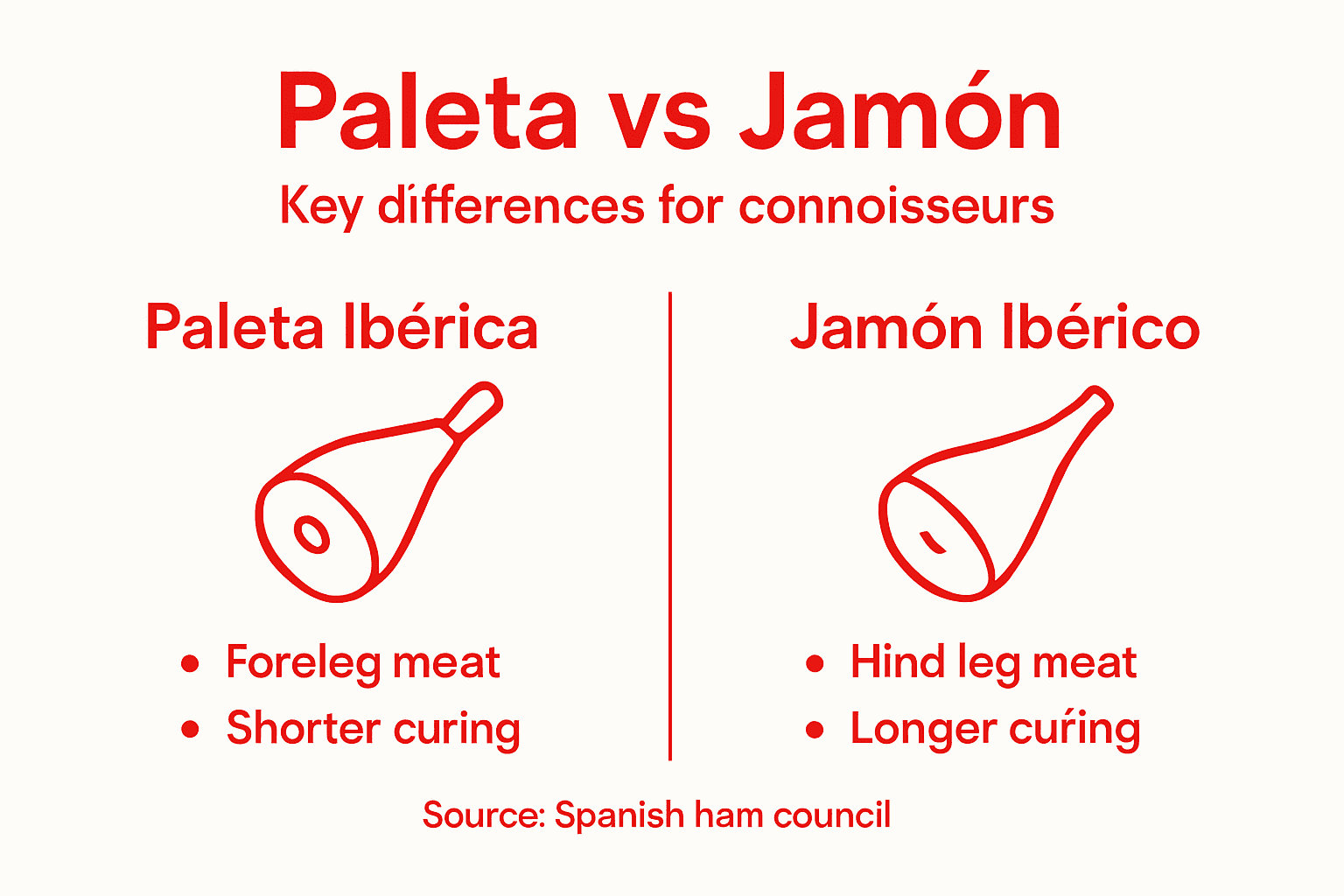
While often confused by novice enthusiasts, Paleta Ibérica and Jamón Ibérico represent distinct yet related culinary treasures in Spanish charcuterie. Artisanal ham distinctions reveal nuanced differences that separate these two remarkable delicacies.
The primary distinctions between Paleta Ibérica and Jamón Ibérico emerge across several key dimensions:
Cut Origin
- Paleta Ibérica: Foreleg (smaller, more delicate)
- Jamón Ibérico: Entire hind leg (larger, more substantial)
Weight Characteristics
- Paleta Ibérica: 4-5 kg typical weight
- Jamón Ibérico: 7-8 kg typical weight
Flavour Intensity
- Paleta Ibérica: More concentrated, intense flavour
- Jamón Ibérico: Broader, more complex flavour profile
The fundamental anatomical difference significantly impacts the curing process, flavour concentration, and overall gastronomic experience. Paleta Ibérica’s smaller size allows for more rapid and concentrated flavour development, creating a more intense taste experience compared to its larger counterpart.
The true artistry of Spanish charcuterie lies not in uniformity, but in celebrating the unique characteristics of each cut.
While both products share the same genetic lineage and production methods, Jamón Ibérico typically commands a higher price point due to its larger size and more extended curing process. Paleta Ibérica offers a more concentrated flavour profile, making it particularly prized by discerning connoisseurs who appreciate its nuanced intensity.
Pro tip: For the most authentic tasting experience, serve both Paleta and Jamón Ibérico at room temperature and compare their subtle flavour variations side by side.
Purchasing, Pricing, and Storage Essentials
Navigating the world of Paleta Ibérica requires understanding its nuanced purchasing landscape and delicate preservation requirements. Iberico ham pricing factors dramatically influence the selection process for discerning culinary enthusiasts.
Pricing for Paleta Ibérica varies across several critical dimensions:
Quality Grades
- Entry-level (50% Iberian breed): £50-£100
- Premium (75% Iberian breed): £100-£250
- Bellota (100% purebred, acorn-fed): £250-£500
Purchasing Considerations
- Verify official classification seals
- Check curing duration
- Examine fat marbling
- Request provenance documentation
Storage Requirements
- Ideal temperature: 10-15°C
- Humidity: 60-80%
- Away from direct sunlight
- Use specialised ham stands
The pricing ecosystem reflects not just the meat’s quality, but the intricate production process involving generations of agricultural expertise. Bellota-grade Paleta Ibérica represents the pinnacle of Spanish charcuterie, with prices reflecting its extraordinary genetic lineage and traditional production methods.
Authenticity in Paleta Ibérica transcends price—it’s an investment in culinary heritage and gastronomic excellence.
Connoisseurs must approach purchasing with a discerning eye, understanding that each slice represents months of careful cultivation and traditional craftsmanship. Proper storage is equally crucial, with temperature and humidity playing pivotal roles in maintaining the ham’s exquisite qualities.
The following table provides a practical guide to optimal Paleta Ibérica storage and serving for maximal enjoyment:
| Step | Ideal Condition | Why It Matters |
|---|---|---|
| Storage Temperature | 10-15°C | Preserves texture and aroma |
| Humidity Level | 60-80% | Prevents dryness or spoilage |
| Serving Temperature | Room temperature | Releases natural oils and flavour |
| Slicing Technique | Thin, against the grain | Ensures tenderness and richness |
Pro tip: Always purchase Paleta Ibérica from reputable vendors who can provide detailed provenance documentation and recommend precise storage conditions.
Discover the True Essence of Paleta Ibérica with 7 Bellotas
Unlock the rich flavours and authentic heritage of premium Paleta Ibérica as detailed in our guide. If you seek the unparalleled intensity that comes from 100% purebred Iberian pigs raised on acorns and carefully cured over months, your search ends here. At 7 Bellotas we specialise in offering carefully selected traditional acorn-fed Pata Negra hams, matured from 36 months and beyond, crafted by artisans who honour centuries of Spanish curing expertise.
Elevate your gourmet experience now by exploring our range of exclusive Paleta Ibérica products. Whether you want a whole ham to savour at your own pace or precision-sliced portions for immediate enjoyment, our detailed descriptions and provenance information empower your choice. Do not miss your chance to bring home this extraordinary delicacy with guaranteed authenticity and expert guidance. Visit 7 Bellotas today and taste the true flavour of Spanish culinary tradition.
Frequently Asked Questions
What is Paleta Ibérica?
Paleta Ibérica is a dry-cured ham made from the foreleg of the Iberian pig, known for its rich flavour and unique production process.
How does the diet of the Iberian pig affect Paleta Ibérica?
The diet, especially if the pig is acorn-fed, significantly influences the flavour, marbling, and texture of the resulting ham, imparting a nutty complexity.
What are the different types of Paleta Ibérica?
Paleta Ibérica is classified mainly by breed purity, feeding regimen, and curing duration, with variations including 50%, 75%, and 100% purebred Iberian pigs.
How should Paleta Ibérica be served for the best experience?
Paleta Ibérica should be served at room temperature, sliced thinly against the grain, to fully appreciate its delicate flavours and textures.