Many people assume all cured hams are created equal, but jamón Ibérico stands in a category of its own. Its uniqueness stems from several distinct factors including the breed of pig, their acorn-rich diet, the natural dehesa ecosystem, and centuries-old curing traditions. This article will explore how these elements combine to create jamón’s signature marbled texture, nutty flavour, and melt-in-mouth quality that sets it apart from any other cured meat.
Table of Contents
- How The Iberico Pig Breed Shapes Jamón’s Distinctiveness
- The Acorn Diet And Natural Dehesa Environment: Keys To Flavour And Texture
- Regulations And Designations: Ensuring Authenticity And Quality
- Tasting And Pairing: Enjoying Jamón’s Unique Qualities
- Where To Buy Authentic Jamón Ibérico De Bellota
Key takeaways
| Point | Details |
|---|---|
| Flavour foundation | Jamón Ibérico’s distinctive taste comes from acorn-fed pigs and intramuscular fat marbling. |
| Breed importance | The Black Iberian pig’s genetics and natural roaming create unique texture and fat distribution. |
| Regulatory framework | Strict designations of origin define authenticity, feeding categories, and curing standards. |
| Recent changes | Breed purity requirements shifted from 75% to 50%, sparking debate over quality standards. |
How the Iberico pig breed shapes jamón’s distinctiveness
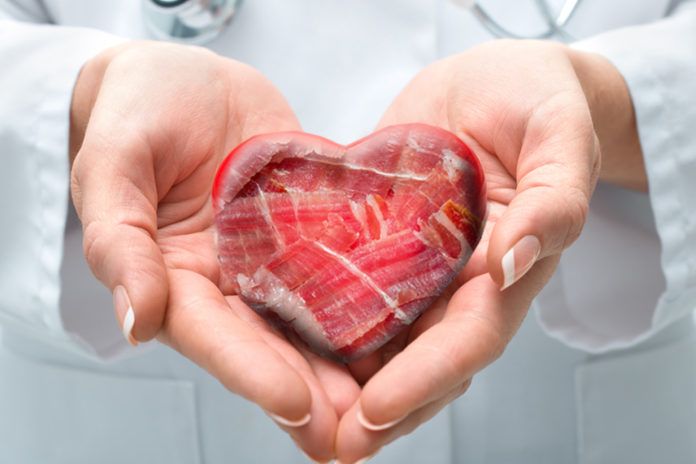
The Black Iberian pig possesses a remarkable genetic trait that fundamentally distinguishes jamón Ibérico from other cured hams. These pigs have an extraordinary genetic predisposition to store fat within muscles, creating the distinctive marbling that defines premium jamón. This intramuscular fat distribution is not merely aesthetic; it directly influences flavour, texture, and the characteristic silky mouthfeel that connoisseurs treasure.
During the montanera season, Iberico pigs demonstrate a physiological capability to double their body weight rapidly. This weight gain occurs primarily through fat accumulation, and because these pigs roam freely across expansive dehesa landscapes, the fat distributes evenly throughout the muscle tissue. Their active lifestyle promotes muscle tone whilst simultaneously encouraging fat infiltration, creating the perfect balance between lean meat and marbled fat.
Breed purity plays a crucial role in determining jamón quality. Purebred Iberico pigs, with 100% Black Iberian genetics, produce ham with more pronounced flavour complexity and superior fat quality compared to crossbreeds. The depth of flavour increases with higher percentages of Iberian heritage, which is why understanding pig lineage matters when selecting premium jamón.
Key breed characteristics include:
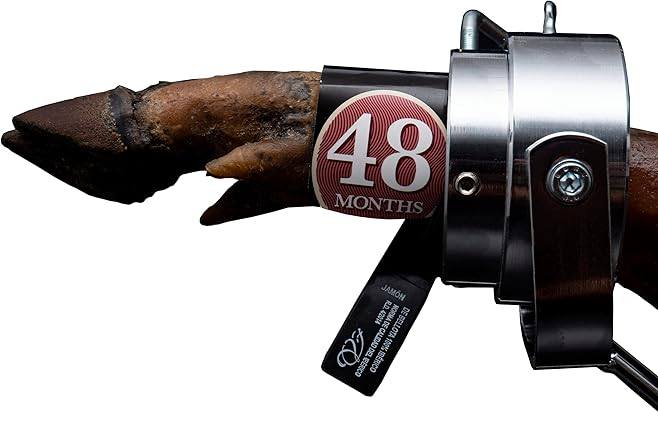
- Black hooves and skin pigmentation indicating pure heritage
- Compact, muscular build suited to foraging across rugged terrain
- Enhanced fat metabolism enabling rapid weight gain on natural forage
- Stress-resistant temperament suited to free-range rearing
Pro Tip: Look for labels indicating breed purity percentages; 100% Ibérico de Bellota represents the pinnacle of quality, whilst 50% Ibérico products offer a more accessible entry point with noticeable quality differences.
The acorn diet and natural dehesa environment: keys to flavour and texture
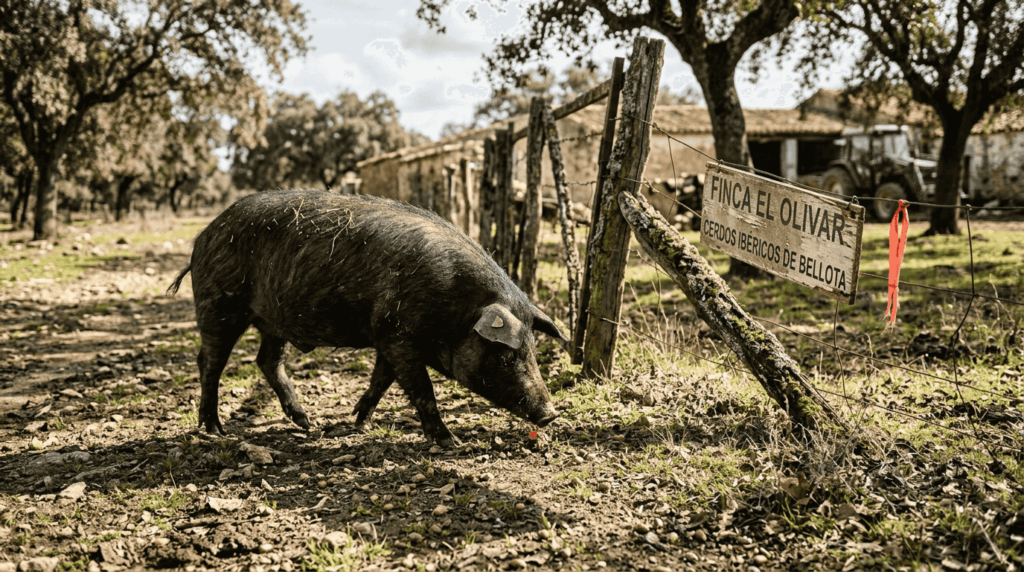
The montanera period transforms ordinary pigs into the source of extraordinary ham. From October to March, Iberico pigs roam the dehesa woodlands, consuming up to 10 kilograms of acorns daily. These acorns contain high levels of oleic acid, the same heart-healthy monounsaturated fat found in olive oil, which infuses the ham with nutty, sweet notes and gives the fat its silky, melt-in-mouth quality.

The dehesa ecosystem provides far more than just acorns. This unique Mediterranean woodland environment offers diverse wild herbs, aromatic grasses, wild mushrooms, and seasonal fruits that pigs consume alongside their primary acorn diet. Each element contributes subtle flavour notes, creating the complex aroma profiles that distinguish jamón Ibérico from industrially-raised alternatives. The result is a layered taste experience that evolves as you savour each slice.
The natural roaming lifestyle directly impacts fat distribution and texture. Pigs walk several kilometres daily searching for food, climbing hills, and navigating varied terrain. This constant movement prevents fat from accumulating in isolated deposits, instead encouraging even marbling throughout the muscle tissue. The exercise also develops muscle fibres that remain tender after curing, creating jamón’s distinctive textural balance.
Environmental factors shaping flavour include:
- Acorn variety: holm oak and cork oak acorns impart different flavour nuances
- Seasonal vegetation: spring grasses versus autumn fruits create subtle variations
- Soil composition: mineral-rich earth influences plant flavours that transfer to meat
- Climate conditions: temperature and rainfall affect acorn sweetness and availability
Pro Tip: Jamón labelled “de Bellota” guarantees pigs consumed acorns during montanera and gained at least 46 kilograms during this period, ensuring authentic acorn-fed quality.
Regulations and designations: ensuring authenticity and quality
Spain’s denominación de origen system establishes rigorous standards for jamón Ibérico production. These regulations dictate breed purity, feeding regimes, rearing conditions, and minimum curing times. The system categorises jamón into distinct quality tiers, each identified by specific colour-coded labels that help consumers distinguish between products at a glance.
The classification system divides jamón into three primary categories based on diet and rearing. Jamón Ibérico de Bellota represents the premium tier, requiring pigs to feed exclusively on acorns and natural forage during montanera. Jamón Ibérico de Cebo de Campo indicates pigs raised in extensive outdoor systems with supplementary feed. Jamón Ibérico de Cebo comes from pigs raised intensively with compound feed. Each category carries different flavour profiles, textures, and price points.

Recent regulatory changes have sparked considerable debate within the industry. The Guijuelo Designation of Origin Council lowered minimum breed purity from 75% to 50% Iberian genetics. Producers argue this dilutes quality standards and confuses consumers seeking authentic jamón. Many advocate for clearer category divisions that help buyers distinguish genuine quality from mass-market alternatives.
| Category | Breed Purity | Diet | Label Colour | Minimum Cure |
|---|---|---|---|---|
| Bellota 100% Ibérico | 100% | Acorns + forage | Black | 36 months |
| Bellota 75% Ibérico | 75% | Acorns + forage | Red | 24 months |
| Bellota 50% Ibérico | 50% | Acorns + forage | Red | 24 months |
| Cebo de Campo | 50-100% | Mixed outdoor | Green | 12 months |
| Cebo | 50-100% | Compound feed | White | 12 months |
Official seals from organisations like ASICI provide additional authentication. These certifications verify that producers meet denominación de origen standards throughout the entire production chain. Transparent labelling should clearly state breed percentage, feeding category, and curing duration, giving you the information needed to make informed purchasing decisions.
Tasting and pairing: enjoying jamón’s unique qualities
Proper appreciation of jamón Ibérico begins with correct preparation and serving. Thin slicing is essential; each slice should be translucent enough to see light through it, typically 1 to 2 millimetres thick. This thickness allows the marbled fat to melt on your tongue, releasing the complex flavours developed during years of curing. Room temperature serving enhances this experience, as cold jamón holds back aromatic compounds that define its character.
The ritual of tasting jamón rewards patience. Place a slice on your palate and let the fat emulsify slowly without chewing immediately. You’ll notice the initial nutty sweetness from acorn-fed fat, followed by savoury umami depth, and finishing with subtle herbal notes from the dehesa vegetation. The texture should feel silky, never chewy or dry, with fat that literally melts away.
Traditional pairings have evolved over centuries to complement jamón’s richness. Dry sherry like fino cuts through the fat with crisp acidity whilst enhancing savoury flavour notes. Fresh bread provides a neutral base that lets jamón shine without competing flavours. Some connoisseurs prefer ripe tomatoes or melon, whose sweetness creates fascinating flavour contrasts.
Optimal tasting techniques include:
- Remove jamón from refrigeration 30 minutes before serving to reach room temperature
- Slice directly from the bone or immediately before serving to prevent oxidation
- Arrange slices on a plate without overlapping to maintain individual flavour integrity
- Taste different parts of the leg to experience varying fat ratios and flavour profiles
- Cleanse your palate between tastings with water or plain bread
Pro Tip: The maza (the meaty centre muscle) offers the most intense flavour and highest marbling, whilst the babilla (cushion cut) provides leaner meat with subtler taste, perfect for exploring jamón’s full flavour spectrum.
Where to buy authentic jamón Ibérico de bellota
Now that you understand what makes jamón truly unique, finding authentic products becomes your next step. 7 Bellotas specialises in carefully sourced jamón Ibérico de Bellota shipped directly from Spain, ensuring you receive genuine acorn-fed products that meet strict quality standards. Their range includes certified purebred options aged from 36 to over 64 months, offering various flavour intensities to suit different preferences.
Buying authentic jamón requires knowledge of what distinguishes genuine products from imitations. Expert guidance helps you navigate breed percentages, feeding categories, and curing durations to select jamón that matches your expectations. Explore their detailed guides on identifying authentic Iberico jamón to make informed choices based on the insights you’ve gained here.
FAQ
What makes jamón Ibérico different from jamón Serrano?
Jamón Ibérico comes from Black Iberian pigs with distinctive intramuscular fat marbling and an acorn-based diet, whilst Serrano is produced from white pig breeds with leaner meat and different curing methods. Ibérico’s higher fat content and natural diet create a richer, melt-in-mouth texture with complex nutty and herbal aromas that Serrano cannot replicate.
How does the acorn diet influence jamón’s flavour?
Acorns contain high levels of oleic acid that infuse the ham with nutty, sweet notes and give the fat its characteristic silky texture. The bellotas also contribute to aromatic complexity and long-lasting flavour that distinguishes premium jamón from grain-fed alternatives.
What should I look for to ensure jamón authenticity?
Check breed purity and diet labels with colour codes defined by Spanish regulations, looking for designations of origin and official seals such as ASICI. Avoid products lacking transparent information on pig genetics and feeding regimes. Buy from reputable, certified vendors who provide detailed guidance on identifying authentic jamón to guarantee quality.
How long should quality jamón Ibérico be cured?
Premium jamón Ibérico de Bellota requires minimum curing of 24 months for 50-75% Ibérico and 36 months for 100% purebred. Extended ageing up to 64 months intensifies flavour complexity and develops deeper umami characteristics. Curing duration directly impacts texture, with longer periods producing more concentrated taste and firmer consistency.
Can jamón Ibérico be part of a healthy diet?
Jamón Ibérico contains high levels of monounsaturated fats similar to olive oil, along with protein, vitamins, and minerals. The oleic acid from acorns provides heart-healthy fats when consumed in moderation. Small portions deliver intense flavour satisfaction, making it easier to enjoy quality over quantity as part of a balanced Mediterranean diet.