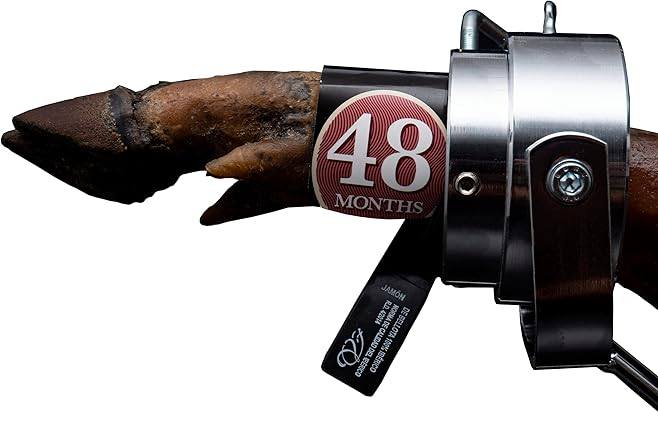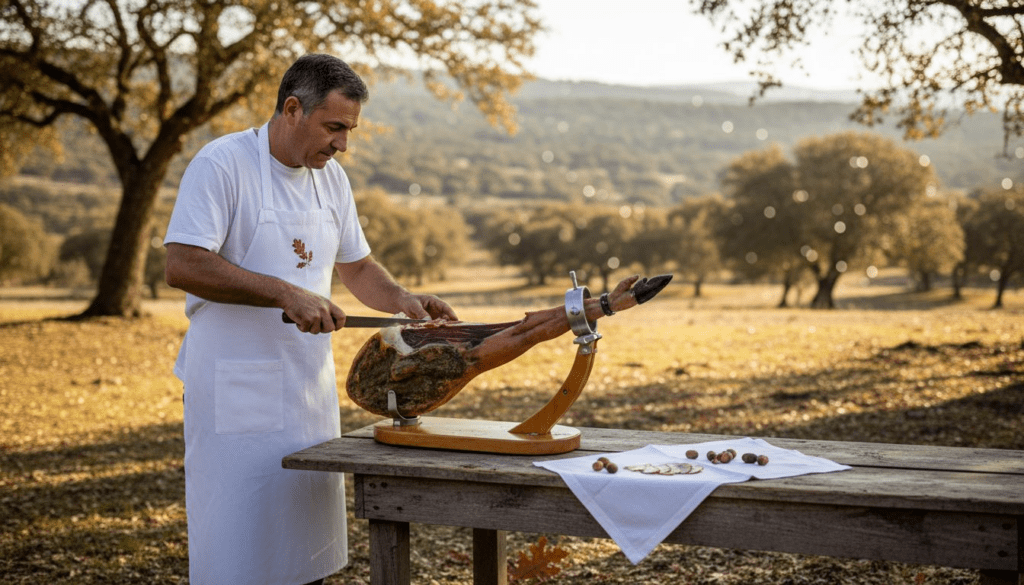
Selecting genuine Jamón de Bellota can feel daunting when so many myths surround Spain’s finest cured meat. For those who cherish the legacy of Spanish craftsmanship and crave the nuanced flavour of acorn-fed Iberico ham, understanding what sets Bellota apart is a mark of true connoisseurship. This guide clarifies how the breed, diet, and artisanal curing methods behind acorn-fed Black Iberian pigs roaming the dehesas deliver an unrivalled gourmet experience.
Table of Contents
- Jamón de Bellota Defined and Common Myths
- Traditional Breeds and Acorn-Fed Diets
- Curing Process and Key Quality Indicators
- Grading, Labelling and Legal Protections
- Comparing Bellota to Other Iberico Hams
Key Takeaways
| Point | Details |
|---|---|
| Authenticity of Jamón de Bellota | True Jamón de Bellota comes from black Iberian pigs that exclusively eat acorns during the montanera season and undergo traditional curing processes. |
| Distinctions Among Iberian Hams | Not all Iberian hams are equal; Jamón de Bellota is the highest quality, whereas other types like Jamón Ibérico de Cebo are lower in quality and flavour. |
| Curing Process Importance | The curing period is crucial, with a minimum of 36 months for quality Jamón de Bellota, significantly impacting flavour and texture. |
| Grading and Legal Protections | The colour-coded hoof system helps identify the purity and diet of the ham, ensuring consumers can verify the authenticity and quality of their purchase. |
Jamón de Bellota Defined and Common Myths
Jamón de Bellota is far more than just cured ham. It’s a reflection of Spain’s oak-filled dehesas, the magnificent black Iberian pigs that roam them, and centuries of craftsmanship distilled into sliced perfection.
At its core, Jamón de Bellota comes from a specific breed: the black Iberian pig. These animals spend their lives in the Spanish countryside, but not all Iberian ham qualifies as Bellota. The critical distinction lies in diet and living conditions during the critical montanera season.
What makes it “Bellota”?
Bellota means acorn in Spanish. For ham to earn this designation, pigs must spend their final months eating exclusively acorns and wild herbs in the dehesas. This isn’t accidental quality—it’s deliberate terroir. The acorn diet infuses the fat with a distinctive creamy, nutty flavour that sets this ham apart.
But here’s where common misconceptions begin. Many assume acorns alone create quality Jamón de Bellota. The reality is more nuanced:
- Breed matters: Only black Iberian genetics produce the right muscle and fat composition
- Movement matters: Pigs exercise naturally in the dehesas, developing superior texture and flavour
- Time matters: Traditional curing takes 36 to over 60 months—no shortcuts
- Geography matters: Strict Denominación de Origen regulations protect authenticity
The true quality arises from a combination of breed, diet, and traditional processing methods that culminate in this celebrated ham variety.
These protected designations aren’t bureaucratic formality. They’re guarantees of legitimacy. When you purchase authentic Jamón de Bellota, you’re buying ham crafted under strict standards that cover everything from pig genetics to curing duration.
Common Myth 1: “All Iberian ham is Bellota.”
Incorrect. Iberian ham exists in several categories. Jamón Ibérico de Bellota stands at the pinnacle because pigs consumed acorns. Jamón Ibérico (without Bellota) means pigs were grain-fed. The flavour and price differ significantly.
Common Myth 2: “Acorns alone create the quality.”
Not quite. The breed of pig and their traditional processing methods contribute equally. Acorns provide one essential component, but genetics and artisanal curing techniques complete the picture.
Common Myth 3: “Younger ham is fresher and better.”
Opposite. Jamón de Bellota requires maturation. A 36-month ham is acceptable. A 48-month ham is excellent. At 60 months or beyond, complexity deepens and flavours intensify. Freshness isn’t the goal—development is.
Pro tip: When purchasing, verify the curing period and look for official Denominación de Origen labelling—these guarantee you’re buying authentic Jamón de Bellota, not a misleading substitute masquerading under a similar name.
Traditional Breeds and Acorn-Fed Diets
The foundation of exceptional Jamón de Bellota rests on two pillars: the right pig and the right food. Get either wrong, and you’re no longer making authentic Bellota—you’re making something else entirely.
The Black Iberian pig is the cornerstone. This ancient breed has roamed the Iberian Peninsula for centuries, developing genetics that produce superior fat marbling and flavour. Not all Iberian ham comes from purebred Black Iberian pigs though. Jamón ibérico must be made from purebred Black Iberian pigs or at least 50% Black Iberian mixed with other breeds, primarily Duroc.
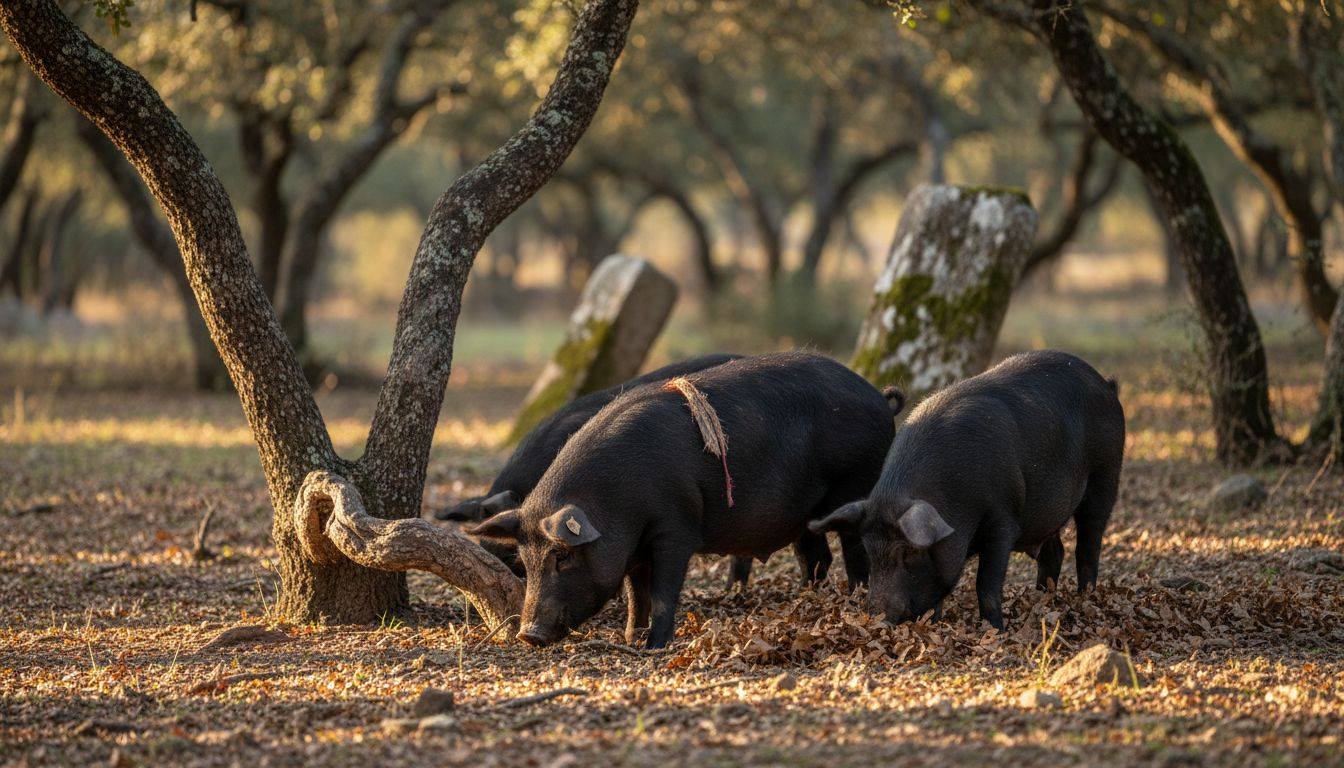
Why does breeding matter so much? The Black Iberian’s genetics create intramuscular fat—fat woven throughout the muscle itself—rather than sitting on top. This fat melts at a lower temperature than standard pork fat, creating that signature buttery texture on your tongue.
The dehesas are where magic happens. These oak-filled woodlands span across Spain’s southwestern regions, particularly Andalucía and Extremadura. They’re not farms in the traditional sense. They’re semi-wild landscapes where pigs roam freely, eating what nature provides.
During the montanera season (roughly September through February), acorns fall abundantly. Pigs gorge themselves on these nutrient-rich nuts, gaining weight rapidly. But they’re also exercising constantly—walking, foraging, exploring—which develops muscle and improves meat quality.
This seasonal diet transforms everything:
- Acorns provide nutrients: Oleic acid gives the fat its distinctive creamy quality
- Natural movement builds flavour: Exercise develops muscle complexity that grain-fed pigs never achieve
- Wild herbs add subtlety: Thyme, rosemary, and other dehesa plants infuse the meat naturally
- The combination matters: None of these elements work alone
The diet, combined with the breed’s genetics, creates the distinctive marbling and fat content that characterise jamón ibérico de bellota.
Not every Black Iberian pig produces Bellota ham though. Some are raised on grain or commercial feed. Those create Jamón Ibérico, which is respectable but fundamentally different. The acorn diet is non-negotiable for Bellota certification.
The montanera timing is equally critical. Pigs must consume acorns during their final months before slaughter—roughly four to five months. This window determines whether they qualify for Bellota status. Start earlier or finish with grain, and the designation disappears.
Pro tip: When evaluating Jamón de Bellota, ask the seller about the pig’s montanera duration—genuine producers can articulate exactly how long pigs spent foraging acorns in the dehesas, which directly correlates with flavour depth.
Curing Process and Key Quality Indicators
Once acorn-fed pigs reach the slaughterhouse, the real transformation begins. Curing transforms raw pork into something transcendent—but only if executed with precision and patience.
The initial phase starts immediately after slaughter. Fresh ham is salted generously and hung in controlled conditions. This salt draws out moisture whilst protecting the meat from harmful bacteria. The hams remain in this salt bath for roughly one week per kilogramme of weight.
After salting comes the drying phase. Hams are rinsed and hung in natural drying chambers—no artificial refrigeration, no rushing. This gradual process typically lasts several months, during which the exterior develops a protective crust.
Then comes the critical extended curing period. Jamón ibérico hams are cured for a minimum of 12 months, sometimes extending up to 48 months. This timeframe varies based on intended quality tier. A 36-month ham is exceptional. A 48-month ham is extraordinary.
During curing, something unexpected happens. A surface mould develops on the ham’s exterior—white, grey, or greenish fuzzy growth. This isn’t contamination. This is beneficial protective layer that guards the meat whilst contributing distinctive aromas and flavours. Experienced producers know exactly which moulds to encourage and which to remove.
Quality indicators emerge throughout this process:
- Fat distribution: Evenly distributed fat throughout the meat (not clumped at edges)
- Texture: Firm yet yielding when sliced, never mushy or hard
- Colour: Deep mahogany red in muscle, creamy white or slightly amber in fat
- Aroma: Complex, slightly sweet, with nutty undertones from acorns
- Marbling: Visible white lines of fat running through the meat
The gradual drying allows flavours to develop fully whilst beneficial surface mould protects the meat and contributes to aroma and taste.
Curing duration directly correlates with flavour intensity. A 24-month ham tastes good. A 36-month ham tastes remarkable. A 48-month ham tastes transcendent—deeper, more complex, more layered.
The environment matters enormously. Temperature fluctuations, humidity levels, and air circulation all influence development. Spanish producers use traditional drying chambers that naturally adjust to seasons rather than climate-controlled facilities. This natural variation creates character.
When purchasing Jamón de Bellota, curing duration should be clearly stated. Producers who hide this information probably have something to hide. Transparency indicates confidence in their product.
Pro tip: Look for visible white marbling throughout the ham’s cross-section and ask the producer about curing duration in natural conditions—longer curing in traditional chambers produces superior flavour complexity compared to accelerated industrial methods.
Grading, Labelling and Legal Protections
Not all Jamón de Bellota is created equal. Spanish law recognises this truth through a meticulous grading system that protects both consumers and genuine producers. Understanding these labels transforms you from confused shopper into informed connoisseur.
The colour-coded hoof system is your first decoder. Each ham receives a coloured band around its hoof, indicating breed purity and diet type. This system exists because regulations distinguish rigorously between different categories.
Black label represents the pinnacle: 100% purebred Black Iberian pigs fed exclusively on acorns during montanera. This is authentic Pata Negra de Bellota. The rarest. The most expensive. The uncompromising choice.
Red label indicates 75% Black Iberian crossed with other breeds (typically Duroc), still acorn-fed. Quality remains excellent, but genetic purity differs from 100% ibérico stock.
Green label means purebred Black Iberian but fed grain during finishing rather than acorns. This produces Jamón Ibérico, not Jamón de Bellota—a crucial distinction.
White label represents crossbred pigs fed grain. This occupies the lowest tier and shouldn’t carry the Bellota designation at all.
Here’s a quick reference to Jamón Iberico grades and their legal protections:
| Label Colour | Breed Purity | Diet Type | Legal Designation |
|---|---|---|---|
| Black | 100% Black Iberian | Acorn-fed in dehesas | Bellota, Denominación de Origen |
| Red | 75% Black Iberian | Acorn-fed in dehesas | Bellota, Denominación de Origen |
| Green | 100% Black Iberian | Grain-fed | Ibérico, not Bellota |
| White | Crossbred Iberian | Grain-fed, confined | Serrano Ibérico, lowest tier |
The grading of Jamón ibérico is regulated by denomination of origin and quality labels, which distinguish between purebred and crossbred Iberian pigs and between diet types. These aren’t suggestions. They’re legal requirements enforced across Spain and Portugal.

The Denominación de Origen system provides geographic protection. Only hams produced in authorised regions using traditional methods can use this designation. This prevents producers from other countries slapping Spanish labels on inferior products.
These legal protections serve multiple purposes:
- Prevent counterfeiting and mislabelling
- Guarantee breed authenticity and geographic origin
- Ensure minimum curing periods are observed
- Protect small artisanal producers from industrial imitation
- Maintain traditional production standards
Legal protections ensure only hams meeting strict criteria regarding breed, diet, and geographic origin can use certain labels, safeguarding quality and authenticity.
Counterfeit Jamón de Bellota circulates globally. Unscrupulous sellers apply misleading labels to grain-fed ham or crossbred pork. The label system exists specifically to prevent this deception.
When purchasing internationally, verify certification. Genuine producers display official labelling proudly. They provide documentation of origin, curing duration, and breed percentages. If a seller can’t produce this information, walk away.
The colour hoof labels are tamper-resistant by design. The numbered tags track individual hams throughout distribution. This traceability matters. You can verify authenticity through official registries.
Pro tip: Before purchasing, photograph the coloured hoof label and cross-reference it with official Denominación de Origen websites—authentic producers welcome verification, while counterfeiters typically resist transparency.
Comparing Bellota to Other Iberico Hams
Not every Iberian ham deserves equal consideration. The market offers several categories, each representing different production standards, price points, and flavour profiles. Understanding these distinctions prevents you from paying premium prices for inferior products.
Jamón de Bellota stands at the hierarchy’s peak. Purebred Black Iberian pigs spend their final months eating exclusively acorns in the dehesas. The result is creamy, complex, utterly distinctive.
Then comes Jamón Ibérico de Cebo de Campo. These purebred Black Iberian pigs are grain-fed but allowed to roam semi-freely. Quality remains respectable but noticeably inferior to Bellota. The fat lacks the creamy texture and nutty complexity. Flavour is more straightforward, less layered.
Jamón Ibérico de Cebo represents industrial production. Purebred Black Iberian pigs eat grain in confined conditions. There’s no outdoor exercise, no natural foraging. The meat tastes competent but bland by comparison. Marbling is sparse. Fat is harder, less interesting.
Lowest tier: Jamón Serrano Ibérico. These are crossbred pigs (typically 50% Black Iberian, 50% Duroc or similar). They’re grain-fed. The final product is merely acceptable—not bad necessarily, but utterly forgettable.
Price differences reflect these distinctions directly. Bellota costs three to five times more than Serrano Ibérico. This isn’t snobbery. Understanding what differentiates Bellota quality reveals why the premium is justified.
Comparison of key differences:
Explore the key distinctions between Bellota, Cebo de Campo, Cebo, and Serrano Ibérico:
| Category | Pig Genetics | Diet & Environment | Typical Curing Time |
|---|---|---|---|
| Bellota | Purebred Black Iberian | Acorn-fed, free-range | 36–60 months |
| Cebo de Campo | Purebred Black Iberian | Grain-fed, semi-free-range | 24–36 months |
| Cebo | Purebred Black Iberian | Grain-fed, confined | 12–24 months |
| Serrano Ibérico | Crossbred (e.g. Duroc) | Grain-fed, confined | 12 months minimum |
- Bellota: 100% purebred, acorn-fed, natural exercise, 36–60 months curing, complex nutty flavour
- Cebo de Campo: 100% purebred, grain-fed, some outdoor access, 24–36 months curing, straightforward flavour
- Cebo: 100% purebred, grain-fed, confined, 12–24 months curing, mild flavour
- Serrano Ibérico: Crossbred, grain-fed, confined, 12 months minimum curing, basic flavour
The defining difference lies not just in diet but in the comprehensive integration of breed, environment, movement, and time that creates Bellota’s superior character.
Flavour differences become obvious when tasted side by side. Bellota melts on your tongue with buttery richness. Cebo de Campo tastes pleasant but lacks depth. Serrano Ibérico tastes like standard ham—acceptable but uninspired.
Price represents value, not arbitrary markup. Extended curing, acorn diet, natural movement, and genetic purity all cost more. Producers cannot compress these requirements. Shortcuts inevitably produce inferior results.
When selecting ham for your collection, recognise that cheaper Iberian options exist. Some are decent. None match Bellota. If you’re investing in Spanish cured ham, invest properly. Compromise elsewhere—not here.
Pro tip: Request tasting samples before committing to bulk purchases—reputable Bellota producers encourage comparison with lower grades, confident that the flavour difference justifies the premium.
Discover the True Essence of Jamón de Bellota with 7 Bellotas
Understanding the intricate details behind Jamón de Bellota—from the exclusive acorn diet and purebred Black Iberian pigs to the extensive ageing process—shows why quality and authenticity matter so deeply. If you are seeking an authentic culinary experience that honours tradition, flavour complexity, and genuine Spanish heritage, settling for anything less risks disappointment. Avoid common pitfalls like confusing Bellota with inferior Iberico hams by choosing a trusted source that guarantees breed purity, natural curing, and proper certification.
Explore our premium selection at 7 Bellotas, where every product reflects artisanal craftsmanship and strict adherence to Denominación de Origen standards. Whether you desire whole hams aged from 36 to over 64 months or carefully sliced portions, our offerings present unparalleled nutty flavours and delicate textures shaped by nature and tradition. Don’t compromise on quality or provenance. Visit our website today to secure your genuine Jamón de Bellota experience and savour Spain’s finest cured ham delivered directly to your door.
Frequently Asked Questions
What is Jamón de Bellota?
Jamón de Bellota is a premium cured ham made from black Iberian pigs that have been exclusively fed acorns during the montanera season. This unique diet and specific breed contribute to its rich flavour and texture.
How does the diet of Iberian pigs affect the quality of Jamón de Bellota?
The acorn diet of the pigs infuses their fat with omega-9 fatty acids, resulting in a creamy, nutty flavour and superior marbling in the meat. This dietary choice, combined with the pigs’ natural movement, enhances the overall quality of the ham.
What distinguishes Jamón de Bellota from other types of Iberian ham?
The primary distinction is in the pig’s diet and genetics. Jamón de Bellota comes from pigs that have been fed acorns and allowed to roam freely, while other types, such as Jamón Ibérico, may be grain-fed or have less ideal living conditions, leading to different flavour profiles and textures.
Why is the curing time important for Jamón de Bellota?
Curing time plays a crucial role in developing flavour and complexity in Jamón de Bellota. Hams typically cure for a minimum of 36 months, with longer periods yielding deeper, more nuanced flavours. Shorter curing times do not allow for the same level of flavour development.