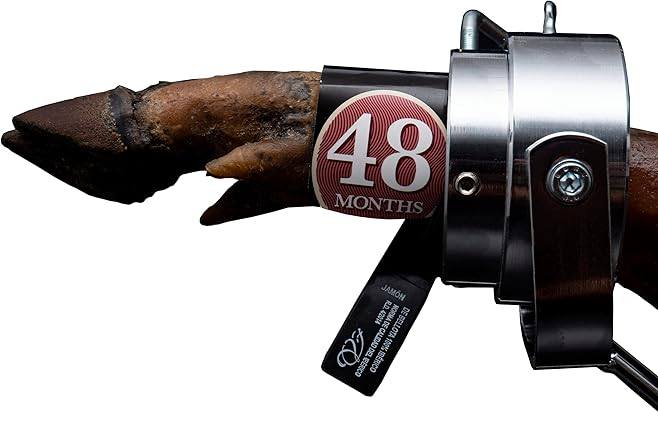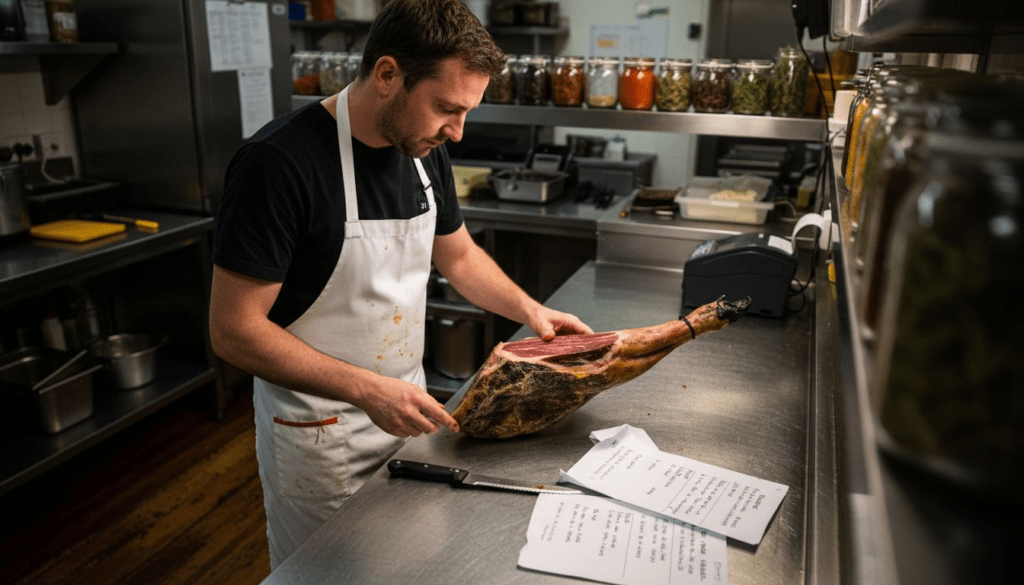
Selecting genuine Iberico ham for North American culinary ventures can be unexpectedly complex when standards matter. Restaurant-quality authenticity and flavour rely on strict Spanish regulations that govern breed purity, feeding methods, and production techniques, so every detail counts. This guide strips away confusion and helps you define sourcing requirements, evaluate artisan suppliers, choose the perfect grade, confirm certifications, and secure flawless delivery—all based on the legal framework protecting quality and consumer trust.
Table of Contents
- Step 1: Assess Requirements For Iberico Ham Sourcing
- Step 2: Research Reputable Artisanal Suppliers Online
- Step 3: Compare Ham Grades And Curing Specifications
- Step 4: Verify Product Authenticity And Certifications
- Step 5: Place Orders And Arrange Secure Delivery
Quick Summary
| Key Point | Explanation |
|---|---|
| 1. Define Your Sourcing Needs | Clearly identify the culinary application of Iberico ham to tailor your sourcing approach and prevent mismatches. |
| 2. Research Artisanal Suppliers | Seek suppliers who openly provide details about their products, including sourcing practices and certifications, ensuring authentic quality. |
| 3. Understand Grades and Curing | Familiarise yourself with the ham’s grading system and associated curing times to make informed purchasing decisions. |
| 4. Verify Authenticity Certifications | Always request and check for PDO and other regulatory certifications to confirm the authenticity and quality of Iberico ham. |
| 5. Ensure Proper Ordering and Delivery | Confirm all specifications and temperature control during delivery to protect the quality of your premium Iberico ham. |
Step 1: Assess requirements for Iberico ham sourcing
Before you source Iberico ham, you need clarity on what authenticity actually means for your culinary project. Different applications demand different specifications, and understanding your needs upfront prevents costly mistakes or disappointment when the ham arrives.
Start by defining your primary use case. Are you acquiring whole hams for a prestige dining establishment, sliced portions for a tasting menu, or specific cuts for a signature dish? Your answer shapes everything else. A restaurant requiring consistent sliced ham has vastly different sourcing priorities than a chef building a curated collection of aged specimens.
Authenticity requires understanding the regulatory framework protecting Iberico ham quality. Spanish legislation governing ham production establishes strict requirements for breed certification, feed types, and production methods to ensure premium standards are met. This legal protection means legitimately sourced Iberico ham meets documented authenticity benchmarks, not just marketing claims.
Consider these key sourcing factors:
- Curing time: 36 months for standard Iberico, 48+ months for superior depth, or reserve selections aged beyond 60 months
- Acorn-feeding status: Verify whether the ham comes from acorn-fed Pata Negra pigs versus fodder-fed alternatives
- Geographical origin: Specific regions like Huelva and Extremadura carry distinct flavour profiles and regulatory designations
- Whole versus sliced: Whole hams offer superior longevity and control; pre-sliced requires faster consumption
- Budget parameters: Premium aged selections command significantly higher investment than entry-level options
Your serving method also influences sourcing decisions. Hand-carved presentations at an exclusive tasting benefit from whole hams, whilst composed plates with precisely measured portions may favour vacuum-packed sliced selections.
Knowing your exact requirements prevents purchasing mismatches and ensures every euro spent delivers the authentic experience your guests deserve.
Pro tip: Request detailed documentation from potential suppliers including breed certification, curing timeline, and geographical provenance before committing to purchase—legitimate Iberico producers readily provide this transparency, and it separates artisanal specialists from generic suppliers.
Step 2: Research reputable artisanal suppliers online
Finding authentic Iberico ham online requires more than a quick search. You need to identify suppliers who genuinely understand the product, maintain proper sourcing practices, and can verify their credentials with transparency.
Start by examining supplier websites for specific details about their stock. Reputable artisanal producers display information about curing times, breed certifications, geographical origin, and production methods openly. If a supplier glosses over these details or relies entirely on vague marketing language, move on.
Look for these verification markers:
- Physical address and contact information that is clearly displayed and responsive to enquiries
- Certifications or partnerships with recognised Spanish trade organisations or regulatory bodies
- Detailed product descriptions including curing duration, acorn-feeding status, and specific regional provenance
- Customer reviews from culinary professionals that mention specific product characteristics and authenticity
- Storage and shipping information that demonstrates proper handling of temperature-sensitive products
Check whether suppliers provide traceability documentation. Legitimate producers can tell you which pigs produced the ham, where they were raised, and exactly how long the curing process took. This transparency separates artisanal specialists from generic food distributors.
When evaluating options, exploring reputable Iberico ham supplier alternatives helps you compare sourcing approaches and identify which producers truly prioritise quality and authenticity over volume.
Contact potential suppliers directly. Ask specific questions about their sourcing, testing procedures, and how they ensure product authenticity. Responsive, knowledgeable answers indicate a supplier serious about their craft.
The suppliers worth working with will answer your technical questions thoroughly and never rush you toward a purchase decision.
Pro tip: Request samples or smaller quantities from new suppliers before committing to large whole ham purchases, allowing you to verify quality and establish confidence in their sourcing practices before making substantial investments.
Step 3: Compare ham grades and curing specifications
Not all Iberico ham is created equally. Understanding the official grading system and curing timelines helps you match the right product to your culinary needs and budget constraints.
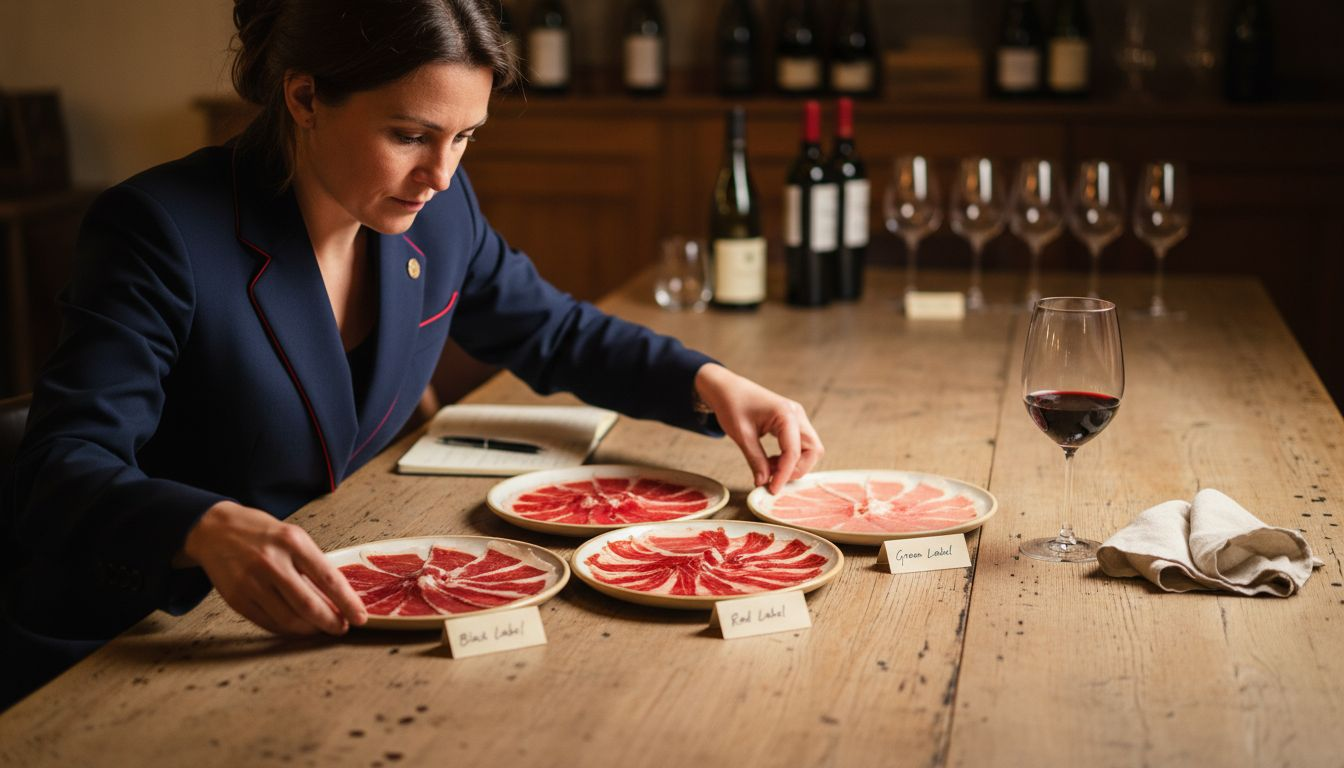
Spanish regulations establish clear distinctions among ham grades based on pig breed purity and feeding methods. The labelling system tells you exactly what you’re purchasing, removing guesswork from your sourcing decisions.
Familiarise yourself with the grade classifications:
- Black label (Pata Negra): 100 per cent Iberico genetics, exclusively acorn-fed, representing the premium tier
- Red label: 75 per cent Iberico genetics minimum, acorn-fed pigs, significant quality and flavour depth
- Green label: 50 per cent Iberico genetics, mixed feed including acorns and fodder, moderate pricing with good characteristics
- White label: 50 per cent Iberico genetics, fodder-fed exclusively, entry-level authenticity with lighter profiles
Curing duration dramatically influences taste and texture. Understanding how Iberico ham grades differ ensures you select specimens aligned with your culinary vision. Standard Iberico requires minimum curing periods, whilst reserve selections aged beyond 48 months develop concentrated umami and crystalline salt deposits that create textural complexity.
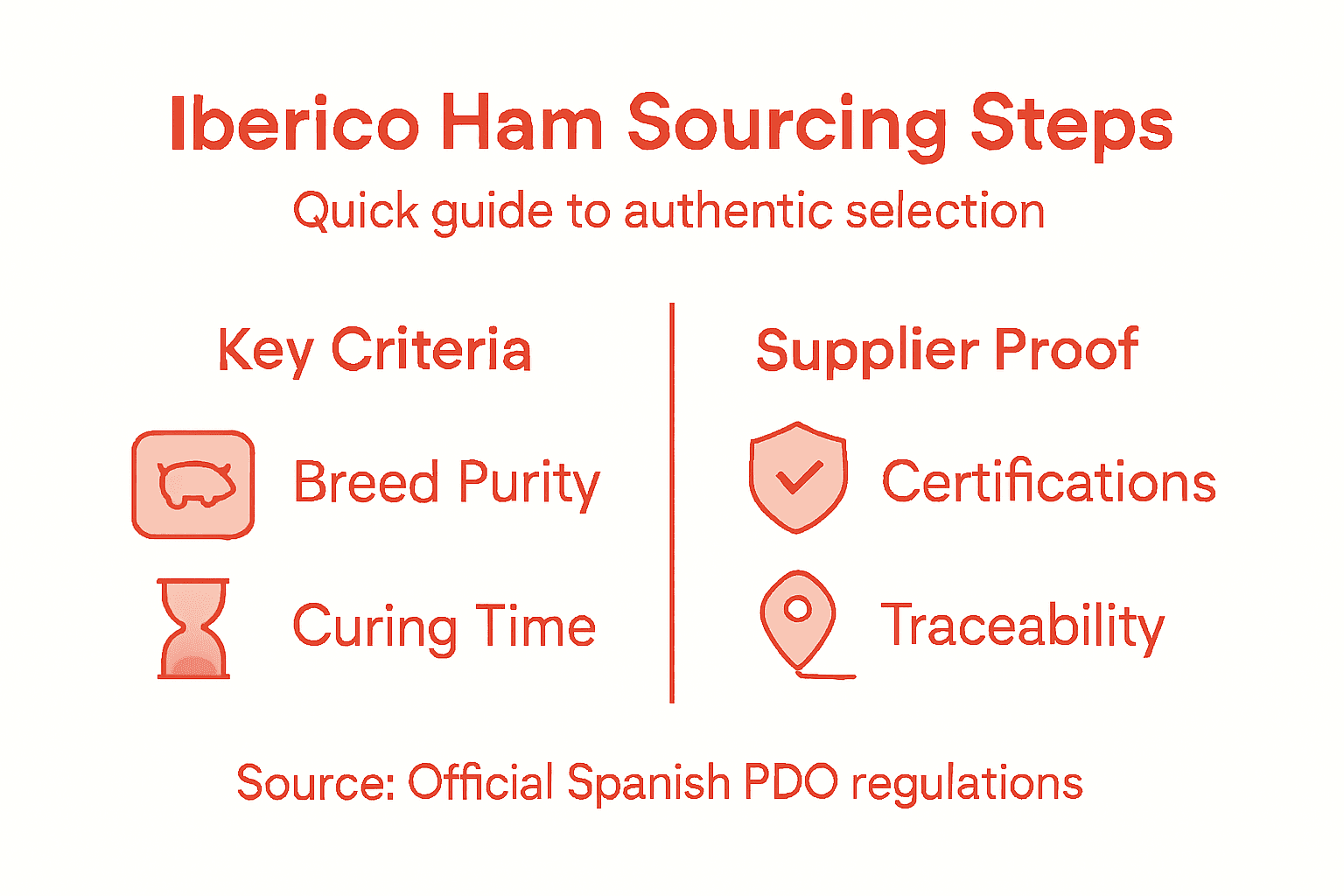
Consider your intended application when selecting grades. A composed tasting plate benefits from premium black label aged over 60 months, whilst incorporating ham into cooked dishes allows you to work with green or red label selections at lower investment.
Here is a concise comparison of Iberico ham grades and their culinary applications:
| Grade Label | Genetic Purity | Feeding Method | Best Culinary Use |
|---|---|---|---|
| Black (Pata Negra) | 100% Iberico | Exclusively acorn-fed | Luxury tasting plates, hand-carving |
| Red | ≥75% Iberico | Acorn-fed | Premium cold starters, cured meats |
| Green | 50% Iberico | Mixed feed with acorns | Mid-range cooked dishes, tapas |
| White | 50% Iberico | Fodder-fed only | Everyday recipes, casual dining |
Request specific curing timelines from suppliers. Terms like “reserva” or “gran reserva” indicate extended ageing, but precise curing duration measured in months provides concrete purchasing information.
Matching the right grade and curing time to your application prevents overspending on unnecessary premiums or compromising quality through budget cuts.
Pro tip: Purchase smaller vacuum-packed portions of different grades and curing times to conduct blind tastings, identifying which specifications deliver the flavour profile your menu demands before committing to whole ham investments.
Step 4: Verify product authenticity and certifications
Authenticity claims mean nothing without verifiable proof. Before committing to a purchase, you need concrete documentation that confirms the ham’s origin, production methods, and regulatory compliance.
Look for the EU Protected Designation of Origin (PDO) certification on all legitimate Iberico ham products. This official designation guarantees the product meets rigorous European standards for authenticity, breed purity, and curing processes.
Key certifications to verify include:
- PDO (Protected Designation of Origin) marking on packaging or documentation
- Certificate of authenticity from the producer or supplier stating production details
- Batch or lot numbers that allow traceability back to specific production runs
- Official regulatory stamps from Spanish authorities confirming compliance
- Third-party laboratory testing documentation verifying product characteristics
EU Protected Designation of Origin certification guarantees the ham’s authenticity through rigorous chemical and morphological analyses. This legal framework regulates production areas, breed purity, and curing methods, providing strong assurance of genuine Iberico ham.
Request documentation directly from suppliers before purchase. Legitimate producers willingly share PDO certificates, testing results, and traceability information without hesitation or delay. If a supplier becomes evasive or cannot provide these documents, that’s a red flag.
Verify certifications independently when possible. Check with Spanish regulatory bodies or PDO registries to confirm that a supplier’s claims match official records. This extra step prevents counterfeit products from reaching your kitchen.
Examine packaging carefully for official markings and security features. Premium producers invest in tamper-evident packaging and holographic labels that distinguish authentic products from imitations.
Genuine Iberico ham producers view certification transparency as a point of pride, not an inconvenience.
Pro tip: Request certified documentation in writing before finalising any purchase, including PDO certificates and laboratory analysis reports, ensuring you have verifiable proof of authenticity for your records and quality assurance protocols.
Step 5: Place orders and arrange secure delivery
Once you’ve selected your supplier and confirmed product specifications, the ordering and delivery process requires careful attention to detail. Temperature control and timing are critical to ensure your premium Iberico ham arrives in perfect condition.
Before finalising your order, confirm all specifications in writing with your supplier. Document the exact product name, curing duration, grade classification, quantity, and agreed delivery date. This written confirmation prevents misunderstandings and provides reference documentation for your records.
Understand the ordering process by reviewing these essential steps:
- Confirm product availability and delivery timeframes before committing funds
- Clarify payment methods and whether deposits or full advance payment is required
- Discuss packaging specifications including insulation, temperature monitoring, and protective materials
- Establish delivery preferences including preferred dates and delivery address details
- Arrange signature confirmation to ensure someone receives the package upon arrival
Temperature management during transit is absolutely critical for whole hams and sliced selections alike. Professional suppliers use insulated packaging with temperature-monitoring devices or refrigerated transport options. Confirm that your supplier employs cold chain logistics appropriate for the product’s value and curing specifications.
For North American deliveries, verify that suppliers understand customs requirements and have experience navigating international food import regulations. Reputable Iberico suppliers routinely handle documentation and regulatory compliance for transatlantic shipments.
Request tracking information and delivery notifications so you can monitor your order’s progress. Upon arrival, inspect packaging immediately for any signs of temperature fluctuation or damage before accepting delivery.
The following table summarises common mistakes when sourcing Iberico ham and how to avoid them:
| Mistake | Impact on Outcome | Solution |
|---|---|---|
| Overlooking certifications | Risk of counterfeit product | Request PDO documents |
| Ignoring curing duration | Weak flavour, poor texture | Specify timeline in months |
| Rushing supplier selection | Inconsistent quality, disappointment | Compare artisanal sources |
| Inadequate packaging | Product spoilage and wastage | Confirm cold chain logistics |
Temperature fluctuations during shipping can compromise months of careful ageing, so verification of proper handling protocols matters as much as the product selection itself.
Pro tip: Schedule deliveries to arrive during business hours when someone can receive the package immediately, inspect for damage, and transfer the ham to appropriate storage rather than leaving premium products exposed to ambient temperature changes on a doorstep.
Elevate Your Gourmet Experience with Authentic Iberico Ham from 7 Bellotas
Sourcing truly authentic Iberico ham requires careful attention to breed purity, curing time and verified certifications. If you want to guarantee your dining guests enjoy the rich, nuanced flavours of traditional acorn-fed Pata Negra ham, it is essential to partner with a trusted supplier that offers complete transparency and artisanal craftsmanship. At 7 Bellotas, we specialise in premium Iberico ham aged naturally from 36 up to over 64 months, alongside other cured meats like chorizo and salami, all carefully sourced from small-scale Spanish farms.
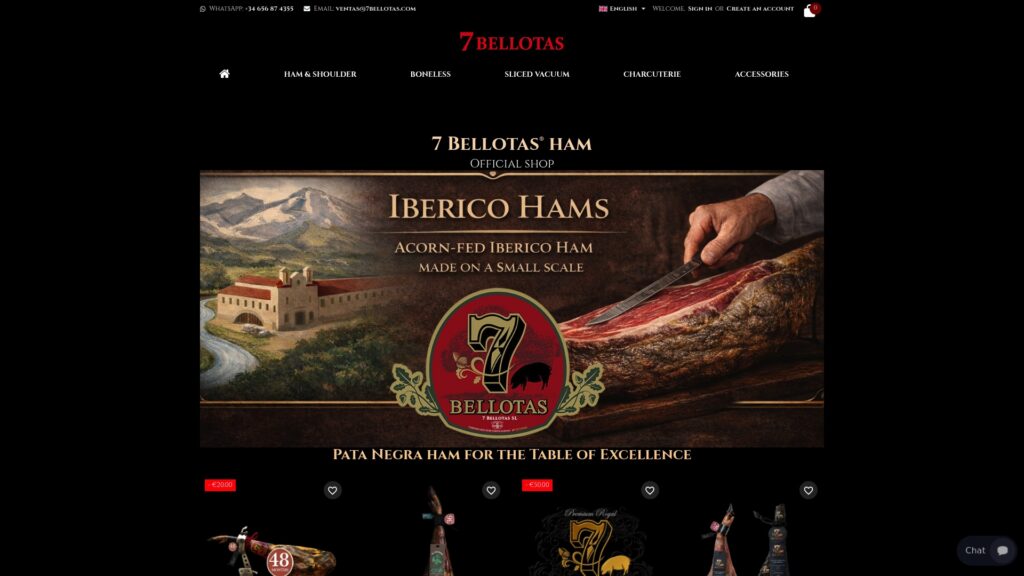
Discover our detailed product descriptions and choose from whole hams, pre-sliced portions or vacuum-packed selections designed to suit your kitchen’s specific needs. Our commitment to traditional production methods and official European certifications ensures you receive only genuine products that reflect the highest standards of Spanish heritage. Do not leave your sourcing decisions to chance — visit 7 Bellotas today to explore our exclusive collection and take the next step towards authentic gourmet dining with Iberico ham you can trust.
Frequently Asked Questions
What criteria should I consider when sourcing Iberico ham for my restaurant?
Understanding your specific needs is crucial when sourcing Iberico ham. Consider factors such as curing time, acorn-feeding status, geographical origin, and whether you require whole hams or sliced portions. Define your primary use case to ensure that you are making informed decisions that align with your culinary project.
How can I verify the authenticity of Iberico ham suppliers?
To verify the authenticity of Iberico ham suppliers, look for clear documentation regarding breed certification, curing specifications, and geographical provenance. Ask for certifications like the EU Protected Designation of Origin (PDO) and ensure suppliers provide traceability details about the ham’s sourcing.
What are the different grades of Iberico ham and which should I choose for gourmet dining?
Iberico ham comes in various grades, including black label (Pata Negra), red label, green label, and white label. For gourmet dining, opt for black label aged over 60 months for its exceptional flavour and texture. Assess your culinary needs and budget to select the right grade for your menu offerings.
How important is curing time in the selection of Iberico ham?
Curing time significantly influences the taste and texture of Iberico ham. A standard Iberico ham requires a minimum of 36 months of curing, while premium selections can be aged for 48 months or more. Request specifics on curing timelines to ensure you are investing in the best quality for your dishes.
What should I do to ensure proper delivery and storage of Iberico ham?
To ensure proper delivery and storage of Iberico ham, confirm that suppliers use insulated, temperature-controlled packaging during transit. Specify preferences for delivery and arrange for someone to receive and store the ham immediately to prevent spoilage and maintain its quality throughout transportation.
How can I compare different Iberico ham suppliers effectively?
To compare different Iberico ham suppliers effectively, examine their websites for clear information on sourcing practices, certifications, and product details. Reach out to potential suppliers with specific questions about their products to gauge their knowledge and responsiveness before making a decision.