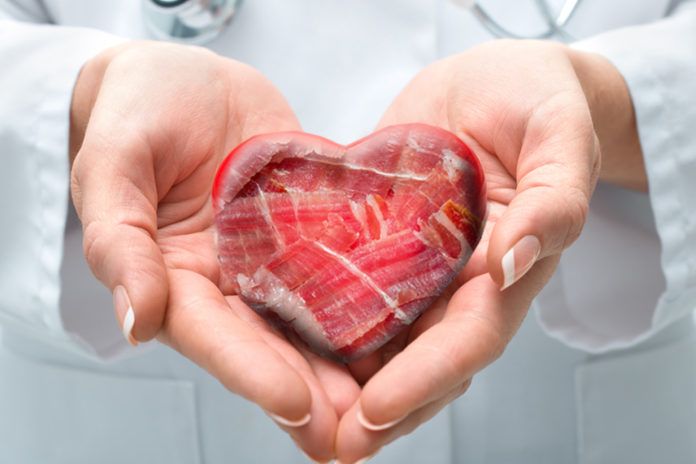
Not all Spanish ham deserves its reputation. The finest Spanish pork products combine centuries of tradition with exacting standards for genetics, diet, and production. Understanding what separates premium acorn-fed Iberico ham from ordinary cured meats reveals why connoisseurs prize these artisanal delicacies above all others.
Table of Contents
- Understanding Iberian Pig Genetics And Breed Purity
- The Montanera Diet: Acorns And Natural Foraging
- Protected Designation Of Origin And Quality Standards
- Why Connoisseurs Prefer Spanish Iberico Pork
- Explore Premium Spanish Pork Products At 7 Bellotas
- Frequently Asked Questions About Spanish Pork Products
Key takeaways
| Point | Details |
|---|---|
| Genetic purity matters | Iberian pigs are classified as 50%, 75%, or 100% pure breed, with 100% Iberian producing the highest quality ham. |
| Acorn diet defines flavour | During the montanera season, pigs consume acorns rich in oleic acid, creating the distinctive buttery texture and complex taste. |
| DOP regulations ensure authenticity | Protected designation of origin rules enforce strict breed, feeding, and curing standards, though recent changes have sparked industry debate. |
| Marbling rivals Wagyu beef | Spanish Iberico pork shares similarities with Wagyu in terms of rich marbling and melt-in-mouth texture. |
| Artisanal production preserves quality | Free-range rearing and traditional curing methods distinguish premium Spanish pork from industrial alternatives. |
Understanding Iberian pig genetics and breed purity
The foundation of premium Spanish pork lies in the Iberian pig’s genetic purity. Producers classify Iberico ham by breed percentage: 50%, 75%, and 100% Iberian genetics. These percentages determine not just price but fundamental characteristics of flavour, marbling, and texture that define the eating experience.
Purebred 100% Iberian pigs produce ham with unparalleled intramuscular fat distribution. This natural marbling creates the signature buttery mouthfeel that sets premium Spanish pork apart. The fat infiltrates muscle tissue during the pig’s life, particularly during the crucial montanera period when acorn consumption peaks.
Lower breed thresholds permit crossbreeding with Duroc pigs, a practice that alters the final product substantially. Whilst 50% Iberian ham remains legally classified as Iberico, the flavour profile shifts noticeably. Industry experts express concern that relaxed standards confuse consumers and dilute the reputation Spanish pork has earned over centuries.
The genetic impact on Iberico products extends beyond taste to nutritional composition. Purebred Iberian pigs convert acorns more efficiently into beneficial fats, particularly monounsaturated fatty acids. This biochemical advantage makes 100% Iberian ham not just tastier but potentially healthier than crossbred alternatives.
Key breed purity factors:
- 100% Iberian pigs produce superior marbling and complex flavour profiles
- 75% Iberian ham balances quality with more accessible pricing
- 50% Iberian products show noticeable Duroc influence on taste and texture
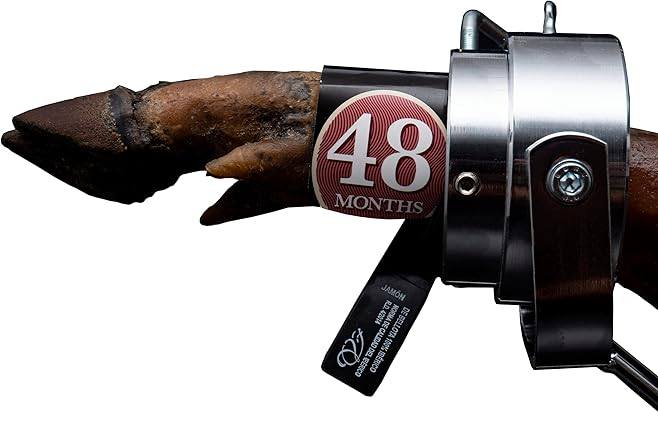
- Breed certification appears on official tags attached to each ham
Pro Tip: Always check the colour-coded tag system on whole hams. Black tags indicate 100% Iberian breed purity, whilst green tags denote 50-75% Iberian genetics.
The montanera diet: acorns and natural foraging
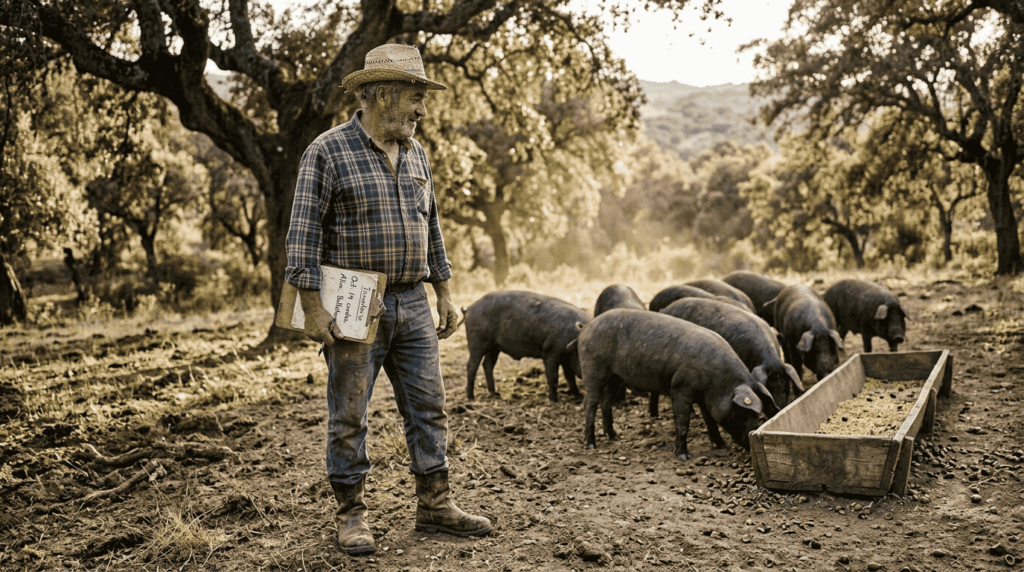
From October to March each year, Iberian pigs enter the montanera season, the defining period for premium Spanish pork production. During these months, pigs roam freely across dehesa woodlands, consuming vast quantities of acorns that fundamentally shape the final product’s character.

Acorns contain exceptionally high levels of oleic acid, the same heart-healthy monounsaturated fat found in olive oil. This dietary component directly influences fat composition in the pig’s muscles. As Iberian pigs can consume up to 10 kilograms of acorns daily, their tissue becomes saturated with beneficial fats that create the distinctive flavour profile.
The physical activity during montanera proves equally important. Pigs walk considerable distances whilst foraging, sometimes covering nine miles in a single day. This natural exercise develops lean muscle tissue interspersed with fat deposits, creating the prized marbling pattern. The combination of exercise and acorn consumption produces meat with texture comparable to premium Wagyu beef.
Environmental factors during montanera also contribute to quality. Weather conditions, acorn crop abundance, and terrain variations each influence how pigs develop. Years with exceptional acorn harvests produce hams with more pronounced nutty undertones and softer fat consistency.
The unique interplay between oleic acid from acorns and the Iberian pig’s genetic predisposition to intramuscular fat storage creates an unreplicable flavour profile. This biochemical process, refined over generations, cannot be rushed or artificially replicated in industrial settings.
Montanera impact on quality:
- Pigs gain 50-60% of their final weight during this four-month period
- Acorn varieties (holm oak, cork oak) impart distinct flavour notes
- Natural foraging develops superior muscle structure compared to confined feeding
- Bellota designation requires minimum montanera participation
Protected designation of origin and quality standards
Spanish DOP regulations for Iberico ham establish comprehensive frameworks protecting product authenticity. These protected designations specify everything from geographical boundaries to minimum curing times, creating legal safeguards for consumers seeking genuine artisanal products.
However, recent regulatory changes have sparked significant industry controversy. The Guijuelo DOP’s decision to lower minimum breed purity from 75% to 50% provoked strong opposition from other protected regions. Jabugo and Los Pedroches DOPs maintain stricter standards, arguing that reduced requirements threaten consumer trust and product integrity.
This regulatory divide creates confusion in the marketplace. Consumers now face products labelled “Iberico” that vary substantially in quality based on their DOP region. Understanding these differences becomes essential for making informed purchasing decisions.
Comparison of major DOP standards:
| DOP Region | Minimum Breed Purity | Montanera Requirement | Minimum Curing Time |
|---|---|---|---|
| Guijuelo | 50% Iberian | Mandatory for Bellota | 24 months |
| Jabugo | 75% Iberian | Mandatory for Bellota | 36 months |
| Los Pedroches | 75% Iberian | Mandatory for Bellota | 24 months |
| Dehesa de Extremadura | 50% Iberian | Mandatory for Bellota | 24 months |
The colour-coded labelling system provides another layer of consumer protection. Black labels denote premium Bellota ham from 100% Iberian pigs. Red labels indicate Bellota ham from 50-75% Iberian breeds. White and green labels represent cebo and cebo de campo categories with grain or mixed feeding.

Pro Tip: Research the specific DOP region before purchasing to understand exact standards applied. Authenticating Iberico products requires checking both breed percentage and DOP certification.
Why connoisseurs prefer Spanish Iberico pork
The comparison between Iberico pork and Wagyu beef extends beyond marketing hyperbole. Both products share fundamental characteristics: exceptional marbling created through specific genetics and carefully controlled diets. The intramuscular fat in premium Iberico ham literally melts at room temperature, creating a sensory experience unmatched by industrial pork products.
Artisanal production methods preserve qualities that industrial processes sacrifice. Free-range rearing allows natural behaviours that influence meat texture and flavour development. Traditional curing cellars use ambient temperature and humidity rather than artificial climate control, permitting complex biochemical transformations over extended ageing periods.
The unique terroir of Spanish dehesa ecosystems cannot be replicated elsewhere. These ancient oak woodlands represent balanced ecosystems where pigs, trees, and native vegetation coexist. This environmental specificity means authentic Iberico pork carries geographical identity as distinctive as wine appellations.
Reasons connoisseurs value premium Spanish Iberico pork:
- Unparalleled marbling creates buttery texture and complex flavour profiles absent in conventional pork
- Natural free-range rearing produces superior muscle development and fat distribution
- Extended curing periods develop deep umami notes and aromatic complexity
- Traceable provenance connects products to specific farms and production methods
- Cultural heritage spanning centuries of refined techniques and accumulated knowledge
- Nutritional benefits from high oleic acid content and favourable fatty acid ratios
- Versatility in culinary applications from standalone tastings to sophisticated recipe integration
Global recognition of Spanish Iberico ham continues expanding amongst discerning consumers. Michelin-starred restaurants feature premium cuts as signature menu items. Wine experts pair aged hams with specific vintages to highlight complementary flavour notes. This connoisseur preference for Iberico products reflects genuine quality differences rather than mere fashion.
The sustainability aspect also appeals to conscious consumers. Traditional dehesa management supports biodiversity, prevents soil erosion, and maintains carbon-sequestering oak forests. Choosing authentic Iberico products supports environmental stewardship alongside exceptional eating experiences.
Explore premium Spanish pork products at 7 Bellotas
After understanding what makes Spanish pork exceptional, sourcing authentic products becomes the natural next step. Finding reliable suppliers who guarantee provenance and quality requires careful selection.
Discover curated selections of 100% Iberian acorn-fed hams with verified DOP certifications. Each product includes detailed provenance information, helping you make confident choices. Expert sourcing ensures only hams meeting strict quality standards reach discerning customers.
Detailed product descriptions explain curing times, breed percentages, and optimal serving suggestions. Whether seeking whole bone-in hams or precisely sliced portions, transparent information supports informed decisions. Understanding Jamón Ibérico’s significance enhances appreciation for these artisanal products.
Frequently asked questions about Spanish pork products
What distinguishes acorn-fed Iberico ham from other cured hams?
Acorn-fed Iberico ham receives its distinctive character from pigs consuming acorns during the montanera season. This natural diet creates superior marbling and buttery texture impossible to achieve with grain feeding. The oleic acid from acorns produces health benefits alongside exceptional flavour.
How can I verify the authenticity of Spanish Iberico pork products?
Authentic Iberico products carry colour-coded tags indicating breed purity and feeding category. Black tags represent premium 100% Iberian Bellota ham. Check for DOP certification marks and detailed labelling showing origin region. Selecting authentic quality requires examining these verification markers carefully.
Why is the montanera season important for Iberico ham quality?
The montanera period from October to March allows pigs to gain 50-60% of final weight through acorn consumption. This seasonal feeding creates the signature fat composition and flavour profile. Weather and acorn crop quality during montanera directly influence final ham characteristics.
What impact do breed purity percentages have on flavour and price?
Higher Iberian breed percentages correlate with superior marbling, more complex flavours, and elevated prices. 100% Iberian hams command premium pricing due to limited availability and exceptional quality. Lower percentages incorporate Duroc genetics, producing milder flavours and different textures at more accessible price points.
Can Iberico ham be compared to other luxury meats like Wagyu beef?
Both products share similarities in marbling patterns and rich, buttery textures created through specific genetics and controlled diets. The fat composition in premium Iberico ham provides comparable mouthfeel to Wagyu. Industry experts frequently reference this comparison to convey quality levels to international audiences unfamiliar with Spanish pork traditions.