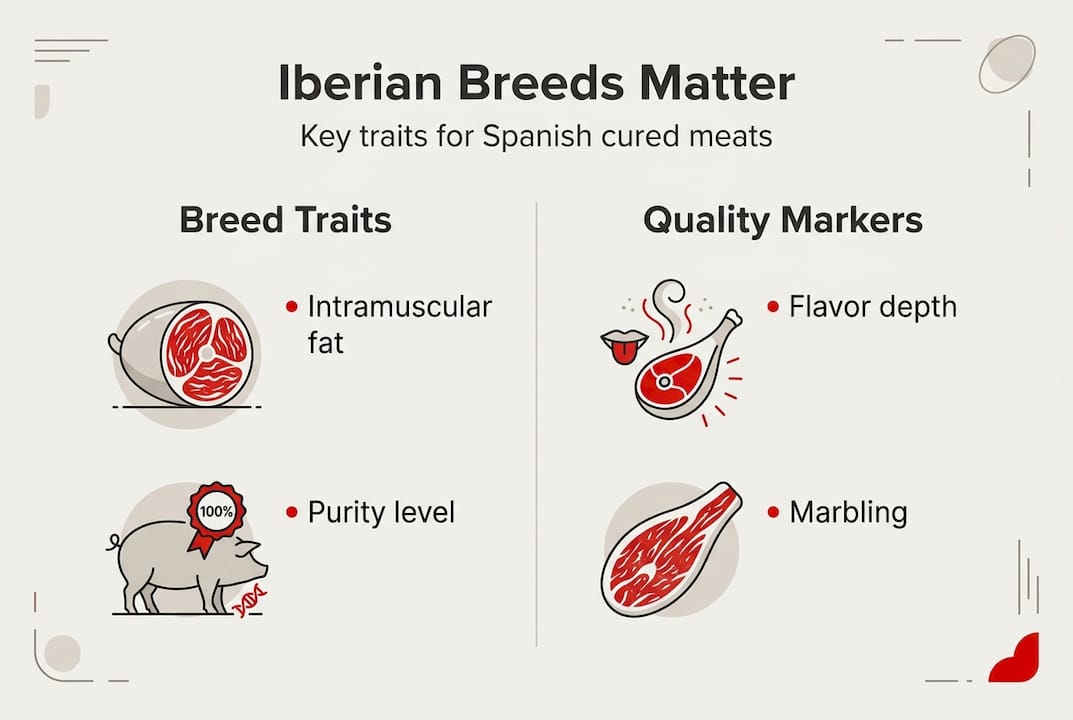
Iberian pig breeds stand apart from all other pork varieties through unique genetic traits that enable exceptional intramuscular fat marbling and oleic acid infiltration. These biological characteristics transform ordinary pork into the world’s most prized cured meats, creating the melt-in-mouth texture and complex nutty flavour that define authentic Jamón Ibérico. Understanding breed distinctions, regulatory classifications, rearing environments, and curing methodologies reveals why discerning connoisseurs seek pure Iberian genetics when selecting premium Spanish ham. This article explores the science behind breed superiority, regulatory frameworks ensuring authenticity, and practical guidance for identifying genuine quality.
Table of Contents
- Key takeaways
- The genetics behind Iberian pigs’ unique flavour profile
- Breed purity and Spanish regulations: guaranteeing authenticity
- Free-range rearing and diet: shaping flavour and sustainability
- The curing process: transforming Iberian pork into gourmet ham
- Purebreds versus crossbreeds: balancing flavour and yield
- Discover authentic Iberico ham at 7 Bellotas
- Frequently asked questions
Key Takeaways
| Point | Details |
|---|---|
| Genetic fat profile | Iberian pigs naturally develop 8 to 12 per cent intramuscular fat and 55 to 65 per cent oleic acid, delivering melt in the mouth texture and nutty flavour. |
| Breed purity rules | Spain’s 2014 framework classifies products by breed purity, requiring DNA verification and traceability across supply chains. |
| Acorn diet impact | A free range acorn diet boosts oleic acid and helps impart the characteristic taste, with acorn rich feeding enabling conversion of dietary oleic acid into muscle tissue. |
| Curing time value | Curing develops texture and aroma over months, with higher oleic acid content remaining stable during ageing to prevent rancidity and support complex flavours. |
| Pure versus crossbreeds | Pure Iberian genetics offer premium nuance while crossbreeds balance flavour with yield. |
The genetics behind Iberian pigs’ unique flavour profile
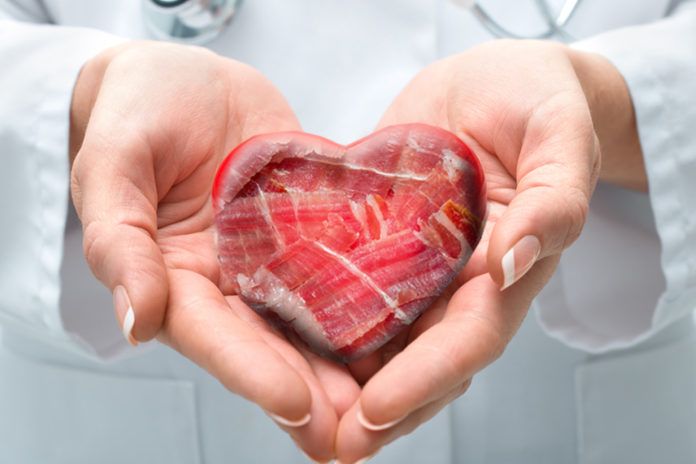
Intramuscular fat, the fine marbling threading through muscle tissue, determines both texture and flavour intensity in cured meats. Iberian pig breeds possess unique genetics enabling superior intramuscular fat marbling and oleic acid infiltration, essential for melt-in-mouth texture and nutty flavour. Standard pork breeds typically achieve 2 to 3 percent intramuscular fat content, whilst Iberian pigs naturally develop 8 to 12 percent through genetic predisposition alone.
The oleic acid concentration in Iberian pork reaches 55 to 65 percent of total fat composition, dramatically higher than conventional breeds averaging 40 to 45 percent. This monounsaturated fatty acid profile creates the characteristic silky texture and allows fat to literally melt at room temperature. Genetic studies reveal Iberian pigs carry specific alleles affecting lipid metabolism and fat deposition patterns, traits refined through centuries of selective breeding in southwestern Spain.
Key genetic advantages include:
- Enhanced lipogenic enzyme activity promoting intramuscular fat accumulation
- Efficient conversion of dietary oleic acid from acorns into muscle tissue
- Slower growth rates allowing extended fat infiltration periods
- Natural propensity for subcutaneous and intramuscular fat storage
Modern breeds like Large White or Landrace were developed for lean muscle mass and rapid growth, directly opposing the fat-rich profile prized in Iberico pigs’ unique flavour development. The genetic architecture governing fat deposition in Iberian breeds represents hundreds of years of environmental adaptation to Mediterranean oak forests, where acorn availability shaped metabolic efficiency. This biological heritage cannot be replicated through diet alone in other breeds.
“The Iberian pig’s genetic makeup creates a natural predisposition for intramuscular fat that responds uniquely to acorn-rich diets, producing oleic acid concentrations unmatched by any other swine breed worldwide.”
Fat quality directly influences curing success because higher oleic acid content remains stable during extended ageing, preventing rancidity whilst developing complex aromatic compounds. The interplay between genetics and environment makes Iberian pork fundamentally different from standard varieties, establishing the foundation for premium cured meat production.
Breed purity and Spanish regulations: guaranteeing authenticity
Spanish legislation established in 2014 created strict classification standards protecting consumers and preserving Iberian heritage. Breed purity percentages and diet determine official product categories, with regulations requiring DNA verification and traceability documentation throughout production chains. The system categorises products into three breed purity levels: 100 percent Iberian, 75 percent Iberian (one Duroc parent), and 50 percent Iberian (one Iberian parent).
Diet classifications add another quality dimension through colour-coded labels. Black labels designate bellota (acorn-fed) products from 100 percent pure Iberian pigs raised free-range during montanera. Red labels indicate bellota from 50 to 75 percent Iberian genetics. Green labels mark cebo de campo (pasture-raised with supplemental feed), whilst white labels identify cebo (intensive barn-rearing with compound feed). Only black label products represent the absolute pinnacle of Spanish ham classification standards.
| Classification | Breed purity | Diet | Rearing method | Fat quality |
|---|---|---|---|---|
| Black label | 100% Iberian | Acorns only | Free-range dehesa | Maximum oleic acid, superior marbling |
| Red label | 50-75% Iberian | Acorns only | Free-range dehesa | High oleic acid, excellent marbling |
| Green label | 50-100% Iberian | Pasture + feed | Semi-extensive | Moderate oleic acid, good marbling |
| White label | 50-100% Iberian | Compound feed | Intensive barn | Lower oleic acid, basic marbling |
Designation of Origin (D.O.) certifications like Jabugo and Guijuelo add geographical authenticity guarantees, ensuring products originate from specific regions with ideal microclimates and traditional expertise. These D.O. zones maintain centuries-old production knowledge and environmental conditions impossible to replicate elsewhere. Regulatory oversight includes:
- Mandatory genetic testing verifying breed purity percentages
- Tracking systems monitoring each animal from birth through slaughter
- Inspector audits of dehesa acreage and acorn availability
- Laboratory analysis confirming oleic acid content meets standards
- Certification body approval before label assignment
Black label products represent less than 10 percent of total Iberian ham production, making them genuinely rare. Understanding these classifications empowers consumers to identify authentic quality and justify premium pricing. The regulatory framework ensures Spanish pork quality standards remain uncompromised by commercial pressures favouring quantity over heritage craftsmanship.
Free-range rearing and diet: shaping flavour and sustainability
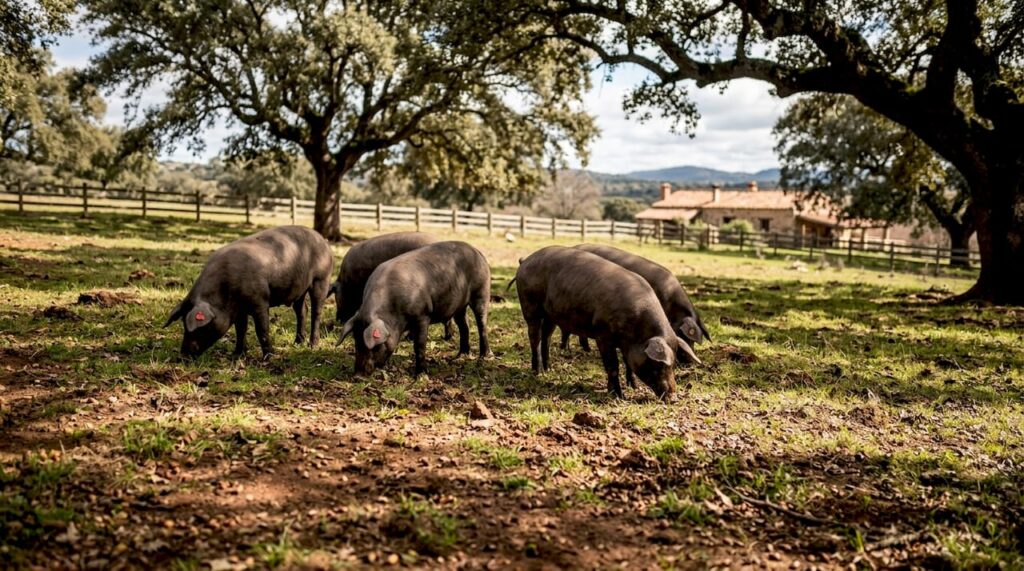
The montanera season runs from October through February when holm and cork oak trees drop acorns across dehesa forests. During this critical period, Iberian pigs roam freely across extensive woodlands, consuming 8 to 10 kilograms of acorns daily alongside wild grasses and herbs. Free-range dehesa rearing during montanera yields oleic-rich fat superior to intensive systems, with pigs gaining 50 to 60 percent of their final body weight through this natural foraging.
Acorns contain 60 to 70 percent oleic acid in their oil fraction, which Iberian pigs metabolise efficiently into intramuscular and subcutaneous fat deposits. This dietary transformation elevates oleic acid content in finished ham to levels approaching olive oil, creating the characteristic nutty sweetness and smooth texture. The extensive exercise required for foraging across 1 to 2 hectares per pig simultaneously develops muscle tone whilst distributing fat evenly throughout tissue.
Key benefits of authentic free-range rearing include:
- Enhanced oleic acid infiltration producing heart-healthy monounsaturated fat profiles
- Development of complex flavour compounds from diverse botanical diet components
- Superior muscle texture from natural exercise patterns during foraging
- Animal welfare standards exceeding conventional livestock systems
- Environmental sustainability through preservation of ancient dehesa ecosystems
Intensive rearing systems using compound feeds cannot replicate these outcomes regardless of genetic quality. Barn-raised pigs develop different fat compositions with lower oleic acid percentages and less flavour complexity. The dehesa environment itself contributes aromatic compounds through herbs, grasses, and seasonal vegetation that subtly influence final taste profiles. This terroir effect mirrors wine production, where environmental factors shape finished product characteristics.
Pro Tip: Authentic dehesa-raised products display darker meat colour with visible fat marbling throughout muscle tissue. Check certification labels for “bellota” designation and D.O. origin stamps confirming free-range montanera feeding. Product descriptions should specify 100 percent acorn diet without supplemental feed additions.
Sustainability considerations make dehesa systems particularly valuable. These managed oak forests support biodiversity, prevent soil erosion, and sequester carbon whilst producing premium food. The extensive land requirements limit production volumes naturally, maintaining scarcity that justifies premium positioning. Understanding the relationship between wild vs farmed Iberico pigs helps consumers appreciate why authentic free-range products command higher prices reflecting genuine production costs and environmental stewardship.
The curing process: transforming Iberian pork into gourmet ham
Curing methodology transforms raw Iberian pork into shelf-stable gourmet products through carefully controlled enzymatic and chemical reactions. Salting, drying, and ageing monitored via cala and HS-GC-IMS for volatiles ensure consistent quality development over extended periods. The process begins immediately post-slaughter with temperature-controlled salting lasting 1 to 1.5 days per kilogram of ham weight, typically 12 to 18 days total.
The four distinct curing stages each serve specific purposes:
- Salting phase: Salt penetration dehydrates surface tissues, inhibiting bacterial growth whilst initiating protein breakdown through osmotic pressure
- Resting phase: 60 to 90 days at controlled humidity allow salt to distribute evenly throughout the ham whilst excess moisture drains
- Drying phase: 6 to 9 months in temperature-regulated drying rooms reduce water activity to safe levels for extended ageing
- Ageing phase: 18 to 48+ months in natural cellars develop complex aromatic compounds through enzymatic proteolysis and lipolysis
| Curing duration | Flavour profile | Texture characteristics | Volatile compounds |
|---|---|---|---|
| 36 months | Mild, sweet, nutty | Tender, slightly moist | Moderate complexity |
| 48 months | Balanced, rich, savoury | Firm, well-developed | High complexity |
| 60+ months | Intense, concentrated | Dense, crystalline | Maximum complexity |
Modern quality control employs headspace gas chromatography-ion mobility spectrometry (HS-GC-IMS) to analyse volatile organic compounds developing during ageing. This technology identifies over 100 distinct aromatic molecules contributing to flavour profiles, allowing producers to optimise cellar conditions and predict optimal consumption windows. Traditional cala assessment, where expert curers insert bone needles to sample internal aromas, remains valuable for evaluating individual ham readiness.
The extended Iberico vs Serrano ham differences in curing duration reflect fundamental variations in fat content and breed characteristics. Iberian genetics enable longer ageing without quality deterioration because high oleic acid content resists oxidative rancidity. Each additional month develops deeper umami notes, increases amino acid concentrations, and creates more complex aromatic bouquets.
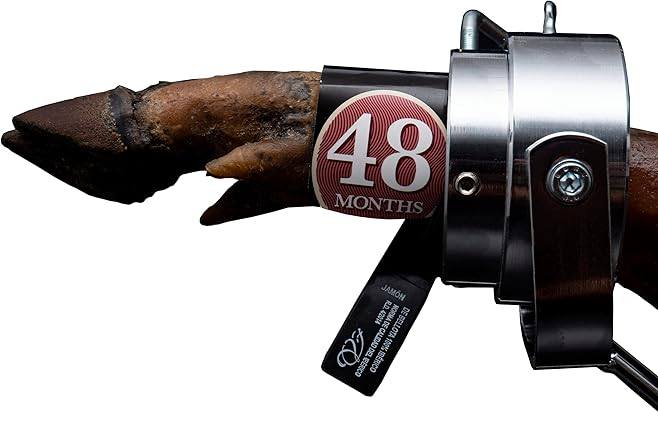
Pro Tip: Assess quality by examining cut surfaces for consistent deep red colour with white fat marbling throughout. Aroma should be pleasantly nutty and sweet without sharp or ammonia notes. Expert tips for selecting Iberico ham emphasise checking curing duration on labels, with 48+ months indicating premium development.
Purebreds versus crossbreeds: balancing flavour and yield
Pure 100 percent Iberian pigs represent the genetic pinnacle for flavour complexity and fat quality, whilst Iberian x Duroc crosses offer commercial advantages. Pure Iberian pigs outperform crossbreeds in fat quality and complexity, though crosses offer balanced yield and tenderness through hybrid vigour. Understanding these distinctions helps match product selection to specific culinary applications and budget considerations.
| Characteristic | 100% Iberian | 75% Iberian (x Duroc) | 50% Iberian (x Duroc) |
|---|---|---|---|
| Intramuscular fat | 10-12% | 8-10% | 6-8% |
| Oleic acid content | 60-65% | 55-60% | 50-55% |
| Flavour complexity | Maximum nuance | Excellent balance | Good intensity |
| Growth rate | Slower (18-24 months) | Moderate (14-18 months) | Faster (12-16 months) |
| Commercial yield | Lower carcass weight | Balanced output | Higher productivity |
| Price positioning | Ultra-premium | Premium | Mid-premium |
Purebred advantages and limitations:
- Superior fat infiltration creating unmatched texture and mouthfeel
- Maximum oleic acid percentages for heart-healthy profiles
- Subtle flavour nuances appreciated by experienced connoisseurs
- Slower growth requiring extended rearing investments
- Lower meat yields reducing commercial efficiency
Crossbreed characteristics:
- Duroc genetics improve growth rates and carcass weights
- Maintained good intramuscular fat levels above standard breeds
- Balanced flavour profiles accessible to broader audiences
- Enhanced tenderness from hybrid genetic combinations
- Better commercial viability for producers
Purebred selections suit occasions demanding absolute quality where subtle distinctions matter, such as standalone tastings or special celebrations. The flavour complexity rewards slow, mindful consumption allowing appreciation of nuanced characteristics. Crossbreeds excel in culinary applications where Iberian quality enhances dishes without overwhelming other ingredients, offering excellent value whilst maintaining authentic character.
Pro Tip: Choose 100 percent Iberian for thin-sliced presentations where fat quality and flavour subtlety take centre stage. Select 75 percent crosses for everyday enjoyment balancing premium quality with reasonable pricing. Both options vastly exceed standard ham varieties.
Selecting authentic Iberico ham requires checking breed percentage on certification labels and understanding how genetics influence final characteristics. Why connoisseurs prefer Iberico ultimately stems from these genetic foundations creating flavour profiles impossible in other breeds regardless of curing expertise.
Discover authentic Iberico ham at 7 Bellotas
Now that you understand the genetic foundations, regulatory classifications, and production methodologies distinguishing premium Iberian products, you’re equipped to make informed selections. 7 Bellotas specialises in authentic Spanish Iberico ham sourced directly from certified producers maintaining traditional craftsmanship standards. Our curated selection features products across breed purity levels and curing durations, allowing you to explore the quality spectrum from excellent 75 percent Iberian options to ultra-premium 100 percent purebred selections aged 60+ months.
Every product includes detailed certification information, breed percentage documentation, and curing duration specifications so you can apply your newfound knowledge confidently. Whether seeking an introduction to Iberico quality or the absolute finest black label bellota available, our range delivers authenticated Spanish heritage direct to your table. Explore our collection and experience the remarkable difference genuine Iberian genetics create.
Frequently asked questions
What makes Iberian pig fat superior to other breeds?
Iberian genetics enable 8 to 12 percent intramuscular fat content with 55 to 65 percent oleic acid composition, creating heart-healthy monounsaturated profiles and melt-in-mouth texture. Standard breeds achieve only 2 to 3 percent intramuscular fat with lower oleic acid percentages, producing fundamentally different sensory characteristics.
How can I tell if Iberico ham is 100 percent pure breed?
Authentic products display black certification labels indicating 100 percent Iberian genetics with bellota (acorn-fed) designation. Check for D.O. stamps from Jabugo or Guijuelo regions and request documentation showing DNA verification. Reputable retailers provide complete traceability information confirming breed purity.
Why does acorn diet influence Iberico ham flavour?
Acorns contain 60 to 70 percent oleic acid that Iberian pigs metabolise directly into muscle and fat tissue during montanera season. This dietary transformation creates the characteristic nutty sweetness and smooth texture whilst developing complex aromatic compounds impossible with compound feeds. The free-range foraging also incorporates wild herbs and grasses adding subtle flavour dimensions.
Is curing time more important than breed for quality?
Both factors work synergistically, but breed genetics establish the foundation enabling successful extended curing. Pure Iberian fat composition with high oleic acid resists rancidity during 48+ month ageing, allowing flavour development impossible in standard breeds. Select authentic Iberico ham by prioritising breed purity first, then choosing appropriate curing duration for desired intensity.
Are crossbreed Iberico hams worth trying?
Absolutely. 75 percent Iberian crosses maintain excellent fat quality and flavour complexity whilst offering better value than 100 percent purebreds. They provide authentic Iberico characteristics accessible for regular enjoyment rather than reserved for special occasions. Many connoisseurs keep both options, selecting based on specific culinary contexts and appreciation moments.