TL;DR:
- Artisanal Ibérico ham is made from purebred Iberian pigs raised in dehesa ecosystems with traditional methods.
- Its distinct flavor and health benefits stem from acorn diets and long curing processes.
- Supporting artisanal ham helps preserve biodiversity, land, and traditional craftsmanship.
Not all ham is created equal. Walk into any supermarket and you will find rows of packaged ham, each one promising quality. But place a thin slice of genuine artisanal Ibérico ham on your tongue and the difference becomes undeniable. The fat melts, the flavour deepens, and something quite unexpected happens: you start to understand why this prized cured meat has captivated food lovers for centuries. This guide explores the taste, cultural heritage, nutritional advantages, and environmental significance of artisanal Ibérico ham, and why, for serious connoisseurs, it occupies a category entirely its own.
Table of Contents
- The roots of artisanal Ibérico ham
- What makes Ibérico ham truly artisanal?
- Nutrition, health and the science behind the flavour
- Preserving ecosystems and expert craft
- Why artisanal matters more than ever: an expert’s take
- Experience true Ibérico: where to discover and buy artisanal ham
- Frequently asked questions
Key Takeaways
| Point | Details |
|---|---|
| Tradition shapes quality | Generations of expert craft and sustainable farming underpin the refined flavour of artisanal Ibérico ham. |
| Acorn diet boosts health | Ibérico ham’s acorn-fed pigs produce ham with more beneficial fats and deep flavour complexity. |
| Sustainability matters | Buying artisanal ham supports rare Mediterranean ecosystems and the rural communities that care for them. |
| Expert ageing creates depth | Longer curing times and expert sensory tests lead to richer, more distinctive taste experiences. |
The roots of artisanal Ibérico ham
Ibérico ham does not simply come from Spain. It comes from a very specific way of life, one that has been practised across the Iberian Peninsula for well over two thousand years. The heritage of jamón ibérico is deeply interwoven with the landscapes, communities, and seasonal rhythms of rural Extremadura and Andalusia.
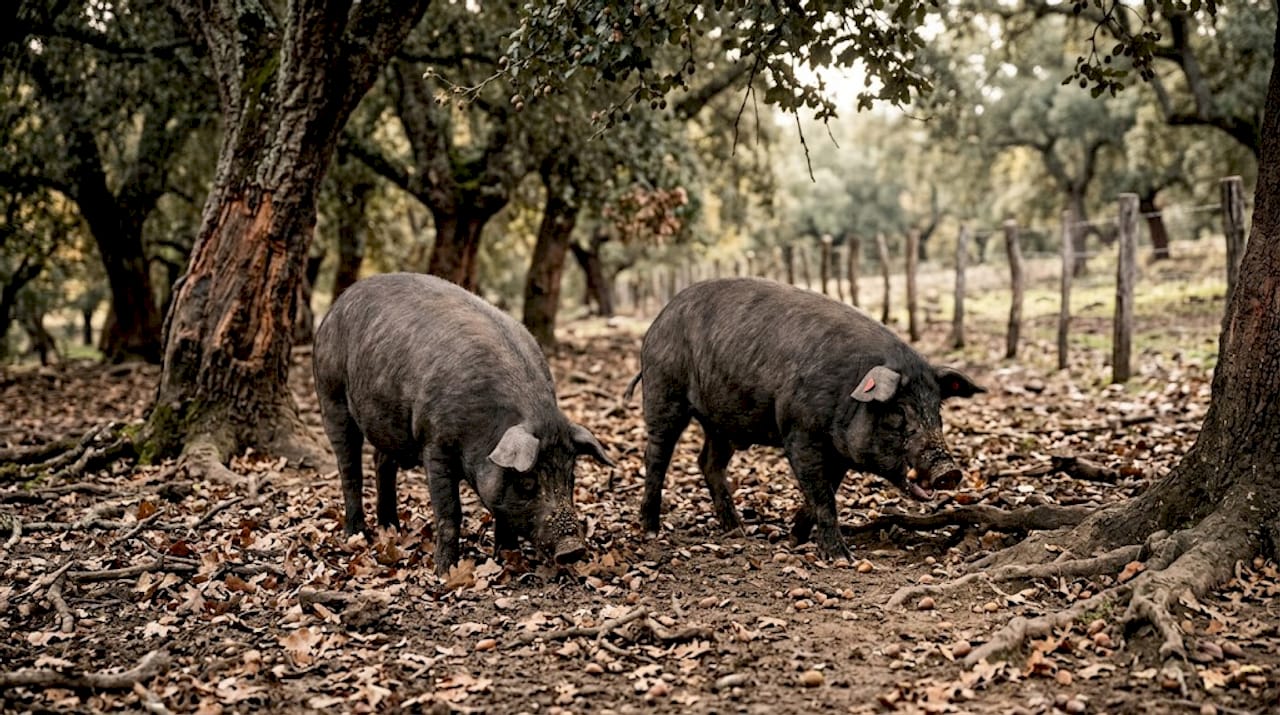
At the heart of this tradition is the dehesa, a vast, ancient woodland of cork and holm oaks that stretches across southern and western Spain. This is not a managed forest in the industrial sense. It is a living ecosystem where Iberian pigs roam freely, graze on grasses and herbs, and fatten on fallen acorns during the montanera season. The farmers and curers who tend these animals follow practices passed down through generations, guided by intimate knowledge of land, breed, and season.
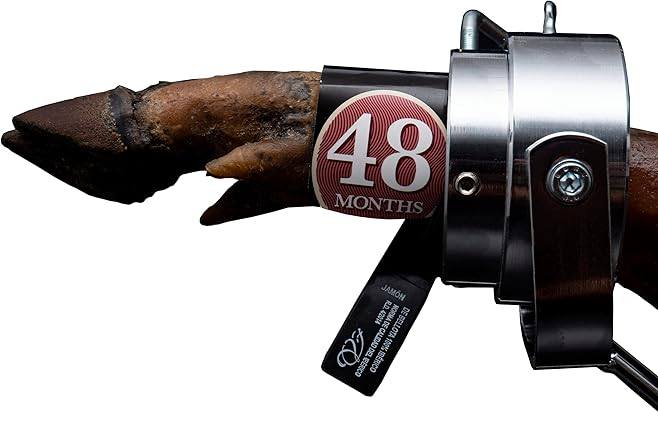
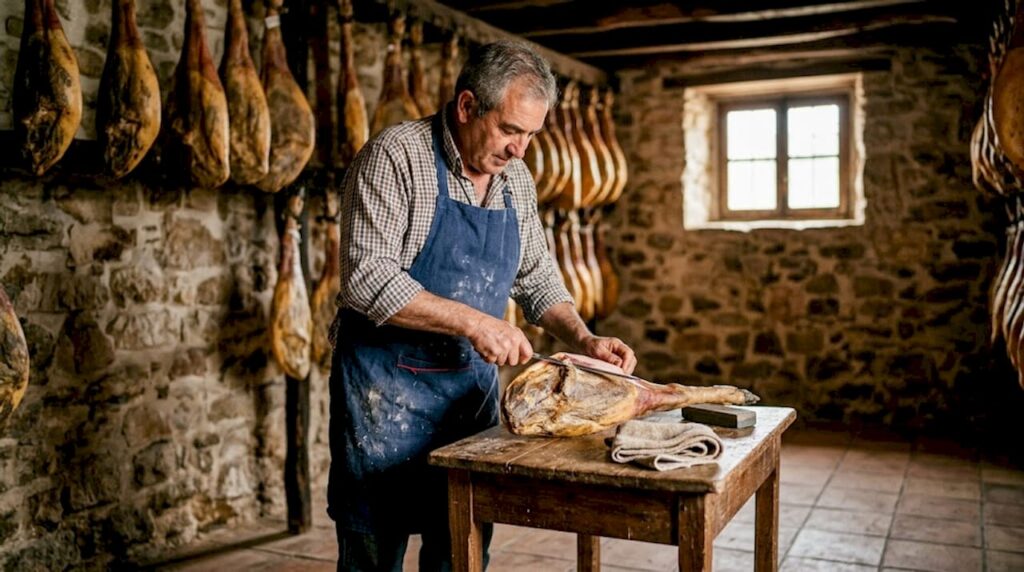
The traditional curing process is equally deliberate. After slaughter, the hams are salted, then hung in natural mountain air for anything from 24 to over 64 months. No artificial temperature controls. No shortcuts. The slow, patient transformation of raw meat into something extraordinary depends entirely on the skill of the producer and the conditions of the environment. You can learn more about what gives this product Iberico ham’s unique flavour and why Iberian breeds in premium meats matter so profoundly to the finished result.
“Artisanal methods preserve dehesa ecosystem sustainability; industrial shortcuts risk losing nuanced flavours and cultural traditions.”
Yet this tradition faces real pressure. Industrial producers, keen to meet growing global demand, have begun substituting key elements: crossbred pigs, grain-heavy diets, controlled curing environments. The result is a product that wears the Ibérico label but lacks the soul behind it.
Key elements that define a genuinely artisanal product:
- Purebred or high-percentage Iberian pigs
- Free-range life in certified dehesa land
- Acorn-fed diet during the montanera season
- Natural mountain air curing, without artificial intervention
- Small-scale production with expert human oversight at every stage
What makes Ibérico ham truly artisanal?
With a background in tradition and region, let us explore exactly how artisanal Ibérico ham is made, and why each detail shapes the final product so profoundly.
Everything begins with the pig. The Iberian pig is a rare and ancient breed, genetically predisposed to store fat within its muscle tissue rather than solely beneath the skin. This trait, known as intramuscular fat marbling, is what gives the finest Pata Negra its legendary texture and flavour. Ibérico pig genetics set it apart from any other breed used in commercial ham production.
The free-range Iberian pigs fed acorns in dehesa ecosystems develop unique intramuscular fat marbling due to these genetic traits, and the acorn diet amplifies this effect dramatically. During the montanera, a single pig can consume up to ten kilograms of acorns per day. This diet floods the fat tissue with oleic acid, a monounsaturated fat associated with heart health. The result is a ham with a silky, melt-in-the-mouth quality that no grain-fed pig can replicate.
How artisanal Ibérico ham compares to standard ham:
| Feature | Artisanal Ibérico (Bellota) | Standard Commercial ham |
|---|---|---|
| Pig breed | Purebred Iberian | Commercial crossbreed |
| Diet | Acorns and natural pasture | Grain-based feed |
| Fat marbling | Rich intramuscular | Minimal |
| Curing time | 36 to 64+ months | 6 to 18 months |
| Production scale | Small, artisanal | Industrial, high volume |
The curing process itself follows a precise sequence:
- Salting: the ham is packed in sea salt for a number of days proportional to its weight.
- Resting: the ham settles in cool conditions to allow even salt distribution.
- Drying: the ham is hung in natural dryers where mountain breezes regulate temperature and humidity.
- Ageing: the ham matures in underground cellars, developing complex aromatic compounds over months and years.
- Quality assessment: experts evaluate each piece before it is approved for sale.
Pro Tip: When purchasing acorn-fed Bellota ham, look for the black label designation. It is the highest official classification in Spain and guarantees a purebred Iberian pig on an acorn-based diet. Understanding the artisanal craft in ham production helps you choose with genuine confidence.
Nutrition, health and the science behind the flavour
Now that you know what makes the process artisanal, consider what this means for your health and your palate.
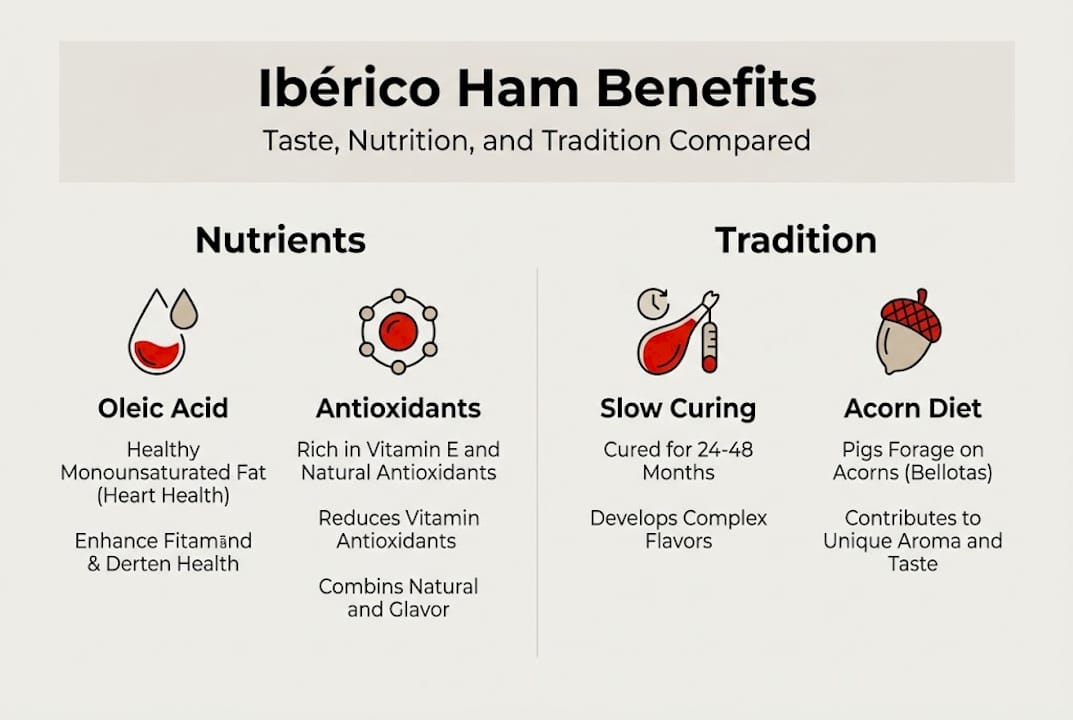
Artisanal Ibérico ham is, nutritionally speaking, a remarkable food. Its reputation as a luxury product can obscure its genuine health credentials, but the science is compelling. The acorn diet produces a fat profile unusually high in oleic acid, the same monounsaturated fat found in extra-virgin olive oil. In fact, high oleic acid content from the acorn diet means bellota ham carries 8 to 12% intramuscular fat, compared to just 3 to 5% in conventionally raised pigs, and this fat supports a heart-healthy nutritional profile.
Nutritional comparison: artisanal Bellota vs standard cured ham (per 100g):
| Nutrient | Artisanal Bellota | Standard cured ham |
|---|---|---|
| Oleic acid | High (approx. 55 to 60%) | Lower (approx. 35 to 45%) |
| Intramuscular fat | 8 to 12% | 3 to 5% |
| Protein | Approx. 30g | Approx. 22 to 26g |
| Saturated fat | Lower proportion | Higher proportion |
Beyond fat, the long curing process generates a wealth of flavour compounds. Proteolysis, the natural breakdown of proteins over months of ageing, creates free amino acids including glutamate, the compound responsible for the umami depth that makes a well-aged Ibérico ham so satisfying. This is not something you can rush or replicate artificially.
The nutritional benefits of Ibérico ham extend to antioxidants as well. The acorn diet contributes to higher levels of vitamin E within the fat tissue, which not only supports health but also helps preserve the ham naturally during curing. When you compare Ibérico vs Serrano ham differences, the nutritional gap is as wide as the flavour gap.
Pro Tip: Serve artisanal Ibérico ham at room temperature, never straight from the refrigerator. Allowing the fat to soften slightly unlocks the full aromatic complexity that ageing has built into every slice.
Preserving ecosystems and expert craft
Having discussed nutrition and taste, it is time to address why the very survival of artisanal ham depends on protecting both the land and the craft behind it.
The dehesa woodlands are one of Europe’s most biodiverse ecosystems. They support hundreds of species of birds, mammals, and insects, many of which depend on the particular structure of this open oak woodland. The traditional farming of Iberian pigs is not merely compatible with this ecosystem. It actively sustains it. Pigs turn the soil, spreading seeds and aerating the ground. Their movement patterns distribute nutrients and discourage invasive species. Remove the pigs, and the dehesa begins to deteriorate.
Yet serious threats loom. The Phytophthora fungal threat to dehesa oaks underscores the urgent need for artisanal investment in ecosystem preservation. This aggressive pathogen attacks the root systems of oak trees, potentially devastating the very woodlands that make Bellota production possible. Artisanal producers, with their intimate relationship with the land, are best placed to monitor, respond to, and invest in prevention.
Key threats to the dehesa and artisanal ham production:
- Phytophthora root disease affecting oak populations
- Industrial farming encroachment on certified dehesa land
- Rural depopulation reducing the workforce of skilled producers
- Climate change altering the timing and yield of the acorn season
- Loss of traditional knowledge as younger generations leave rural areas
Equally irreplaceable is the human expertise behind artisanal production. Caladors (ham sniffers) use sensory skills comparable to sommeliers to assess maturity, and longer ageing of up to four years deepens regional flavour variations in ways that only a trained nose can detect. A calador inserts a thin bone needle into specific points of the ham and reads the aroma released, assessing fat quality, curing progress, and any potential flaws. This skill takes years to develop and cannot be automated.
Understanding what makes Spanish ham distinctive means recognising that every exceptional piece of Ibérico ham is the product of human skill, not mechanical precision.
When you buy artisanal Ibérico ham, you are supporting the continuation of these skills. Explore the secrets of Ibérico ham and learn how to select quality Ibérico ham to make purchases that genuinely support artisanal producers.
Why artisanal matters more than ever: an expert’s take
There is a tempting logic in treating Ibérico ham as simply a premium food purchase. A treat. A luxury. Something to impress guests. But this framing misses the point entirely.
When industrial producers label their product Ibérico without meeting the genuine standards of breed, diet, and curing time, they dilute something irreplaceable. They borrow the reputation built over centuries by farmers, curers, and caladors who gave their lives to perfecting a craft. The ham on the board may look similar. It never tastes the same.
As those who understand why connoisseurs prefer Ibérico will tell you, the artisanal choice is not snobbery. It is a vote for the survival of landscapes, skills, and flavours that took two thousand years to develop. Every purchase matters. Every informed choice keeps the dehesa alive, the calador employed, and the tradition intact for those who come after us.
Experience true Ibérico: where to discover and buy artisanal ham
Not every product labelled Ibérico online is genuinely artisanal. Many sellers offer commercial-grade hams dressed in the language of tradition without the provenance to back it up. If you are serious about tasting the real thing, sourcing matters enormously.
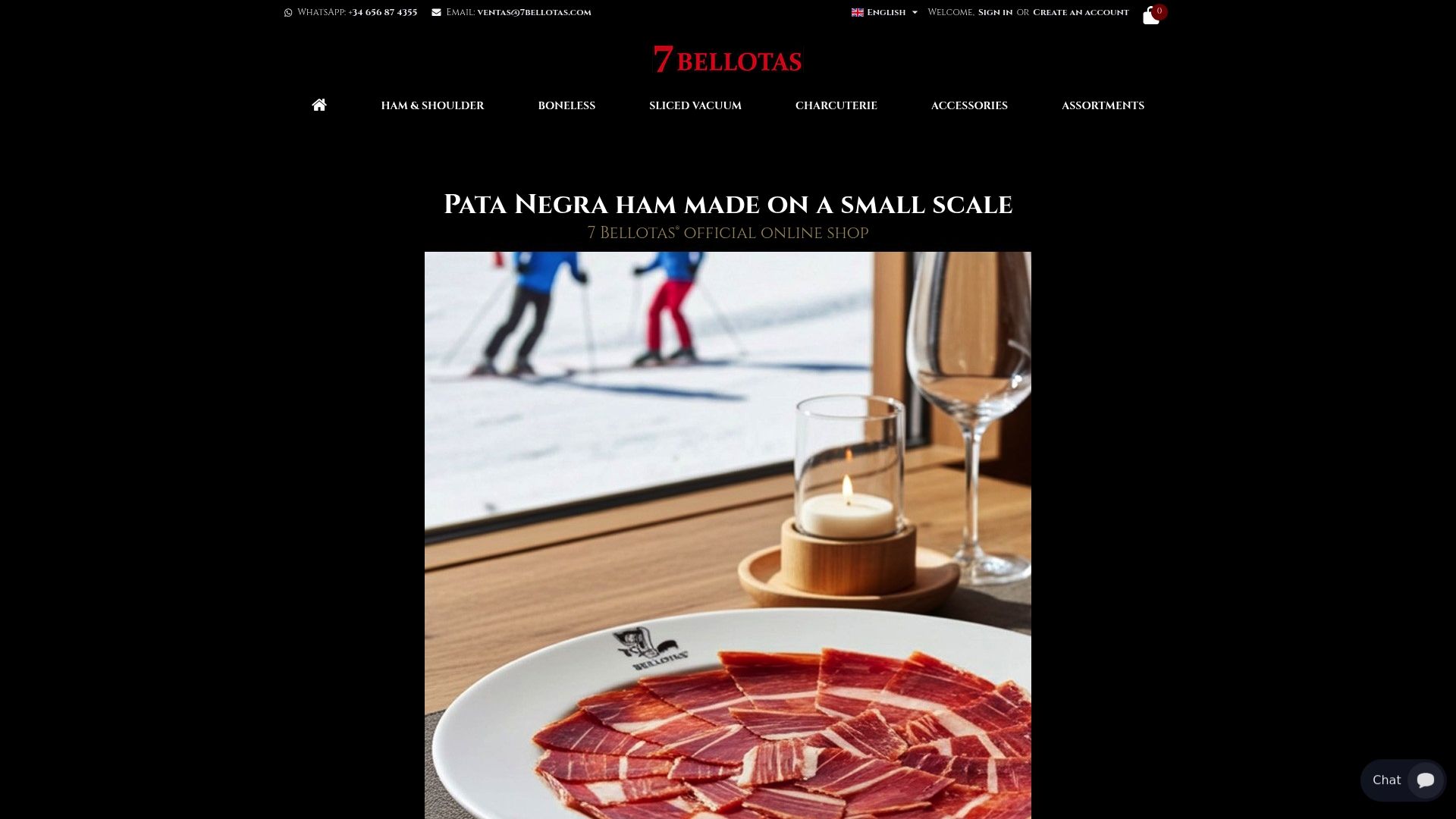
At 7 Bellotas, every ham is selected for its authenticity, traceability, and artisanal credentials. From whole Pata Negra legs aged over 64 months to vacuum-packed slices perfect for sharing, the range is built for those who refuse to compromise. When you buy authentic Ibérico ham, you are choosing a product dry cured with passion, sourced from small-scale producers, and shipped directly from Spain. Taste the difference that two thousand years of tradition makes.
Frequently asked questions
What makes artisanal Ibérico ham different from other hams?
Artisanal Ibérico ham comes from Iberian pigs raised on acorns in the dehesa and follows slow, traditional curing methods, producing distinct marbling and flavour that mass-produced hams simply cannot match.
Is artisanal Ibérico ham healthier than regular ham?
Yes. Thanks to the acorn diet, it contains significantly more oleic acid and supports a heart-healthy fat profile, with 8 to 12% intramuscular fat in Bellota versus just 3 to 5% in standard varieties.
Does buying artisanal ham help protect the environment?
Absolutely. Supporting artisanal Ibérico ham sustains the dehesa ecosystem directly, since artisanal methods preserve the ecological balance that industrial shortcuts actively undermine.
How do experts judge the quality of Ibérico ham?
Trained specialists called caladors assess maturity entirely by scent, using a bone needle to probe the ham, with longer ageing up to four years deepening the regional complexity that distinguishes the finest pieces.