Selecting authentic Iberico ham is often more than a matter of taste for discerning luxury food enthusiasts and gourmet chefs. The unique interplay of landscape, climate, and centuries-old traditions creates flavours that cannot be replicated outside the specific regions of Spain. As terroir shapes every detail, from subtle herb notes to delicate fat marbling, exploring its impact offers deeper insight into what makes Iberico ham truly exceptional. Discover how terroir influences flavour complexity through the synergy of nature and human expertise.
Table of Contents
- Defining Terroir In Iberico Ham Production
- Key Iberico Ham Types And Classifications
- Influence Of Spanish Landscapes And Climate
- Role Of Acorn Diet And Free-Range Rearing
- Effects On Flavour, Texture And Aroma
- Comparing Terroir-Driven And Generic Hams
Key Takeaways
| Point | Details |
|---|---|
| Understanding Terroir | Terroir encapsulates the interplay between landscape, climate, traditional farming practices, and genetics that shape the unique flavour of Iberico ham. |
| Iberico Ham Classifications | The quality and market value of Iberico ham are defined by its classification, which includes Jamón Ibérico de Bellota, Jamón Ibérico de Cebo de Campo, Jamón Ibérico de Cebo, and a general Jamón Ibérico. |
| Importance of Acorn Diet | An acorn-based diet significantly enhances the quality, flavour complexity, and overall texture of Iberico ham, transforming it into a gourmet delicacy. |
| Terroir vs. Generic Hams | Terroir-driven hams reflect specific regional ecosystems and traditional methods, resulting in nuanced flavours, unlike generic hams that offer uniform taste and lower market value. |
Defining terroir in Iberico ham production
Terroir represents a complex ecological and cultural phenomenon that transcends simple geographical definitions. In the context of Iberico ham production, terroir encompasses an intricate interplay between landscape, climate, traditional farming practices, and genetic heritage that profoundly shapes the ham’s distinctive flavour profile.
The concept of terroir integrates multiple environmental and human factors that contribute to the unique sensory characteristics of Iberico ham. Geographical indications of quality reveal how specific regional attributes directly influence the final product’s taste, texture, and overall quality.
Key elements of terroir in Iberico ham production include:
- Landscape composition: The specific topographical features of the region
- Microclimate conditions: Temperature, humidity, and atmospheric characteristics
- Soil composition: Mineral content and ecological diversity
- Traditional farming techniques: Generational knowledge passed through centuries
- Pig breed genetics: Specific characteristics of the Iberico pig subspecies
These interconnected factors create a holistic environment that determines the ham’s flavour complexity. Unique environmental characteristics contribute to creating a product that is not merely food, but a profound expression of cultural and natural heritage.
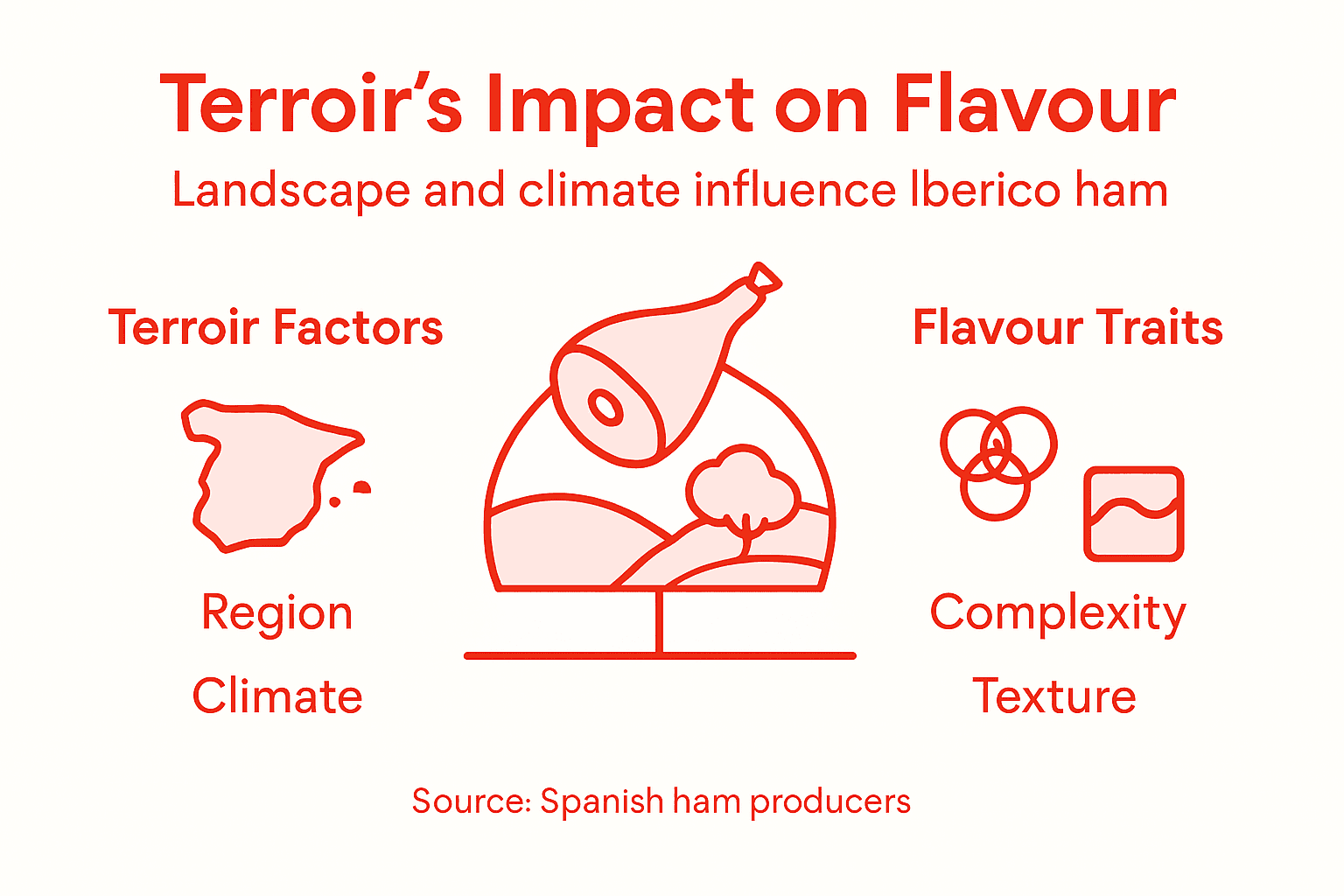
For a quick insight into how terroir elements influence finished ham qualities, see the summary below:
| Terroir Factor | Impact on Ham Flavour | Influence on Texture |
|---|---|---|
| Landscape | Adds regional herb notes | Fine fat distribution |
| Microclimate | Refines curing process | Enhances marbling and softness |
| Soil Composition | Imparts mineral undertones | Boosts herbal aroma |
| Traditional Farming | Preserves authentic taste | Improves tenderness |
| Pig Genetics | Enriches flavour complexity | Supports melted mouthfeel |
Pro tip: When selecting premium Iberico ham, look for products that explicitly detail their regional origin and traditional production methods.
Key Iberico ham types and classifications
Iberico ham represents a sophisticated culinary tradition with nuanced classifications that reflect the breed’s purity, diet, and production methods. Spanish legal classifications define four primary categories that determine the ham’s quality, flavour profile, and market value.
The four main Iberico ham classifications are:
Jamón Ibérico de Bellota: The pinnacle of Iberico ham
- Produced from pure-bred Iberian pigs
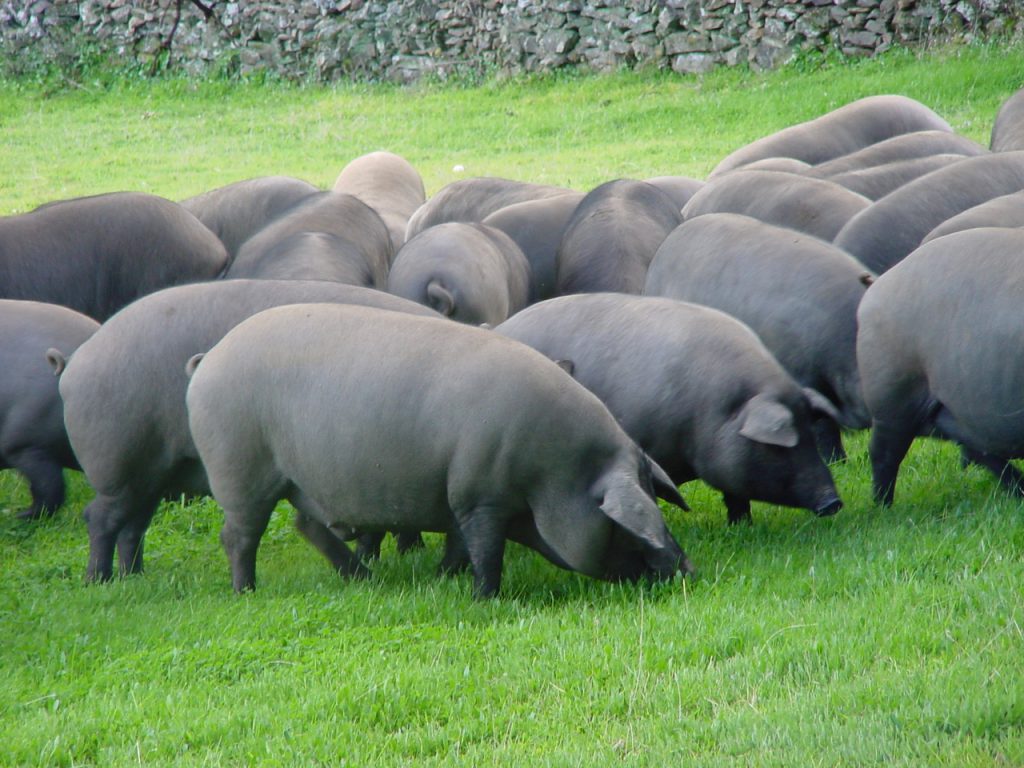
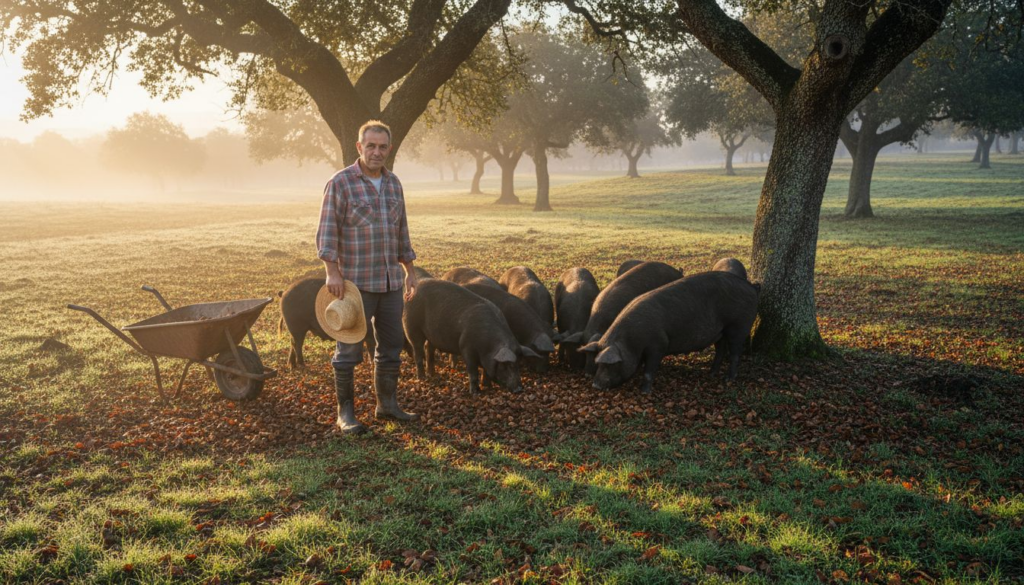
- Pigs raised free-range in oak forests
- Diet consists primarily of acorns
- Highest quality and most expensive category
Jamón Ibérico de Cebo de Campo: Mid-tier quality
- Pigs raised partially outdoors
- Supplemented diet with some orchard foraging
- More limited movement compared to bellota pigs
Jamón Ibérico de Cebo: Standard commercial grade
- Grain-fed pigs raised in controlled environments
- Least expensive Iberico ham category
- Minimal outdoor exposure
Jamón Ibérico: General classification
- Least specific category
- Minimum genetic requirements for Iberian breed
Breed purity and feeding systems play a critical role in determining the ham’s ultimate sensory characteristics. The more pure the breed and natural the diet, the more complex and refined the flavour becomes.
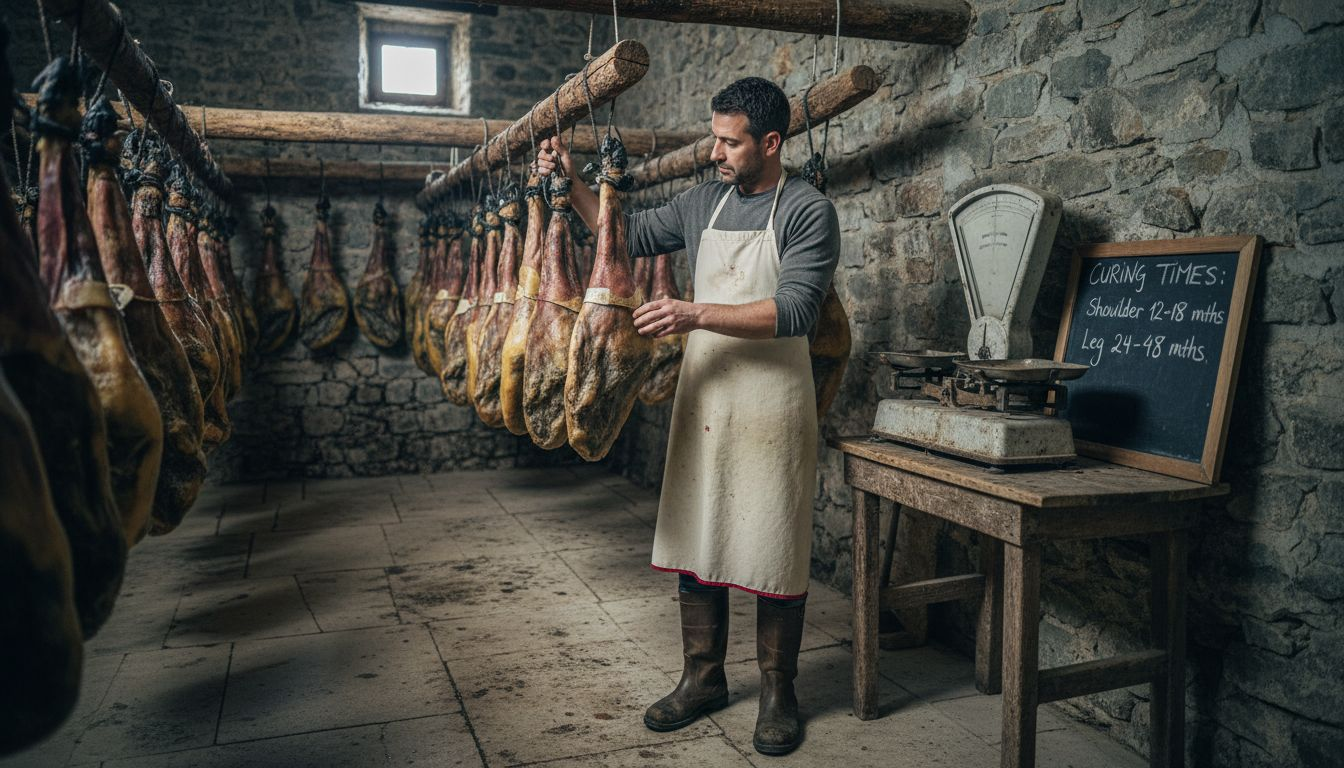
To better understand Iberico ham classifications, here’s a concise comparison table showcasing their defining traits:
| Classification | Pig Breed Purity | Diet Detail | Typical Price Range |
|---|---|---|---|
| Jamón Ibérico de Bellota | Pure Iberian | Acorn-fed, free-range | Highest on market |
| Jamón Ibérico de Cebo de Campo | Partial purity | Mixed, some foraging | Moderate premium |
| Jamón Ibérico de Cebo | Lower purity | Grain in controlled setting | Accessible pricing |
| Jamón Ibérico | Minimum Iberian | Varied, not specified | Entry-level category |
Pro tip: When purchasing Iberico ham, examine the label carefully to understand its specific classification and verify the ham’s authentic heritage.
Influence of Spanish landscapes and climate
The southwestern regions of Spain offer a remarkable tapestry of landscapes that play a pivotal role in Iberico ham production. Spanish ham production regions encompass diverse terroirs that critically influence the ham’s ultimate sensory characteristics.
These landscapes can be characterised by several distinctive ecological features:
Oak Forest Ecosystems
- Predominantly found in Extremadura and parts of Andalusia
- Provide natural foraging environment for free-range Iberian pigs
- Acorn-rich terrain supports unique fat development
Climatic Variations
- Mediterranean microclimate with distinct seasonal changes
- Moderate winters and warm summers
- Humidity levels critical for natural curing processes
Soil Composition
- Predominantly limestone and slate-based terrain
- Mineral-rich ground influencing vegetation
- Supports specific grass and herbal growth
The interaction between landscape, climate, and pig genetics creates a complex ecological symphony that determines the ham’s flavour profile. Each region contributes unique characteristics through its specific environmental conditions.
The landscape is not just a backdrop, but an active ingredient in creating exceptional Iberico ham.
Pro tip: When exploring Iberico ham, consider the specific regional origin as a key indicator of its potential flavour complexity.
Role of acorn diet and free-range rearing
The acorn diet represents a cornerstone of authentic Iberico ham production, transforming ordinary pork into a gourmet delicacy. Traditional feeding practices regulate how Iberian pigs are raised, ensuring exceptional meat quality through natural foraging and specific dietary conditions.
Key characteristics of acorn-based diet and free-range rearing include:
Dietary Composition
- Pigs consume 6-10 kg of acorns daily during autumn
- Acorns provide high-quality monounsaturated fats
- Natural diet contributes to distinctive flavour profile
Free-Range Environment
- Pigs roam oak forests (dehesas) freely
- Approximately 1-2 acres per pig
- Natural movement increases muscle development
- Reduces stress and improves meat quality
Nutritional Impact
- Higher intramuscular fat content
- Enhanced flavour complexity
- Increased levels of beneficial oleic acid
- Softer, more delicate meat texture
The combination of acorn diet and expansive outdoor environments creates a unique biological mechanism that distinguishes Iberico ham from conventional pork products. Each pig essentially becomes a culinary artist, crafting its own flavour profile through natural foraging.
The acorn is not just food, but a fundamental ingredient in creating the world’s most exceptional ham.
Pro tip: Look for labels specifying “bellota” to ensure you’re experiencing the most authentic Iberico ham experience.
Effects on flavour, texture and aroma
Iberico ham’s sensory profile represents a remarkable confluence of environmental factors, diet, and traditional curing techniques. Microbial diversity during processing plays a crucial role in developing the ham’s intricate flavour landscape, transforming raw ingredients into a gastronomic masterpiece.
The key sensory characteristics emerge through multiple interconnected processes:
Flavour Development
- Intense nutty undertones from acorn diet
- Complex layered taste profile
- Subtle hints of woodland herbs
- Rich, deep umami sensation
Textural Qualities
- Exceptional marbling from free-range lifestyle
- Melt-in-the-mouth consistency
- Delicate, almost buttery mouthfeel
- Smooth, uniform fat distribution
Aromatic Complexity
- Deep, earthy base notes
- Subtle herbal and oak forest influences
- Lingering, sophisticated aroma
- Mineral undertones from native terrain
Fat marbling from natural diet creates a remarkable sensory experience that distinguishes Iberico ham from conventional pork products. Each slice tells a story of landscape, tradition, and meticulous craftsmanship.
The true magic of Iberico ham lies not just in its taste, but in its ability to capture an entire ecosystem within a single bite.
Pro tip: Allow Iberico ham to reach room temperature before serving to fully unlock its complex flavour profile and aromatic nuances.
Comparing terroir-driven and generic hams
The distinction between terroir-driven and generic hams represents a profound culinary divide that goes far beyond mere production techniques. Consumer preferences for sensory qualities reveal a growing appreciation for hams that embody a sense of place and tradition.
Key comparative characteristics include:
Terroir-Driven Hams
- Rooted in specific regional ecosystems
- Emphasise natural breeding and feeding practices
- Complex, nuanced flavour profiles
- Higher market value
- Reflect local environmental conditions
Generic Industrial Hams
- Standardised production methods
- Uniform flavour characteristics
- Controlled, predictable outcomes
- Lower production costs
- Minimal environmental variation
Sensory Differences
- Terroir hams: Layered, sophisticated taste
- Generic hams: Consistent but less complex flavours
- Texture variations reflecting natural rearing
- Subtle regional flavour notes
Regional environmental factors fundamentally transform the ham’s character, creating a product that is more than mere protein—it becomes a narrative of landscape, tradition, and cultural heritage.
Terroir is not just a production method; it’s a dialogue between land, animal, and human craftsmanship.
Pro tip: When selecting ham, prioritise products that clearly communicate their specific regional origin and traditional production methods.
Experience the True Terroir of Iberico Ham with 7 Bellotas
Understanding how landscape, climate, and traditional curing converge to create the exquisite flavour of Iberico ham is essential for any connoisseur. The challenge lies in finding authentic products that genuinely reflect this unique terroir—acorn-fed, free-range pigs raised in the oak forests of Spain, preserving the rich heritage that shapes every bite. At 7 Bellotas, we specialise in delivering premium Iberico ham that embodies these terroir-driven qualities through artisanal production and natural curing methods.
Discover exceptional flavour depth, remarkable texture, and aromatic complexity. Whether you seek whole hams aged for up to 64 months or precisely sliced portions, our selection captures the essence of Spain’s distinctive terroirs and traditional craftsmanship. Embrace the sensory journey that only authentic Jamón Ibérico de Bellota can offer by exploring our curated range.
Elevate your gourmet experience today by visiting 7 Bellotas. Immerse yourself in the world where landscape and tradition intertwine to create the ultimate Iberico ham. Don’t miss the chance to savour the true taste of Spanish heritage—order now and bring home a piece of terroir refined over centuries.
Frequently Asked Questions
What is terroir in relation to Iberico ham?
Terroir refers to the complex interaction between geography, climate, traditional farming practices, and genetics that influences the flavour profile of Iberico ham. It highlights how specific environmental factors create unique sensory characteristics in the final product.
How does the acorn diet affect the flavour of Iberico ham?
The acorn diet is vital for Iberico ham as it enhances the meat’s flavour complexity by providing high-quality monounsaturated fats. This natural diet contributes to the distinctive nutty undertones and rich umami sensations that define Iberico ham.
What are the main classifications of Iberico ham, and how do they differ?
Iberico ham is classified into four main types: Jamón Ibérico de Bellota, Jamón Ibérico de Cebo de Campo, Jamón Ibérico de Cebo, and Jamón Ibérico. These classifications differ based on the purity of the pig breed, their diet, and the conditions under which they are raised, impacting their flavour and market value.
How does the landscape influence the texture of Iberico ham?
The landscape contributes significantly to the texture of Iberico ham through factors such as microclimate conditions and soil composition. These elements enhance the marbling and tenderness of the ham, resulting in a melt-in-the-mouth consistency that is characteristic of quality Iberico products.