Most people believe Jamón Ibérico earns its prestige simply from long ageing, but that oversimplifies a profound culinary story. The true distinction lies in rare Iberian pig genetics, an acorn-rich free-range diet, artisanal curing traditions spanning generations, and stringent quality certifications. This guide unpacks each layer, revealing how nature, heritage, and meticulous craft converge to create one of the world’s most revered gourmet foods.
Table of Contents
Key takeaways
| Point | Details |
|---|---|
| Iberian pig genetics | Unique ability to marble fat within muscle fibres creates tender texture and intense flavour. |
| Acorn diet in dehesa | Free-range pigs consume acorns during montanera, enriching fat with oleic acid for nutty taste and heart health benefits. |
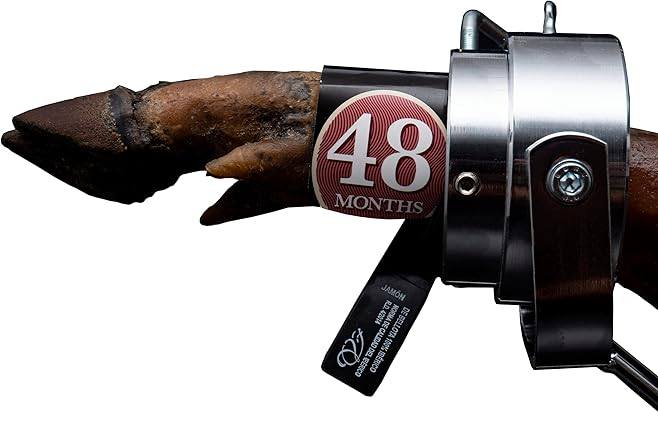
| Artisanal curing process | Natural cellars and 24-48+ month ageing develop complex aromas, umami depth, and silky texture variations. |
| Denominación de Origen | Legal certification guarantees authenticity, origin, and adherence to traditional quality standards. |
| Cultural heritage | Jamón Ibérico embodies centuries of Spanish culinary identity, from Roman times to modern gastronomic rituals. |
Genetics and breed: the foundation of flavour
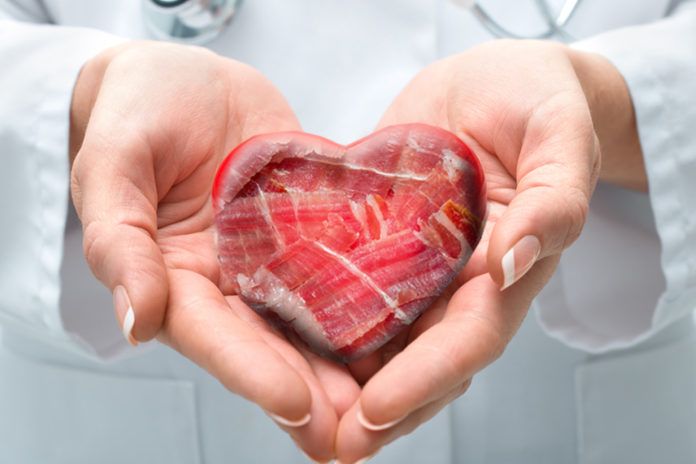
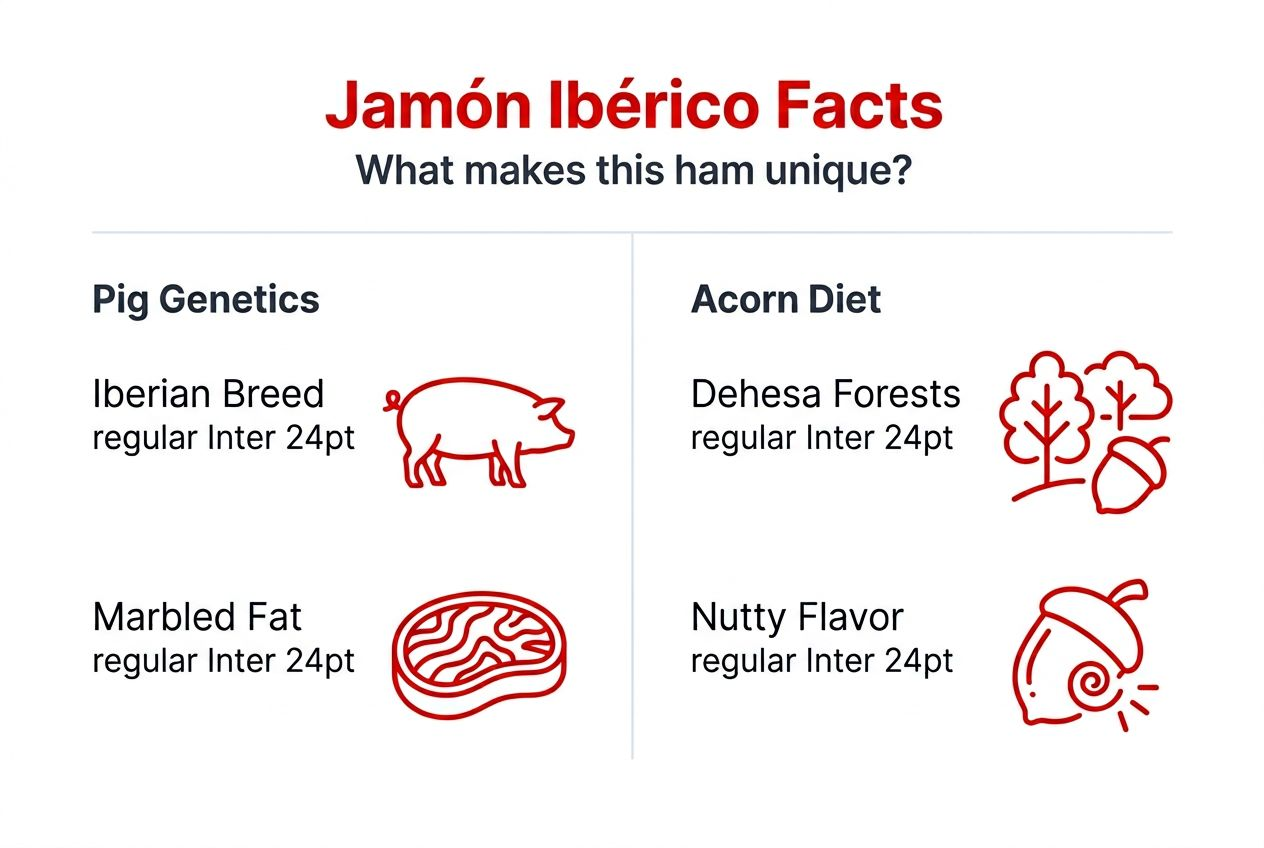
The Iberian pig stands apart from all other breeds used for cured ham production. Iberian pigs have a unique genetic ability to store fat within muscle fibres, creating the characteristic marbling that gives Jamón Ibérico its tender texture and rich flavour. This intramuscular fat distribution, virtually absent in white pig breeds, fundamentally alters how the ham tastes and feels on the palate.
Slaughter timing matters immensely. Producers wait until pigs reach 18-24 months of age, allowing sufficient time for fat infiltration to reach optimal levels. Younger animals lack the marbling depth that defines premium Jamón Ibérico. The genetics also influence how this fat melts during slicing, releasing aromatic compounds that white pig hams cannot replicate.
These genetic traits affect every stage of enjoyment. The marbled fat softens at room temperature, coating your mouth with savoury richness. It carries flavour compounds more effectively than lean tissue alone. When you explore educational facts about Jamón Ibérico, you discover how breed selection shapes the entire culinary experience.
Key genetic advantages of Iberian pigs:
- Natural propensity for intramuscular fat storage
- Slower growth rates allowing deeper flavour development
- Hardy constitution suited to extensive free-range farming
- Fat composition responsive to dietary inputs, especially acorns
Pro Tip: When selecting Jamón Ibérico, verify the pig breed percentage on certification labels. Pure Iberian genetics (100%) yield the most pronounced marbling and flavour complexity. Understanding the impact of farmed and wild Iberico pigs helps you appreciate these distinctions.
The acorn diet and terroir: nature’s signature
Dehesa forests of southwestern Spain provide the ecological foundation for Jamón Ibérico’s legendary status. These ancient oak woodlands sustain only two pigs per hectare, ensuring each animal roams freely across vast territory. During the montanera season, typically October through February, pigs consume acorns exclusively, gaining 50-60% of their final body weight in just 2-3 months of intensive foraging.
This acorn diet infuses the ham with nutty flavour and healthy oleic acid, enhancing both taste and nutritional benefits. The fat composition shifts dramatically, resembling olive oil’s heart-friendly profile rather than saturated animal fats. This chemical transformation occurs naturally as pigs metabolise the rich acorns, storing their essence within muscle tissue.
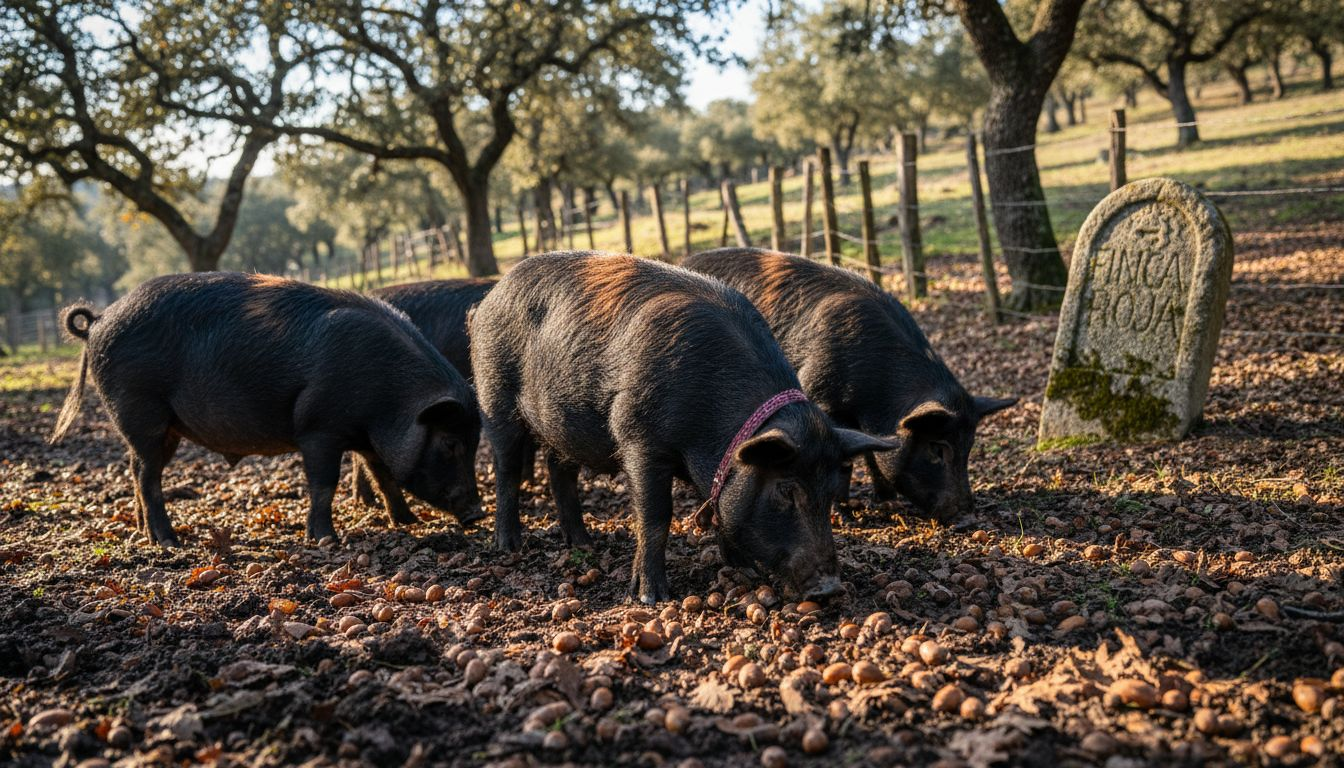
Natural exercise across hillsides further refines meat quality. Constant movement tones muscle fibres whilst distributing fat more evenly throughout the tissue. Stressed, confined animals produce inferior ham regardless of diet. The dehesa ecosystem thus serves as both pantry and gymnasium, shaping texture and flavour simultaneously.
Acorn feeding benefits:
- Elevates oleic acid content to 55% or higher in intramuscular fat
- Imparts characteristic sweet, nutty aroma absent in grain-fed hams
- Produces softer fat that melts readily at mouth temperature
- Contributes anti-inflammatory properties from natural antioxidants
Pro Tip: Look for