Spanish ham classification often confounds even devoted food enthusiasts, with overlapping terms like Iberico, Bellota, and Serrano creating genuine confusion. This complexity stems from centuries of tradition where breed purity, feeding regimes, and curing methods intertwine to define quality tiers. Understanding these classifications transforms your appreciation of this artisan product, revealing why certain hams command premium prices whilst others offer excellent everyday value. This guide demystifies the classification system, explaining how pig genetics, acorn consumption, and aging processes combine to create distinct flavour profiles and textures that define authentic Spanish ham.
Table of Contents
- Understanding The Basics Of Spanish Ham Classification
- Iberico Ham Classification: Breed Purity And Feeding Regimes
- Curing Processes And Their Impact On Flavour And Texture
- Reading Labels And Certification Marks For Authentic Spanish Ham
- Discover Authentic Spanish Ham At 7 Bellotas®
- How Spanish Ham Is Classified: Frequently Asked Questions
Key takeaways
| Point | Details |
|---|---|
| Classification criteria | Spanish ham grades depend on pig breed purity, specific diet type, and curing duration |
| Iberico purity levels | Ranges from 50% to 100% pure Iberico genetics, directly affecting quality and price |
| Diet determines grade | Bellota (acorn-fed), cebo de campo (field-fed), and cebo (grain-fed) create distinct categories |
| Curing impacts flavour | Aging from 24 to 64 months develops complexity, tenderness, and characteristic taste |
| Official labels matter | Colour-coded certification tags and DO marks guarantee authenticity and classification accuracy |
Understanding the basics of Spanish ham classification
Spanish ham classification operates through a sophisticated system balancing multiple factors that distinguish premium products from standard offerings. The primary determinant begins with pig breed, where Iberico ham classification relies on breed purity and feeding methods to establish fundamental quality tiers. Iberico pigs, native to the Iberian Peninsula, possess unique genetic characteristics enabling exceptional fat marbling and flavour development. These animals differ markedly from white pigs used in Serrano production, with their dark hooves and ability to infiltrate fat throughout muscle tissue.
Breed purity percentages create the first classification layer. Pure 100% Iberico hams come from pigs with documented lineage on both parental sides, whilst 75% and 50% Iberico designations indicate crossbreeding with Duroc pigs. This genetic composition directly influences fat quality, texture, and the ham’s capacity to develop complex flavours during curing. Higher purity typically correlates with superior marbling and more nuanced taste profiles.
Diet classification forms the second critical dimension. The bellota category represents acorn-fed pigs that roam oak forests during the montanera season, consuming fallen acorns and natural vegetation. Cebo de campo pigs graze outdoors but receive supplementary grain feeding, whilst cebo pigs are raised primarily on commercial feeds in controlled environments. These dietary distinctions profoundly affect fat composition, with acorn consumption producing oleic acid-rich fat that melts at lower temperatures.
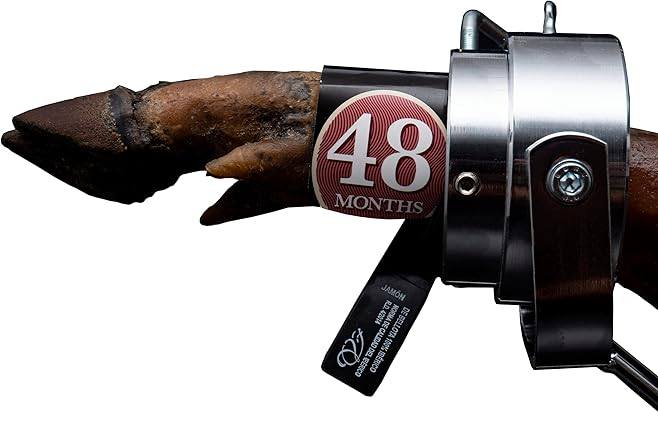
Curing duration constitutes the third classification pillar. Minimum aging periods vary by ham type and size, but premium products often cure for 36 months or longer. Extended curing allows enzymatic breakdown of proteins and fats, developing characteristic aromas and tender textures. Environmental conditions during this process, including temperature fluctuations and humidity levels, further influence final quality.
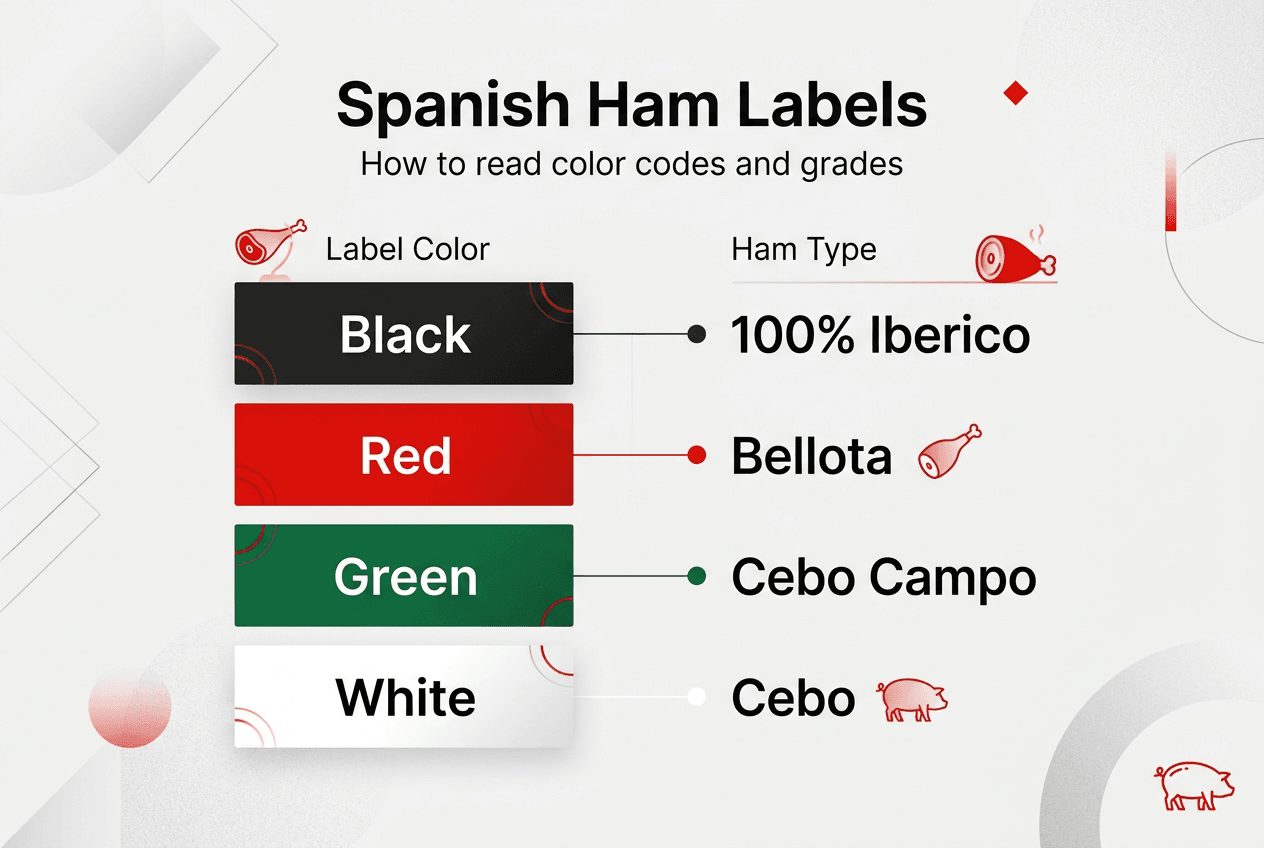
Official labelling standards enforce these classifications through regulated colour-coded systems. Black labels denote 100% Iberico bellota hams, red indicates 75-100% Iberico bellota, green marks cebo de campo products, and white labels identify cebo hams. These visual cues help consumers navigate quality tiers with confidence.
Pro Tip: When examining Spanish ham classifications, always check both the colour-coded label and the accompanying documentation listing breed percentage and diet type, as these combined factors determine true quality and appropriate pricing.
Iberico ham classification: breed purity and feeding regimes
Iberico ham’s classification system reaches its most refined expression through the intersection of genetic purity and feeding practices. Pure 100% Iberico pigs descend from carefully maintained breeding programmes preserving native genetics over generations. These animals exhibit distinctive physical traits including dark skin, slender legs, and pronounced snouts adapted for foraging. Their genetic makeup enables unique fat infiltration patterns that create the prized marbling distinguishing top-tier hams.
The 75% Iberico category emerges from breeding pure Iberico mothers with Duroc fathers, a practice balancing desirable fat characteristics with improved meat yield. Whilst these hams retain excellent quality, subtle differences in fat distribution and flavour intensity distinguish them from pure specimens. The 50% Iberico classification represents another generation of crossbreeding, producing hams with good characteristics but less pronounced Iberico traits. Different Iberico ham grades are determined by acorn feeding and purity levels, creating a spectrum of options for various preferences and budgets.
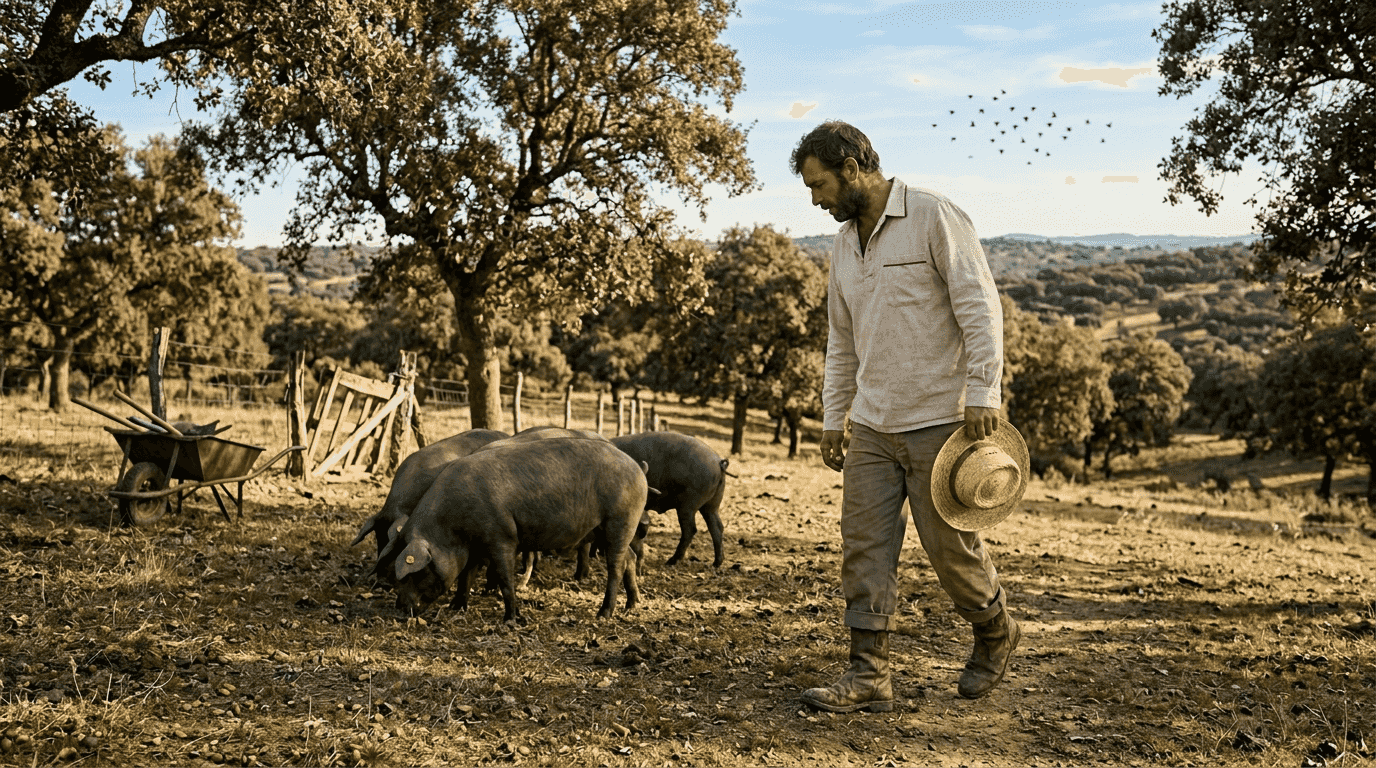
Feeding regimes overlay genetic classifications to create the final grade hierarchy. Jamón de Bellota Ibérico represents the pinnacle, combining pure or high-percentage Iberico genetics with montanera season acorn consumption. During this period, pigs roam dehesa oak forests from October through February, gaining 50-60% of their final body weight from acorns and wild grasses. This diet imparts distinctive nutty flavours and produces fat with exceptional melting properties.
Cebo de campo classification applies to Iberico pigs with outdoor access and mixed diets incorporating both natural forage and supplementary feeds. These animals experience more natural conditions than fully grain-fed counterparts, resulting in superior muscle development and moderate fat quality. The cebo category encompasses Iberico pigs raised primarily on formulated feeds in conventional farming systems, producing perfectly acceptable hams with less complex flavour profiles.
Fat marbling patterns reveal classification differences upon slicing. Bellota hams display intricate fat veining throughout the muscle, with bright white to slightly yellowish colouration indicating high oleic acid content. Lower grades show less pronounced marbling with whiter, firmer fat that melts less readily at room temperature.
Official colour-coded tags attached to each ham leg provide instant classification recognition:
- Black labels: 100% Iberico de Bellota
- Red labels: 75-100% Iberico de Bellota
- Green labels: Iberico de Cebo de Campo
- White labels: Iberico de Cebo
| Classification | Breed Purity | Diet | Fat Quality | Flavour Complexity |
|---|---|---|---|---|
| Bellota 100% | Pure Iberico | Acorn-fed | Exceptional marbling | Highly complex |
| Bellota 75% | Iberico-Duroc | Acorn-fed | Excellent marbling | Very complex |
| Cebo de Campo | 50-100% Iberico | Mixed outdoor | Good infiltration | Moderately complex |
| Cebo | 50-100% Iberico | Grain-fed | Standard quality | Less complex |
Pro Tip: When purchasing Iberico ham, prioritise black or red label bellota grades for special occasions, whilst green label cebo de campo offers excellent everyday value with authentic Iberico characteristics at more accessible prices.
Curing processes and their impact on flavour and texture
Curing transforms fresh pork legs into the complex, aromatic products defining Spanish ham excellence. This ancient preservation technique relies on controlled salt application, environmental conditioning, and patient aging to develop characteristic flavours and textures. Curing time from 24 to 64 months affects texture and flavour depth, with extended periods allowing profound biochemical transformations.
The curing process begins with salting, where fresh legs receive measured salt coverage based on weight and fat content. This initial phase typically lasts 1-2 weeks, with salt penetrating tissues and initiating moisture extraction. Excess salt is then removed, and hams enter the settling phase where salt distribution equalises throughout the meat. This stage occurs in temperature-controlled chambers maintaining specific humidity levels.
Drying follows, with hams transferred to drying rooms experiencing gradual temperature increases mimicking natural seasonal transitions. Over several months, surface moisture evaporates whilst internal enzymatic activity intensifies. Proteins break down into amino acids and peptides contributing savoury umami notes, whilst fat oxidation produces aromatic compounds.
Aging constitutes the final and longest phase, with hams hanging in cellars or bodegas for extended periods. During this time, continued enzymatic activity refines flavours, developing the nutty, sweet, and complex characteristics prized in premium hams. Longer aging generally produces more intense flavours and softer textures, though diminishing returns occur beyond certain thresholds.
Minimum curing requirements vary by classification:
- Iberico Bellota: 36 months minimum, often 48-64 months
- Iberico Cebo de Campo: 24-36 months
- Iberico Cebo: 24 months minimum
- Serrano: 12-18 months typically
Environmental factors profoundly influence curing outcomes. Traditional bodegas in regions like Guijuelo or Jabugo benefit from specific microclimates with temperature fluctuations and humidity patterns ideal for ham development. These natural conditions prove difficult to replicate artificially, explaining why denomination of origin protections exist for certain regions.
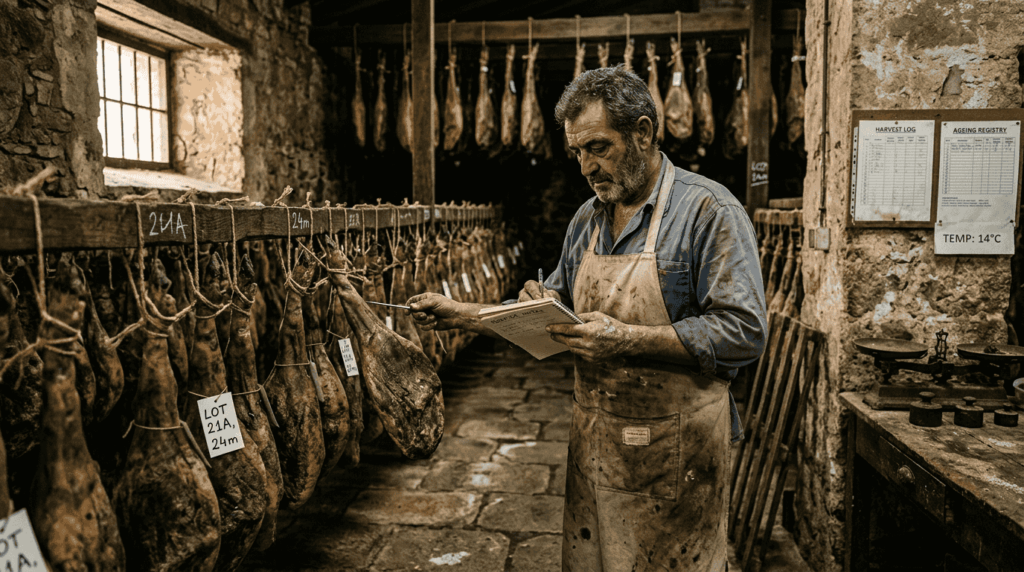
Artisanal techniques passed through generations add further nuance. Master curers assess individual hams through the cala process, inserting bone needles to sample internal aromas and determine aging progress. This sensory evaluation guides decisions about continued aging or readiness for market.
Texture evolution during curing produces remarkable transformations. Fresh ham’s firm, dense muscle gradually becomes tender and almost creamy in premium aged specimens. Fat transitions from solid to semi-liquid consistency, melting readily at room temperature and coating the palate during consumption.
Flavour complexity increases proportionally with curing duration, though optimal aging depends on ham size, fat content, and intended characteristics. Extended curing concentrates flavours through continued moisture loss whilst developing deeper savoury notes and subtle sweetness. However, excessive aging can produce overly intense or dry results in some cases.
| Curing Duration | Texture Development | Flavour Profile | Optimal Use |
|---|---|---|---|
| 24-30 months | Moderately tender | Clean, straightforward | Everyday enjoyment |
| 36-42 months | Tender, refined | Balanced complexity | Special occasions |
| 48-60 months | Very tender | Highly nuanced | Connoisseur appreciation |
| 60+ months | Extremely tender | Intensely concentrated | Ultimate luxury |
Pro Tip: For your first premium Spanish ham experience, select products aged 36-42 months, which offer excellent complexity without the intense concentration that can overwhelm less experienced palates.
Reading labels and certification marks for authentic Spanish ham
Navigating Spanish ham labels requires understanding the regulatory framework protecting consumers and preserving traditional quality standards. Certification seals and label codes guarantee genuine quality and classification adherence, providing essential verification in a market where premium products command significant prices. Official designation systems combine colour-coded tags, alphanumeric codes, and denomination of origin marks to communicate comprehensive product information.
The colour-coded label system instituted by Spanish authorities provides immediate visual classification. Black labels, reserved for 100% Iberico de Bellota hams, represent the absolute pinnacle of quality and authenticity. Red labels designate 75-100% Iberico de Bellota products, indicating high purity with acorn feeding. Green labels mark Iberico de Cebo de Campo hams from pigs with outdoor access and mixed diets. White labels identify Iberico de Cebo products from primarily grain-fed animals. These colours appear on official tags attached to each ham leg, remaining throughout the curing process and often staying affixed until final consumption.
Denomination of Origin (DO) protections add another authentication layer for hams from specific regions with documented quality traditions. Jamón de Guijuelo, Jamón de Huelva, Dehesa de Extremadura, and Los Pedroches represent major protected designations, each with strict production requirements and quality controls. These DO marks guarantee hams originate from designated geographic areas and follow traditional methods meeting established standards. Products bearing DO certification undergo regular inspections and testing throughout production.
Traceability codes printed on labels connect individual hams to specific farms, production batches, and curing facilities. These alphanumeric sequences enable complete supply chain transparency, allowing verification of breed documentation, feeding records, and processing history. Consumers can often access detailed information by entering these codes on regulatory body websites.
Quality control organisations including ASICI (Asociación Interprofesional del Cerdo Ibérico) oversee classification accuracy and label integrity. These bodies conduct farm inspections, DNA testing to verify breed claims, and random product sampling to ensure compliance. Their certification holograms on packaging provide additional authenticity assurance.
Key Spanish terms appearing on labels merit understanding:
- Jamón: Ham from the rear leg
- Paleta: Shoulder ham from the front leg
- Bellota: Acorn-fed designation
- Cebo: Grain-fed designation
- Recebo: Partially acorn-fed (less common classification)
- Curación: Curing or aging
- Denominación de Origen: Protected designation of origin
Authenticity indicators extend beyond official labels to packaging details and seller documentation. Reputable suppliers provide certificates of origin, laboratory analysis results confirming breed purity, and detailed product specifications. Vacuum-sealed portions should display the same colour-coded classification as whole legs, with traceable batch numbers linking them to certified hams.
Holographic security features on premium product packaging deter counterfeiting whilst providing visual authentication. These elements typically incorporate regulatory body logos, unique serial numbers, and tamper-evident characteristics. Genuine holograms display distinct optical effects when tilted, revealing embedded patterns difficult to reproduce.
International consumers purchasing Spanish ham online should verify sellers display proper import documentation and maintain cold chain integrity during shipping. Legitimate retailers provide classification details, aging information, and certification copies upon request. Suspiciously low prices relative to stated classifications often indicate mislabelling or quality compromises.
Discover authentic Spanish ham at 7 BELLOTAS®
Experiencing genuine Spanish ham classification firsthand becomes effortless when you explore the curated selection at 7 BELLOTAS®. Their range encompasses the full spectrum of classifications detailed throughout this guide, from premium black label 100% Iberico de Bellota hams aged over 64 months to excellent value cebo de campo options perfect for regular enjoyment. Each product arrives with complete certification documentation, ensuring you receive precisely the classification and quality you select.
Ordering directly from Spain guarantees authenticity whilst their knowledgeable customer service team helps match selections to your specific preferences and occasions. Whether you’re seeking a whole leg for traditional carving, convenient pre-sliced portions, or an introduction to different classification grades, their offerings reflect the artisanal quality and heritage that make Spanish ham extraordinary.
How Spanish ham is classified: frequently asked questions
What does ‘bellota’ mean regarding pig diet?
Bellota translates to ‘acorn’ in Spanish, designating hams from pigs that consumed acorns during the montanera season from October to February. These pigs roam oak forests gaining significant weight from fallen acorns and natural vegetation, which produces distinctive nutty flavours and exceptional fat quality characterised by high oleic acid content.
How can I identify pure Iberico ham versus crossbreeds?
Pure Iberico hams carry black certification labels and documentation stating 100% Iberico genetics, whilst crossbreeds display red (75-100% bellota), green (cebo de campo), or white (cebo) labels. Check accompanying certificates listing precise breed percentages, and examine fat marbling patterns, as pure Iberico shows more intricate veining with slightly yellowish colouration.
What storage methods maintain Spanish ham quality?
Whole bone-in hams keep best hanging in cool, dry locations between 15-20°C with moderate humidity, covered with a cotton cloth. Once cut, cover the exposed surface with reserved fat or cling film to prevent drying. Sliced portions should remain vacuum-sealed and refrigerated, removing them 30 minutes before serving to restore optimal texture and flavour.
What tasting differences exist across classification grades?
Bellota grades offer complex, nutty flavours with buttery, melt-in-mouth fat and pronounced umami depth. Cebo de campo hams provide cleaner, straightforward pork flavours with good fat quality and pleasant saltiness. Cebo grades deliver satisfying ham taste with firmer fat and less aromatic complexity, making them excellent for cooking applications or casual consumption.
How do I select genuine ham when purchasing online?
Verify sellers provide detailed classification information including colour-coded labels, breed percentages, and aging duration. Expert tips for selecting authentic Iberico ham include checking for certification documentation, reviewing customer testimonials, and confirming proper import procedures. Reputable retailers offer traceability codes, laboratory analysis results, and transparent sourcing information demonstrating commitment to authenticity.