Even seasoned connoisseurs sometimes assume that the Ibérico label alone guarantees a consistent experience. It does not. The terrain a pig roams, the acorns it consumes, the humidity of the curing cellar, and the centuries of tradition behind each producer all vary dramatically from one corner of Spain to another. Understanding these regional differences is not merely academic. It is the difference between selecting a ham that genuinely moves you and one that simply fills a plate. This guide breaks down exactly how geography shapes every stage of Ibérico production, from the dehesa to the carving board.
Table of Contents
- Why region matters in Iberico ham
- How the environment shapes Iberico quality
- Protected origin: Tradition, branding, and nuance
- Climate change and the future of Iberico regions
- How to select Iberico ham by region
- Curate your Iberico experience
- Frequently asked questions
Key Takeaways
| Point | Details |
|---|---|
| Region impacts flavour | Local climate, vegetation, and land traditions deeply shape a ham’s taste and texture. |
| Environment and feed matter | Where pigs are raised and what they eat—especially during montanera—affect marbling and aroma. |
| PDO is not a guarantee | PDO labels protect tradition but producer skill and curing time often determine quality more than branding. |
| Adaptability drives quality | Regions adapting to climate change are redefining what makes top ham in the modern era. |
Why region matters in Iberico ham
Spain’s four principal Ibérico producing regions are Extremadura, Salamanca (Guijuelo), Huelva (Jabugo), and Los Pedroches in Córdoba. Each sits within a distinct ecosystem, and each produces ham with a character that reflects its landscape. Dismissing these differences is like treating all Burgundy wines as interchangeable. The nuance is everything.
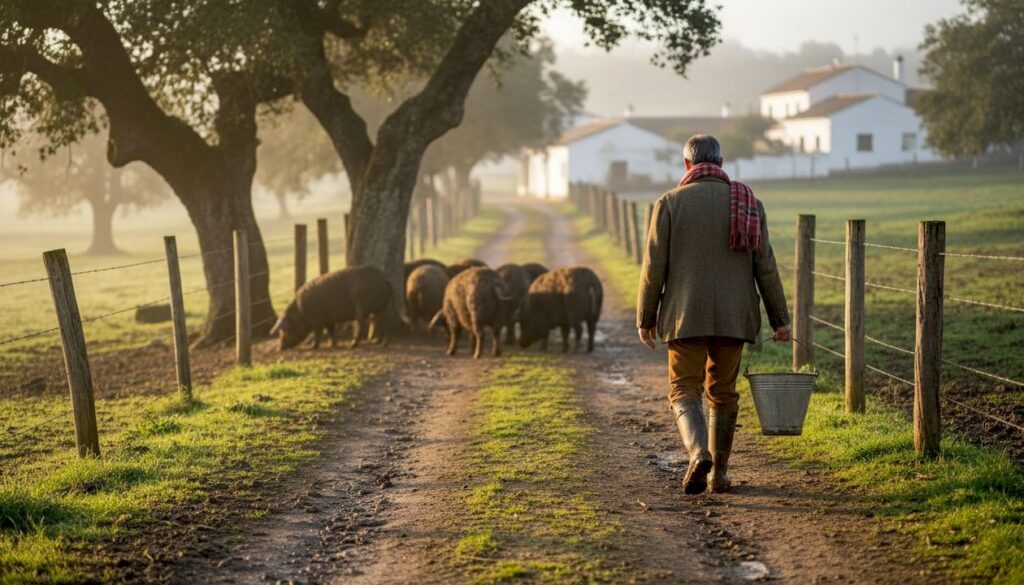
At the heart of each region lies the dehesa, a managed woodland of cork and holm oaks that provides the acorns central to the finest Pata Negra production. But not all dehesas are equal. Soil composition, oak density, and the specific variety of acorn available differ considerably across regions, and these factors shape what the Ibérico pig eats, how far it walks, and ultimately how its fat develops.
“Regional vegetation and terrain shape what pigs eat and how they move, giving distinct flavours to the finished ham.”
To discover Iberico’s unique flavour in full, it helps to understand the building blocks that each region contributes:
- Soil and vegetation: Determines acorn quality and the diversity of wild herbs pigs forage alongside them
- Breed purity: Regional traditions favour varying degrees of pure Ibérico bloodlines
- Acorn type: Bellota from holm oak versus gall oak produces subtly different fat profiles
- Producer tradition: Small-scale artisan producers often follow methods passed down across generations
- Climate: Altitude, rainfall, and seasonal temperature swings all influence curing conditions
These elements combine to create a flavour fingerprint that no label alone can fully communicate.
How the environment shapes Iberico quality
The montanera season, typically running from October through February, is when acorn-fed Ibérico pigs reach their peak. During this period, pigs roam freely across the dehesa, consuming vast quantities of acorns and wild grasses. As acorn intake varies by location during montanera, the resulting fat infiltration and marbling differ noticeably between regions.
| Region | Annual rainfall | Oak density | Primary acorn type | Terrain |
|---|---|---|---|---|
| Extremadura | Moderate to high | Dense | Holm oak (encina) | Rolling plains and hills |
| Guijuelo (Salamanca) | Low, cold winters | Moderate | Mixed oak | High plateau, 1,000m altitude |
| Jabugo (Huelva) | High humidity | Dense | Holm and gall oak | Sierra Morena mountains |
| Los Pedroches (Córdoba) | Moderate | High | Holm oak | Flat granite plains |
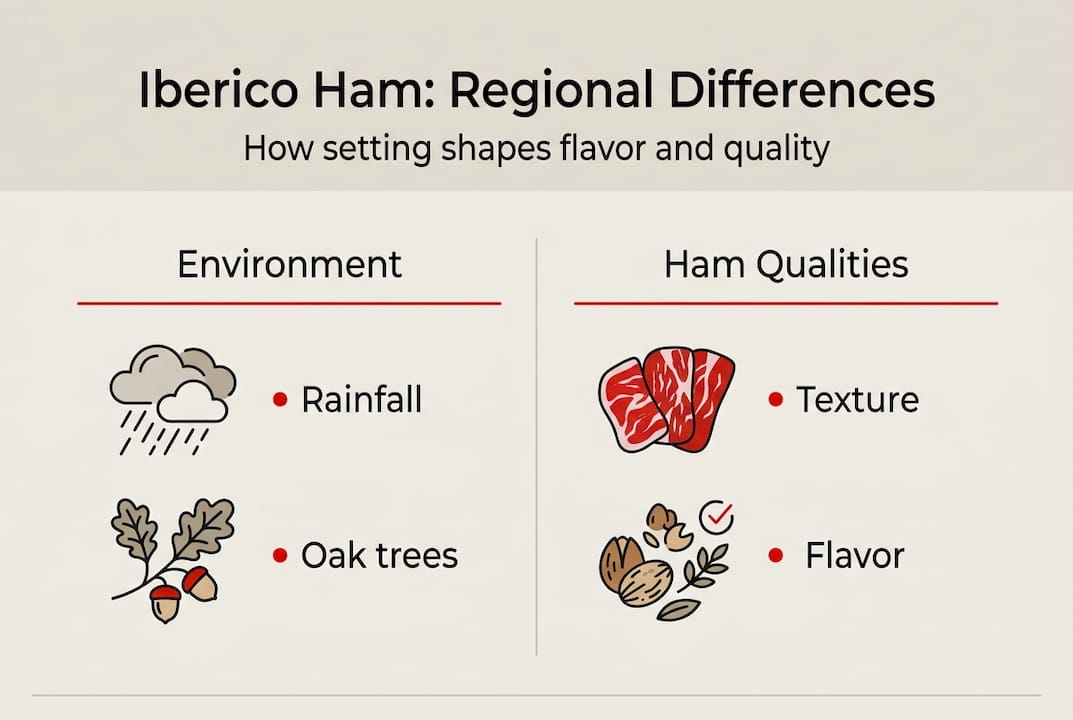
Jabugo’s high humidity and mountain air create ideal natural curing conditions, producing hams with a particularly silky texture and complex aroma. Guijuelo’s cold, dry winters slow the curing process considerably, often yielding a more delicate, subtly flavoured result. Extremadura’s vast dehesas allow pigs to cover greater distances, building muscle and encouraging deeper fat marbling.
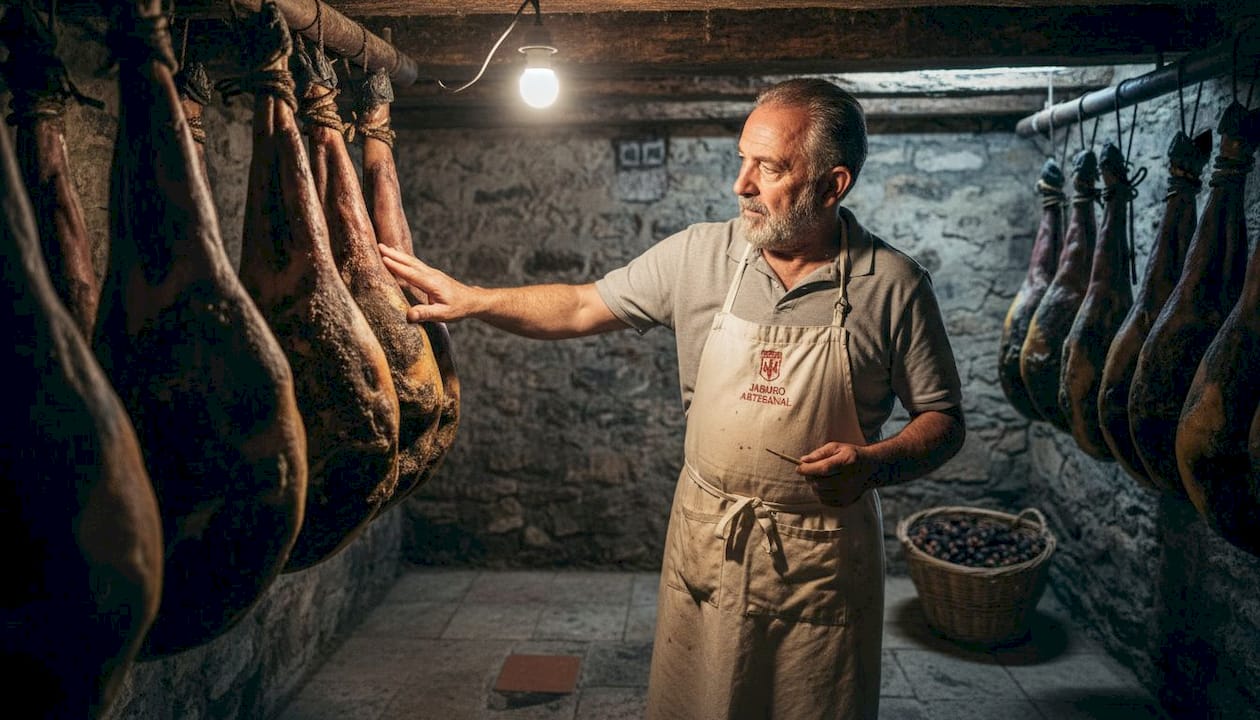
When choosing gourmet Iberico ham, understanding how regional weather interacts with ageing is essential. Mould cultures that develop naturally on the ham’s surface during curing vary by region, contributing to the final aromatic profile in ways that are impossible to replicate artificially.
The Iberian breed’s importance cannot be overstated here either. A purebred Ibérico pig in Jabugo will respond differently to its environment than a crossbred animal in a less biodiverse dehesa.
Pro Tip: When evaluating a producer, ask specifically how they adapt their curing process to seasonal climate variations. Producers who respond to the land rather than simply following a fixed calendar tend to produce more expressive, terroir-driven hams.
Protected origin: Tradition, branding, and nuance
Protected Designation of Origin (PDO) status exists to safeguard regional traditions and guarantee minimum standards. Spain currently recognises four Ibérico PDOs: Jamón de Huelva, Dehesa de Extremadura, Guijuelo, and Los Pedroches. Each enforces specific rules around breed purity, pasture size, feeding, and curing duration.
| PDO | Minimum curing time | Breed requirement | Pasture minimum | Key distinction |
|---|---|---|---|---|
| Jamón de Huelva | 24 months | 75% Ibérico | 1 pig per 2 hectares | Highest humidity, mountain air |
| Dehesa de Extremadura | 24 months | 75% Ibérico | 1 pig per 2 hectares | Largest dehesa coverage |
| Guijuelo | 24 months | 50% Ibérico | 1 pig per 2 hectares | Cold plateau curing |
| Los Pedroches | 24 months | 75% Ibérico | 1 pig per 2 hectares | Granite terrain, dense oak |
However, PDOs guarantee regional traditions but price does not always signal absolute quality. A PDO label confirms that minimum standards have been met. It does not confirm that a producer has gone beyond those standards. Some of the most extraordinary hams come from small artisan producers who exceed PDO requirements without charging a premium for the label itself.
For a deeper look at who is producing at the highest level, the guide to top Iberico ham producers offers valuable context. And if you want a structured approach to evaluating what is in front of you, the Iberico ham quality checklist covers the seven key steps in detail.
Pro Tip: Do not let a prestigious PDO region automatically justify a high price. Curing time beyond the minimum, breed purity above 75%, and a producer’s track record are often more reliable indicators of exceptional quality.
Climate change and the future of Iberico regions
The dehesa is under pressure. Prolonged droughts across southern and western Spain are reducing acorn yields, shortening the montanera season, and forcing producers to make difficult decisions about supplementary feeding. As montanera cycles are disrupted by climate change, the acorn supply in some regions is declining in ways that threaten the consistency of bellota-grade production.
“The centennial rhythms of the dehesa are shifting. Producers who have followed the same seasonal patterns for generations are now navigating uncertainty that their grandparents never faced.”
Regions are responding in different ways:
- Extremadura is investing in water management infrastructure to protect oak tree health during dry summers
- Jabugo producers are working with environmental bodies to monitor and restore dehesa biodiversity
- Guijuelo is exploring adjusted grazing calendars to align with shifting acorn availability
- Los Pedroches is trialling certification upgrades that reward producers who maintain strict bellota standards despite reduced yields
For connoisseurs, this means that sourcing authentic Iberico ham from producers with transparent supply chains is becoming more important, not less. Understanding why Iberico ham is expensive also requires factoring in these environmental pressures, which are pushing production costs upward across all regions.
Flexibility matters now. A connoisseur who is loyal to a single region without tracking how that region is adapting may find that quality shifts year on year in ways that a more informed buyer would anticipate.
How to select Iberico ham by region
Region is a powerful starting point, but it is one variable among several. PDO and producer background are both vital, but attention to details like curing time can matter most when making a final selection. Here is a practical approach:
- Define your flavour goal. Jabugo tends toward intense, complex aromatics. Guijuelo leans delicate and refined. Extremadura offers richness and depth. Los Pedroches sits between intensity and elegance.
- Read the label carefully. Look for breed purity percentage (100% Ibérico is the pinnacle), feeding classification (bellota is the highest), and curing duration.
- Research the producer. A PDO region sets the floor. The producer determines the ceiling. Seek out artisan operations with documented small-scale practices.
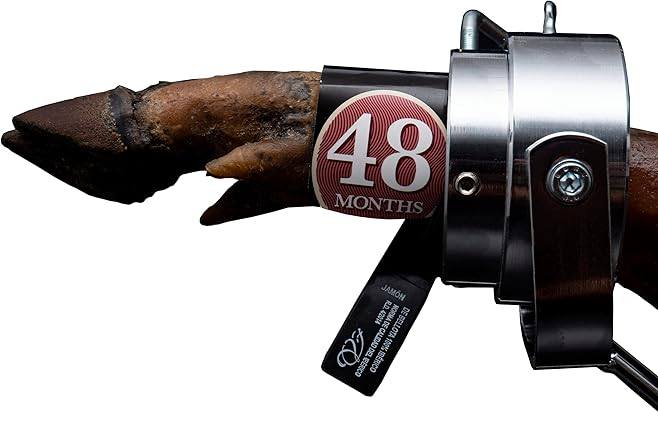
- Ask about curing time. Minimum PDO requirements are 24 months. The finest hams are often aged 48 months or beyond, sometimes exceeding 64 months for extraordinary complexity.
- Consider the occasion. For professional use or a tasting event, prioritise a single-region, single-producer ham. For everyday enjoyment, a well-aged bellota from any PDO region will reward.
- Verify the supply chain. Especially given climate pressures, knowing that your supplier sources directly from producers with transparent practices adds confidence to every purchase.
For further guidance, the resources on selecting authentic Iberico ham and expert tips for selecting Iberico ham offer detailed frameworks for both enthusiasts and culinary professionals.
Curate your Iberico experience
Understanding regional character transforms how you approach every purchase. It shifts the conversation from price to provenance, from label to landscape. At 7 Bellotas, the selection is built around exactly this philosophy: acorn-fed Pata Negra hams sourced from artisan producers who respect the land, the breed, and the centuries of tradition behind each piece.
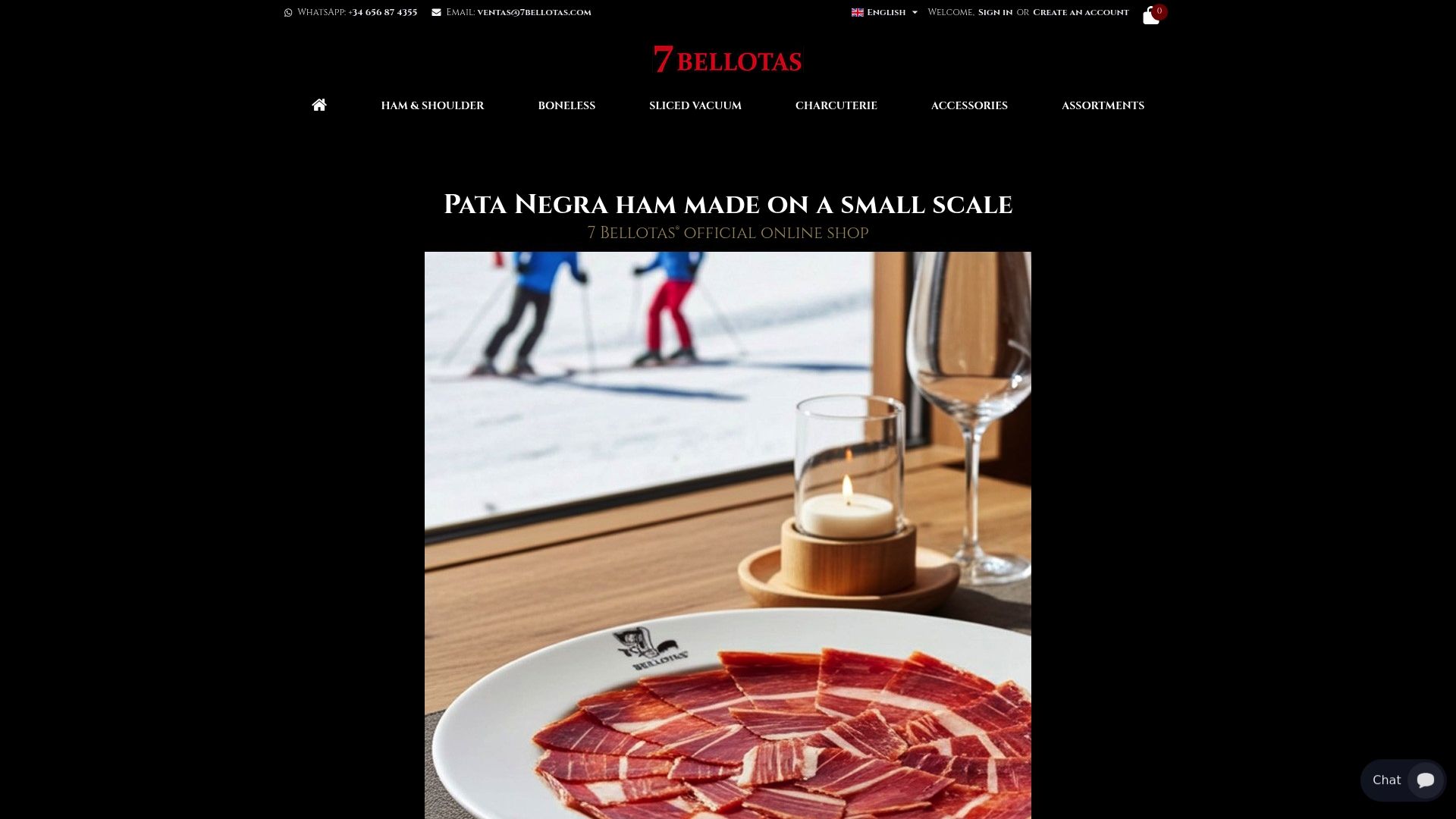
Every ham in the 7 Bellotas catalogue is dry cured with care, aged in natural dryers, and chosen for its ability to express the character of its origin. Whether you are drawn to the silky intensity of a Jabugo bellota or the refined elegance of a Guijuelo selection, the range offers a curated path through Spain’s finest regional expressions. Explore the full collection and let the terroir speak for itself.
Frequently asked questions
Do all Iberico producing regions taste the same?
No. Each region’s climate, terrain, and feeding practices produce distinct flavour and texture profiles, as regional vegetation creates flavour differences that are measurable and meaningful to any trained palate.
Is PDO the best way to guarantee top quality?
PDO ensures that regional traditions and minimum standards are upheld, but producer skill influences quality beyond what any designation can guarantee. Curing time and artisan practice often matter more.
How does climate change affect Iberico quality?
Increasing droughts reduce acorn availability during montanera, which can affect fat development and flavour consistency. Drought reduces acorns, making bellota-grade production more challenging and, in some years, more variable.
Can price always tell me which region produces better ham?
Not reliably. Price can reflect branding more than genuine regional superiority. Curing duration, breed purity, and producer reputation are far more dependable guides than the price tag alone.