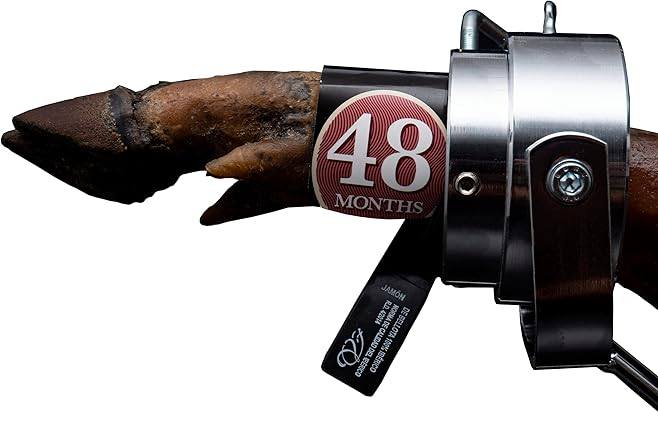
Appreciating Iberico ham’s unique qualities can feel elusive even for seasoned food lovers. The subtle interplay of breed purity, acorn-fed diet, and extended curing creates a complex flavour profile that demands more than casual sampling. This comprehensive guide equips gourmet enthusiasts with a systematic approach to tasting Iberico ham authentically, revealing the nuances that distinguish exceptional examples from ordinary cured meats. You’ll learn to recognise quality markers, prepare your palate properly, and evaluate sensory characteristics with confidence.
Table of Contents
- Understanding Iberico Ham Quality: Breeds, Feeding, And Labels
- Preparing For The Tasting: Tools, Environment, And Sensory Readiness
- Step-By-Step Guide To Tasting Iberico Ham Like A Connoisseur
- Verifying Authenticity And Understanding Quality Through Advanced Analysis
- Discover Authentic Iberico Ham With 7 Bellotas®
Key takeaways
| Point | Details |
|---|---|
| Label colours indicate authenticity | Black labels confirm 100% Iberian acorn-fed ham, whilst red, green, and white denote varying breed and diet combinations |
| Breed purity drives flavour depth | Higher Iberian blood percentage creates superior marbling, richer taste, and distinctive buttery texture |
| Curing transforms volatile compounds | Extended dry-curing develops complex aromatic profiles through chemical changes in fat composition |
| Scientific analysis supports tasting | Modern methods like GC-IMS verify authenticity and curing stage beyond subjective sensory evaluation |
Understanding Iberico ham quality: breeds, feeding, and labels
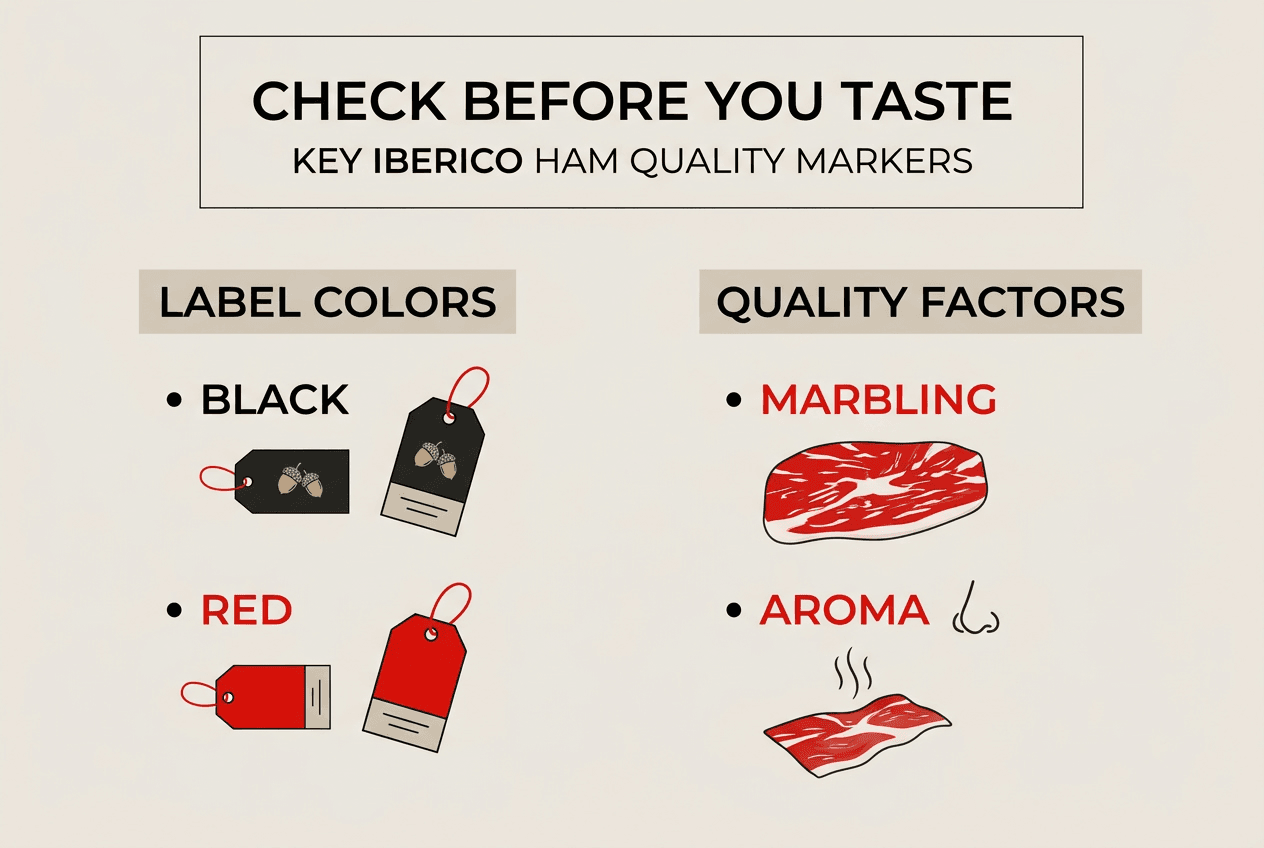
The foundation of authentic Iberico ham appreciation begins with understanding how pig breed significantly impacts quality through genetic purity and feeding practices. Spain’s colour-coded label system guarantees quality by clearly identifying breed composition and diet type, giving you reliable indicators before the first slice touches your palate. This standardised classification removes guesswork and establishes clear expectations for flavour profiles.
The black label represents the pinnacle: 100% purebred Iberian pigs raised on acorns during the montanera season. These animals develop exceptional intramuscular fat that creates the signature marbling and nutty sweetness. Red labels indicate crossbred pigs with partial Iberian heritage, also acorn-fed but lacking the full genetic advantages. Green labels denote field-fed animals grazing on natural pastures without concentrated acorn consumption, whilst white labels identify grain-fed pigs raised in controlled environments.
Diet profoundly influences flavour depth and fat composition. Acorns contain oleic acid that permeates muscle tissue, creating distinctive buttery notes and smooth mouthfeel absent in grain-fed alternatives. The Iberico pig breed impact extends beyond genetics to lifestyle, as free-range foraging develops muscle structure differently than confined feeding.
| Label colour | Breed purity | Feeding type | Expected flavour profile |
| — | — | — |
| Black | 100% Iberian | Acorn-fed | Intensely nutty, buttery, complex with sweet undertones |
| Red | Crossbred (≥50% Iberian) | Acorn-fed | Moderately nutty, balanced fat, pleasant sweetness |
| Green | 100% or crossbred | Field-fed pasture | Mild nuttiness, leaner texture, subtle flavour |
| White | 100% or crossbred | Grain-fed | Straightforward pork taste, firmer texture, less complexity |
Pro Tip: Always examine the label before tasting to calibrate your expectations regarding marbling density, flavour intensity, and textural characteristics you should encounter.
Preparing for the tasting: tools, environment, and sensory readiness
Proper preparation transforms casual sampling into meaningful evaluation. Your tasting environment should feature neutral lighting that reveals colour variations accurately, free from competing food aromas that might interfere with delicate ham scents. Temperature control matters significantly, as Iberico ham releases optimal aromatics and achieves ideal texture at 18-22°C room temperature.
Essential tools include a sharp jamonero knife for producing paper-thin slices that maximise surface area and melt quickly on the tongue. White ceramic plates provide contrast for observing fat marbling and colour gradations. Have still water available for palate cleansing between samples, or select a light fino sherry that complements rather than overwhelms subtle flavours.
Your sensory preparation begins 30 minutes before tasting. Avoid strongly flavoured foods, coffee, or cigarettes that leave residual tastes. Brush your teeth gently without mint toothpaste, which numbs taste receptors. Rest your sense of smell by stepping outside briefly, allowing your olfactory system to reset from indoor cooking odours or perfumes.
Consider these Iberico ham tasting tips for optimal conditions:
- Remove ham from refrigeration 45 minutes early to reach proper temperature
- Arrange adequate lighting to examine marbling patterns and fat translucency
- Eliminate background noise that might distract from focused sensory attention
- Prepare tasting notes template to record observations systematically
- Limit samples to three or four varieties to prevent palate fatigue
Pro Tip: Warming the ham slightly above room temperature intensifies aromatic compounds, revealing buttery notes and acorn sweetness more prominently than cold slices ever could.
Step-by-step guide to tasting Iberico ham like a connoisseur
Systematic sensory evaluation reveals qualities invisible to hurried consumption. Begin with visual assessment before touching or smelling the ham. Examine colour ranging from pale rosy pink in younger hams to deep ruby mahogany in extensively aged examples. Superior specimens display visible white fat veining throughout the muscle, creating intricate marbling patterns.
Observe fat transparency by holding a thin slice toward light. High-quality Iberico ham fat appears almost translucent with a pearlescent sheen, indicating oleic acid content from acorn consumption. Opaque white fat suggests grain feeding or insufficient curing time. Note any crystallisation on the surface, white tyrosine deposits that signal proper ageing and protein breakdown.
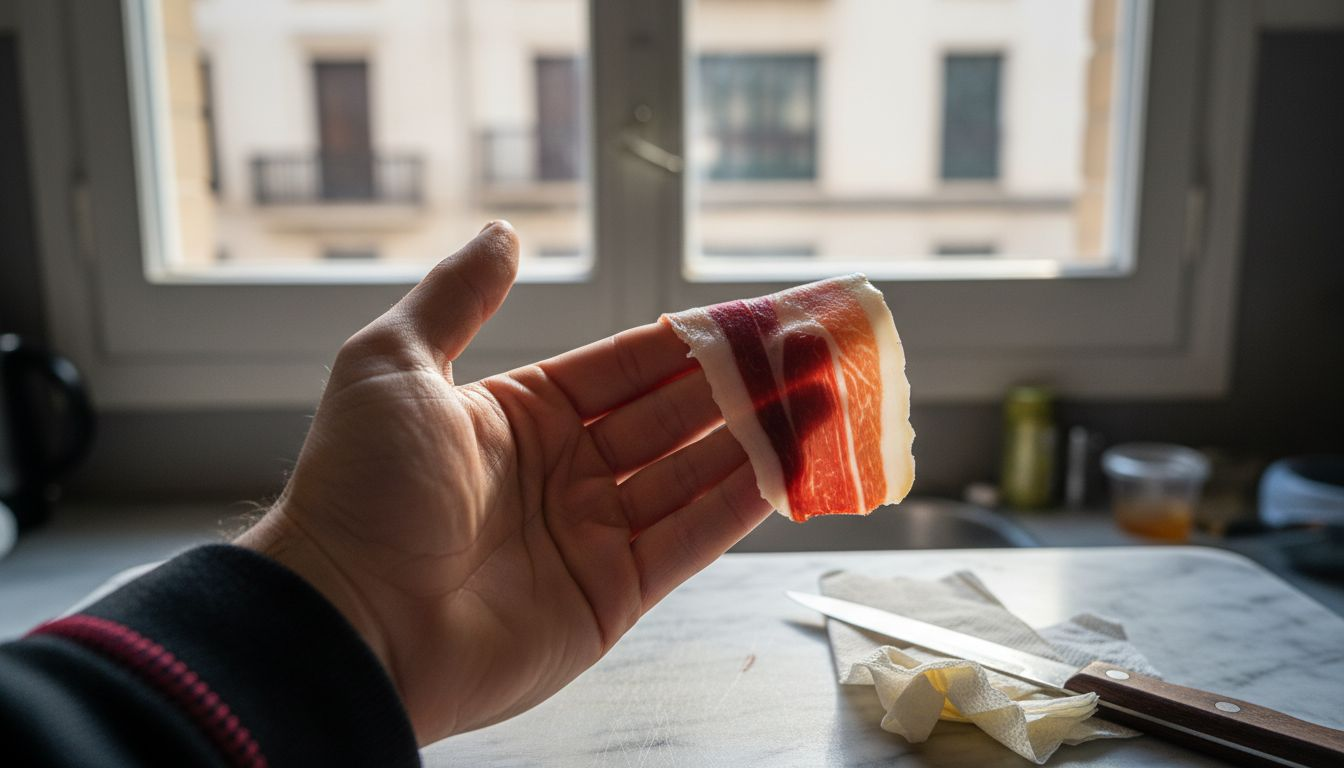
Step two engages your olfactory sense. Hold the slice near your nose without touching and inhale gently. Premium acorn-fed ham releases nutty aromas reminiscent of toasted hazelnuts, accompanied by subtle oak notes from curing cellars. Detect buttery scents that indicate high oleic acid levels. Avoid aggressive sniffing that fatigues receptors quickly.
Tasting technique determines how completely you experience flavour complexity. Place a small slice on your tongue without chewing immediately. Let it warm and begin melting, releasing fat-soluble flavour compounds gradually. Notice initial saltiness giving way to sweet undertones, then nutty depth emerging as fat volatile compounds influence flavour perception. Chew slowly, noting how flavours evolve and linger.
Texture evaluation completes the assessment. Premium Iberico ham should feel tender yet structured, never rubbery or dry. The fat content creates a silky mouthfeel, melting at body temperature and coating your palate pleasantly. Juiciness indicates proper moisture retention during curing, whilst excessive dryness suggests over-ageing or poor storage.
Common mistakes compromise accurate evaluation:
- Slicing too thick prevents proper melting and flavour release
- Tasting too many samples consecutively causes palate fatigue
- Rushing through steps without allowing flavours to develop fully
- Comparing drastically different quality levels that skew perception
- Ignoring texture, focusing only on taste and aroma
When selecting authentic Iberico ham, focus on these sensory qualities:
- Colour depth and uniformity throughout the slice
- Marbling density and fat distribution patterns
- Aroma intensity and complexity of nutty notes
- Initial saltiness balanced with sweet undertones
- Melt-in-mouth texture from intramuscular fat content
- Flavour persistence after swallowing
Verifying authenticity and understanding quality through advanced analysis
Modern analytical methods complement traditional sensory evaluation, providing objective data about ham quality and authenticity. Gas chromatography-ion mobility spectrometry (GC-IMS) represents a significant advancement, detecting specific volatile compounds through analytical methodology that influence flavour and aroma profiles. This technology identifies chemical markers associated with breed purity, feeding type, and curing stage.
The comparison between traditional and scientific approaches reveals complementary strengths:
| Evaluation method | Principle | Key markers detected | Primary benefits |
|---|---|---|---|
| Traditional sensory | Human perception of taste, smell, texture | Flavour intensity, aroma complexity, mouthfeel | Immediate, accessible, captures subjective experience |
| GC-IMS analysis | Chemical detection of volatile organic compounds | Specific aldehydes, ketones, alcohols, esters | Objective, reproducible, verifies authenticity claims |
Volatile compounds contributing to Iberico ham’s distinctive character include:
- Hexanal and heptanal providing fresh, grassy notes
- 2-methylbutanal creating malty, nutty aromas
- 3-methylbutanal contributing roasted, chocolate-like depth
- Ethyl acetate adding fruity, sweet undertones
- 2-pentanone offering creamy, buttery characteristics
These chemical signatures vary predictably based on feeding regimen and curing duration. Acorn-fed hams display elevated levels of compounds derived from oleic acid oxidation, whilst grain-fed examples show different volatile profiles reflecting their diet composition. Extended curing increases certain aldehydes and ketones through lipid breakdown, creating the complex aromatics prized by connoisseurs.
Scientific analysis aids detecting subtle differences imperceptible to even trained palates. It verifies label claims about breed purity and feeding practices, protecting consumers from fraudulent products. When combined with sensory evaluation, this objective data increases confidence in quality assessment and helps you understand why certain hams deliver superior experiences.
Consult this Iberico ham quality checklist to integrate both traditional and modern verification approaches. The synergy between human perception and analytical precision creates the most comprehensive understanding of what makes exceptional Iberico ham truly distinctive.
Discover authentic Iberico ham with 7 BELLOTAS®
Now that you understand the nuances distinguishing exceptional Iberico ham, experience these qualities firsthand through carefully curated selections. 7 BELLOTAS® specialises in 100% Iberian acorn-fed hams meeting the exacting standards outlined throughout this guide. Each product undergoes rigorous quality verification, ensuring the breed purity, feeding practices, and curing excellence you’ve learnt to recognise.
Explore premium options aged between 36 and 64 months, allowing you to compare how extended curing develops the complex flavour profiles and aromatic depth discussed earlier. Whether selecting whole hams for traditional carving or convenient pre-sliced portions, you’ll find authentic gourmet quality backed by transparent sourcing and artisanal production methods that honour Spanish heritage.
FAQ
How do I know if an Iberico ham is truly 100% Iberian?
The black label confirms purebred status and acorn-fed diet, representing the highest quality classification under Spanish regulations. Always verify packaging includes detailed breed and feeding information, as reputable producers provide transparent documentation. Check for certification seals from recognised Spanish denominaciones de origen that authenticate claims, and review authentic Iberico ham tips for additional verification strategies.
Why does the pig’s diet affect Iberico ham’s flavour so much?
Acorns contain oleic acid and other compounds that produce distinctive buttery texture and nutty sweetness absent in grain-fed alternatives. This diet fundamentally alters fat composition throughout muscle tissue, creating the signature marbling and mouthfeel prized by connoisseurs. The free-range foraging lifestyle during montanera season further develops muscle structure differently than confined feeding, contributing to superior texture and flavour complexity.
What is the best way to serve Iberico ham for tasting?
Serve at 18-22°C room temperature to reveal full aromatic potential and achieve ideal buttery texture. Slice paper-thin using a sharp knife, as thicker cuts prevent proper melting and flavour release on the palate. Follow this serving Iberico ham guide for presentation techniques that maximise visual appeal whilst preserving delicate flavours.
How long should properly cured Iberico ham age?
Minimum curing periods range from 24 months for smaller pieces to 36 months for whole hams, though premium examples often age 48-64 months. Extended curing develops deeper flavour complexity through continued fat oxidation and protein breakdown, creating the nuanced profiles sought by serious enthusiasts. However, excessive ageing beyond 72 months can introduce overly intense saltiness or dryness that diminishes eating quality.