Even the most devoted food enthusiasts can mis-serve Pata Negra, robbing it of its extraordinary character before a single slice reaches the plate. This iconic Spanish ham, dry cured for years and fed on wild acorns, deserves far more than a hasty carve on a wooden board. Serve it at the wrong temperature, cut it too thick, or pair it carelessly, and you lose the very qualities that make it one of the world’s most prized foods. This guide covers everything: how to select authentic Pata Negra, set up your serving space, slice with precision, and build pairings that honour the craft behind every leg.
Key Takeaways
| Point | Details |
|---|---|
| Start with the finest ham | True Pata Negra is distinguished by breed, diet, and curing so only authentic selections will deliver the best experience. |
| Slice with precision | Use the right tools and aim for nearly transparent, even slices to unlock the ham’s nuanced flavours. |
| Serve at the perfect temperature | Present Pata Negra at room temperature to allow its aromas and marbling to shine. |
| Create memorable pairings | Pair with aged cheeses, robust Spanish wines, and simple breads for a flavourful, sophisticated tasting experience. |
| Make it an occasion | Elevate the experience with thoughtful presentation, ambience, and conversation. |
Understanding Pata Negra: what makes it special
To serve it exquisitely, you first need to appreciate what sets Pata Negra apart. The name literally means “black hoof,” a reference to the dark trotters of the purebred Iberian pig. But the term signals far more than colour. It points to a specific breed, a specific diet, and a curing process that can span anywhere from 36 to over 64 months.
Pata Negra’s unique qualities begin with the pig itself. The Iberian breed carries a genetic ability to store fat within its muscle fibres, producing the signature marbling that melts on the tongue. During the montanera season, these pigs roam freely across the dehesa, the ancient cork oak pastures of southwest Spain, gorging on fallen acorns. That acorn-fed diet gives the fat its oleic acid content, producing a flavour profile closer to fine olive oil than ordinary pork fat.
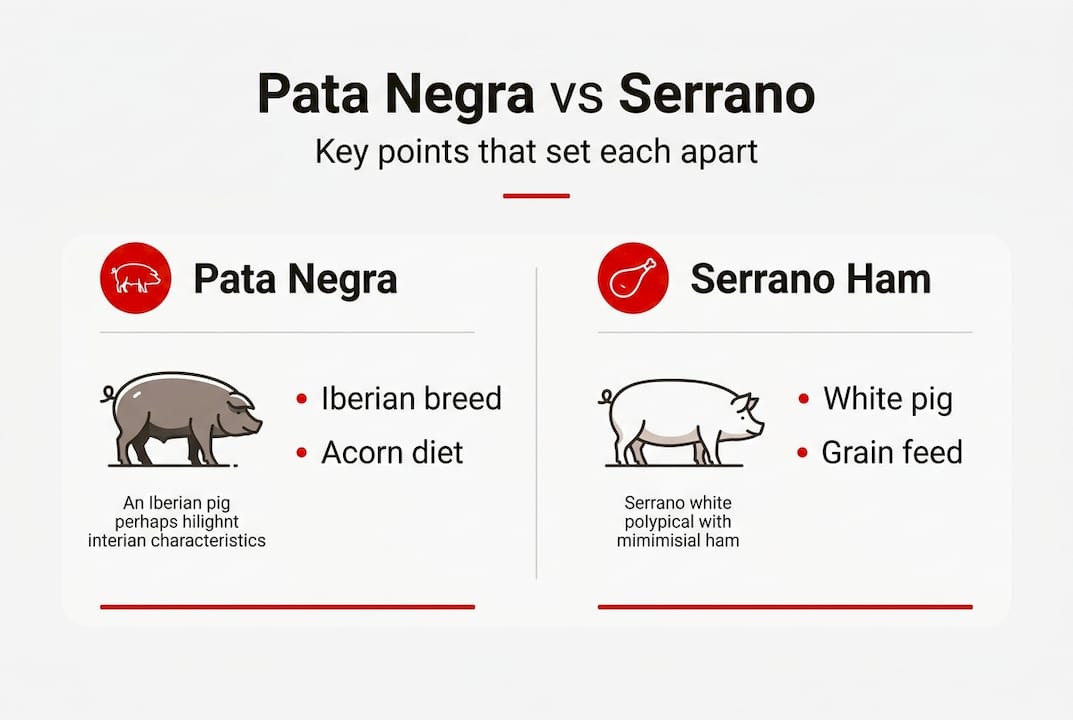
As Pata Negra essentials confirm, Jamón Ibérico de Bellota is renowned for its rich marbling, unique curing, and acorn-fed diet, setting it apart from every other cured meat in Spain. Serrano ham, by contrast, comes from white pigs, carries far less intramuscular fat, and cures for a shorter period. The difference in taste is not subtle.
Spain’s official quality labels help you identify the real thing. Look for the black label, which designates 100% Iberian breed, acorn-fed ham. The red label covers crossbred Iberian pigs also fed on acorns. The green label indicates free-range pigs fed on grass and grain. Anything less is a different product entirely. When following Iberico buying tips, always check the label colour before purchasing.
Key attributes to look for when buying Pata Negra:
- Black label certification confirming 100% Iberian breed
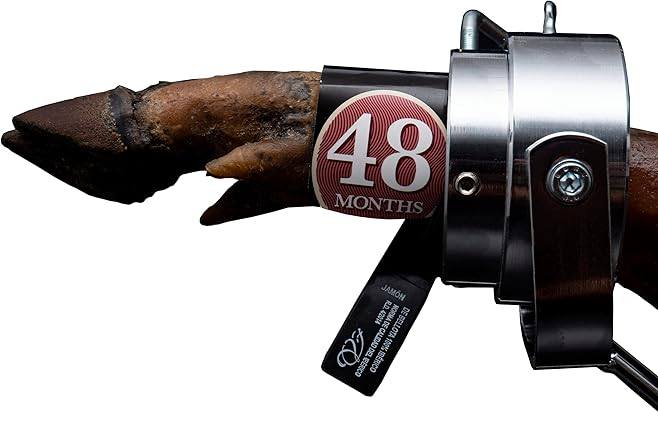
- Minimum 36-month curing period, ideally 48 months or more
- Deep mahogany colour with visible white fat streaks
- Elongated, slender hoof typical of the Iberian pig
- Origin from Jabugo, Guijuelo, Extremadura, or Los Pedroches
- Artisanal producer with small-scale, traditional curing methods
| Feature | Pata Negra (Bellota) | Serrano ham |
|---|---|---|
| Breed | 100% Iberian | White pig |
| Diet | Wild acorns | Grain |
| Curing time | 36 to 64+ months | 7 to 16 months |
| Fat marbling | Extensive intramuscular | Minimal |
| Flavour profile | Nutty, complex, buttery | Mild, lightly salted |
| Price range | Premium | Moderate |
Essential tools and preparation for serving
Once you understand the luxury you’re handling, it’s time to assemble the right kit and environment. Attempting to carve Pata Negra without proper tools is like opening a grand cru with a corkscrew borrowed from a petrol station. The results will disappoint.
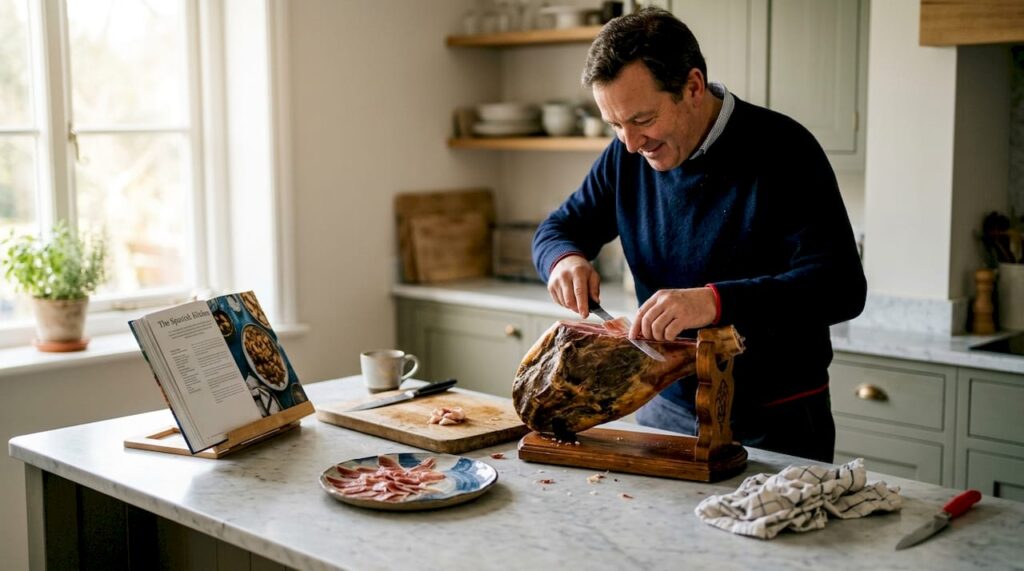
As plating Pata Negra guides confirm, correct knife and stand use is vital for achieving perfect slices. The jamonero stand holds the leg firmly, freeing both hands for controlled, safe cutting. Without it, the ham shifts, slices become uneven, and the risk of injury rises considerably.
A full serving tools guide recommends the following equipment:
| Tool | Purpose |
|---|---|
| Jamonero ham stand | Secures the leg for stable, safe carving |
| Long, flexible ham knife | Produces thin, even slices along the grain |
| Short, rigid boning knife | Removes outer fat and navigates the bone |
| Knife sharpening steel | Maintains blade edge throughout carving |
| Food-safe tongs | Handles slices without transferring heat or oils |
| Cotton or cut-resistant gloves | Protects hands during the initial trimming stage |
Preparation checklist before you begin:
- Remove the ham from any wrapping at least two hours before serving
- Position the stand on a stable, non-slip surface at a comfortable working height
- Sharpen both knives before starting
- Have a clean cloth nearby for wiping the blade between cuts
- Prepare your serving platter in advance so slices can be placed immediately
Pro Tip: Allow the ham to reach 20 to 24°C before slicing. At this temperature, the fat softens visibly, the aroma intensifies, and every slice delivers its full flavour. A cold ham is a muted ham.
Step-by-step slicing and serving techniques
Having set the scene, now comes the artistry: slicing and serving for maximum flavour. Slicing requires patience and skill to produce paper-thin, flavour-packed pieces, and the process rewards those who slow down.
Follow these authentic serving steps for a professional result:
- Position the ham correctly. Place the hoof upward in the stand if starting from the maza (the wider, fleshier side). Reverse it for the contramaza.
- Trim the outer layer. Use the boning knife to remove the dried rind and excess yellowed fat until the deep red meat is visible. Discard this outer layer.
- Expose a clean working surface. Only uncover as much meat as you plan to slice in one session. Exposed meat dries quickly.
- Begin slicing. Hold the long knife parallel to the bone and draw it smoothly in one direction. Never saw back and forth.
- Aim for translucency. Each slice should be thin enough to see light through. This is where flavour concentration is highest.
- Navigate the bone. When the knife meets resistance, use the boning knife to cut around the bone cleanly rather than forcing through.
- Arrange immediately. Lay slices flat on a warm plate, slightly overlapping, and serve within minutes.
“Pata Negra served at room temperature, sliced moments before eating, is a completely different experience from pre-sliced, chilled portions. The fat blooms, the aroma opens, and the flavour becomes something genuinely extraordinary.”
Common mistakes to avoid include cutting slices too thick (which makes them chewy and overpowering), using a serrated bread knife (which tears the fibres), and slicing too far in advance. For expert guidance on presentation, Iberico serving guide and expert slicing advice both reinforce these principles.
Pro Tip: If you must prepare slices ahead of time, layer them between sheets of wax paper and keep them at room temperature for no longer than 30 minutes. Never refrigerate freshly cut slices.
Pairings and plating: elevating the gastronomic experience
After mastering technique, the final flourish is serving Pata Negra with tailored accoutrements. The right pairing does not compete with the ham. It amplifies it.
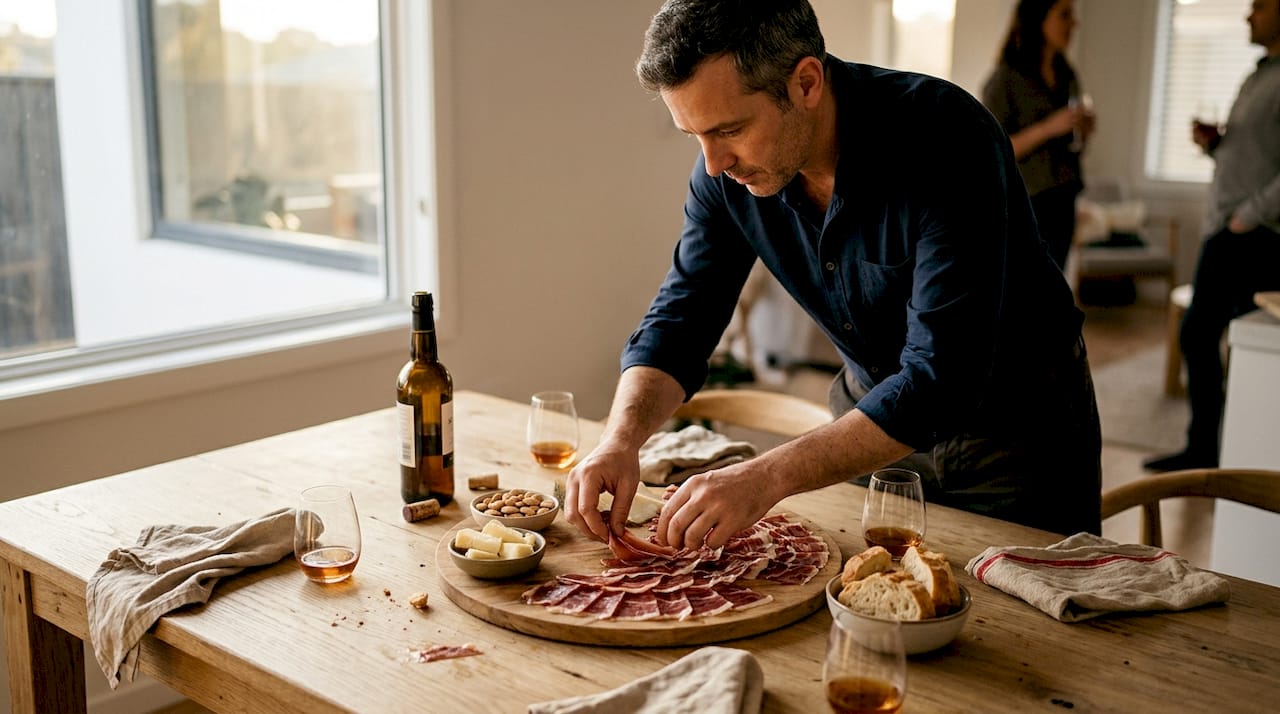
Pairing Pata Negra with aged cheeses and Spanish wines accentuates its complex notes, creating a tasting experience that lingers well beyond the last bite. The key is restraint. Strong flavours overwhelm; subtle ones converse.
Ideal accompaniments:
- Aged Manchego or Idiazabal cheese
- Pan con tomate (toasted bread rubbed with ripe tomato)
- Marcona almonds or roasted hazelnuts
- Fresh figs, Medjool dates, or thin slices of quince paste
- A drizzle of cold-pressed extra virgin olive oil over the slices
- Dry sherry, Rioja Reserva, or crisp cava
| Pairing | Flavour effect |
|---|---|
| Aged Manchego | Adds a savoury, slightly sharp contrast to the sweet fat |
| Pan con tomate | Cleanses the palate and highlights the ham’s nuttiness |
| Marcona almonds | Echoes the acorn notes from the pig’s diet |
| Quince paste | Provides gentle sweetness that balances the salt |
| Fino sherry | Cuts through richness with crisp, dry minerality |
| Rioja Reserva | Adds depth and tannin structure that frames the umami |
For wine pairing tips that go beyond the obvious, consider a chilled Manzanilla sherry, which many seasoned tasters regard as the single most complementary match for acorn-fed ham.
When building a gourmet board, place the Pata Negra slices at the centre. Arrange accompaniments in small clusters around the edges, keeping strong flavours (such as blue cheese or pickles) well away from the ham. If serving alongside other cured meats, always present Pata Negra last in the tasting order. Its complexity deserves an uncluttered palate. Explore more Pata Negra pairing ideas to refine your approach further.
Why Pata Negra deserves ritual, not routine
Here is an uncomfortable truth: most people who serve Pata Negra correctly still miss the point. They nail the temperature, slice it beautifully, and choose a fine Rioja. Then they serve it at a noisy kitchen counter between two other dishes, and the whole experience evaporates.
The history of Pata Negra is one of patience, landscape, and generations of craft. Every slice carries that story. When you treat it as just another charcuterie item, you are not simply making a social faux-pas. You are genuinely wasting something rare.
Small touches matter enormously. Dim the lights slightly. Use beautiful slate or ceramic serving ware. Time the serving so guests are settled and unhurried. Introduce the ham briefly: its origin, its curing time, what makes it singular. This is not pretension. It is context, and context transforms eating into tasting.
For presentation inspiration that sets the right mood, even the backdrop behind your serving board makes a difference. Connoisseurs understand this instinctively. The ritual is part of the flavour.
Pro Tip: Serve Pata Negra as the centrepiece of a dedicated tasting moment, not as a side note to a larger spread. Give it five minutes of focused attention, and it will reward you tenfold.
Experience authentic Pata Negra with 7BELLOTAS®
Knowing how to serve Pata Negra is only half the journey. The other half is sourcing a ham worthy of the effort. Provenance, curing time, and breed purity all determine what ends up on your plate.
At 7BELLOTAS®, every leg is selected from small-scale, artisanal producers who follow traditional curing methods in natural dryers. The range spans 36-month to 64-month aged hams, all acorn-fed, all carrying the black label. Whether you are looking to buy Pata Negra online for a special occasion or to build a regular ritual at home, the curated selection and detailed product guides make it straightforward to find exactly the right ham for your table.
Frequently asked questions
What is the ideal thickness for slicing Pata Negra?
The optimal slice is almost translucent, maximising aroma and flavour with every bite. As paper-thin slicing guidance confirms, patience and a sharp, flexible knife are the two non-negotiable requirements.
How do I store leftover Pata Negra after slicing?
Wrap slices tightly in wax paper and store in a cool, dry place. Never use plastic wrap or airtight containers, as these trap moisture and degrade the texture within hours. For guidance on preserving slice texture, wax paper is always the right choice.
Can Pata Negra be frozen for longer storage?
Freezing is not recommended, as it alters both the texture and the delicate flavour profile. As freezing affects quality notes confirm, the intramuscular fat structure breaks down, and the result is a noticeably inferior product once thawed.
What are the best drinks to serve with Pata Negra?
Spanish reds like Rioja Reserva and dry sherries are the classic choices, but crisp cava also pairs beautifully with the ham’s richness. For a broader view, complex flavour notes are best complemented by wines with enough structure to frame rather than overpower.