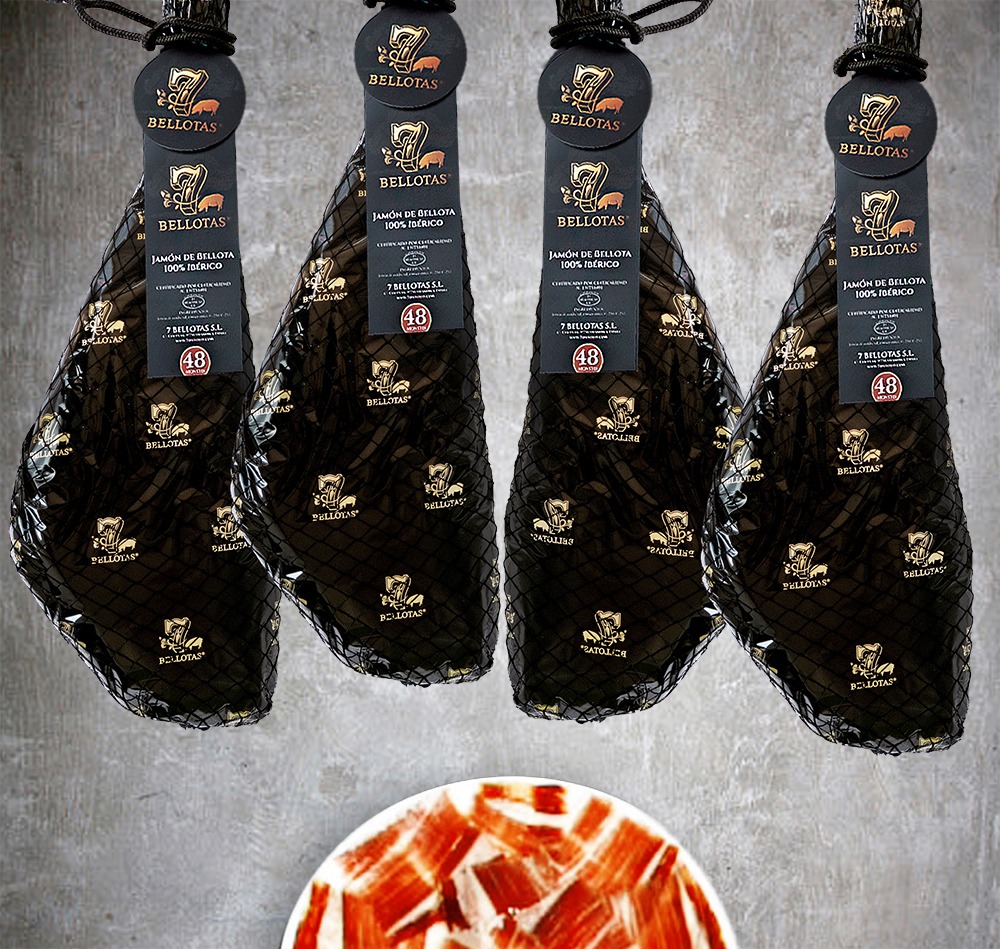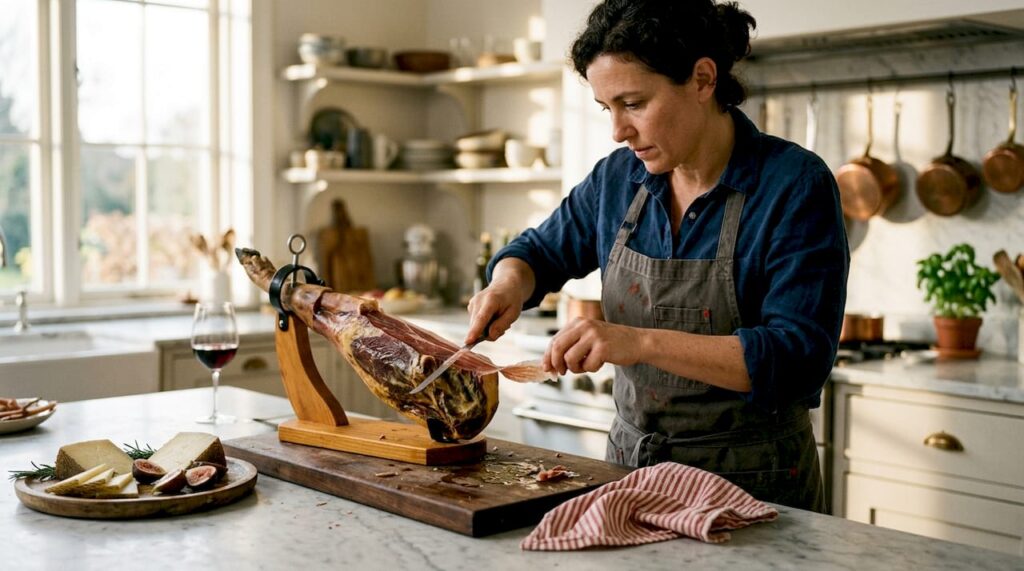
Serving Iberico ham transcends simple slicing; it demands precision in thickness, thoughtful presentation, and strategic pairing to unlock its legendary nutty, melt-in-mouth character. Whether you’re hosting an intimate dinner or a bustling cocktail gathering, the way you present this Spanish delicacy shapes the entire tasting experience. Mastering expert serving techniques transforms a premium product into an unforgettable culinary moment. This guide explores creative methods tailored to different occasions, optimal storage practices, and pairing wisdom that elevates every slice from excellent to extraordinary.
Table of Contents
- Key takeaways
- Criteria for serving Iberico ham perfectly
- Innovative serving styles for different occasions
- Pairing Iberico ham with complementary foods and beverages
- Storage and serving tips to maintain gourmet quality
- Explore authentic Iberico ham at 7 Bellotas
- FAQ
Key Takeaways
| Point | Details |
|---|---|
| Thin slices under 2mm | Thinner cuts release nutty notes and melt in the mouth, while thicker slices become chewy and mask flavour. |
| Ideal serving temperature | Serve Iberico ham at twenty to twenty four degrees Celsius to release aromas, and remove from refrigeration twenty to thirty minutes before serving. |
| Post carving storage | Wrap carved portions loosely in beeswax paper or place in airtight containers and refrigerate at zero to four degrees Celsius to preserve moisture and prevent odours. |
| Event tailored presentation | Match presentation to the event with formal fans for elegance, tapas boards for sharing, or canapés for easy cocktail party bites. |
Criteria for serving Iberico ham perfectly
The magic of Iberico ham lies in how you release its complex flavour profile through deliberate serving choices. Thicker slices become chewy, masking the delicate nutty notes that define premium acorn-fed varieties, whilst paper-thin cuts melt on the tongue and gradually reveal layers of sweetness and umami. Aim for slices under 2mm to achieve that signature texture connoisseurs crave.
Temperature plays an equally vital role in flavour expression. Serving Iberico ham at 20-24°C allows the intramuscular fat to soften just enough to release volatile aromatic compounds. Cold ham straight from the fridge tastes flat and one-dimensional, whilst overly warm slices lose structural integrity and become greasy. Remove your ham from refrigeration 20-30 minutes before serving to reach the ideal temperature zone.
Storage conditions after carving determine how long your ham maintains peak quality. Exposed surfaces oxidise rapidly, developing off-flavours and drying out within hours. Wrap carved portions loosely in beeswax paper or place them in airtight containers, then refrigerate at 0-4°C. This method preserves moisture and prevents the ham from absorbing fridge odours.
Your serving environment shapes presentation choices significantly. Formal dinners call for elegant plating with negative space and minimal garnish, whilst casual tapas gatherings invite abundant portions on rustic boards. Cocktail events demand bite-sized preparations that guests can handle whilst mingling. Consider lighting, table height, and guest flow when planning your expert pairing and serving ideas.
Pro Tip: Place a small bowl of room-temperature water near your carving station. Dip your knife briefly between cuts to prevent the blade from dragging and tearing delicate slices, ensuring each piece maintains its translucent, jewel-like appearance.
Innovative serving styles for different occasions
Adapting your presentation to match the event type transforms Iberico ham from a simple appetiser into a memorable centrepiece. Traditional fan-slice arrangements suit formal dinners, tapas plates encourage social interaction, and canapés provide convenient cocktail party solutions. Each approach requires distinct plating techniques and garnishing strategies.
For formal dinners, create visual drama through precise fan arrangements on individual plates or a central platter. Layer 6-8 translucent slices in an overlapping arc, allowing each piece to catch light and showcase the ham’s marbled texture. Position a small cluster of marcona almonds and a single fig quarter at the fan’s base for colour contrast. This minimalist approach directs attention to the ham’s natural beauty without competing elements.
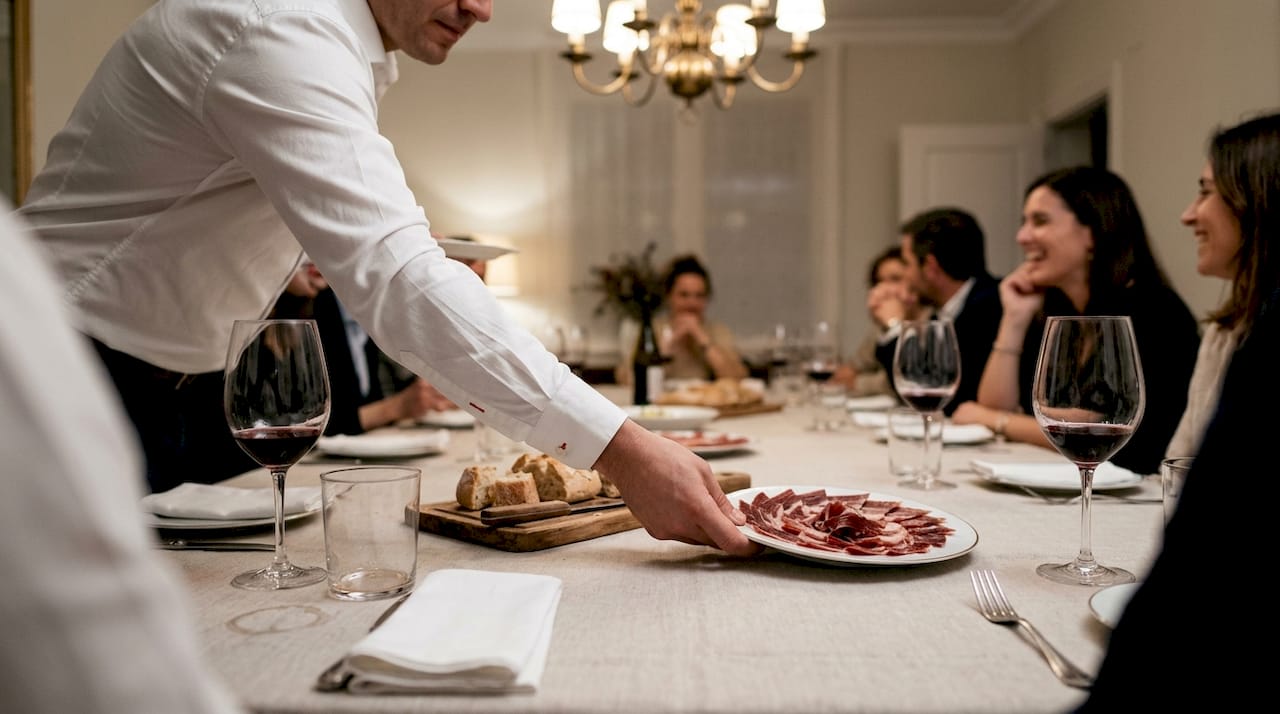
Casual tapas presentations embrace abundance and variety on wooden boards or slate tiles. Arrange 12-15 slices in loose folds rather than rigid patterns, creating organic shapes that invite guests to serve themselves. Scatter small bowls of olives, cornichons, and quince paste around the ham, encouraging experimentation with different flavour combinations. Include a small ramekin of extra virgin olive oil for drizzling, which amplifies the ham’s nutty undertones.
Cocktail party canapés demand structural integrity and one-bite convenience. Follow these steps for foolproof preparations:
- Cut baguette slices 1cm thick and toast until golden
- Spread each with a thin layer of tomato confit or fig jam
- Fold a single ham slice into a loose rosette shape
- Secure with a cocktail pick threaded through a cornichon
- Arrange on a serving tray with parchment paper for easy handling
These portable bites maintain their structure for up to two hours at room temperature, making them ideal for events where guests circulate freely. The sweet-savoury contrast from the jam base enhances the ham’s complexity whilst the crisp bread provides textural variety. Refer to our gourmet presentation guide for advanced plating techniques that suit specific event themes.
Pairing Iberico ham with complementary foods and beverages
Strategic pairing choices amplify Iberico ham’s inherent qualities rather than competing with its delicate flavour profile. Classic Spanish accompaniments like manchego cheese, Manzanilla olives, and marcona almonds create harmonious flavour bridges that highlight the ham’s nutty sweetness. These traditional pairings work because they share similar fat content and umami depth, creating a cohesive tasting experience.
Cheese selection requires careful consideration of age and intensity. Young manchego (3-6 months) offers mild, buttery notes that defer to the ham, whilst aged varieties (12+ months) introduce sharp, crystalline textures that provide contrast. Avoid blue cheeses or washed-rind varieties, as their pungent characteristics overwhelm rather than complement. Slice cheese thinly to match the ham’s delicate texture, creating visual and sensory symmetry on the plate.
Beverage pairings hinge on matching the ham’s richness with appropriate acidity and body. Ideal serving temperature and accompaniments enhance the tasting experience at 20-24°C, allowing both food and drink to express their full character. Fino or Manzanilla sherry cuts through the ham’s fattiness with saline crispness, whilst aged Rioja provides tannic structure that cleanses the palate between bites. Avoid heavy, oaked wines that mask subtle flavours.
| Pairing category | Recommended options | Flavour impact |
|---|---|---|
| Cheese | Young manchego, aged idiazábal | Creamy contrast or crystalline texture |
| Nuts | Marcona almonds, walnuts | Echoes ham’s nuttiness, adds crunch |
| Fruit | Fresh figs, quince paste | Sweet counterpoint to savoury depth |
| Wine | Aged Rioja, Ribera del Duero | Tannic structure cleanses richness |
| Sherry | Fino, Manzanilla | Saline acidity cuts through fat |
Presentation strategy for pairings should guide guests through a logical tasting progression. Place milder accompaniments nearest the ham, progressing to bolder flavours at the platter’s edges. This arrangement encourages exploration whilst preventing palate fatigue. Include small serving utensils for each component to maintain hygiene and allow guests to customise their combinations. Explore our iberico ham tasting tips for advanced pairing frameworks.
Pro Tip: Freeze small clusters of grapes for 2 hours before serving. These provide palate-cleansing bursts of cold sweetness between ham tastings without the heaviness of bread or crackers, keeping your guests’ taste buds fresh throughout extended grazing sessions.
Storage and serving tips to maintain gourmet quality
Proper storage after carving determines whether your Iberico ham retains its exquisite character or degrades into a disappointing shadow of its former glory. Store carved Iberico ham in airtight containers at 0-4°C and consume within 3-4 days to preserve the delicate balance of moisture, fat content, and aromatic compounds. Exposure to air triggers oxidation that dulls flavour and creates unpleasant rancid notes.
Refrigeration strategy requires balancing humidity control with air circulation. Wrap individual portions in beeswax paper or parchment before placing them in glass containers with tight-fitting lids. Avoid plastic wrap directly against the meat, as condensation creates a breeding ground for off-flavours and texture degradation. If you must use plastic, place a layer of parchment between the ham and the wrap to absorb excess moisture.
Serving from cold storage demands patience for optimal results. Remove only the portion you plan to serve 20-30 minutes before guests arrive, allowing it to reach 20-24°C gradually. Rushing this process with artificial heating methods damages the fat structure and creates greasy, unappealing slices. Plan your timing to coincide with guest arrival, ensuring the ham reaches peak temperature as you begin serving.
Longer-term storage for whole or partially carved hams requires additional protection. Cover the cut surface with a thin layer of the ham’s own fat or high-quality olive oil to create a protective barrier against oxidation. Wrap the entire piece in a clean cotton cloth, then store in a cool, dry place away from direct sunlight. Check weekly for any signs of mould or excessive drying.
“The difference between mediocre and magnificent Iberico ham often comes down to those final 30 minutes before serving. Temperature transforms texture, releasing the intramuscular fat that carries those prized nutty, sweet notes. Patience at this stage rewards you with an entirely different sensory experience.”
Consider portion planning to minimise waste and maintain quality throughout your event. Carve only what you expect guests to consume within two hours at room temperature. Remaining portions should return to refrigeration promptly, as extended exposure to warm conditions accelerates spoilage. For large gatherings, stagger your carving in 30-minute intervals rather than presenting all the ham at once. Review our comprehensive iberico ham carving guide for techniques that maximise yield whilst preserving quality.
Explore authentic Iberico ham at 7 Bellotas
Elevating your gourmet serving experiences starts with sourcing genuinely exceptional Iberico ham that rewards your careful preparation and presentation efforts. 7 Bellotas curates a premium selection of authentic Spanish Iberico ham, featuring acorn-fed Pata Negra varieties aged from 36 to over 64 months through traditional methods that honour centuries of artisanal expertise.
Each ham in the collection represents small-scale production from carefully selected producers who prioritise natural curing processes over industrial shortcuts. Whether you’re seeking whole legs for ceremonial carving, pre-sliced portions for convenience, or vacuum-packed options for gifting, the range accommodates every serving scenario discussed in this guide. Expert advice on slicing techniques and presentation strategies accompanies every purchase, ensuring you maximise the potential of these extraordinary products. Discover how authentic quality transforms your next gourmet gathering by exploring the full collection today.
FAQ
What is the ideal thickness to slice Iberico ham?
The optimal slice thickness sits below 2mm to achieve the signature melt-in-mouth texture that releases Iberico ham’s complex nutty flavours gradually. Thicker slices become chewy and mask the delicate aroma compounds that define premium varieties. Use a long, flexible knife with a razor-sharp edge to achieve translucent, almost see-through slices that drape elegantly on the plate.
How should Iberico ham be stored after carving?
Keep carved ham refrigerated at 0-4°C in airtight containers, wrapped first in beeswax paper to prevent moisture loss and flavour contamination. Consume within 3-4 days to preserve optimal taste and texture, as oxidation accelerates after this window. For whole hams with exposed cut surfaces, cover the area with the ham’s own fat or quality olive oil before wrapping in cotton cloth.
What are the best foods and drinks to pair with Iberico ham?
Classic pairings include manchego cheese, Manzanilla olives, and marcona almonds, which share similar fat content and umami depth without competing with the ham’s delicate profile. Ideal accompaniments include wines served at 20-24°C to unlock aromatic compounds, particularly aged Rioja or fino sherry that provides tannic structure or saline acidity. Fresh figs and quince paste offer sweet counterpoints that highlight the ham’s natural nuttiness.
Can Iberico ham be served at cocktail parties effectively?
Cocktail presentations work brilliantly when you prepare bite-sized canapés that maintain structural integrity whilst guests circulate. Fold single ham slices into rosettes atop toasted baguette rounds spread with fig jam or tomato confit, securing each with a cocktail pick. These portable bites stay fresh at room temperature for up to two hours, providing convenient one-bite experiences that showcase the ham’s quality without requiring plates or cutlery.
Why does serving temperature matter for Iberico ham?
Temperature directly affects how intramuscular fat releases volatile aromatic compounds that carry Iberico ham’s signature flavour profile. Cold ham tastes flat and one-dimensional because the fat remains solid, trapping these precious aromatics. Serving at 20-24°C allows the fat to soften just enough to release layers of sweetness, nuttiness, and umami without becoming greasy or losing structural integrity.