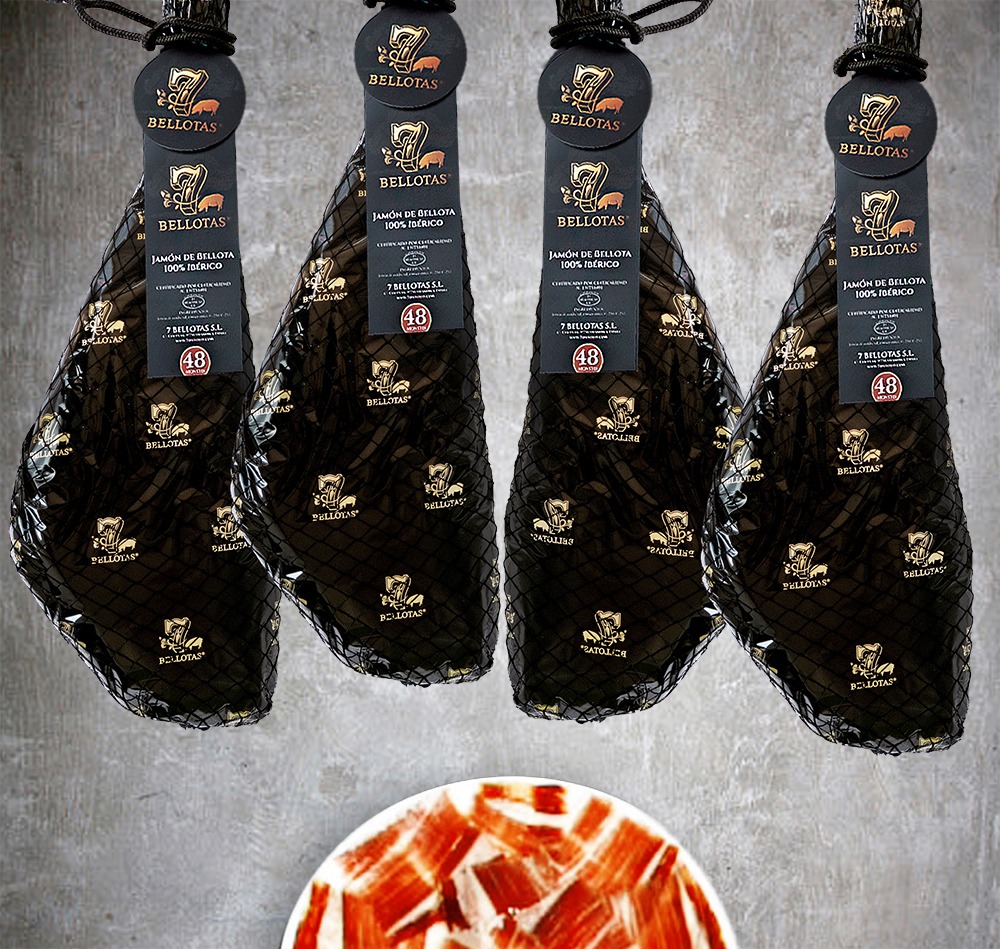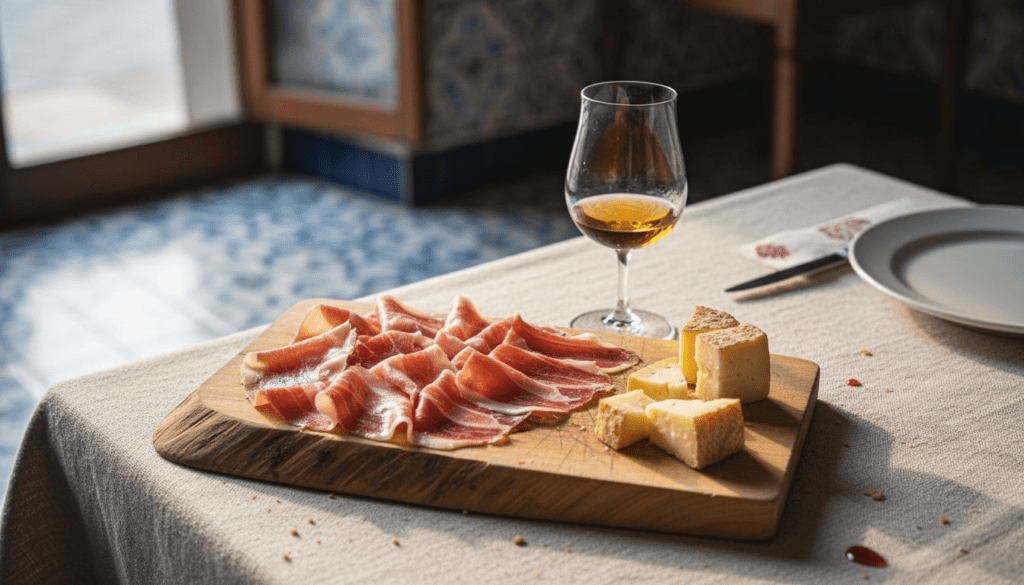
Selecting the ideal approach to serve Iberico ham can transform a good meal into an unforgettable gourmet experience. Many enthusiasts struggle to move beyond traditional slicing methods, missing opportunities to showcase this artisanal treasure. This article presents diverse, expert-curated serving ideas designed to maximize flavor, impress guests, and suit any dining occasion.
Table of Contents
- How to Choose the Best Serving Approach for Iberico Ham
- Classic and Traditional Iberico Ham Serving Ideas
- Creative and Modern Serving Ideas
- Beverage and Food Pairings to Enhance Iberico Ham
- Presentation Techniques for Gourmet Impact
- Practical Tips and Considerations for Serving Iberico Ham
- Summary Comparison of Serving Ideas
- Situational Recommendations: Choosing the Right Serving Idea for Your Event
- Discover Premium Iberico Ham for Your Next Gourmet Experience
Key Takeaways
| Point | Details |
|---|---|
| Temperature and slicing matter | Serving at 20-24°C with 1-2mm slices unlocks optimal aroma and texture release. |
| Traditional meets modern | Classic pairings with Manchego and almonds contrast beautifully with contemporary fig jam canapés. |
| Strategic pairings elevate taste | Dry sherry, Tempranillo, and acidic accompaniments balance richness and enhance complexity. |
| Presentation shapes experience | Wooden boards convey rustic authenticity while modern platters suit sophisticated events. |
| Context guides format | Formal dinners call for elegant plating, casual gatherings thrive with tapas style sharing. |
How to Choose the Best Serving Approach for Iberico Ham
The right serving method depends on several interconnected factors that work together to highlight Iberico ham’s exceptional qualities. Temperature stands paramount among these considerations. Serving Iberico ham at room temperature can unlock flavors that remain muted when cold, specifically 20-24°C.
Slice thickness directly influences how flavors reach your palate. Aim for 1-2mm translucent cuts that melt on the tongue, releasing nutty and sweet notes gradually. Thicker slices become chewy and mask the ham’s delicate profile.
Pairing foods must balance the ham’s inherent richness without overpowering its subtle complexity. Consider how accompaniments interact with fat content and saltiness. Manchego cheese and Marcona almonds provide textural contrast, while acidic elements cut through richness effectively.
Presentation style communicates your event’s character before guests take their first bite. Wooden boards evoke rustic Spanish tradition and create tactile warmth. Modern slate platters suit contemporary settings and formal occasions. Your choice signals whether you’re celebrating heritage or embracing innovation.
Portion sizing varies dramatically by context. Tapas style encourages social sharing with smaller portions spread across multiple plates. Formal dinners warrant larger, carefully arranged slices as a featured course. When choosing Iberico ham, consider your serving format to determine quantity needs.
Pro tip: Remove vacuum-packed Iberico ham from refrigeration 30 minutes before serving, allowing it to reach proper temperature while you prepare accompaniments.
Meal type influences every other decision. Breakfast incorporates ham into lighter preparations, lunch pairs it with salads, dinner positions it as a sophisticated appetizer or main element. Guest preferences matter equally, especially dietary restrictions and flavor adventurousness. Some audiences appreciate traditional presentations, others seek creative twists.
Classic and Traditional Iberico Ham Serving Ideas
Time-honored serving methods emphasize Iberico ham’s Spanish heritage and allow its natural qualities to shine without distraction. These approaches have endured because they consistently deliver memorable experiences.
Thin slicing remains the cornerstone of traditional service. Paper-thin cuts release aromatic compounds gradually as they warm on your tongue. This method showcases the ham’s marbling and allows you to appreciate color variations from deep crimson to pale pink.
Traditional pairings with Manchego cheese create harmonious flavor combinations highly favored in gourmet circles. The cheese’s mild nuttiness complements rather than competes with the ham’s complexity. Marcona almonds add buttery crunch and subtle sweetness.
Wooden serving boards provide rustic authenticity that connects diners to the ham’s artisanal origins. Choose boards with natural grain patterns and minimal finish to let the ham’s visual appeal dominate. Arrange slices in loose waves rather than tight rows.
Dry sherry varieties, particularly Fino and Manzanilla, enhance the ham’s nuanced profile through complementary minerality and crisp acidity. These fortified wines originated in the same Spanish regions as premium Iberico ham, creating geographic harmony.
Formal dinners benefit most from traditional presentations. The approach conveys respect for the product’s heritage and signals sophistication. Position the ham course early in the meal to awaken palates without overwhelming them before subsequent dishes arrive. Following a classic Iberico ham serving guide ensures authentic execution.
Creative and Modern Serving Ideas
Contemporary approaches update tradition with inventive ingredients and presentation techniques that surprise guests while honoring the ham’s essential character. These methods suit adventurous palates and modern entertaining styles.
Canapés topped with fig jam and microgreens transform Iberico ham into refined bite-sized appetizers. The jam’s sweetness balances saltiness while microgreens add fresh, peppery notes and visual elegance. Use small toasted bread rounds or endive leaves as bases.
Extra virgin olive oil drizzled sparingly over arranged slices elevates texture and adds fruity depth. Follow with cracked black pepper for subtle heat that activates taste receptors. This minimal enhancement respects the ham while adding contemporary flair.
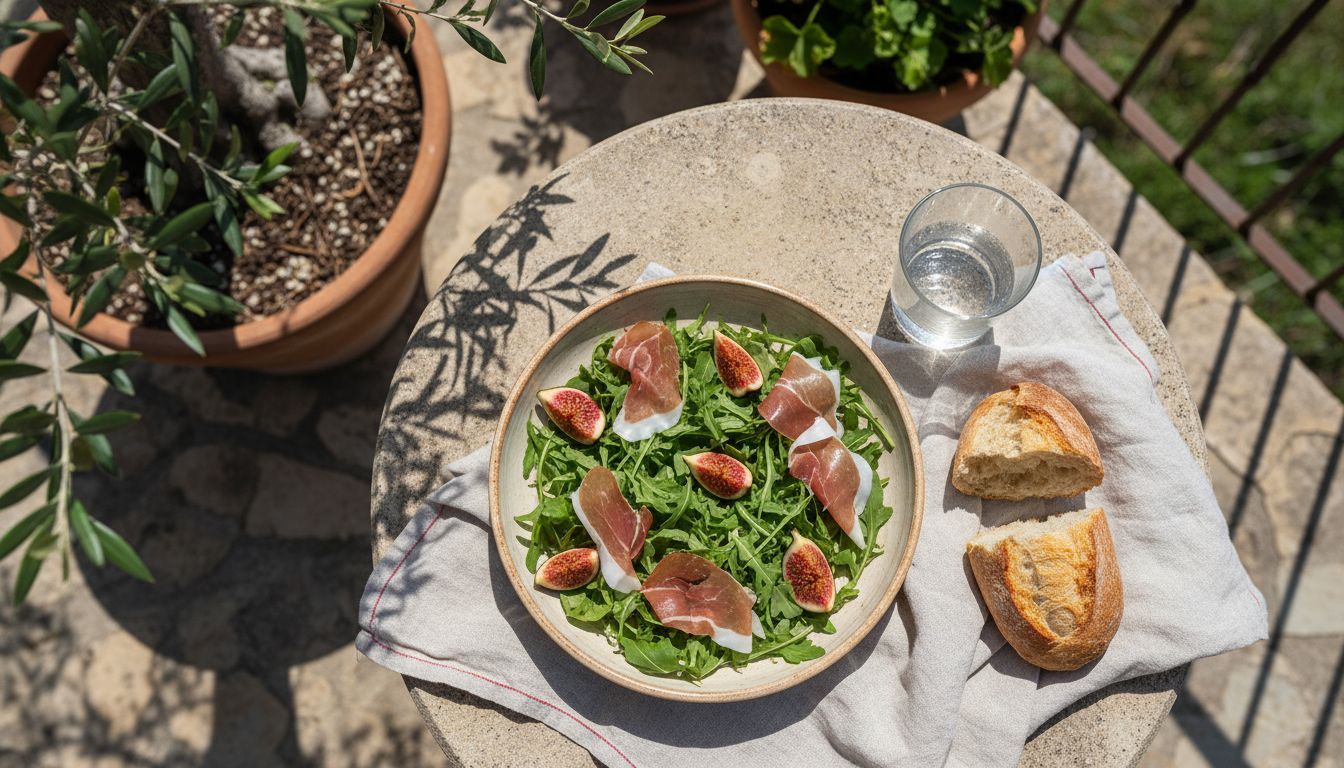
Fresh salads incorporating Iberico ham with figs and arugula create light, vibrant dishes perfect for warm weather entertaining. The arugula’s peppery bite and figs’ honeyed sweetness provide dynamic contrast. Dress simply with lemon juice and quality olive oil.
Tapas style small plates encourage social sharing and allow guests to sample multiple flavor combinations. Offer variety by pairing ham differently across plates: one with olives and peppers, another with melon and mint, a third with tomato and basil.
Acidic accompaniments for Iberico ham, like vinegars and citrus, cut through richness and enhance taste clarity according to expert chefs. Use restraint with acids to avoid overwhelming the ham’s delicate notes. A light sherry vinegar reduction or lemon zest suffices.
Pro tip: When creating modern Iberico ham serving ideas, maintain temperature discipline even with creative presentations by chilling plates briefly before arranging room-temperature ham.
Experimental pairings push boundaries further. Try ham with dark chocolate shavings for unexpected sweetness, or wrap slices around grilled asparagus spears. These bold combinations work when component quality remains high. Proper carving tips for Iberico ham ensure consistent slices regardless of serving style.
Beverage and Food Pairings to Enhance Iberico Ham
Strategic pairings amplify the Iberico ham tasting experience by creating complementary or contrasting flavor interactions that highlight different aspects of its complex profile.
| Beverage Type | Specific Recommendation | Pairing Rationale | Best Serving Context |
|---|---|---|---|
| Dry Sherry | Fino, Manzanilla | Crisp minerality enhances subtle ham flavors | Traditional appetizer course |
| Red Wine | Tempranillo, Rioja | Bold tannins complement heartier preparations | Main course, formal dinners |
| White Wine | Albariño, Verdejo | Bright acidity balances lighter pairings | Summer meals, salad courses |
| Sparkling | Cava, Champagne | Bubbles cleanse palate between bites | Celebrations, extended tastings |
Dry sherry varieties pair beautifully with Iberico ham by enhancing subtleties without adding weight. Fino’s almond notes echo Marcona almonds often served alongside, creating layered harmony. Manzanilla’s slight salinity mirrors the ham’s cure.
Red and white wine pairings suit different meal contexts, with red wine like Tempranillo complementing heartier dishes while white wine such as Albariño works better with lighter presentations like salads. Temperature matters here too: serve reds slightly cool and whites well chilled.
Seasonal fruits balance saltiness and bring freshness that cleanses the palate. Figs offer honeyed sweetness and soft texture, melon provides juicy contrast, pears add crisp subtlety. Arrange fruits separately so guests control their own pairing intensity.
Mild vinegars enrich the flavor profile without overpowering when used judiciously. A few drops of aged sherry vinegar or balsamic reduction on the plate’s edge lets diners experiment. Avoid placing vinegar directly on ham slices.
Nuts beyond Marcona almonds work well: walnuts add earthy bitterness, pistachios contribute vibrant color and mild sweetness. Toasting nuts briefly intensifies their flavors and improves crunch. Traditional Spanish pairings with Manchego cheese and almonds remain favored because they balance rather than compete.
Presentation Techniques for Gourmet Impact
How you present Iberico ham shapes guest perceptions and dining atmosphere before anyone tastes the product. Visual and tactile elements combine to create memorable first impressions.
Wooden boards deliver rustic, traditional presentation that enhances tactile experience and connects diners to artisanal origins. Choose boards large enough to avoid crowding, allowing each slice space to be appreciated individually. Natural wood grain and warm tones complement the ham’s deep colors.
Arranging thinly sliced ham as fans creates visual drama and makes slices easy to pick up. Accent with edible flowers or microgreens for elegance and color contrast. Position garnishes thoughtfully so they enhance rather than obscure the ham.
| Presentation Style | Visual Impact | Best Occasion | Service Flow | Guest Interaction |
|---|---|---|---|---|
| Formal Plated | High elegance, controlled portions | Gourmet dinners, special events | Sequential course service | Individual appreciation |
| Tapas Style | Casual abundance, variety | Social gatherings, parties | Simultaneous access | Shared exploration |
| Charcuterie Board | Rustic authenticity, choice | Informal entertaining | Self-service grazing | Personal selection |
Serving at room temperature optimizes aroma and flavor perception by allowing volatile compounds to evaporate and reach olfactory receptors. Cold ham tastes flat and texturally firm. Plan timing so ham reaches 20-24°C exactly when guests arrive.
Tapas style serving preference encourages social dining in informal settings over formal plated meals according to recent culinary research. Small plates foster conversation and allow guests to pace themselves naturally.
Modern platter materials like slate, marble, or ceramic suit contemporary aesthetics and provide temperature stability. Chill these materials briefly before use to keep ham cool longer without refrigeration. Contrast dark surfaces against pale ham for striking visual impact.
Garnish strategically with elements that guests will actually eat. Olives, cornichons, and pickled vegetables add acidic pops. Fresh herbs like rosemary or thyme contribute aroma. Avoid purely decorative elements that clutter the presentation. When sourcing Iberico ham for presentation, consider how your supplier’s packaging and product form align with your serving vision.
Practical Tips and Considerations for Serving Iberico Ham
Successful Iberico ham service requires attention to practical details that preserve quality and optimize enjoyment from storage through final presentation.
Storage Protocol: Keep vacuum-packed Iberico ham refrigerated at 2-8°C until use. Once opened, consume within 5-7 days for peak freshness. Wrap exposed surfaces in breathable cloth rather than plastic to prevent moisture buildup.
Temperature Transition: Remove ham from refrigeration 15-20 minutes before serving to reach optimal temperature. Thicker cuts require longer warming time. Test temperature by touching the fat, which should feel soft and yielding.
Slicing Technique: Maintain 1-2mm thickness for balanced mouthfeel and aroma release. Use a sharp, long-bladed knife with smooth strokes. Angle cuts to maximize surface area and create attractive presentation.
Portion Sizing: Calculate 40-60g per person for appetizer servings, 80-100g for main course inclusion. Tapas style servings run smaller at 25-35g per person across multiple plates. Adjust based on other menu items.
Platter Assembly: Avoid overcrowding by leaving space between slices. Arrange ham in loose, natural patterns rather than rigid rows. Place accompaniments in small clusters around the board’s perimeter.
Pro tip: Serving Iberico ham at optimal temperature unlocks flavors that cold serving keeps locked away, so resist the urge to keep ham chilled until the last second.
Fat content influences serving decisions. Higher marbling means richer flavor but also faster warming. Monitor fat translucency as an indicator of proper temperature: it should appear slightly glossy rather than opaque white.
Knife maintenance matters for consistent results. Sharpen blades regularly and clean between cuts to prevent fat buildup that tears rather than slices. A damp cloth nearby keeps your knife pristine. Study Iberico ham carving tips to refine your technique and achieve professional results.
Summary Comparison of Serving Ideas
Understanding how different serving approaches compare helps you select the ideal method for your specific needs and dining context.
| Serving Method | Occasion Suitability | Key Pairings | Presentation Style | Flavor Enhancement | Texture Focus |
|---|---|---|---|---|---|
| Traditional Sliced | Formal dinners, heritage events | Manchego, almonds, dry sherry | Wooden boards, arranged fans | Subtle complexity, natural notes | Silky, melts on tongue |
| Modern Canapés | Cocktail parties, receptions | Fig jam, microgreens, olive oil | Individual portions, elegant plating | Sweet-savory contrast, brightness | Varied textures, layered |
| Fresh Salads | Casual lunches, summer meals | Figs, arugula, white wine | Bowl or plate service | Light, refreshing, acidic balance | Crisp greens, soft ham |
| Tapas Plates | Social gatherings, shared dining | Olives, peppers, varied cheeses | Small plates, abundant variety | Exploration, flavor discovery | Mix of soft and crunchy |
| Charcuterie Board | Informal entertaining, grazing | Multiple accompaniments, choice | Self-service, rustic | Personal customization | Guest-controlled combinations |
Each method offers distinct advantages. Traditional slicing showcases Iberico ham’s inherent qualities with minimal intervention. Modern canapés create sophisticated single bites perfect for standing receptions. Fresh salads lighten the ham’s richness for warm weather.
Tapas style maximizes social interaction and allows guests to sample multiple flavor combinations across one meal. Charcuterie boards provide flexibility and accommodate diverse preferences within a single presentation.
Consider preparation time and skill requirements. Traditional slicing demands knife expertise but minimal additional prep. Canapés require more assembly time but can be partially prepared in advance. Salads need fresh ingredients and last-minute tossing.
Guest count influences method selection. Tapas and charcuterie boards scale efficiently for larger groups. Individual plated servings suit intimate dinners where precision matters. Budget constraints also factor in, as elaborate presentations with multiple premium pairings cost more than simple traditional service.
Situational Recommendations: Choosing the Right Serving Idea for Your Event
Matching your serving approach to event type and guest expectations ensures maximum impact and satisfaction across different dining contexts.
For formal gourmet dinners, serve thinly sliced ham on wooden boards paired with dry sherry and Manchego cheese. This approach signals sophistication and respect for tradition. Position the ham course after lighter appetizers but before heavier mains. Use individual boards for each guest or one large board for shared tableside carving.
Casual social gatherings thrive with tapas style small plates featuring Marcona almonds, olives, and varied cheeses. Encourage sharing by placing multiple plates around the space and letting guests graze naturally. This format reduces formality and promotes conversation. Replenish plates throughout the event rather than presenting everything at once.
Summer or light meals benefit from incorporating Iberico ham in fresh salads with figs, arugula, and white wine pairings. The combination feels refreshing rather than heavy, suitable for warm weather when rich foods feel less appealing. Dress salads lightly to avoid masking the ham’s flavor.
Holiday celebrations and special occasions call for dramatic presentations that feel abundant. Large charcuterie boards loaded with ham, multiple cheeses, fruits, nuts, and artisan breads create visual wow factor. This approach accommodates diverse preferences and dietary needs within one spectacular display.
Intimate tastings for true enthusiasts warrant focused presentations that highlight the ham itself with minimal distraction. Serve several aged varieties side by side with simple accompaniments like bread and water. This educational format lets subtle differences shine.
- Consider guest familiarity with Iberico ham when planning presentations
- Account for seasonality in pairing selections and serving temperatures
- Balance practicality with ambition based on your preparation skills
- Plan portion sizes to avoid waste while ensuring satisfaction
- Use serving format to reinforce your event’s intended atmosphere
When planning purchases, review insider Iberico ham buying tips to ensure you select appropriate quality and quantity. Understanding the types of Iberico ham helps match product characteristics to your serving vision. If guests lack experience with premium Spanish ham, briefly explain Iberico vs Serrano ham differences to set context and build appreciation.
Discover Premium Iberico Ham for Your Next Gourmet Experience
Now that you understand how to serve Iberico ham beautifully, sourcing authentic, premium quality product becomes essential to realizing these expert serving ideas.
Explore a curated selection of genuine Iberico ham from Spain’s most respected artisan producers. Each product represents traditional craftsmanship, natural curing processes, and the exceptional flavor that distinguishes true Pata Negra. Whether you need whole hams for tableside carving, pre-sliced portions for convenient entertaining, or vacuum-packed options for extended freshness, premium selections await.
Access detailed guides and expert recommendations to select authentic Iberico ham that matches your specific serving plans and quality expectations. Learn about aging periods, acorn-fed certifications, and regional distinctions that separate exceptional ham from ordinary products. Discover why sourcing from top Iberico ham producers guarantees the authentic taste experience your gourmet serving ideas deserve. Buy premium Iberico ham that elevates any occasion from simple meal to unforgettable culinary moment.
Frequently Asked Questions
What is the ideal serving temperature for Iberico ham?
Serve Iberico ham at 20-24°C for optimal flavor and aroma release. Remove from refrigeration 15-20 minutes before serving, allowing the fat to soften and volatile compounds to activate. Cold ham tastes muted and feels firm on the palate.
What are the best food pairings to highlight Iberico ham’s flavor?
Manchego cheese and Marcona almonds create traditional Spanish pairings that complement without overpowering. Fresh figs, melon, and arugula provide sweet or peppery contrast. Mild acidic elements like sherry vinegar balance richness effectively when used sparingly.
How should I store Iberico ham before serving?
Keep vacuum-packed ham refrigerated at 2-8°C until ready to use. Once opened, consume within 5-7 days for peak quality. Wrap exposed surfaces in breathable cloth rather than plastic to prevent moisture accumulation that degrades texture.
What slice thickness maximizes Iberico ham’s flavor?
Aim for 1-2mm translucent slices that melt on the tongue and release flavors gradually. Thicker cuts become chewy and mask delicate notes. Use a sharp, long-bladed knife with smooth strokes to achieve consistent thickness and attractive presentation.
Which wine complements Iberico ham dishes best?
Dry sherry varieties like Fino and Manzanilla enhance traditional presentations beautifully. Tempranillo and Rioja suit heartier dishes and formal dinners. Albariño and Verdejo work better with lighter preparations like salads, providing bright acidity that balances richness.