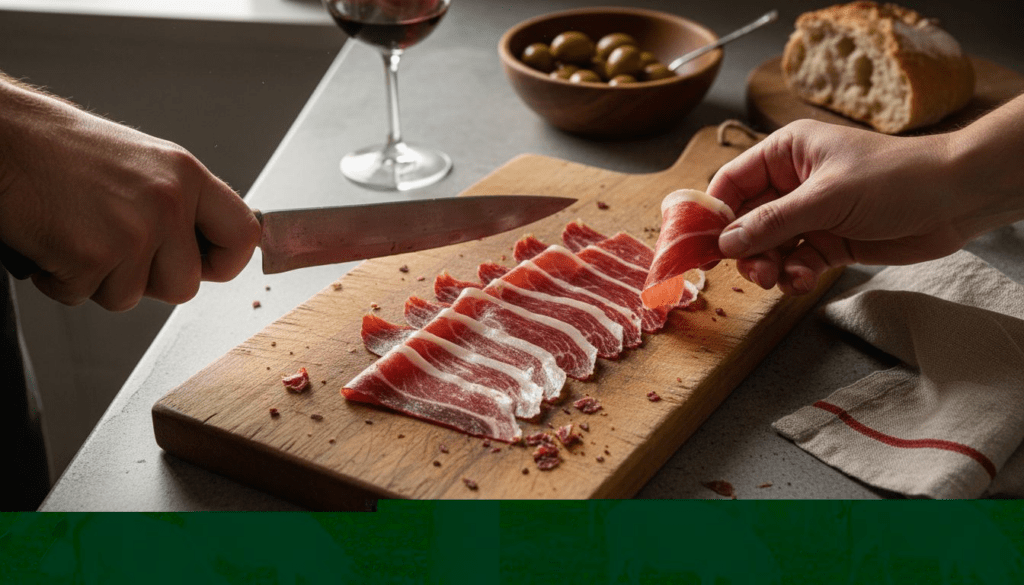
Every discerning palate knows the difference true heritage and careful method bring to a showstopping cured ham. For gourmet enthusiasts in North America searching for unmatched richness, authentic Iberico bellota ham stands as the benchmark of centuries-old Spanish and Portuguese craftsmanship. With its acorn-fed Black Iberian pig lineage and patient ageing, each ham offers a flavour experience rooted in the unique terroir of the Iberian Peninsula. This guide uncovers how origin, tradition, and precise grading help you choose only the finest for your next luxurious tasting.
Table of Contents
- Defining Bellota Ham And Its Origins
- Types And Grading: Labels And Distinctions
- Traditional Curing And Unique Flavour Profile
- Nutritional Value And Health Benefits
- Authenticity, Common Pitfalls And Buying Tips
Key Takeaways
| Point | Details |
|---|---|
| Authenticity Matters | Ensure bellota ham is labelled with breed percentage, diet type, and geographical origin to confirm authenticity. |
| Grading Impacts Quality | The grading system highlights the differences in flavour and texture, with 100% Iberian Bellota being the highest quality. |
| Curing Process is Essential | The three-stage curing process, emphasising time and environmental control, is crucial for developing the ham’s unique flavour profile. |
| Health Benefits Exist | The acorn-fed diet of Iberian pigs results in a healthier fat composition, providing cardiovascular benefits when consumed in moderation. |
Defining Bellota Ham and Its Origins
Bellota ham represents the pinnacle of cured meat craftsmanship, originating from the Iberian Peninsula where tradition meets terroir. The name itself tells the story: bellota means acorn in Spanish, revealing the dietary foundation that makes this ham extraordinary.
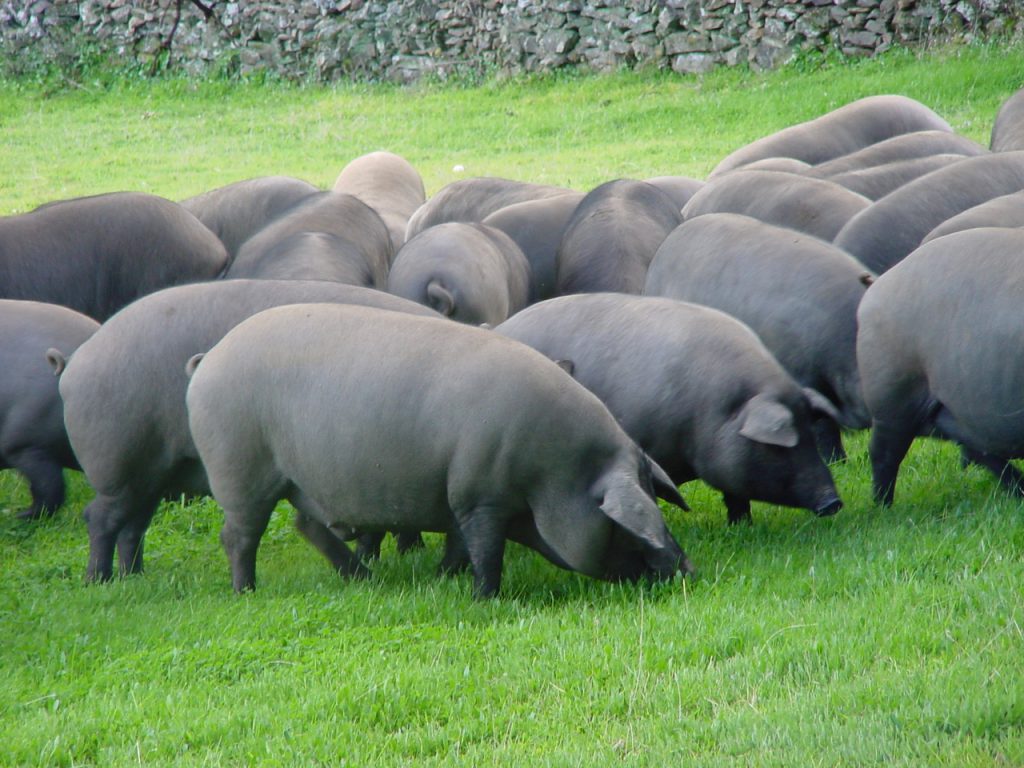
The defining characteristic centres on how the pigs are raised. Black Iberian pigs roam freely across oak-forested pastures called dehesa, feasting naturally on acorns during their final months. This acorn-based diet fundamentally transforms the meat’s composition and flavour profile, creating the distinctive marbling and richness connoisseurs prize.
The Geographic Heartland
Bellota ham production concentrates primarily in southwestern Spain and Portugal, where climate and landscape align perfectly with traditional methods. The dehesa ecosystem—ancient oak woodlands interspersed with grassland—exists nowhere else on Earth with such ideal conditions.
These regions have perfected the craft across centuries. The combination of specific climate patterns, altitude, and natural resources creates conditions that cannot be replicated elsewhere, making geographical origin non-negotiable for authentic bellota production.
Understanding the Production Method
The curing process follows traditional dry curing methods where salt and natural spices work together to preserve and develop flavour. Unlike industrial approaches, bellota ham relies on patience and environmental control that mirrors historic conditions.
The aging phase remains crucial. Whether hanging for 36 months or exceeding 48 months, time transforms the meat’s texture and concentrates its flavours:
- 12-24 months: Shorter maturation creates milder, more delicate profiles
- 24-36 months: Medium-aged ham develops balanced complexity
- 36+ months: Extended curing produces deeper, more intense characteristics
Each timeframe demands different expertise and storage conditions. The longer the ham hangs, the more skill required to monitor development and prevent spoilage.
The Acorn-Fed Advantage
Why does acorn feeding matter so profoundly? Iberian pigs consuming acorns develop distinctive marbled fat with unique biochemical properties. The unsaturated fats from acorns create a butter-soft texture that melts on the palate, whilst contributing complex, slightly sweet undertones impossible to achieve through grain feeding.
This dietary difference extends beyond flavour. The fat composition affects how the ham ages, how moisture distributes throughout the muscle, and ultimately how it develops its renowned character during maturation.
Acorn-fed Iberian pigs produce ham with unmatched depth because the diet fundamentally alters the meat’s molecular structure during the crucial final months of the pig’s life.
Key Characteristics That Define Bellota
Authentic bellota ham possesses several non-negotiable markers:
- Origin from Black Iberian pigs in the Iberian Peninsula
- Acorn-based diet during the montanera season
- Minimum 12-month dry curing period
- Natural ageing in climate-controlled environments
- Specific geographical designation protecting authenticity
These elements work synergistically. Remove any single component, and you have a different product entirely—perhaps excellent ham, but not bellota.
Pro tip: When purchasing bellota ham, verify the origin designation and curing duration on the packaging; these details directly correlate with flavour intensity and texture, allowing you to match the ham’s profile to your specific culinary preferences.
Types and Grading: Labels and Distinctions
Not all bellota ham carries equal status. The grading system distinguishes between products based on pig breed purity and feeding methods, creating a hierarchy that directly impacts flavour, texture, and price. Understanding these distinctions transforms you from casual buyer to informed connoisseur.
The 100% Iberian Bellota stands at the pinnacle. Both parents are pure Black Iberian breed, and the pigs feed exclusively on acorns during the montanera season. This represents authentic bellota in its truest form—the product that embodies centuries of Iberian Peninsula tradition.
The Grading Hierarchy
Bellota ham grading depends fundamentally on genetic purity and diet type. Below 100% Iberian, other legitimate grades exist, each with distinct characteristics:
- 100% Iberian Bellota: Pure breed, exclusively acorn-fed—the gold standard
- Iberian 75% Bellota: Three-quarters Iberian genetics, acorn-fed during final months
- Iberian 50% Bellota: Half Iberian heritage, acorn-fed finishing period
- Iberian Cebo: Pure or mixed breed, grain-fed throughout life
- Iberian Cebo de Campo: Free-range grain-fed, moderate quality tier
Each grade delivers different sensory profiles. The higher the Iberian percentage and acorn feeding, the more pronounced the marbling, the silkier the texture, and the more complex the flavour.
Reading the Label: What Packaging Reveals
Official food labelling standards require producers to display critical information transparently. European regulations mandate clear identification of breed purity, diet type, and curing duration on every package.
Look for these essential elements when examining packaging:
- Breed classification (100% Iberian, 75%, 50%, or mixed)
- Diet designation (Bellota, Cebo de Campo, or Cebo)
- Curing duration (36 months, 48 months, 60+ months)
- Geographical origin region
- Producer name and location
These details aren’t marketing flourishes—they’re legally required certifications protecting your purchase.
Price Reflects Reality
The grading system directly explains price variation. A 100% Iberian Bellota aged 48 months costs substantially more than an Iberian 50% Cebo de Campo because the inputs, time, and quality differ fundamentally.
You’re not paying for a label. You’re paying for genetic purity, dietary advantages, extended ageing, and the skill required to produce superior ham. Cheaper options deliver legitimate value but different characteristics entirely.
Premium pricing correlates directly with Iberian purity percentage, acorn feeding, and extended curing time—not marketing hype.
Making Your Selection
Your choice depends on culinary intent and budget. For special occasions or standalone tasting, 100% Iberian Bellota aged 48+ months showcases uncompromised excellence. For everyday enjoyment or incorporating into dishes, Iberian 75% or 50% Bellota offers exceptional quality at more accessible price points.
None of these grades represent poor value. The grading system ensures transparency, allowing you to understand precisely what you’re purchasing and why it costs what it does.
Pro tip: Compare the curing duration alongside the breed percentage—a 36-month 100% Iberian Bellota may cost less than a 60-month version, yet both deliver exceptional quality with subtly different intensity levels suited to different applications.
To assist buyers, here is a reference table mapping bellota ham grade to ideal use:
| Grade | Flavour Intensity | Best Culinary Use |
|---|---|---|
| 100% Iberian Bellota | Very intense, complex | Standalone tasting, special events |
| Iberian 75% Bellota | Robust, balanced | Charcuterie boards, luxury dishes |
| Iberian 50% Bellota | Mellow, slightly nutty | Cooking, salads, daily enjoyment |
| Iberian Cebo | Mild, less complex | Everyday meals, sandwiches |
| Iberian Cebo de Campo | Moderate, approachable | Tapas, mixing with other foods |
Traditional Curing and Unique Flavour Profile
Bellota ham’s legendary taste doesn’t emerge from magic—it results from centuries-perfected technique and patience. The curing process transforms raw pork into a delicacy that melts on your palate, developing complexity that rewards serious tasting.
The method remains fundamentally simple yet demanding. Salt, time, and environmental control work together to preserve the meat whilst developing flavours impossible to achieve through modern shortcuts. This is why authentic bellota cannot be rushed.
The Three-Stage Curing Journey
Traditional dry curing with salt forms the foundation. The process unfolds across distinct phases, each critical to the final product:
- Salting phase: Salt penetrates the meat, drawing out moisture whilst beginning the preservation process. This stage lasts approximately 10-14 days.
- Resting phase: The ham hangs in cool conditions whilst residual salt distributes evenly and enzymatic changes begin.
- Maturation phase: Extended ageing—from 12 to 48+ months—develops the characteristic flavour, texture, and aroma.
Each phase demands precise temperature and humidity control. The Spanish craft this through generations of experience, understanding how seasonal variations affect maturation rates.
Where Flavour Originates
Enzymatic breakdown during maturation transforms fats and proteins into the compounds creating bellota’s distinctive taste profile. The acorn-fed diet provides unique fat composition that yields nutty, slightly sweet undertones during this chemical transformation.
The result defies simple description. You experience simultaneously savory depth, subtle sweetness, and buttery richness. These flavours don’t exist in the raw meat—they emerge exclusively through proper curing.
Environmental Control: The Silent Master
Temperature and humidity variations throughout the year shape how ham matures. Natural dryers—traditional Spanish facilities—harness seasonal climate shifts rather than fighting them with artificial temperature control.
This approach creates several advantages:
- Slower, more even maturation
- Development of beneficial moulds and microorganisms
- More complex flavour development
- Superior texture formation
Conversely, some modern facilities use climate control to standardise conditions. Both approaches produce quality ham, yet traditional methods generate subtly distinct characteristics prized by connoisseurs.
Sensory Characteristics to Expect
Authentic bellota ham presents a consistent sensory profile across properly aged examples. Understanding these markers helps you recognise quality:
- Aroma: Intense, nutty, with subtle fruity undertones
- Colour: Deep red to burgundy, with ivory-white fat marbling
- Texture: Silky, buttery, melting easily at mouth temperature
- Flavour: Complex interplay of savoury, slightly sweet, and nutty notes
These characteristics develop only through extended, proper curing. Younger hams taste fresher, lighter, and less complex—not inferior, simply different.
The flavour profile emerges exclusively through time, salt, and environmental conditions working together—no shortcut replaces genuine maturation.
The Acorn Factor in Taste
Why does acorn-feeding matter for flavour? Spanish ham’s unique character stems partly from the diet’s influence on the meat’s chemical composition. Acorns deliver oleic acid and other compounds that translate into specific flavour compounds during curing, creating tastes impossible to replicate with grain-fed alternatives.
This explains why bellota tastes distinctly different from other cured hams, even when curing methods remain identical.
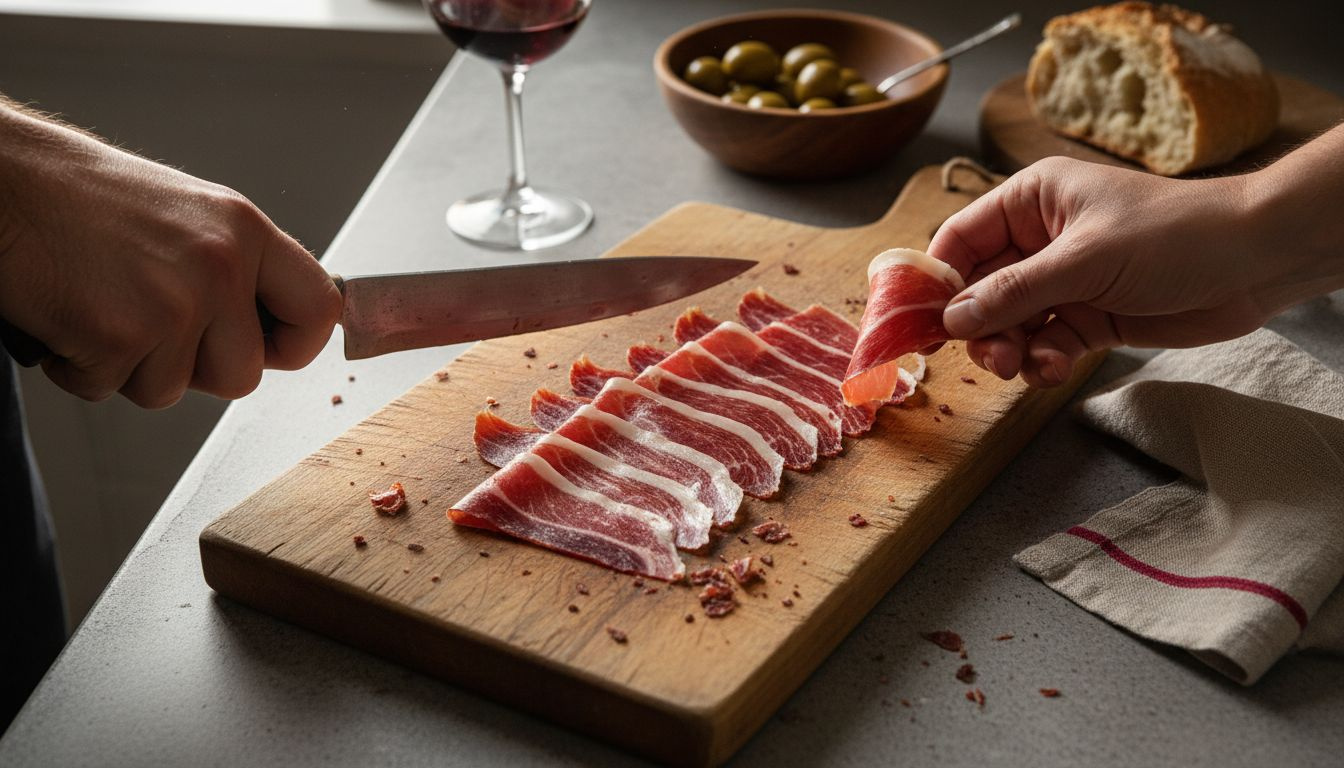
Pro tip: Serve bellota ham at room temperature after removing from refrigeration 20-30 minutes prior to slicing; cold temperatures suppress the complex flavour notes, whilst warmth releases the full aromatic profile and allows the fat to reach its ideal silky texture.
Nutritional Value and Health Benefits
Bellota ham breaks the stereotype that indulgent foods cannot be nutritious. The acorn-fed diet creates a cured meat with an unusual nutritional profile—one that actually supports cardiovascular health when consumed mindfully.
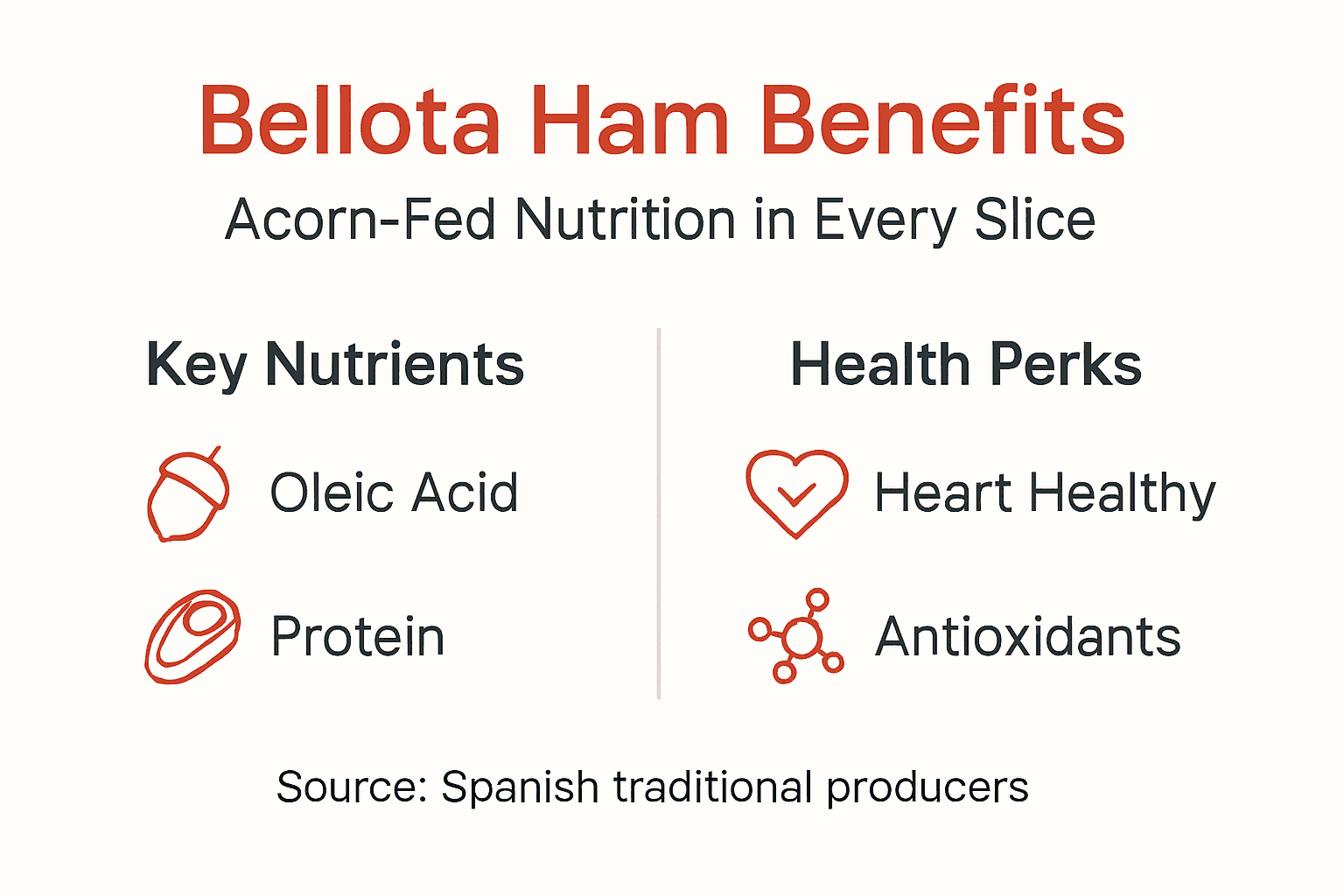
This is not marketing spin. The science backs the claim. Bellota ham contains compounds and nutrients that genuinely benefit your health, making it a rare luxury food that aligns with wellness-conscious eating.
The Oleic Acid Advantage
Heart-healthy fats from acorn-fed pigs resemble those found in premium olive oil. The primary beneficial fat is oleic acid, an unsaturated fat that actively improves your lipid profile rather than harming it.
What does this mean practically? Regular moderate consumption of bellota ham increases HDL cholesterol (the protective kind) whilst reducing LDL cholesterol and triglycerides. Few cured meats can claim this cardiovascular benefit.
The acorn diet explains this uniqueness. Acorns deliver oleic acid naturally, which the pigs store in their tissue. Grain-fed alternatives simply cannot replicate this composition, regardless of curing method.
Complete Nutritional Profile
Bellota ham delivers more than just healthy fats. The nutritional composition includes substantial protein alongside essential vitamins and minerals:
- Protein: Supports muscle maintenance and repair
- B vitamins: Critical for energy production and nervous system function
- Zinc: Strengthens immunity and wound healing
- Iron: Prevents anaemia and supports oxygen transport
- Unsaturated fats: Support brain health and hormone production
This nutrient density means a small portion delivers meaningful nutritional value, not mere empty calories.
Portion Control Matters
The health benefits depend entirely on moderation. Bellota ham remains cured meat—relatively high in sodium and calories per gram. A 30-gram serving provides substantial nutrition without excessive intake.
Think of bellota as a premium condiment or flavour accent rather than a protein base. A few slices elevate a simple meal without creating nutritional imbalance.
How It Compares to Other Cured Meats
Bellota ham occupies a unique nutritional space. Standard bacon or processed ham contains saturated fats and lack oleic acid’s cardiovascular benefits. Bellota’s composition genuinely differs due to the acorn diet’s influence on fat quality.
This makes bellota worth the premium price from a health perspective, not just taste. You’re investing in superior nutritional value alongside unmatched flavour.
Here is a summary comparing bellota ham with other premium cured meats:
| Attribute | Bellota Ham | Parma Ham | Serrano Ham |
|---|---|---|---|
| Primary Pig Breed | Black Iberian | Large White/Landrace | White pig (varied) |
| Signature Diet | Acorn-fed during montanera | Grain & cereal based | Grain and cereal based |
| Geographic Origin | Iberian Peninsula (Spain, Portugal) | Parma region, Italy | Spain (outside Iberian region) |
| Typical Ageing Time | 36–48+ months | 12–24 months | 9–18 months |
| Texture & Flavour | Buttery, nutty, intense | Delicate, sweet, mild | Savoury, firm, less rich |
| Fat Composition | High oleic acid, marbled | Moderate fat, less oleic | Lower fat, less marbling |
Acorn-fed Iberian pigs produce ham with oleic acid content approaching olive oil—a genuinely heart-healthy cured meat when enjoyed in moderation.
Practical Nutritional Guidance
Incorporate bellota ham strategically into your diet:
- Serve as an appetiser: A few slices with fresh fruit or nuts provides satisfaction without excess
- Top salads: Replace regular dressing-heavy proteins with minimal bellota ham
- Complement strong cheeses: The richness pairs elegantly, allowing smaller portions
- Use as flavour: A small amount adds enormous taste, reducing total intake needed
These approaches let you enjoy bellota’s benefits without nutritional excess.
Pro tip: Purchase sliced bellota ham rather than whole joints; pre-sliced portions encourage measured consumption of appropriate serving sizes, helping you enjoy the health benefits whilst maintaining nutritional balance.
Authenticity, Common Pitfalls and Buying Tips
Counterfeit bellota ham exists. The premium price attracts fraud, making authentication crucial before you purchase. Understanding what separates genuine product from imitation protects both your wallet and your culinary experience.
Authenticity isn’t subtle—genuine bellota carries specific markers that counterfeiters struggle to replicate convincingly. Learning to recognise these signals transforms you from vulnerable buyer into confident purchaser.
The Labelling System That Matters
Authentic bellota ham labelling requirements specify exact breed percentages and feeding methods on every package. Legal labelling must state whether the ham is 100% Iberian, 75%, 50%, or mixed breed.
Likewise, packaging must clearly identify the diet type: bellota, cebo de campo, or cebo. These aren’t optional details—they’re mandatory legal requirements protecting consumers from deception.
If a product lacks these specific designations, it’s either mislabelled or deliberately obscured. Both scenarios signal unreliability. Reputable sellers embrace transparency because authenticity is their competitive advantage.
Common Fraud Tactics to Avoid
Counterfeiters employ predictable deceptions. Recognising these patterns protects you:
- Vague labelling: Avoiding specific breed or diet percentages
- Missing origin information: No clear indication of Spanish or Portuguese production
- Suspiciously low pricing: Genuine bellota commands premium prices for legitimate reasons
- Unsealed or damaged packaging: Indicates potential tampering or storage issues
- No producer identification: Reputable makers stand behind their products with verifiable contact information
These red flags appear repeatedly in counterfeit operations. Trust your instincts—if something feels obscure or evasive, it probably is.
Certifications Worth Trusting
Food authenticity verification relies on traceability and official quality certifications. The most reliable mark is Denominación de Origen (Protected Designation of Origin), which guarantees geographical origin and production standards.
Other legitimate certifications include:
- Denominación de Origen Protegida (DOP)
- Indicación Geográfica Protegida (IGP)
- Producer membership in official ham guilds
- Third-party testing certifications
These aren’t marketing badges—they represent audited compliance with rigorous European standards.
Where to Buy Safely
Authentic Spanish ham purity matters tremendously, which is why purchasing source matters. Specialised retailers—whether physical shops or reputable online sellers—invest in direct relationships with producers.
These sellers provide traceability documentation and stand behind their products with guarantees. They maintain supply chain transparency, allowing you to verify origin from production to delivery.
Generic retailers and mass-market distributors cannot guarantee equivalent authenticity. Their purchasing practices prioritise volume over verification.
Price as a Practical Indicator
Genuine 100% Iberian Bellota aged 48+ months costs significantly more than commodity cured meats. This isn’t greed—it reflects actual production costs across decades of development.
If a seller offers bellota ham at suspiciously discounted prices, something is wrong. Either the product is mislabelled, the curing duration is understated, or the breed purity is compromised. Bargain pricing contradicts the fundamental economics of authentic production.
Genuine bellota ham commands premium pricing because every cost component—genetics, feeding, land, time, and expertise—is genuinely expensive.
Your Verification Checklist
Before purchasing, confirm these essentials:
- Clear breed percentage stated on label
- Specific diet designation visible
- Curing duration explicitly mentioned
- Geographical origin identified
- Producer name and location provided
- Official certification marks present
- Seller reputation verifiable through reviews
- Pricing consistent with market standards
Missing any element suggests buyer caution.
Pro tip: Request the producer’s details and curing documentation before purchasing; legitimate sellers provide this information readily, whilst counterfeiters resist transparency—this simple request efficiently separates authentic from fraudulent suppliers.
Discover the True Luxury of Acorn-Fed Bellota Ham with 7 Bellotas
The article highlights the unique challenges of sourcing genuine Bellota ham that embodies authentic Black Iberian pig lineage, the natural acorn diet, and traditional long-term curing. If you have ever struggled to find truly transparent labelling, trustworthy provenance, and premium quality that honours centuries of Spanish craftsmanship, you are not alone. At 7 Bellotas, we understand your desire for real Bellota ham with clear breed percentage, verified diet, and expertly aged texture offering that intense, buttery flavour with unparalleled nutrition.
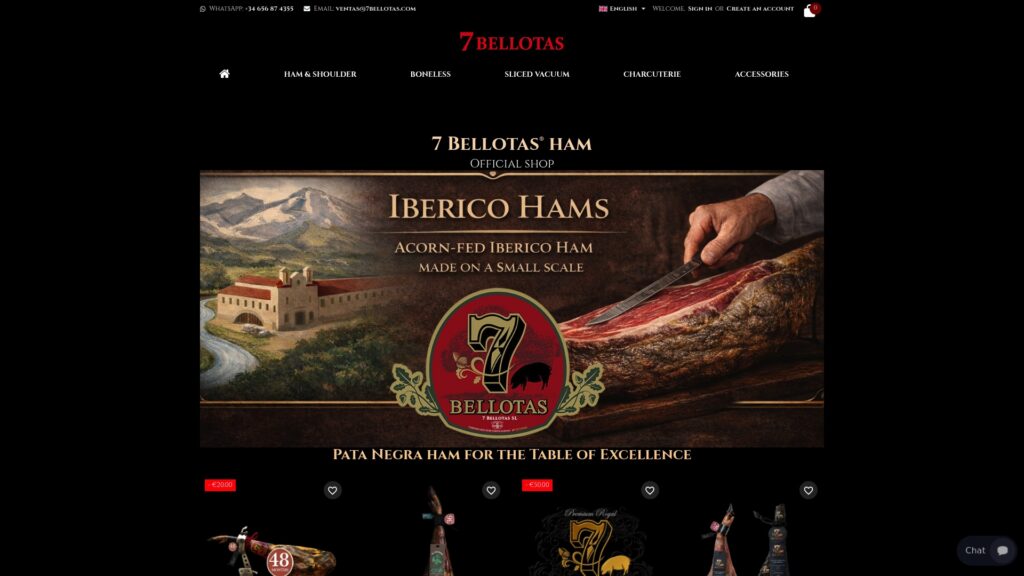
Explore our exclusive selection of acorn-fed Pata Negra hams, aged from 36 up to 64 months, handcrafted in small batches by artisan producers who respect traditional methods and Iberian heritage. Whether you seek whole legs, pre-sliced portions, or vacuum-packed convenience, every product on 7 Bellotas comes with transparent certification and origin details to guarantee authenticity and excellence. Dont settle for uncertain labels or bargain copies when you can confidently indulge in true Spanish luxury delivered directly to your door. Visit 7 Bellotas today and elevate your gourmet experience with premium Bellota ham that fulfils the promise of heritage, flavour, and health benefits.
Frequently Asked Questions
What is Bellota ham?
Bellota ham is a high-quality cured meat made from Black Iberian pigs that are fed an acorn-based diet, resulting in rich flavour and unique marbling.
How does the acorn diet affect the quality of Bellota ham?
The acorn diet contributes to a higher concentration of healthy fats, especially oleic acid, which enhances the ham’s buttery texture and develops its distinctive nutty flavour during the curing process.
What are the key characteristics that define authentic Bellota ham?
Authentic Bellota ham must come from Black Iberian pigs, be acorn-fed, undergo a minimum 12-month curing period, and meet strict geographical and labelling standards for authenticity.
How does the grading system for Bellota ham work?
The grading system classifies Bellota ham based on genetic purity and feeding methods, including categories like 100% Iberian Bellota, Iberian 75% Bellota, and Iberian Cebo, with each grade affecting flavour, texture, and price.