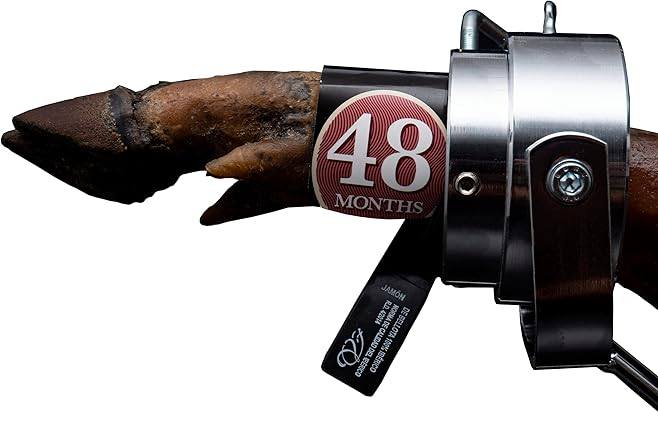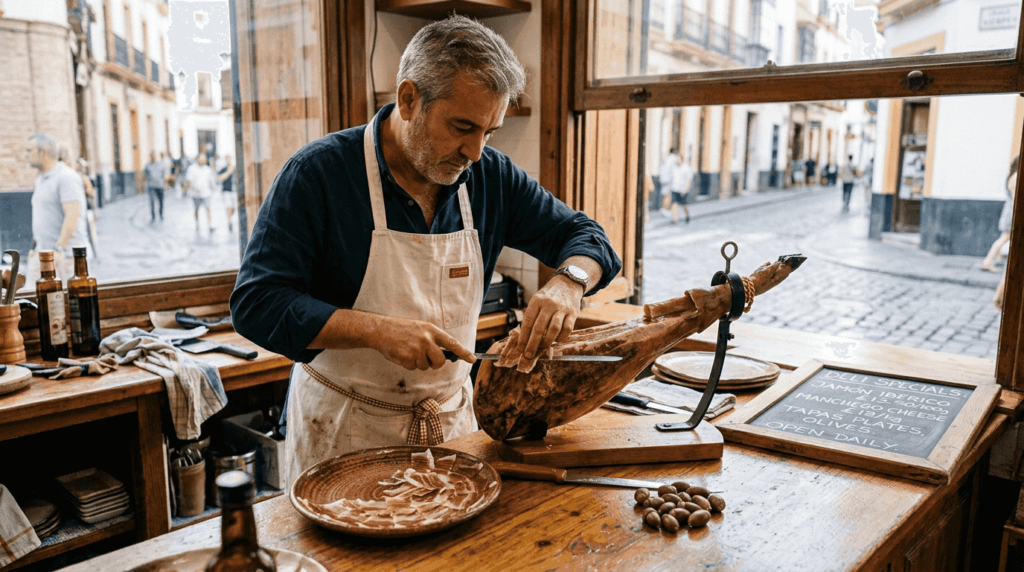
Most people believe all cured hams taste roughly the same, differing only in salt levels or curing duration. Yet Spanish Iberico ham stands apart through a remarkable combination of ancient pig genetics, an acorn-rich diet, and centuries-old artisanal methods. The Iberian pig’s ability to infiltrate fat throughout muscle tissue, combined with foraging in oak forests during the montanera season, creates a delicacy unlike any other cured meat. This article reveals what makes Spanish Iberico ham a prized gourmet experience, exploring the science behind its flavour, the natural processes that shape its quality, and how you can confidently select authentic products for your table.
Table of Contents
- The Role Of Iberian Pig Genetics And Acorn Diet
- The Montanera Season And The Natural Curing Process
- Comparing Acorn-Fed Iberico Ham To Other Spanish Hams
- How To Select Authentic Spanish Iberico Ham For Gourmet Flavour
- Discover Premium Iberico Ham At 7 Bellotas®
- Frequently Asked Questions About Spanish Iberico Ham
Key takeaways
| Point | Details |
|---|---|
| Unique genetics | Iberian pigs possess genetic traits enabling superior fat marbling and oleic acid absorption from acorns |
| Acorn diet critical | Montanera season foraging creates distinctive nutty flavour and healthful fatty acid profile |
| Extended curing | Ageing up to 64 months develops complex taste layers absent in shorter-cured hams |
| Breed purity matters | 100% Iberico genetics produce the richest flavour and most prized ham |
| Authentication essential | Colour-coded labels guarantee genuine acorn-fed status and protect against fraud |
The role of Iberian pig genetics and acorn diet
The foundation of Spanish Iberico ham’s exceptional quality lies in the unique biological characteristics of the Iberian pig breed. These animals evolved over centuries in the dehesa ecosystem of southwestern Spain, developing a genetic capacity to store intramuscular fat at levels unmatched by commercial pig breeds. This marbling throughout the muscle tissue creates the ham’s signature buttery texture and complex flavour profile.
What truly distinguishes Iberico ham is the pig’s genetics and acorn-heavy diet during the montanera season. The Iberian pig’s metabolism processes oleic acid from acorns with remarkable efficiency, infiltrating this beneficial monounsaturated fat throughout the meat. This biological adaptation transforms simple muscle tissue into a delicacy with flavour notes ranging from nutty sweetness to subtle earthiness.
Genetic purity plays a decisive role in ham quality. 100% pure Iberico genetics produce superior marbling and the most sought-after flavour complexity. Crossbred animals with 50% or 75% Iberian heritage still yield quality products, but connoisseurs recognise the difference in fat distribution, taste intensity, and aroma depth. The pure-bred pigs command premium prices because their genetic makeup allows optimal acorn nutrient absorption.
During the montanera period from October to March, Iberian pigs roam freely through oak forests, consuming up to 10 kilograms of acorns daily. This natural diet drives rapid weight gain whilst simultaneously enriching the meat’s fatty acid composition. The acorns’ oleic acid content mirrors that found in premium olive oil, contributing to both the ham’s distinctive taste and its cardiovascular health benefits.
Key genetic and dietary factors include:
- Enhanced intramuscular fat storage capacity unique to Iberian breed
- Efficient oleic acid metabolism creating healthful fat profile
- Natural foraging behaviour promoting optimal muscle development
- Acorn consumption during critical fattening phase
Pro Tip: When selecting Iberico ham, always check the breed percentage on the label. Whilst 50% Iberico offers good quality, investing in 75% or 100% pure genetics delivers noticeably richer flavour and superior marbling that melts at room temperature.
“The Iberian pig’s genetic adaptation to the dehesa environment represents centuries of natural selection, producing an animal uniquely suited to transform acorns into extraordinary ham through biological processes no other breed can replicate.”
This genetic and dietary synergy explains why attempts to replicate Iberico ham in other regions consistently fail. You cannot separate the Iberico pig’s uniqueness from its flavour without understanding how evolution shaped these animals specifically for their native ecosystem. The scientific study on Iberico ham flavour confirms that genetic makeup and acorn diet work together, creating flavour compounds impossible to achieve through artificial feeding or different pig breeds.
The montanera season and the natural curing process
The montanera season represents the most critical period in producing exceptional Iberico ham. From October through March, Iberian pigs roam the dehesa, a unique Mediterranean ecosystem of cork and holm oak forests interspersed with open grassland. This environment provides the perfect combination of acorn abundance, natural shelter, and space for the pigs to exercise whilst feeding.
During montanera, pigs walk up to nine miles daily whilst foraging, often doubling their body weight through intensive acorn consumption. This constant movement develops muscle structure whilst simultaneously allowing fat infiltration throughout the tissue. The exercise prevents excessive external fat accumulation, instead promoting the intramuscular marbling that defines premium ham quality.
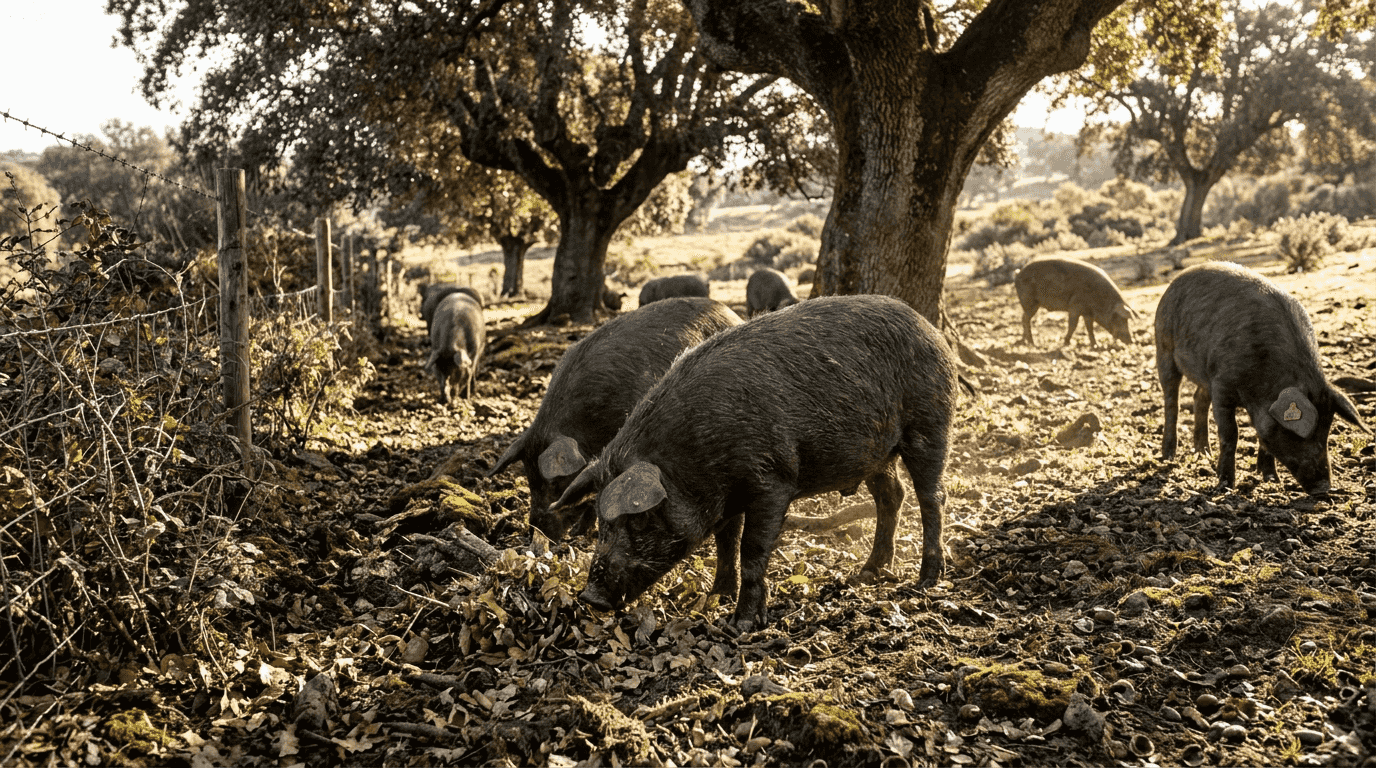
The dehesa ecosystem offers more than just acorns. Pigs supplement their diet with wild herbs, grasses, and roots, each contributing subtle flavour notes to the final product. This natural variety creates taste complexity impossible to replicate with controlled feeding programmes. The seasonal timing ensures pigs consume acorns at peak ripeness when oleic acid content reaches maximum levels.
Environmental factors during montanera include:
- Free-range movement promoting lean muscle development
- Natural acorn diet providing optimal fatty acid composition
- Seasonal temperature variations affecting fat distribution
- Wild herb consumption adding flavour complexity
Following montanera, the natural curing process begins. Hams are salted using traditional methods, then aged in temperature and humidity-controlled cellars for periods ranging from 24 to over 64 months. The acorn-fed ham’s higher oleic acid content influences how the meat cures, allowing longer ageing periods without spoilage whilst developing increasingly complex flavour profiles.
| Curing Stage | Duration | Temperature | Key Changes |
| — | — | — |
| Salting | 1-2 weeks | 0-5°C | Salt penetration, moisture extraction |
| Post-salting | 40-60 days | 3-6°C | Salt equalisation, initial drying |
| Drying | 6-9 months | 15-30°C | Fat rendering, aroma development |
| Ageing | 12-48 months | 8-20°C | Flavour maturation, texture refinement |
The extended curing transforms the ham’s biochemistry. Enzymes break down proteins into amino acids, creating umami depth and nutty sweetness. Fats slowly render and redistribute, developing the characteristic shine on sliced surfaces. Each month of ageing adds layers of flavour complexity, explaining why 64-month hams command premium prices compared to younger products.
Pro Tip: The white crystals sometimes visible on aged Iberico ham are tyrosine deposits, amino acid formations indicating proper long-term curing. These crystals signal quality rather than defects, adding subtle crunch and concentrated savoury notes.
“Traditional curing methods passed through generations allow master curers to read each ham individually, adjusting temperature and humidity based on how the meat develops, ensuring optimal flavour expression from every piece.”
Understanding terroir’s influence on Iberico ham helps explain regional variations. Hams from different dehesa areas display distinct characteristics based on local oak species, soil composition, and microclimates. This geographical diversity adds another dimension to Iberico ham appreciation, similar to wine terroir. The montanera season and ham quality connection demonstrates how natural seasonal cycles create products impossible to rush or replicate through industrial methods.
Comparing acorn-fed Iberico ham to other Spanish hams
Spain produces various cured hams, but acorn-fed Iberico stands distinctly apart from alternatives like Serrano or grain-fed Iberico varieties. The differences extend beyond simple quality grades, reflecting fundamental distinctions in pig genetics, feeding practices, and curing philosophies. Understanding these variations helps you appreciate what makes acorn-fed Iberico exceptional.
Serrano ham, whilst popular and flavourful, comes from white pig breeds like Duroc or Landrace rather than Iberian genetics. These pigs lack the intramuscular fat storage capacity of Iberian animals, resulting in leaner meat with less marbling. Serrano typically cures for 9 to 18 months, significantly shorter than premium Iberico, producing a cleaner, less complex flavour profile suited to different culinary applications.
Research reveals significant differences in flavour intensity and fat fluidity between acorn-fed and grain-fed Iberian hams. Acorn-fed varieties score markedly higher in taste complexity, aroma depth, and the characteristic fat melt at room temperature. Grain-fed Iberico, whilst still superior to Serrano, cannot match the nutty sweetness and buttery texture achieved through montanera foraging.
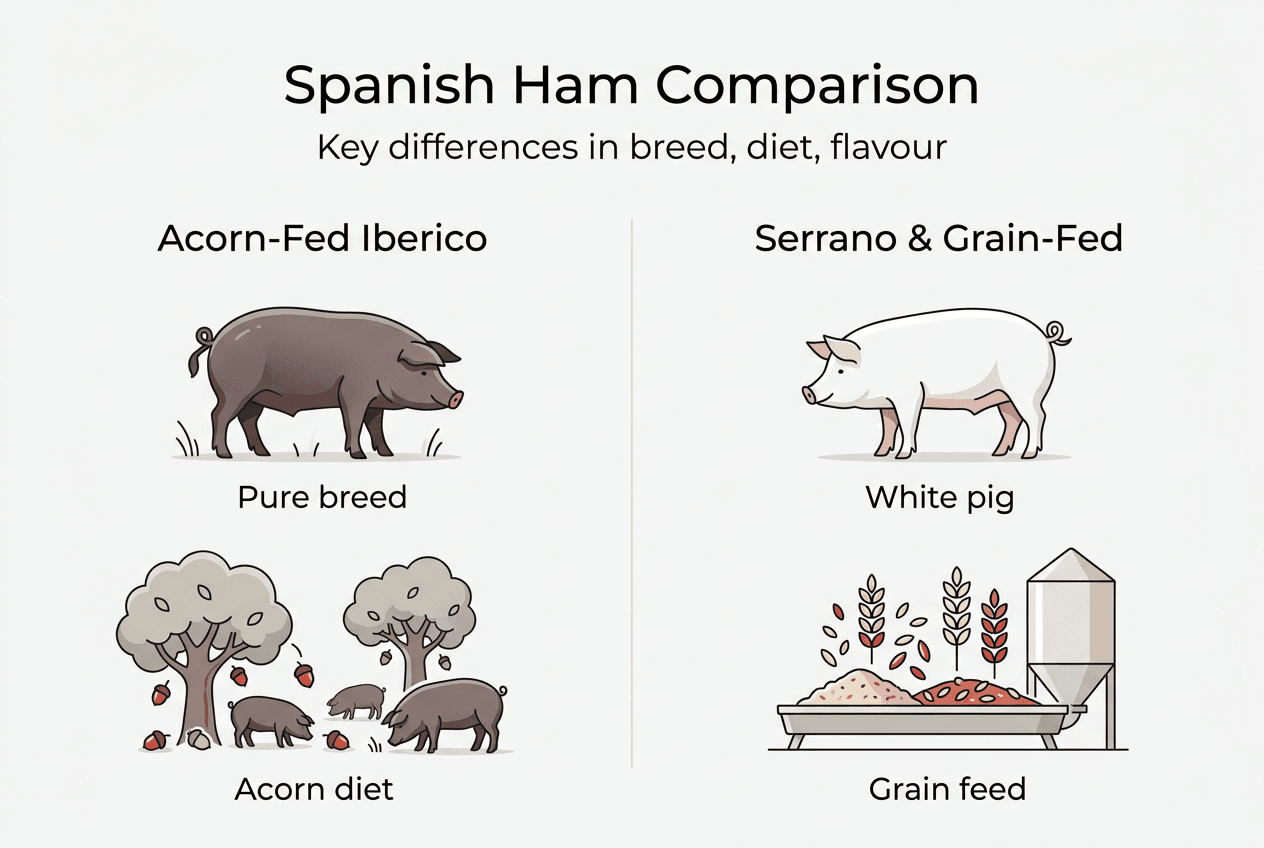
The fatty acid composition differs dramatically between ham types. Acorn-fed Iberico contains up to 55% oleic acid, comparable to olive oil, whilst grain-fed versions typically reach only 45% and Serrano even lower. This biochemical difference affects both flavour and nutritional profile, making acorn-fed varieties healthier choices with richer taste.
| Characteristic | Acorn-Fed Iberico | Grain-Fed Iberico | Serrano |
| — | — | — |
| Pig Breed | 50-100% Iberian | 50-100% Iberian | White breeds |
| Primary Diet | Acorns, wild forage | Commercial feed | Commercial feed |
| Curing Time | 24-64 months | 24-36 months | 9-18 months |
| Oleic Acid | 50-55% | 42-48% | 35-42% |
| Fat Marbling | Extensive | Moderate | Minimal |
| Flavour Profile | Complex, nutty, sweet | Savoury, balanced | Clean, salty |
| Texture | Buttery, melts easily | Firm, sliceable | Lean, dense |
| Price Point | Premium | Mid-range | Accessible |
Curing duration significantly impacts final quality. Hams aged 36 months develop fuller flavours than 24-month versions, whilst 48 to 64-month examples achieve extraordinary complexity with concentrated taste and aromatic intensity. The longer ageing requires higher-quality raw material, explaining why extended curing applies primarily to acorn-fed Iberico from pure-bred pigs.
Key distinctions include:
- Genetic capacity for intramuscular fat storage
- Natural versus controlled feeding environments
- Oleic acid levels affecting taste and health benefits
- Curing duration influencing flavour complexity
The comparison between Iberico and Serrano extends to culinary applications. Serrano’s leaner profile suits sandwiches and cooking, whilst acorn-fed Iberico deserves appreciation on its own, thinly sliced at room temperature to showcase its unique characteristics. Understanding these differences helps you select appropriate ham types for specific purposes rather than assuming all Spanish hams serve identical roles.
Scientific sensory analysis confirms trained tasters consistently distinguish acorn-fed Iberico through blind testing, identifying characteristic nutty notes, fat fluidity, and lingering finish absent in grain-fed or Serrano varieties. These measurable differences justify premium pricing and explain why connoisseurs seek authentic acorn-fed products.
How to select authentic Spanish Iberico ham for gourmet flavour
Navigating the Iberico ham market requires understanding authentication systems and quality indicators. Spain introduced a colour-coded labelling scheme in 2014 to combat fraud and help consumers identify genuine products. This system categorises hams based on breed purity and diet, providing transparent quality information at purchase.
The colour-coded labelling system safeguards authenticity through four distinct categories. Black labels indicate 100% Iberian breed pigs fed exclusively on acorns during montanera, representing the highest quality tier. Red labels denote 50-75% Iberian genetics with acorn diet. Green labels mark grain-fed Iberico of any breed percentage, whilst white labels identify cebo de campo, pigs with outdoor access but grain-based feeding.
Breed purity percentages significantly influence flavour and texture. A 100% Iberico ham displays superior marbling, richer taste, and more pronounced nutty characteristics compared to 50% crossbred alternatives. Whilst 50% and 75% Iberico hams offer excellent quality, the pure-bred versions justify their premium pricing through noticeably enhanced sensory experiences.
Follow these steps when selecting authentic Iberico ham:
- Verify the colour-coded label matches claimed quality level
- Check breed percentage clearly stated on packaging
- Confirm denomination of origin certification from recognised Spanish regions
- Examine curing duration, seeking minimum 24 months for quality products
- Research producer reputation and artisanal credentials
- Purchase from established suppliers with authentication guarantees
- Inspect product appearance for characteristic marbling and fat distribution
Curing time deserves careful consideration. Hams aged 36 months offer substantially more complexity than 24-month versions, whilst 48 to 64-month examples provide extraordinary depth for special occasions. The extended ageing requires exceptional raw material, so longer-cured hams typically come from higher breed purity and better-quality pigs.
Producer reputation matters significantly in a market where fraud occasionally occurs. Established houses with generations of experience maintain quality standards and traditional methods that newer operations may shortcut. Look for producers with denominación de origen certifications from recognised regions like Guijuelo, Jabugo, or Dehesa de Extremadura.
Pro Tip: When buying whole hams, examine the hoof. Authentic Iberico pigs have distinctive black hooves, giving rise to the “pata negra” nickname. Whilst not definitive proof alone, black hooves combined with proper labelling provide additional authentication confidence.
Authentication indicators include:
- Official colour-coded label affixed to the ham
- Clear breed percentage statement
- Denomination of origin seal from recognised region
- Producer identification and contact information
- Batch traceability codes
- Curing duration and date information
Price provides a useful reality check. Genuine acorn-fed 100% Iberico ham commands premium pricing reflecting the costs of extensive land use, long curing periods, and limited production volumes. Suspiciously low prices often indicate grain-fed products mislabelled as acorn-fed or lower breed percentages than claimed.
When purchasing online, select vendors who provide detailed product information including breed percentage, diet type, curing duration, and producer details. Reputable suppliers offer authentication guarantees and transparent sourcing information. The Iberico ham labelling system exists specifically to empower informed purchasing decisions, so insist on complete label information before buying.
Discover premium Iberico ham at 7 BELLOTAS®
Experiencing authentic acorn-fed Iberico ham requires sourcing from trusted specialists who guarantee quality and authenticity. 7 BELLOTAS® offers a carefully curated selection of premium Spanish hams, each verified for breed purity, acorn-fed status, and artisanal production methods. Every product comes with complete traceability information and authentication guarantees.
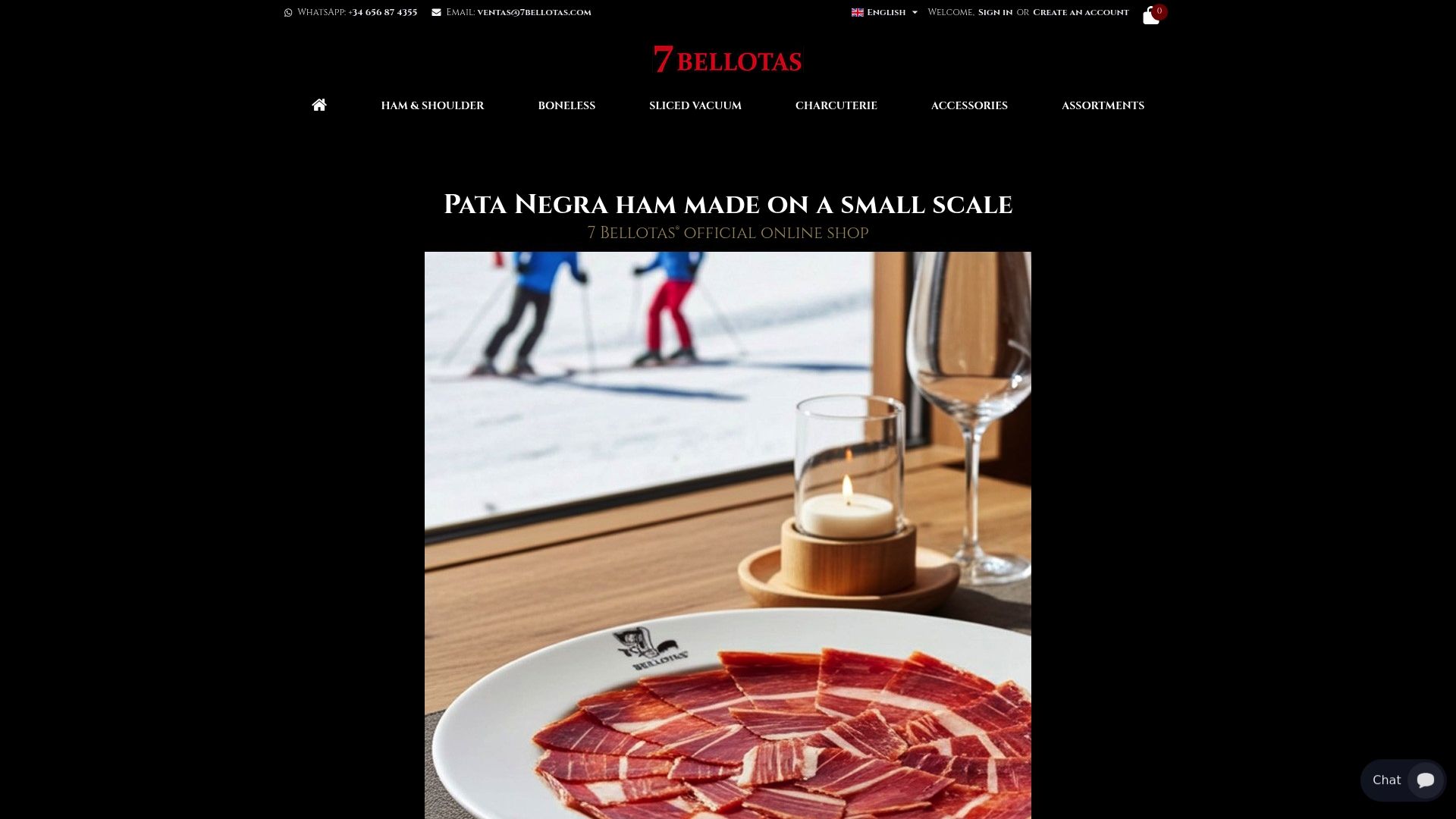
The collection spans various curing durations from 36 to over 64 months, allowing you to explore how extended ageing develops flavour complexity. Whether seeking whole hams for traditional carving or convenient pre-sliced portions, 7 BELLOTAS® provides options suited to different occasions and preferences. Expert product descriptions guide your selection, explaining the unique characteristics of each ham and optimal serving suggestions.
Secure international delivery ensures your ham arrives in perfect condition, maintaining the quality developed through years of careful curing. Detailed storage and serving instructions accompany each order, helping you preserve and present your investment properly. For gourmet enthusiasts seeking genuine Spanish delicacies, 7 BELLOTAS® eliminates the uncertainty of authentication, connecting you directly with Spain’s finest producers.
Frequently asked questions about Spanish Iberico ham
What makes Iberico ham different from other cured hams?
Iberico ham comes from a unique pig breed with genetic capacity for extensive intramuscular fat marbling. The acorn-based diet during montanera creates a distinctive nutty flavour and oleic acid profile comparable to olive oil. Extended curing periods up to 64 months develop complexity absent in shorter-cured alternatives like Serrano.
How can you tell if an Iberico ham is truly acorn-fed?
Authentic acorn-fed Iberico carries a black label for 100% breed purity or red label for 50-75% genetics. The label must explicitly state “bellota” indicating acorn diet. Purchase from certified suppliers who provide denomination of origin documentation and complete traceability information to ensure genuine products.
Is Iberico ham healthy compared to other meats?
Acorn-fed Iberico ham contains up to 55% oleic acid, a monounsaturated fat associated with cardiovascular benefits similar to olive oil. The natural curing process requires no artificial preservatives. Whilst still a cured meat requiring moderation, its fatty acid profile offers advantages over grain-fed alternatives and many other protein sources.
How should you store and serve Iberico ham for best flavour?
Store whole hams in cool, dry conditions around 15-20°C, covered with a cloth to prevent drying. Sliced ham requires refrigeration in airtight containers but should rest at room temperature 30 minutes before serving. Slice paper-thin and arrange on plates 10 minutes ahead, allowing fat to soften and release full aromatic complexity. Visit 7 BELLOTAS® for tasting tips to enhance your appreciation.
Can Iberico ham be enjoyed by people with dietary restrictions?
Iberico ham is naturally gluten-free and contains no added sugars, making it suitable for many restricted diets. The curing process uses only salt, so sodium content requires consideration for low-salt diets. Those avoiding pork for religious or personal reasons obviously cannot consume it, but otherwise it accommodates numerous dietary preferences better than many processed meats.