Selecting authentic Iberico ham can feel overwhelming when you’re faced with varying quality grades, breed percentages, and certification labels. With over 40 million Iberico hams produced annually in Spain, knowing how to identify genuine premium quality becomes essential. This article provides expert tips to confidently choose high-quality Iberico ham, covering critical criteria such as breed purity, diet, production methods, and certification. You’ll learn how to read labels, assess marbling, and understand what separates exceptional ham from mediocre alternatives.
Table of Contents
- Understand The Importance Of Breed Purity
- Recognise The Impact Of Diet During The Montanera Period
- Look For Certification And Dop Guarantees
- Evaluate Marbling, Fat Content And Curing Characteristics
- Compare Iberico Ham Types And Make An Informed Choice
- Discover Premium Iberico Ham At 7 Bellotas®
Key takeaways
| Point | Details |
|---|---|
| Breed purity matters | 100% Iberian pigs produce superior flavour and texture compared to crossbred varieties, directly affecting price and quality |
| Diet defines excellence | Acorn-fed pigs during montanera season develop rich intramuscular fat and distinctive nutty flavour profiles |
| Certification guarantees authenticity | DOP status verifies breed, diet, geographic origin, and production standards through regulated controls |
| Marbling indicates premium quality | Regular fat distribution and smooth texture signal proper acorn diet and lengthy curing processes |
| Curing time impacts taste | Extended aging periods develop deeper, more complex flavours and characteristic textures |
Understand the importance of breed purity
Breed purity forms the foundation of Iberico ham quality. Spanish regulations classify hams based on genetic composition: 50%, 75%, or 100% Iberian pig genetics. Hams from 100% Iberian pigs deliver superior taste and texture compared to crossbred alternatives. The pure Iberian breed possesses unique genetic traits that enable exceptional intramuscular fat infiltration, creating the signature marbling that defines premium ham.
When you’re selecting authentic Iberico ham, look for clear labelling that states the percentage. Pure Iberian hams command higher prices, often 40% to 60% more than 50% Iberian varieties, reflecting their rarity and superior quality. The black label system in Spain designates 100% Iberian acorn-fed ham as the highest grade, whilst red labels indicate 50% to 75% Iberian genetics.
Key breed purity features include:
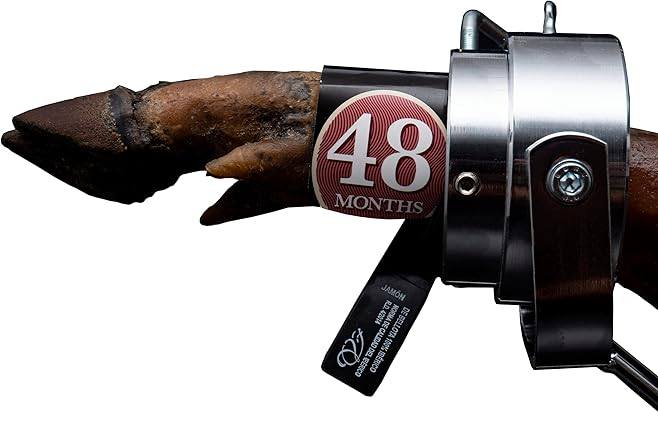
- Black hooves and dark skin pigmentation in pure Iberian pigs
- Genetic certification documents from recognised breeding programmes
- Label designations clearly stating percentage of Iberian genetics
- Producer transparency about breeding practices and lineage
Pro Tip: Request documentation showing the pig’s genetic purity certificate when purchasing whole hams directly from producers or specialist retailers.
Recognise the impact of diet during the montanera period
The montanera represents the critical seasonal phase when Iberian pigs roam oak forests consuming acorns and natural pasture. This period typically runs from October through February, during which pigs gain 50% to 60% of their final body weight. The acorn-rich diet during montanera fundamentally transforms fat composition, creating oleic acid levels comparable to olive oil and developing the ham’s characteristic nutty sweetness.
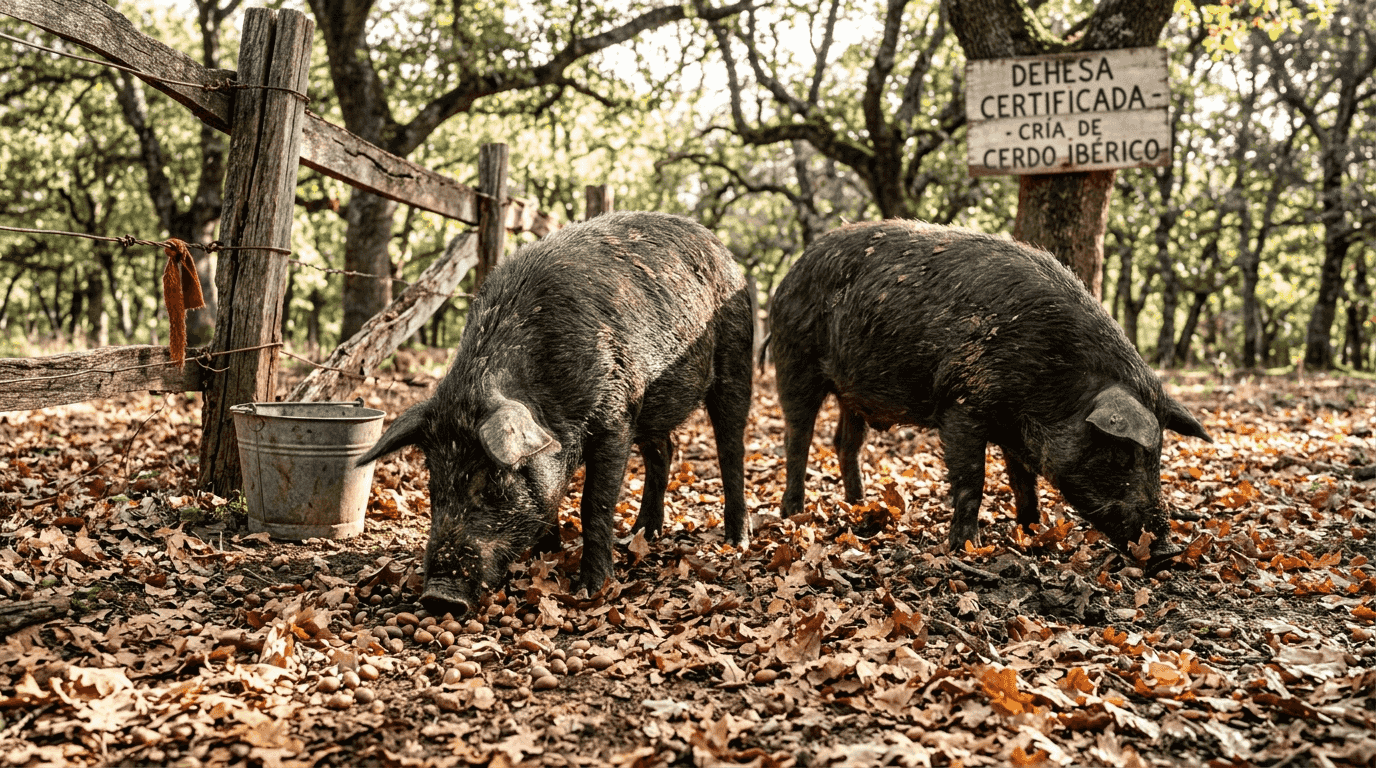
Acorns contain high levels of healthy monounsaturated fats that infiltrate muscle tissue, producing the prized marbling effect. Pigs consume approximately 10 kilograms of acorns daily during montanera, supplemented by grasses and herbs that add subtle flavour nuances. This natural diet creates ham with lower cholesterol and higher nutritional value than grain-fed alternatives.
The ‘de bellota’ classification exclusively applies to hams from pigs that completed montanera, guaranteeing acorn-fed quality. When evaluating what is jamon de bellota, you’ll notice distinct characteristics:
- Smooth, buttery texture that melts at room temperature
- Sweet, nutty flavour profile with subtle forest herb notes
- Bright red to pink colour with abundant white to golden fat veining
- Aromatic intensity that intensifies as ham warms
Pro Tip: Genuine de bellota ham releases a subtle acorn aroma when you gently warm a slice between your fingers, a simple authenticity test you can perform before purchasing.
Look for certification and DOP guarantees
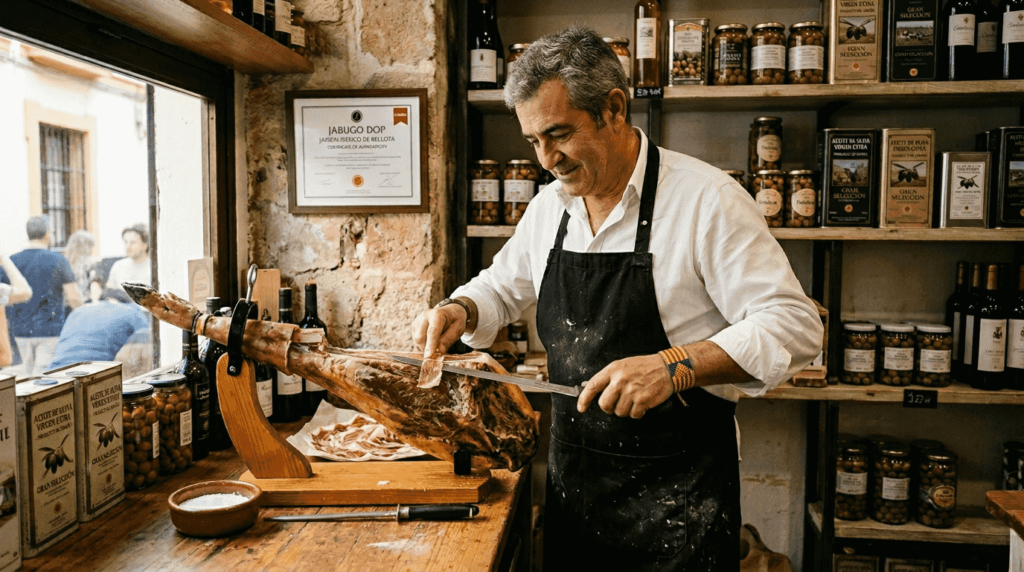
Denominación de Origen Protegida status provides legally protected verification of Iberico ham authenticity. DOP regulations control production standards including breed requirements, feeding protocols, geographic boundaries, and curing methods. Four Spanish regions hold DOP status for Iberico ham: Guijuelo, Dehesa de Extremadura, Los Pedroches, and Jabugo, each with distinct terroir characteristics.
To verify DOP certification on packaging:
- Locate the official DOP seal or logo printed on labels and bands
- Check for the unique alphanumeric traceability code linking to production records
- Confirm the designated origin region matches recognised DOP zones
- Verify certification body stamps or holographic security features
DOP standards mandate specific production requirements that protect consumers. Certified producers must maintain detailed records of pig lineage, feeding programmes, and curing conditions. Independent auditors conduct regular inspections to ensure compliance, creating accountability throughout the supply chain.
Label markings indicating DOP compliance include:
- Coloured bands or tags corresponding to quality grades
- Producer registration numbers issued by certification bodies
- Geographic origin statements referencing DOP zones
- Harvest year and minimum curing duration declarations
When you identify authentic Iberico jamon, DOP certification offers the strongest guarantee of legitimacy, protecting you from mislabelled or fraudulent products that plague the premium ham market.
Evaluate marbling, fat content and curing characteristics
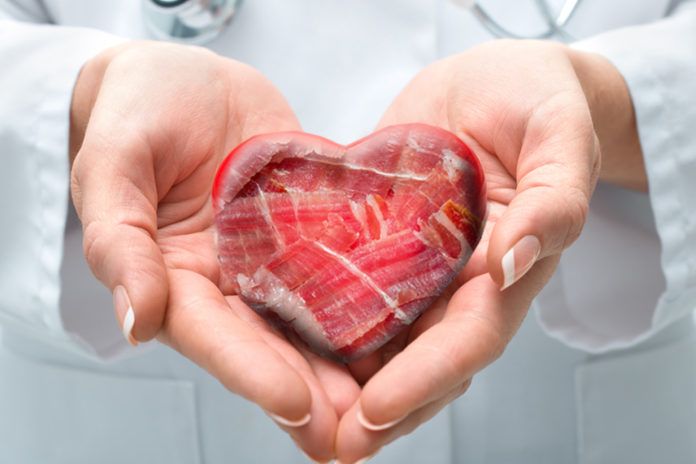
Visual inspection reveals crucial quality indicators in Iberico ham. Premium de bellota ham displays smooth texture with regular marbling throughout the muscle, whilst fat content reaches levels comparable to Wagyu beef. Examine sliced ham for even distribution of white to ivory fat streaks running through deep red meat, indicating proper acorn diet and genetic quality.
The curing process transforms raw ham through controlled dehydration and enzymatic breakdown. Minimum curing periods range from 24 months for smaller hams to 48 months or longer for premium specimens. Extended aging develops complex umami flavours, concentrates nutrients, and creates the characteristic firm yet tender texture.
| Feature | Jamón ibérico de bellota | Serrano ham |
|---|---|---|
| Fat content | 8% to 12% intramuscular | 3% to 5% intramuscular |
| Minimum curing | 24 to 48 months | 12 to 18 months |
| Flavour profile | Rich, nutty, complex | Mild, salty, straightforward |
| Texture | Buttery, melts easily | Firm, chewy |
When examining Iberico vs Serrano ham differences, the superior marbling in Iberico becomes immediately apparent. Quality slicing should reveal translucent fat that glistens without appearing greasy or oxidised.
Avoid ham displaying these warning signs:
- Dry, cracked edges indicating improper storage or excessive aging
- Yellowish or grey discolouration suggesting oxidation or poor quality fat
- Uneven marbling with large fat deposits separated from muscle tissue
- Strong ammonia odours pointing to inadequate curing or contamination
Compare Iberico ham types and make an informed choice
Understanding the classification system helps you select ham matching your requirements and budget. Spanish regulations define four quality grades based on breed purity and diet, each offering distinct characteristics and price points.
| Ham type | Breed purity | Diet | Curing period | Approximate price per kg |
|---|---|---|---|---|
| Bellota 100% Ibérico | 100% Iberian | Acorns, pasture | 36 to 48 months | £180 to £250 |
| Bellota Ibérico | 50% to 75% Iberian | Acorns, pasture | 24 to 36 months | £90 to £140 |
| Cebo de Campo Ibérico | 50% to 100% Iberian | Mixed grain, pasture | 24 to 30 months | £60 to £85 |
| Cebo Ibérico | 50% to 75% Iberian | Grain feed | 24 months | £45 to £65 |
For special occasions and discerning palates, invest in bellota 100% Ibérico to experience the pinnacle of ham craftsmanship. Daily enjoyment and entertaining might warrant bellota Ibérico, offering excellent quality at moderate cost. Budget-conscious buyers can explore cebo de campo varieties that deliver authentic Iberico character without premium pricing.
Pro Tip: If premium bellota ham exceeds your budget, consider purchasing smaller quantities of the highest grade rather than larger amounts of lower quality, maximising your tasting experience.
Where to buy authentic Iberico ham:
- Specialist online retailers like top Iberico ham producers offering direct sourcing
- Established Spanish delicatessens with verifiable supply chains
- Producer websites shipping internationally with proper documentation
- Gourmet food markets featuring certified Spanish imports
Explore jamon Iberico alternatives if you want to discover similar European cured meats whilst developing your palate for premium Spanish ham.
Discover premium Iberico ham at 7 BELLOTAS®
Now that you understand how to identify authentic, high-quality Iberico ham, finding a trusted source becomes your next priority. 7 BELLOTAS specialises in premium Iberico ham and related Spanish pork products, offering expertly curated selections that meet the strict quality criteria discussed throughout this guide.
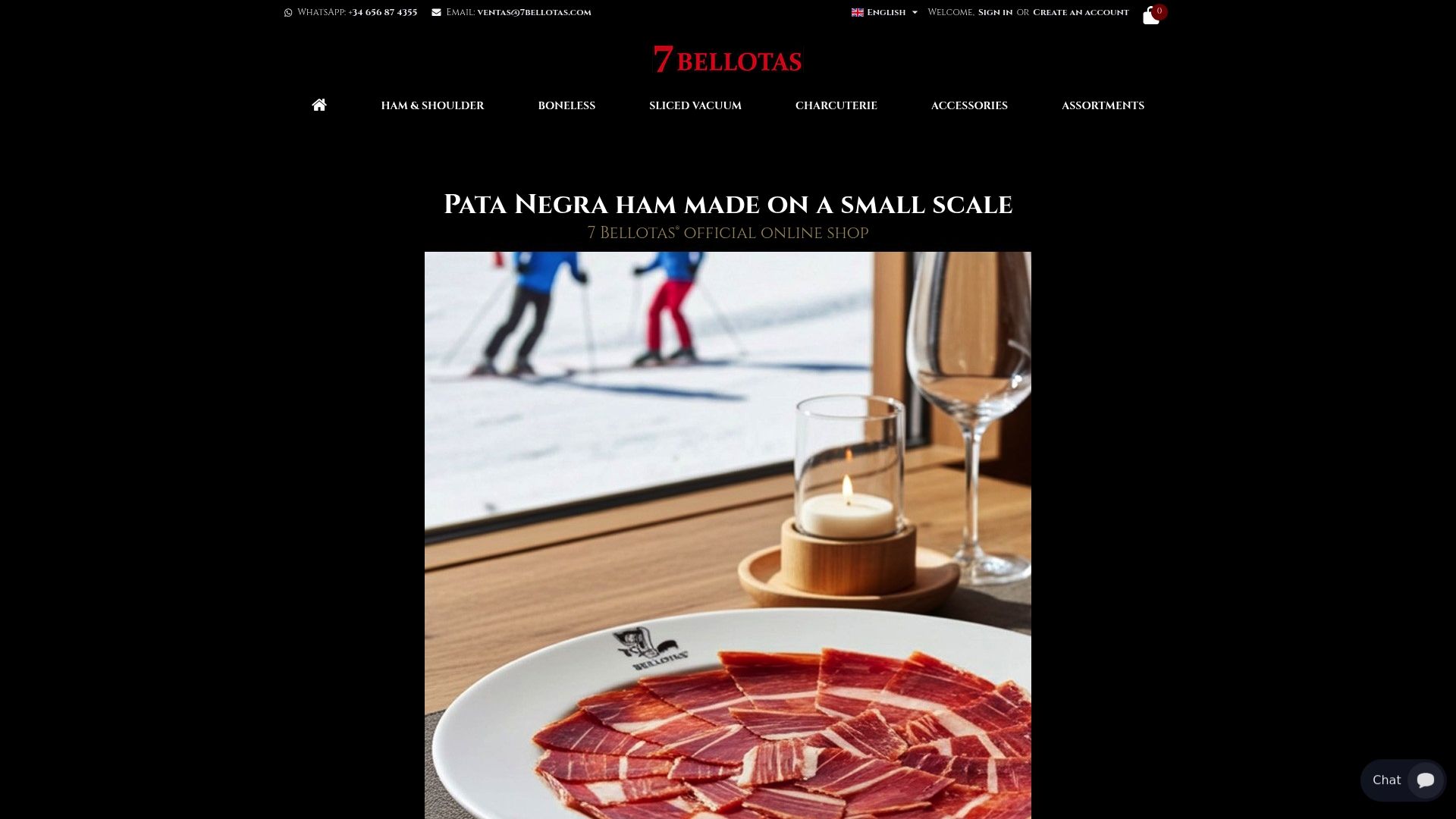
The website features 100% Iberian de bellota hams aged from 36 to over 64 months, alongside carefully selected chorizo, salami, and sliced ham options. Each product comes with detailed provenance information, certification details, and tasting notes to help you make informed choices. Whether you’re seeking a whole ham for special celebrations or convenient vacuum-packed portions for regular enjoyment, 7 BELLOTAS delivers authentic Spanish craftsmanship directly to your door, backed by transparent sourcing and artisanal production methods.
Frequently asked questions
What is the difference between 50%, 75%, and 100% Iberian ham?
The percentage reflects the genetic purity of the pig, with 100% Iberian pigs producing the highest quality ham featuring superior flavour complexity and texture. Lower percentages indicate crossbreeding with other pig breeds, typically Duroc, which affects intramuscular fat development and reduces the characteristic nutty sweetness. Price differences reflect both rarity and quality, with pure Iberian hams commanding significant premiums.
How can I verify if Iberico ham is truly de bellota?
Look for the official black label or band designating 100% Iberian acorn-fed status, along with DOP certification seals that verify montanera completion. Examine packaging for traceability codes, producer registration numbers, and harvest year declarations that legitimate producers prominently display. Reputable retailers provide certification documents and can trace each ham back to specific farms and production batches.
Why is the curing process important in choosing Iberico ham?
Extended curing periods of 24 to 48 months allow enzymatic processes to break down proteins and develop the complex umami flavours that define premium Iberico ham. Longer aging concentrates nutrients, reduces moisture content, and creates the firm yet tender texture that distinguishes exceptional ham from ordinary varieties. Regional curing methods influenced by climate, humidity, and traditional techniques contribute unique characteristics that serious enthusiasts seek out and appreciate.