Selecting genuine Iberico ham can feel overwhelming when faced with countless products claiming authenticity. Many gourmet enthusiasts struggle to distinguish true Iberico from convincing imitations, risking disappointment and wasted investment. Authentic Iberico ham offers exceptional flavour and texture directly linked to the Iberian pig breed and acorn-rich diet. This comprehensive guide equips you with practical knowledge to confidently recognise genuine Iberico through visual examination, label verification, and sensory assessment. You will learn essential preparation steps, detailed recognition techniques, and common pitfalls to avoid when selecting premium Spanish ham for your culinary enjoyment.
Table of Contents
- Understanding What Defines Authentic Iberico Ham
- Preparing To Identify Authentic Iberico Ham
- Step-By-Step Guide To Recognising Authentic Iberico Ham
- Verifying And Troubleshooting Common Mistakes In Identifying Iberico Ham
- Discover Authentic Iberico Ham At 7 Bellotas
Key takeaways
| Point | Details |
|---|---|
| Breed purity determines quality | Authentic Iberico requires 50% to 100% Iberian pig genetics affecting flavour and fat composition. |
| Bellota classification matters | Acorn-fed pigs produce superior ham with distinctive nutty flavour and soft intramuscular fat. |
| DO certification ensures standards | Denominación de Origen labels guarantee compliance with strict production and quality controls. |
| Visual and tactile checks reveal authenticity | Marbling patterns, fat colour, and texture provide immediate clues about breed purity and diet. |
| Label reading prevents costly mistakes | Verifying breed percentage, diet classification, and curing period protects against counterfeit products. |
Understanding what defines authentic Iberico ham
Authenticity in Iberico ham stems from three fundamental criteria: breed purity, diet, and certified production methods. The Iberian pig, native to the Iberian Peninsula, possesses unique genetic characteristics that influence fat distribution and flavour development. Breed purity significantly impacts flavour and fat composition, creating the distinctive taste profile gourmet enthusiasts seek.
Iberico ham classification begins with breed percentage. Products labelled 50% Iberico contain pigs crossbred with other breeds, whilst 75% and 100% Iberico represent higher purity levels. Pure Iberian pigs develop more intramuscular fat with superior oleic acid content, resulting in softer texture and richer taste. Understanding these distinctions helps you set realistic expectations when selecting authentic Iberico ham for personal consumption.
Diet classification creates another critical authenticity layer. The bellota category represents the pinnacle, where pigs roam freely in dehesa pastures consuming acorns during the montanera season. This natural diet imparts nutty flavour notes and beneficial fatty acid profiles. Alternative classifications include cebo de campo (free range, grain-fed) and cebo (grain-fed in confinement), each producing distinct quality levels.
The Denominación de Origen system provides regulatory oversight ensuring producers meet strict standards for breeding, feeding, curing, and labelling. DO certification requires independent verification at multiple production stages, offering consumers reliable quality assurance. Recognised DO regions include Guijuelo, Dehesa de Extremadura, Los Pedroches, and Huelva, each with specific geographical and production requirements.
Key authenticity factors include:
- Verified Iberian pig breed percentage documented on official labels
- Acorn-based diet during montanera period for bellota classification
- Minimum curing periods ranging from 24 to 48 months depending on weight
- DO certification from recognised Spanish regulatory bodies
- Traditional production methods including hand salting and natural air curing
Preparing to identify authentic Iberico ham
Successful identification begins with proper preparation and understanding what to examine. Create a well-lit workspace where you can inspect ham closely without shadows obscuring visual details. Natural daylight provides ideal conditions, though bright LED lighting works effectively. A magnifying glass, whilst optional, helps examine label details and subtle marbling patterns that distinguish authentic products.
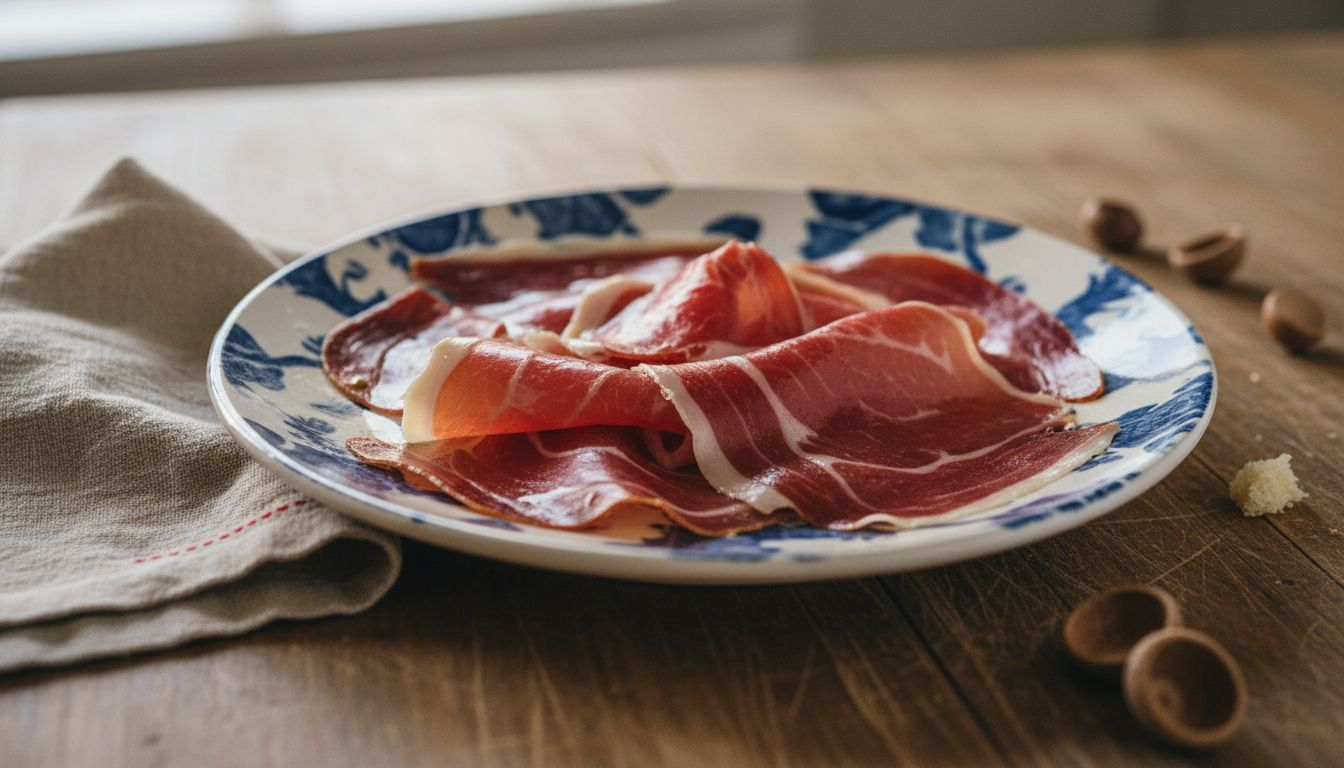
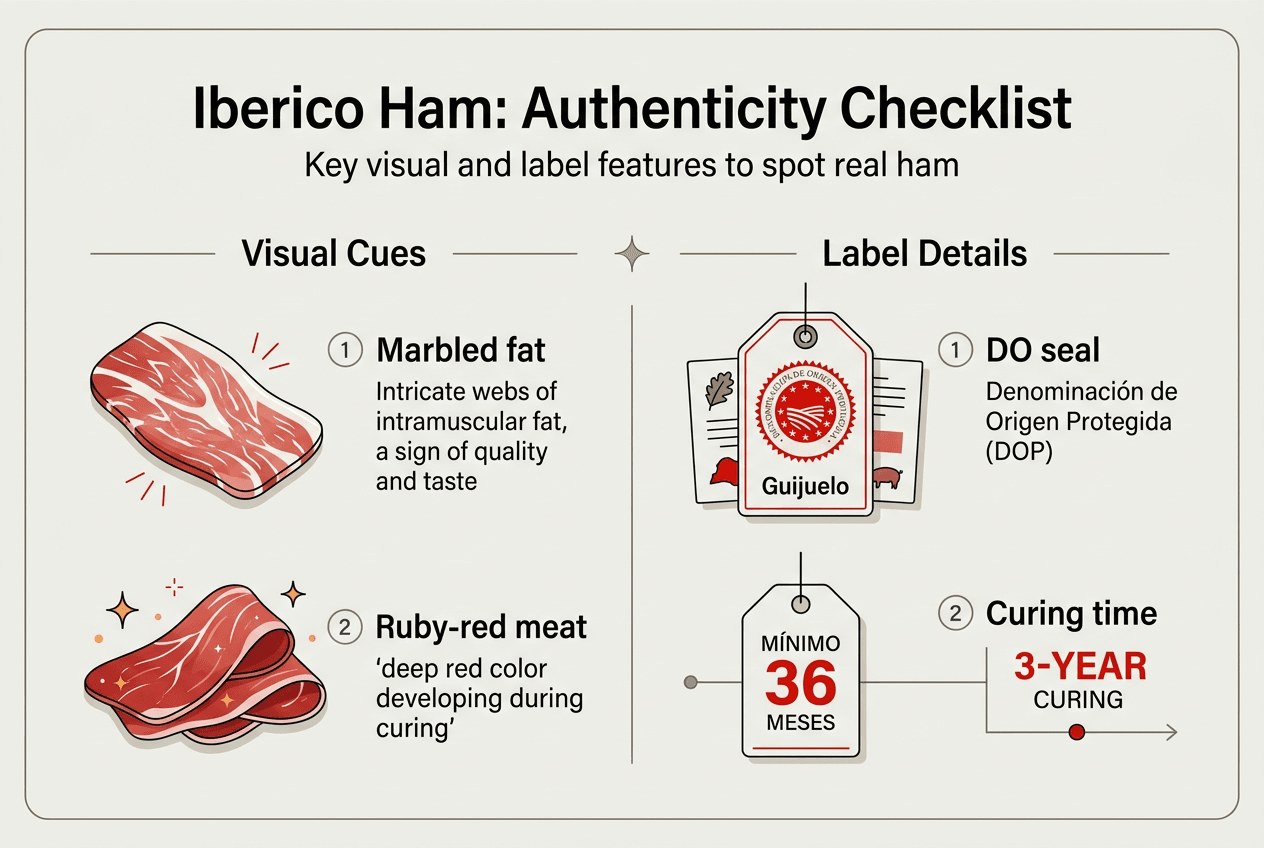
Visual indicators offer immediate authenticity clues before touching or tasting. Genuine Iberico ham displays characteristic deep ruby to purple-red colouration with extensive white to yellowish fat marbling throughout the muscle. The fat should appear translucent with slight sheen, indicating high oleic acid content from acorn consumption. Ham shape matters too; authentic pieces maintain irregular, natural contours reflecting traditional butchering rather than uniform industrial processing.
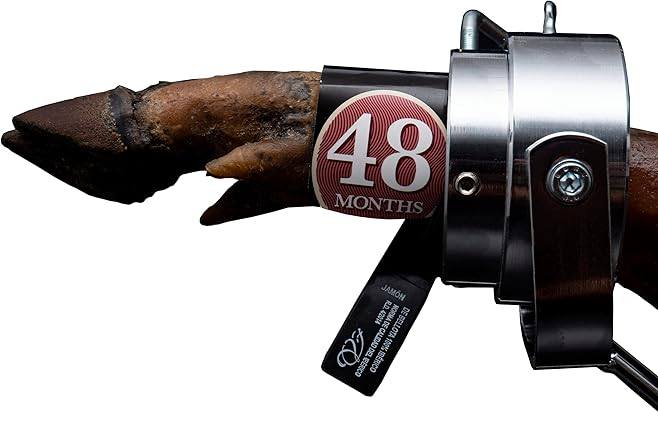
Label examination requires careful attention to specific details. Authentic products display DO seals prominently, typically as coloured bands or tags attached to the trotter. Black labels indicate bellota (acorn-fed), red signifies cebo de campo (free range), and white denotes cebo (grain-fed). Each label must state breed percentage clearly, such as “100% Ibérico” or “50% Ibérico.” Verify the producer’s name, DO region, and curing duration appear on official documentation.
Trustworthy packaging includes transparent information about origin, production methods, and certification. Genuine suppliers provide detailed traceability, often including the specific farm or cooperative. Counterfeit indicators include vague origin statements, missing DO certification, suspiciously low prices, and packaging that obscures rather than highlights product details. When reviewing your Iberico ham quality checklist, prioritise transparency over marketing claims.
Pro Tip: Press the fat gently with your finger. Authentic bellota ham fat should feel soft and pliable at room temperature, melting slightly from body heat. Hard, waxy fat suggests grain-fed diet or lower breed purity, indicating inferior quality regardless of label claims.
Essential preparation steps include:
- Securing adequate lighting and optional magnification tools
- Familiarising yourself with DO label colour coding systems
- Understanding breed percentage impact on fat characteristics
- Researching recognised producer names and DO regions
- Preparing questions about traceability and certification for sellers
This groundwork ensures you approach ham selection with confidence and knowledge. Understanding what authentic Iberico looks, feels, and smells like before purchase prevents costly mistakes. The investment in preparation pays dividends when choosing Iberico ham for special occasions or regular enjoyment.
Step-by-step guide to recognising authentic Iberico ham
Physical examination follows a systematic approach ensuring thorough authenticity verification. Each step builds upon previous observations, creating comprehensive assessment of breed purity, diet quality, and production standards. Following this sequence helps you develop reliable recognition skills applicable across different suppliers and product formats.
-
Examine external appearance carefully. Observe the overall colour, which should range from deep ruby to purple-red without grey or brown tones suggesting oxidation or poor curing. Inspect marbling patterns throughout visible muscle, looking for fine white streaks distributed evenly rather than concentrated in specific areas. Authentic Iberico displays abundant intramuscular fat, creating a jewelled appearance when sliced. The external fat layer should appear creamy white to pale yellow, never stark white or grey.
-
Verify DO labelling and breed information. Locate the official DO seal, typically a coloured band around the trotter or attached tag. DO certification ensures compliance with production standards and breed requirements. Check the breed percentage stated clearly on the label, confirming it matches your quality expectations. Review the diet classification, with black labels indicating premium bellota grade. Ensure the producer’s name, DO region, and registration numbers appear legibly.
-
Assess aroma and texture through sensory evaluation. Bring the ham to room temperature before assessment, as cold suppresses aromatic compounds. Authentic bellota ham releases distinctive nutty, sweet aromas with subtle earthy notes from acorn consumption. The scent should be clean and inviting, without sour, ammonia, or rancid overtones. Press the fat gently; it should yield easily and feel silky rather than greasy or waxy.
-
Use tactile checks for fat distribution patterns. Run your fingers across sliced surfaces, feeling for smooth, even fat distribution throughout the muscle. Authentic high-grade Iberico has fat so finely marbled it creates almost imperceptible texture variation. The fat should feel softer than the lean meat, melting slightly at body temperature. Uneven fat distribution or hard, separated fat deposits suggest lower breed purity or grain-based diet.
-
Compare official seals against certification standards. Cross-reference the DO seal colour and format with official standards from recognised regulatory bodies. Examine holographic elements, registration numbers, and seal placement for consistency with legitimate certification. When identifying authentic Iberico markers, verify that all documentation matches between the physical product, packaging, and any accompanying certificates.
| Authentic Feature | What to Look For | Red Flags |
|---|---|---|
| Colour | Deep ruby to purple-red | Grey, brown, or pale pink |
| Fat texture | Soft, translucent, melts easily | Hard, waxy, stark white |
| Marbling | Fine, evenly distributed | Chunky, concentrated areas |
| Aroma | Nutty, sweet, earthy | Sour, ammonia, rancid |
| Label | DO seal, breed %, clear origin | Vague claims, missing certification |
Pro Tip: Verify the curing period stated on the label matches the ham’s size and weight. Authentic bellota ham requires minimum 36 months curing for pieces under 8kg, with larger hams needing 48 months or more. Suspiciously short curing times indicate rushed production incompatible with traditional methods, regardless of other label claims.
These systematic steps provide reliable framework for authentication. Practice examining multiple products builds pattern recognition, making genuine Iberico identification increasingly intuitive. When combined with knowledge from your Iberico ham buying tips, this methodology ensures confident selection every time.
Verifying and troubleshooting common mistakes in identifying Iberico ham
Even experienced enthusiasts make identification errors when relying on incomplete information or misleading cues. Understanding frequent mistakes helps you avoid costly misjudgements and develop more reliable authentication skills. Verification involves cross-checking multiple indicators rather than trusting single factors, creating robust confidence in your selections.
Common authentication mistakes include:
-
Trusting price alone as quality indicator. Expensive products are not automatically authentic; counterfeiters exploit premium pricing to suggest legitimacy. Conversely, genuine Iberico from smaller producers may cost less than commercial brands whilst maintaining superior quality. Always verify certification and sensory characteristics regardless of price point.
-
Misreading label information or colour codes. The DO colour system uses specific shades; confusing red (cebo de campo) with black (bellota) leads to incorrect quality assessment. Some producers use decorative colours unrelated to official certification, creating confusion. Focus on official DO seals rather than general packaging colours.
-
Confusing Iberico with Serrano ham. Both are Spanish cured hams, but Serrano comes from white pig breeds with different fat composition and flavour profiles. Serrano typically costs less and lacks the distinctive marbling and nutty notes of authentic Iberico. Understanding Iberico vs Serrano differences prevents category confusion.
-
Overlooking traceability documentation. Legitimate producers provide detailed origin information including farm location, pig identification numbers, and processing dates. Vague or missing traceability suggests questionable authenticity, even when other indicators seem acceptable.
Sensory verification provides powerful authentication when combined with label checks. Taste a small portion at room temperature, allowing fat to melt on your palate. Authentic bellota ham delivers complex flavour with sweet, nutty notes and prolonged pleasant aftertaste. The texture should be tender without being mushy, with fat that dissolves completely rather than coating your mouth with greasiness.
DO certification serves as your ultimate verification safeguard against fraud. When purchasing, request documentation proving DO registration and certification dates. Reputable sellers willingly provide this information, whilst those offering excuses or vague assurances warrant suspicion. Contact DO regulatory bodies directly if you question certification authenticity; they maintain public registries of approved producers.
Producer reliability forms another verification layer. Established producers with generations of experience typically maintain higher standards than newcomers or industrial operations. Research producer reputation through independent reviews, industry awards, and expert recommendations. Family-run operations often provide superior authenticity compared to large commercial brands prioritising volume over traditional methods.
“The Denominación de Origen system represents Spain’s commitment to preserving authentic Iberico ham production. This regulatory framework protects consumers from counterfeit products whilst supporting traditional producers who maintain centuries-old craftsmanship. Verification through DO certification provides the most reliable authenticity guarantee available.”
Question seller credentials when inconsistencies appear between product claims and physical characteristics. Legitimate retailers answer questions transparently, providing detailed information about sourcing, storage, and handling. Evasive responses or pressure tactics suggest questionable practices. Trust your instincts; if something feels wrong despite acceptable surface indicators, seek alternative suppliers.
Double-checking prevents regret after purchase. Before finalising significant investments in whole hams or large quantities, request samples when possible. Evaluate whether the product matches your expectations for authentic Iberico based on comprehensive criteria rather than isolated factors. Building relationships with trusted suppliers simplifies future purchases whilst ensuring consistent quality.
Discover authentic Iberico ham at 7 Bellotas
Applying your newfound recognition skills becomes effortless when you source from specialists committed to authenticity and quality. 7 Bellotas offers certified 100% Iberico ham products, ensuring every purchase meets the exacting standards you have learned to identify. Their dedication to traditional production methods and strict DO compliance eliminates guesswork from your selection process.
Every ham available through 7 Bellotas undergoes rigorous quality verification, with full traceability from dehesa pastures through curing and delivery. Their selection includes premium bellota grade products aged 36 to 64 months, providing options for various preferences and occasions. Expert guidance helps you choose the perfect ham based on your specific requirements, whether for special celebrations or regular enjoyment. International shipping brings authentic Spanish tradition directly to your table, with careful handling ensuring products arrive in perfect condition.
FAQ
How can I tell if Iberico ham is truly 100% Iberian?
Look for DO labels explicitly stating “100% Ibérico” along with black colour coding indicating bellota grade. Verify breeding documentation if available, though reputable suppliers with DO certification provide reliable assurance. Check fat quality; pure Iberian pigs produce exceptionally soft, translucent fat that melts easily at room temperature. The curing period should align with traditional timelines, typically 36 to 48 months for authentic 100% Iberico products. When selecting by breed purity, prioritise DO certification over marketing claims.
What does ‘bellota’ mean and why is it important?
‘Bellota’ translates to acorn, indicating pigs were fed exclusively on acorns during the montanera season whilst roaming dehesa pastures. This natural diet profoundly influences the ham’s flavour profile, creating distinctive nutty, sweet notes absent in grain-fed alternatives. Acorn consumption affects fat composition, increasing oleic acid content and creating the soft, translucent fat characteristic of premium Iberico. Bellota classification represents the highest quality tier, reflected in black DO labels and superior pricing.
Can I trust price as an indicator of authenticity?
Price alone proves unreliable for authentication; sophisticated counterfeiters charge premium prices to suggest legitimacy. Some genuine products from smaller producers cost less than commercial brands whilst maintaining superior quality. Always combine price evaluation with comprehensive label verification, sensory examination, and DO certification checks. Following your buying tips ensures you assess value based on verified quality rather than price assumptions.
How long should authentic Iberico ham be cured?
Minimum curing periods depend on ham size and breed purity. Standard Iberico requires at least 24 months, whilst premium bellota grade needs 36 months minimum for hams under 8kg. Larger pieces demand 48 months or more to achieve proper flavour development and texture. Suspiciously short curing times indicate rushed production incompatible with traditional methods. Authentic producers proudly display curing duration on labels, as extended ageing represents significant investment and expertise.
What should authentic Iberico ham smell like?
Genuine bellota ham releases clean, inviting aromas with prominent nutty and sweet notes derived from acorn consumption. Subtle earthy undertones reflect the natural dehesa environment and traditional curing processes. The scent should be pleasant and appetising, without any sour, ammonia, or rancid overtones suggesting spoilage or poor handling. Bring ham to room temperature before assessment, as cold suppresses aromatic compounds and prevents accurate evaluation.