Tasting premium Iberico ham is more than simply eating a slice of cured meat. It’s a nuanced sensory journey that rewards those who understand proper technique. Many food enthusiasts struggle to fully appreciate the complex flavours and aromas that make 100% acorn-fed bellota ham exceptional. This guide reveals expert methods for selecting, preparing, and tasting Iberico ham so you can experience every layer of its remarkable character. You’ll learn how to assess aroma, recognise evolving flavour profiles, pair accompaniments thoughtfully, and explore different ham sections to maximise your appreciation.
Table of Contents
- Key takeaways
- What you need: selecting the right Iberico ham and tasting essentials
- Assessing aroma and appearance: first steps in the tasting process
- How to taste Iberico ham properly: step-by-step flavour appreciation
- Choosing and pairing accompaniments: enhance your Iberico ham tasting experience
- Enjoy the finest Iberico hams with 7 BELLOTAS®
- Frequently asked questions
Key Takeaways
| Point | Details |
|---|---|
| Selecting right ham | Choose 100% Iberian bellota ham aged over 36 months with the black label to guarantee pure breed, acorn feeding and authentic flavour. |
| Aroma cues and appearance | Upon unwrapping, inhale deeply to identify nutty savoury scents and notes of toasted hazelnuts, caramel and dried fruit. |
| Tasting setup and tools | Prepare a calm tasting space with a thin slicing knife, plain bread or crackers, still water and appropriate glassware in a twenty to twenty two degrees Celsius environment. |
| Ageing and flavour development | Curing for thirty six to sixty four months deepens complex aromas and flavours. |
What you need: selecting the right Iberico ham and tasting essentials
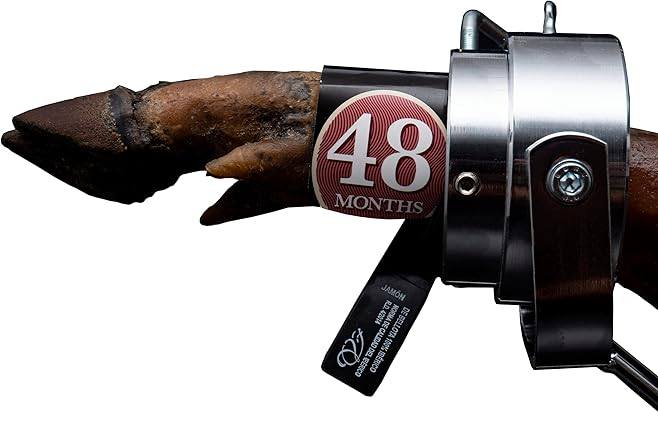
Your tasting experience begins with choosing the right ham. Premium quality makes all the difference. Select 100% Iberian bellota ham aged over 36 months for optimal tasting experience as your benchmark. Look for the black label designation, which guarantees pigs were 100% Iberian breed and fed exclusively on acorns during montanera season. This acorn diet creates the distinctive nutty sweetness and marbled fat that defines exceptional ham.
Ageing time directly impacts flavour complexity. Hams cured for 36 months develop rich, balanced profiles. Those aged 48 to 64 months or longer offer even more concentrated, sophisticated characteristics. The extended curing allows enzymes to break down proteins and fats into complex aromatic compounds. When selecting Iberico ham for authentic flavour, verify the producer’s credentials and check your Iberico ham quality checklist to ensure authenticity.
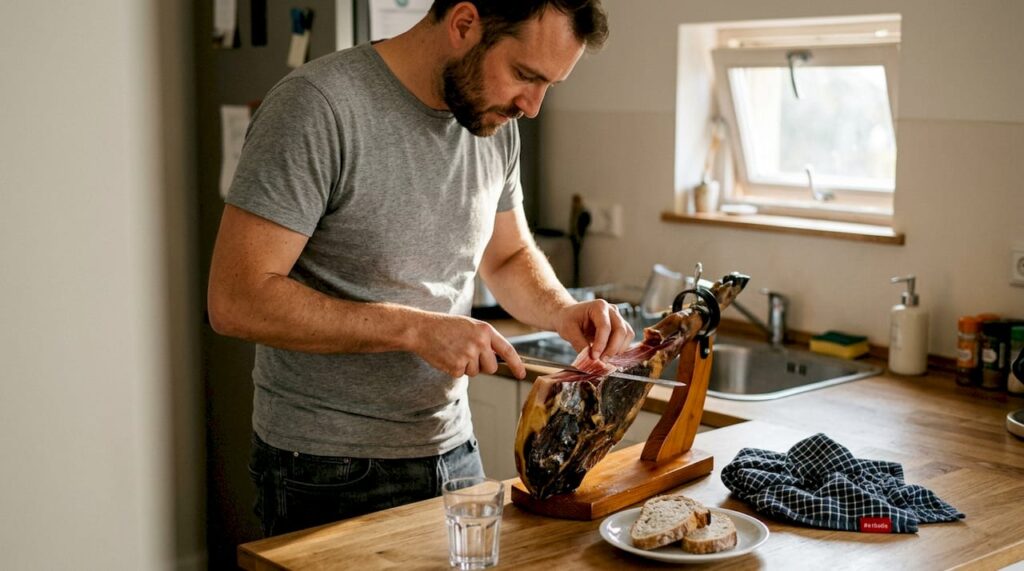
Proper tools and environment enhance your tasting session significantly. You’ll need a thin, flexible slicing knife to cut translucent slices that melt on the tongue. Prepare clean palate items like plain bread or water crackers. Have appropriate glassware ready for cava or dry sherry. Set up your tasting in a space with mild temperature around 20-22°C, neutral scents, and good natural lighting to properly observe the ham’s appearance.
Essential tasting setup:
- Sharp, flexible slicing knife for paper-thin cuts
- Plain bread or crackers for palate cleansing
- Still mineral water at room temperature
- Appropriate glassware for wine or sherry
- Clean white plate to showcase ham colour
- Neutral environment free from competing aromas
| Ham grade | Acorn feeding | Ageing time | Flavour profile |
|---|---|---|---|
| 100% Iberico bellota | 100% acorns | 36-48+ months | Complex nutty, sweet, intense umami |
| Iberico cebo de campo | Mixed diet, free range | 24-36 months | Moderate complexity, balanced |
| Iberico cebo | Commercial feed | 18-24 months | Mild, less nuanced |
Pro Tip: Purchase from established suppliers with transparent sourcing to guarantee you’re getting genuine 100% bellota ham rather than lower grades marketed deceptively.
Assessing aroma and appearance: first steps in the tasting process
The moment you unwrap premium Iberico ham, pause and inhale deeply. Rich nutty, savoury scents with notes of toasted hazelnuts, caramel, dried fruits signal exceptional quality. These complex aromas result from the acorn diet and lengthy curing process. The oleic acid from acorns transforms during maturation, creating the distinctive bouquet that separates premium ham from ordinary cured meat. Take several slow breaths to identify individual scent components before tasting.
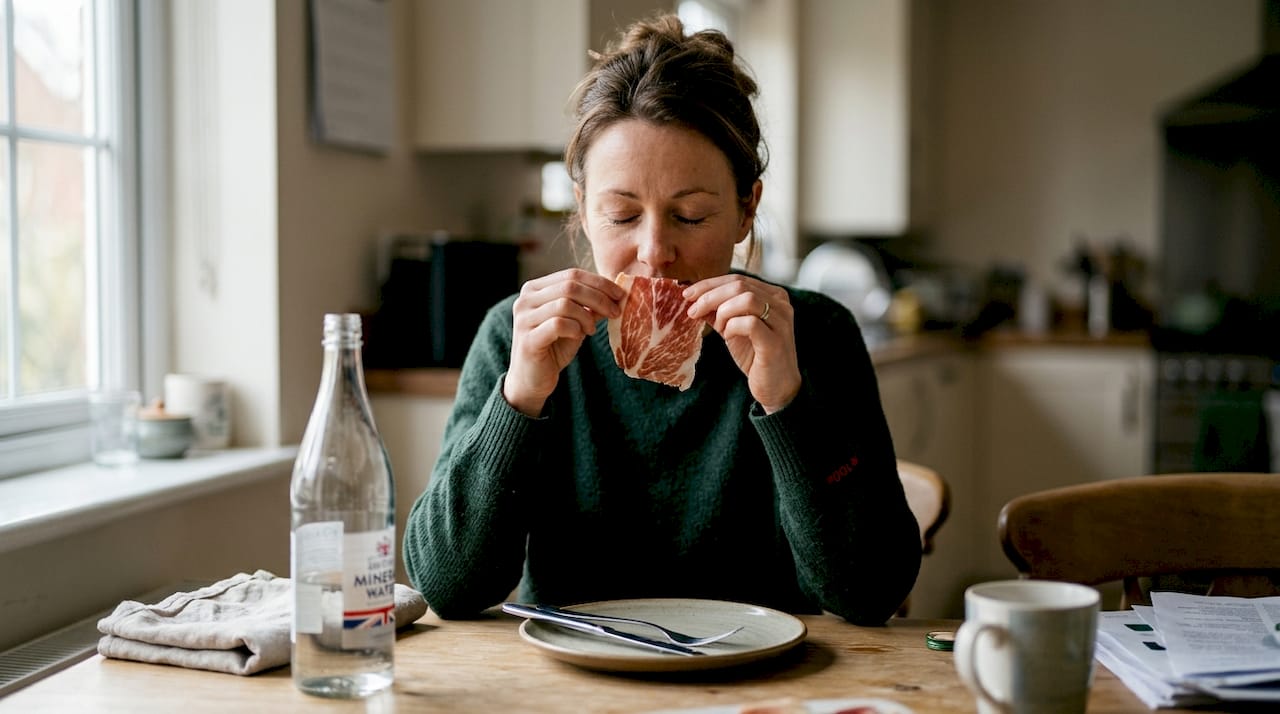
Traditional ham masters employ a technique called ‘cala’ for olfactory evaluation. Maestros use bone awls to assess maturation, inserting the tool into the ham and smelling it to judge curing progress. Modern producers complement this with gas chromatography analysis, but the human nose remains invaluable. You can replicate this assessment by smelling near the bone area where aromas concentrate most intensely. The scent should be clean, pleasant, and layered, never sharp or unpleasant.
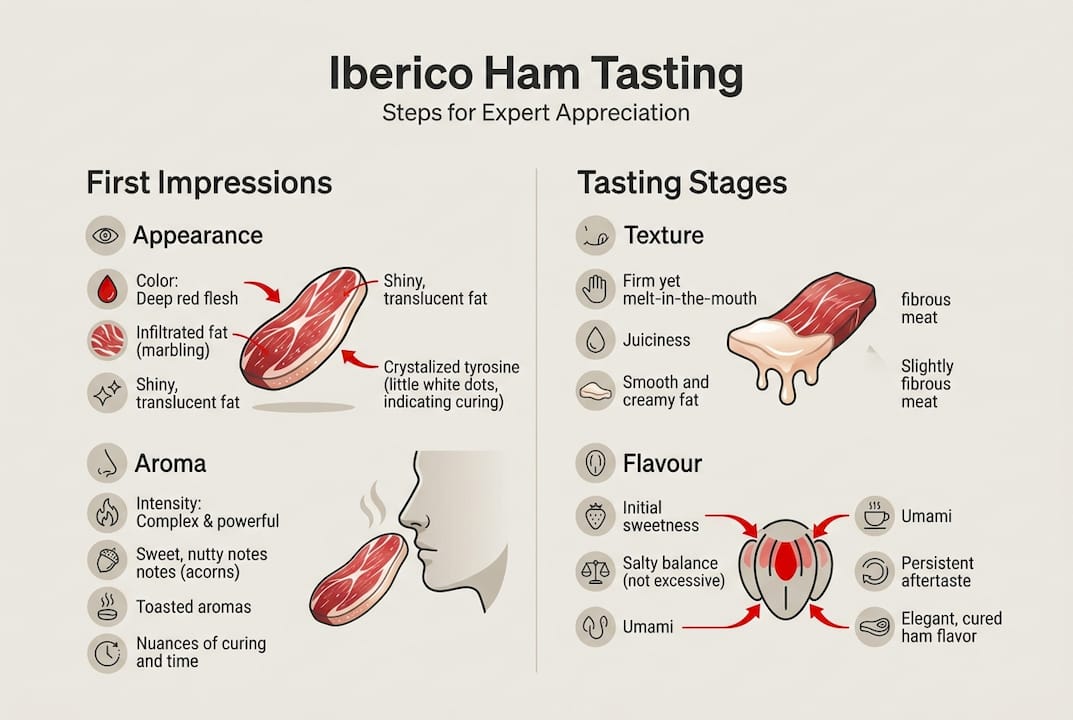
Visual inspection reveals quality markers before you taste. Examine the slice carefully on a white plate under good light. Premium ham displays generous marbling with white to ivory fat veins distributed throughout deep ruby to burgundy meat. The fat should appear translucent and lustrous, not dull or yellowish. Slices should be thin enough to see light through them, allowing the fat to reach body temperature quickly and release flavour compounds.
Visual quality indicators:
- Generous marbling with ivory to white fat veins
- Deep ruby to burgundy meat colour
- Translucent, lustrous fat appearance
- Thin slice allowing light to pass through
- No oxidation, discolouration, or dryness
- Consistent texture without crystallisation
Pro Tip: Avoid tasting near strong cooking smells, perfumes, or other competing aromas that mask the ham’s delicate scent profile and diminish your sensory experience.
How to taste Iberico ham properly: step-by-step flavour appreciation
Proper tasting technique transforms your experience from casual eating to genuine appreciation. Place the slice on your tongue and let fat melt gradually, observing evolving layers that move from sweet start through salty umami to nutty persistence. This process takes patience. Resist the urge to chew immediately. Allow the slice to rest on your tongue for 30 to 45 seconds as body heat liquefies the intramuscular fat and releases volatile aromatic compounds.
The flavour journey unfolds in distinct stages. Initially, you’ll perceive gentle sweetness from the acorn-derived oleic acid and natural sugars concentrated during curing. As the fat melts, savoury umami notes emerge, followed by mineral saltiness that balances the richness. The finish reveals persistent nuttiness reminiscent of toasted hazelnuts and almonds, lingering pleasantly for minutes after swallowing. Each stage deserves attention and reflection.
Breathing technique enhances aroma perception dramatically. After placing the slice in your mouth, breathe gently through your nose whilst the ham rests on your tongue. This retronasal olfaction carries volatile compounds to your olfactory receptors, intensifying flavour perception. Take small, controlled breaths rather than deep inhalations. The combination of taste and smell creates the complete flavour experience that defines exceptional Iberico ham.
Step-by-step tasting process:
- Inspect the slice visually for marbling and colour
- Smell the ham directly to identify aroma components
- Place slice flat on your tongue without chewing
- Allow 30-45 seconds for fat to begin melting
- Breathe gently through your nose to enhance aroma
- Notice the sweet opening flavour notes
- Observe the transition to savoury umami character
- Identify the persistent nutty finish
- Chew slowly and deliberately before swallowing
- Reflect on the complete flavour journey for several minutes
Dedicate approximately five minutes to each slice for full appreciation. This might seem excessive initially, but slowing down reveals complexity you’d otherwise miss. Follow the guide to tasting Iberico ham methodically, treating each slice as a distinct tasting experience rather than continuous eating.
“Savour each slice mindfully, allowing the ham to reveal its character gradually. Rushing through premium Iberico ham is like skipping through a symphony, you miss the nuances that justify its reputation.”
Choosing and pairing accompaniments: enhance your Iberico ham tasting experience
Thoughtful pairing enhances rather than competes with Iberico ham’s flavour. Pair minimally with bread, olives, Manchego, cava or sherry to cleanse your palate without overpowering the ham’s delicate characteristics. Fresh crusty bread provides neutral texture that refreshes your mouth between slices. Mild green olives offer gentle brininess that complements the ham’s savoury notes. Aged Manchego cheese shares similar nutty qualities that harmonise beautifully.
Beverage selection matters considerably. Dry sparkling cava cuts through the ham’s richness whilst its effervescence cleanses your palate. Fino or manzanilla sherry provides complementary nutty notes and refreshing salinity. Avoid heavy red wines or bold spirits that overwhelm subtle flavour nuances. The goal is enhancement, not competition. Each sip should prepare your palate for the next slice, not dominate the tasting experience.
Exploring different ham sections reveals fascinating profile variations. Different sections including maza, contramaza, and punta offer varied tasting profiles that showcase the ham’s complexity. The maza, from the upper cushion muscle, delivers tender texture with generous fat marbling and pronounced sweetness. Contramaza from the inner cushion is leaner with more concentrated savoury character. The punta, or shank end, provides intense flavour with firmer texture and deeper umami notes.
| Ham section | Location | Fat content | Texture | Flavour profile |
|---|---|---|---|---|
| Maza | Upper cushion | High | Tender, buttery | Sweet, nutty, delicate |
| Contramaza | Inner cushion | Medium | Balanced | Savoury, balanced, refined |
| Punta | Shank end | Lower | Firmer | Intense, umami-rich, robust |
Slice each section systematically during your tasting session. Begin with the milder maza to establish baseline flavour, progress to contramaza for balanced character, then finish with punta’s intensity. This progression trains your palate to recognise subtle differences and appreciate how muscle location affects final flavour. Refer to the Iberico ham carving guide for proper sectioning technique.
Pairing best practices:
- Serve accompaniments at room temperature alongside ham
- Use plain bread or crackers, never flavoured varieties
- Choose mild cheeses that complement rather than compete
- Select dry, crisp beverages with refreshing acidity
- Cleanse palate between different ham sections
- Avoid strongly spiced or pickled accompaniments
Pro Tip: Keep still mineral water and plain dry crackers available to completely reset your palate when moving between ham sections or during extended tastings.
Enjoy the finest Iberico hams with 7 BELLOTAS®
Now that you understand expert tasting technique, experiencing authentic premium Iberico ham becomes essential. 7 BELLOTAS® offers carefully selected 100% acorn-fed bellota hams aged for extended periods using traditional methods. Every ham comes with quality guarantees and transparent sourcing from trusted Spanish producers who maintain centuries-old curing practices.
Explore the curated selection at 7 BELLOTAS® jamon shop to discover hams aged from 36 to over 64 months, each offering distinct complexity levels. Whether you’re organising a dedicated tasting session or simply want to experience genuine Spanish heritage, having access to verified premium quality transforms your appreciation. The knowledge you’ve gained here deserves ham that lives up to your refined palate.
Frequently asked questions
How should I store Iberico ham before tasting?
Store whole bone-in ham in a cool, dry place between 15-20°C with moderate humidity around 60-70%. Once you begin slicing, cover the cut surface with the ham’s own fat layer or a clean cotton cloth to prevent drying. Properly stored opened ham lasts several months if you slice regularly and maintain the protective covering. Never refrigerate whole ham, as cold temperatures alter fat texture and diminish flavour complexity. For pre-sliced portions, keep vacuum-sealed packages refrigerated and bring to room temperature 30 minutes before serving.
Can I taste Iberico ham without expert slicing tools?
Thin slicing significantly enhances flavour release by maximising surface area and allowing fat to melt quickly at body temperature. However, you can achieve acceptable results using a very sharp chef’s knife with careful technique. Chill the ham slightly to firm the fat, then slice as thinly as possible with long, smooth strokes rather than sawing motions. Pre-sliced vacuum-packed portions offer convenient alternatives when proper slicing equipment isn’t available, though freshly cut slices provide superior taste and texture.
What flavours distinguish 100% Iberico bellota ham?
Premium bellota ham offers a distinctive flavour progression starting with gentle sweetness, transitioning through savoury umami notes, and finishing with persistent nuttiness. Rich scents of toasted hazelnuts, caramel, and dried fruits characterise the aroma profile. The acorn diet creates high oleic acid content that produces buttery, smooth fat with remarkable flavour complexity. Extended ageing concentrates these characteristics whilst developing subtle mineral notes and refined saltiness that balance the natural sweetness beautifully.
How do different Iberico ham sections affect taste?
Different sections offer varied profiles, with maza providing tender, fatty richness perfect for those preferring delicate sweetness. Contramaza delivers leaner, more balanced character with refined savoury notes that appeal to broader palates. Punta presents intense, robust flavour with firmer texture and pronounced umami depth. Tasting each section systematically reveals how muscle location, fat distribution, and curing penetration create distinct experiences within a single ham, showcasing the remarkable complexity of premium Iberico products.