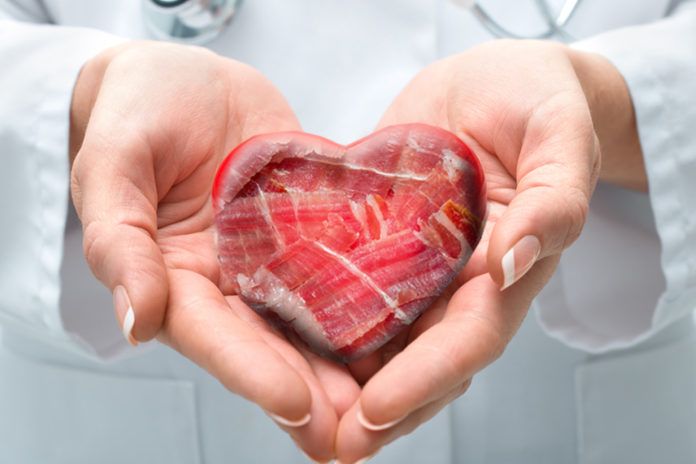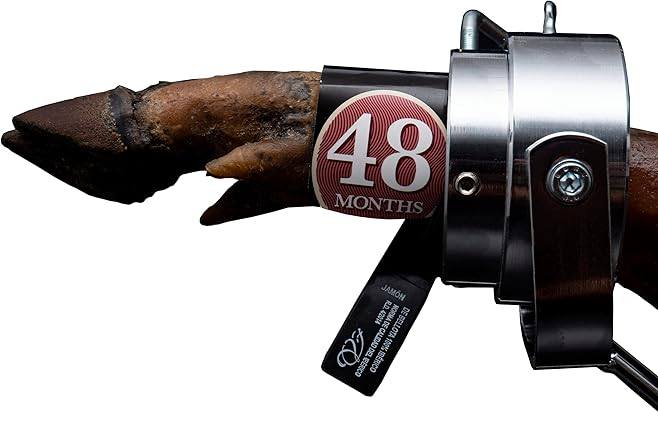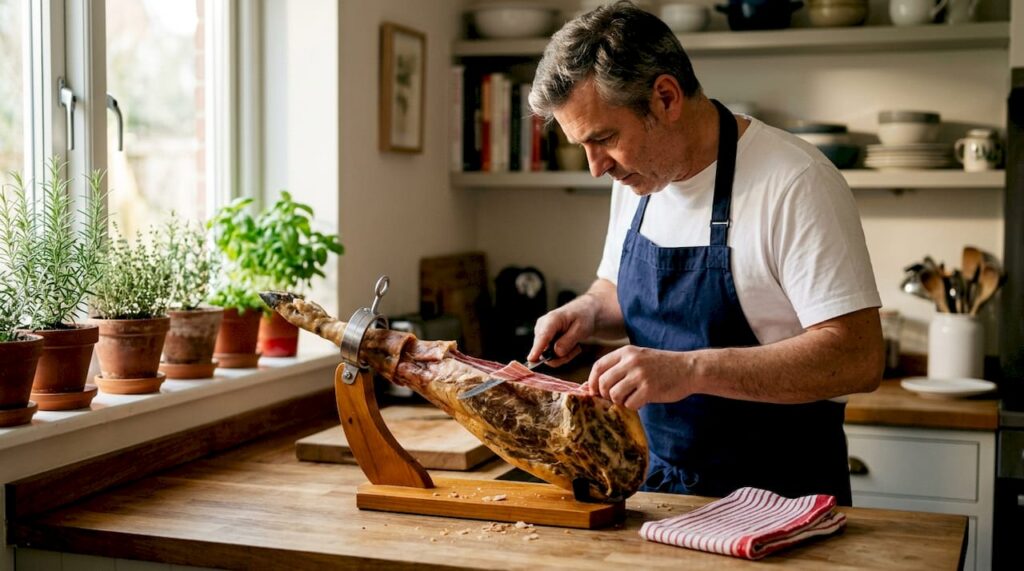
Premium Iberico ham’s extraordinary flavour doesn’t come from the meat alone. The fat undergoes hydrolytic lipolysis releasing fatty acids, which serve as substrates for oxidative processes generating volatile organic compounds essential for the ham’s characteristic aroma. While many consumers mistakenly view fat as excess, it’s actually the primary architect of Iberico ham’s complex sensory profile. This guide reveals the biochemical transformations, compositional uniqueness, and practical implications of fat’s central role in crafting gourmet Iberico ham experiences.
Table of Contents
- Key takeaways
- How fat chemistry creates Iberico ham’s signature flavour
- Oleic acid and the acorn-fed pig’s fat: foundation for texture and health benefits
- Marbling, genetics and curing: how fat structure influences flavour release
- Practical guide: optimising fat appreciation when selecting and serving Iberico ham
- Discover premium Iberico ham with perfected fat quality
- Frequently asked questions
Key Takeaways
| Point | Details |
|---|---|
| Fat drives aroma | Fat drives aroma as hydrolytic lipolysis releases fatty acids that then oxidise to volatile compounds forming the ham’s distinctive scent. |
| Extended curing enhances complexity | Enzymes present during long ageing break down fat to yield precursors and oxidised volatiles that deepen flavour. |
| Oleic acid richness | Acorn fed Iberico fat contains over 55 per cent oleic acid, giving a low melting point and a melt in the mouth texture. |
| Mouthfeel texture | Oleic acid melts at body temperature creating a melt in the mouth sensation as fat dissolves and releases aromas. |
| Health benefits of oleic | Dietary oleic acid from acorns supports healthy cholesterol by raising HDL, offers anti inflammatory properties, and provides antioxidants. |
How fat chemistry creates Iberico ham’s signature flavour
The transformation of fat during Iberico ham curing involves two critical biochemical processes that generate the ham’s signature aroma profile. Hydrolytic lipolysis breaks down triglycerides into free fatty acids, which then undergo oxidative reactions producing volatile organic compounds. These VOCs form the aromatic foundation that distinguishes premium Iberico ham from standard cured meats.
During the extended curing period, enzymes naturally present in the meat catalyse the breakdown of fat molecules. The fatty acids released serve as chemical precursors for further transformations. Oxidation converts these fatty acids into aldehydes, ketones, and other volatile compounds that contribute specific aromatic notes. This cascade of reactions intensifies over months of ageing, building complexity layer by layer.
Key aromatic compounds formed through fat oxidation include:
- (E)-2-octenal delivering nutty, fatty notes characteristic of aged ham
- Hexanal contributing fresh, grassy undertones that balance richness
- Various methyl ketones providing fruity, sweet nuances
- Short-chain aldehydes creating the distinctive dry-cured aroma
The intensity and balance of these compounds depend on curing conditions, fat composition, and ageing duration. Iberico ham’s unique flavour emerges from this intricate chemical orchestration occurring within the fat matrix.
“The volatile organic compounds generated through fat oxidation during curing are not merely byproducts; they represent the essence of what makes Iberico ham a sensory masterpiece.”
Understanding this biochemical role of fat helps explain why authentic Iberico ham commands premium prices. The fat isn’t simply present; it’s actively working to create flavour throughout the entire curing process.
Oleic acid and the acorn-fed pig’s fat: foundation for texture and health benefits
The composition of Iberico pig fat sets it apart from all other cured ham varieties. Acorn-fed Iberico pigs produce fat rich in oleic acid, with over 55% of fat content comprising this monounsaturated fatty acid. This concentration rivals extra virgin olive oil, creating a unique chemical profile that influences both sensory experience and nutritional value.
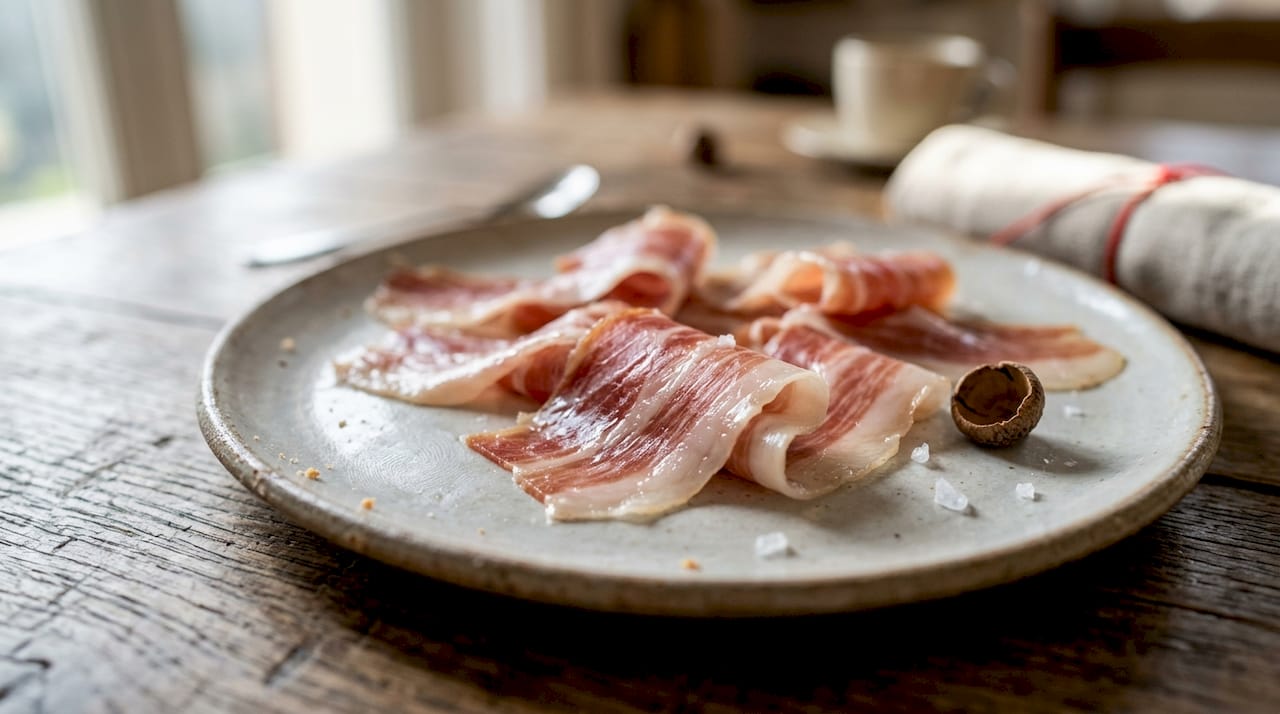
Oleic acid’s molecular structure gives it a relatively low melting point compared to saturated fats. At approximately 13-14°C, it begins to soften, and at body temperature (37°C), it melts completely. This physical property creates the signature melt-in-the-mouth sensation when you taste properly served Iberico ham. The fat literally dissolves on your tongue, releasing aromatic compounds and coating your palate with a silky texture.
The acorn-based diet (montanera) directly determines this fatty acid composition. During autumn months, Iberian pigs roam oak forests consuming up to 10 kilograms of acorns daily. These acorns contain high levels of oleic acid, which the pigs metabolise and deposit in their tissues. The result is fat that behaves more like plant oil than animal fat, with corresponding sensory and health implications.
Health benefits associated with oleic acid in Iberico fat include:
- Supporting healthy cholesterol profiles by raising HDL levels
- Providing anti-inflammatory properties linked to Mediterranean diet benefits
- Offering antioxidant compounds absorbed from acorns
- Delivering monounsaturated fats associated with cardiovascular wellness
The nutty sweetness characteristic of premium Iberico ham also traces back to oleic acid composition. As the fat melts, it releases subtle flavour notes absorbed from the acorn diet, creating a complex taste profile that evolves across the palate. This gradual flavour release distinguishes Iberico from hams with harder, more saturated fat that remains solid at mouth temperature.
Pro Tip: Serve Iberico ham at 20-22°C room temperature for optimal fat texture. Remove slices from refrigeration 30 minutes before serving, and use proper carving techniques to ensure each slice includes both meat and marbled fat for balanced flavour.
Marbling, genetics and curing: how fat structure influences flavour release
The Iberian pig’s genetic heritage creates distinctive intramuscular marbling from Iberian pig genetics that fundamentally shapes how flavour develops and releases during tasting. This marbling represents fat deposits distributed throughout muscle tissue, appearing as fine white veins running through the deep red meat. Unlike external fat layers, intramuscular fat integrates directly with muscle fibres, creating a matrix that melts gradually as you chew.
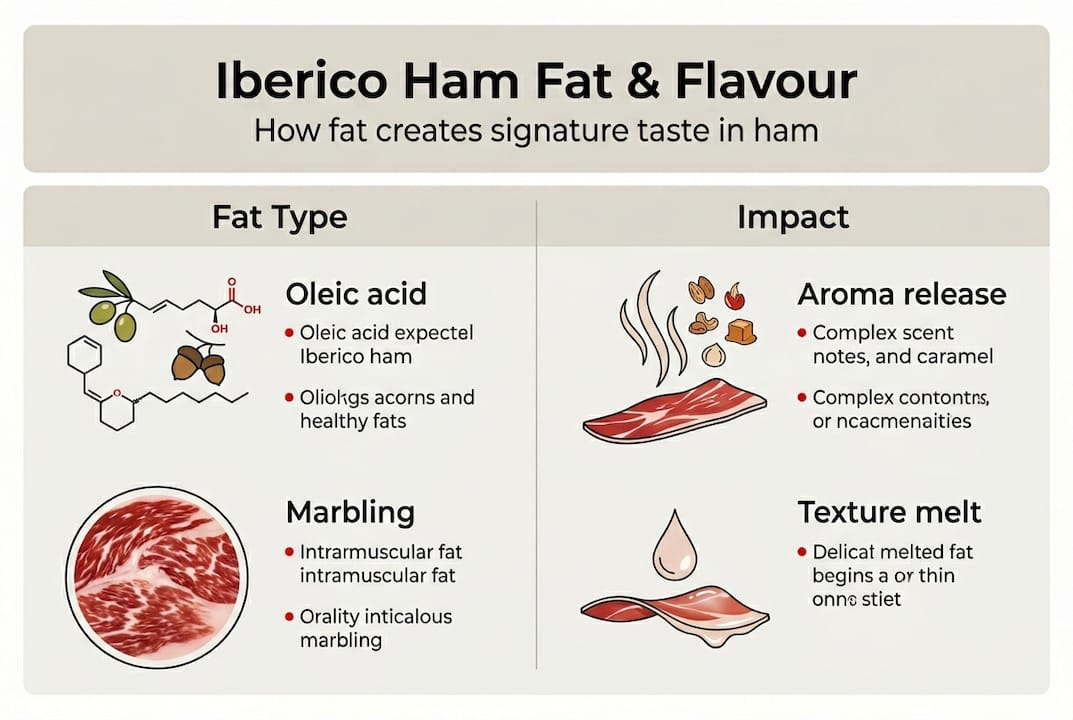
This genetic predisposition for marbling allows Iberian pigs to store fat within muscles rather than only in subcutaneous layers. As the intramuscular fat melts at body temperature, it releases aromatic compounds slowly and continuously. Each chew extracts more flavour as additional fat melts, creating a prolonged sensory experience. The gradual release prevents flavour overload whilst maintaining intensity throughout tasting.
Subcutaneous fat serves a different but equally important role during curing. Master curers use this external fat layer for non-destructive monitoring, assessing curing progress by examining fat colour, texture, and aroma without cutting into the ham. This outer fat also protects the meat during ageing, regulating moisture loss and preventing excessive drying. However, it requires careful management to avoid oxidative rancidity.
| Fat characteristic | Purebred Bellota (100% Iberian) | Crossbreed (50-75% Iberian) |
|---|---|---|
| Intramuscular marbling density | Extensive, fine-grained throughout | Moderate, less evenly distributed |
| Oleic acid content | 55-60% of total fat | 45-50% of total fat |
| Melting behaviour | Complete melt at body temperature | Partial melt, firmer texture |
| Rancidity risk (over-curing) | Lower due to stable oleic acid | Higher with more saturated fats |
| Flavour release pattern | Gradual, prolonged | Faster initial, shorter duration |
Over-curing presents a genuine risk to fat quality, particularly in the external layers. Extended exposure to oxygen can trigger excessive oxidation, producing off-flavours and rancid notes. This degradation typically affects subcutaneous fat first, appearing as yellowing or greyish discolouration. Properly cured hams maintain creamy white to pale ivory fat colour, indicating controlled oxidation that enhances rather than damages flavour.
Pro Tip: When selecting authentic Iberico ham, examine the external fat for uniform creamy colour without yellow patches. Check Bellota grade certification to ensure the acorn-fed diet that produces optimal fat composition. Avoid hams with dry, crumbly external fat or strong ammonia odours indicating poor curing management.
Practical guide: optimising fat appreciation when selecting and serving Iberico ham
Applying your understanding of fat’s role requires practical knowledge for selecting and serving Iberico ham to maximise its sensory potential. Quality indicators related to fat reveal authenticity and proper curing, whilst serving techniques unlock the flavour compounds trapped within the fat matrix.
When purchasing Iberico ham, prioritise these fat quality indicators. Look for creamy white to pale ivory external fat without yellowing or grey patches. Examine marbling visibility in any exposed meat sections, seeking fine, evenly distributed white veins. Request information about acorn-fed certification (Bellota grade) confirming the oleic acid-rich fat composition. Check curing duration, as 24-48 months allows optimal fat transformation without excessive oxidation.
Optimal slicing technique focusing on fat integration:
- Position the ham with the hoof upward and begin slicing from the widest part (maza) where marbling is most pronounced
- Use a long, flexible knife to create paper-thin slices approximately 1-2mm thick, allowing fat to melt quickly on the tongue
- Include both meat and visible fat in each slice, maintaining the natural ratio rather than trimming fat away
- Angle cuts slightly to capture the intramuscular marbling running through muscle fibres
- Arrange slices immediately on serving plates to prevent fat oxidation from extended air exposure
Serving temperatures and conditions that enhance fat aroma and mouthfeel:
- Remove ham from refrigeration 30-45 minutes before serving to reach 20-22°C
- Avoid direct sunlight or heat sources that can cause uneven warming and fat degradation
- Serve on room-temperature plates rather than chilled dishes that re-solidify the fat
- Present slices slightly overlapping to maintain temperature and prevent surface drying
- Consume within 15-20 minutes of slicing for peak fat texture and aroma release
Many novices mistakenly trim all external fat, viewing it as waste. This removes protective layers that preserve moisture and contribute subtle flavour nuances. Whilst you needn’t eat large chunks of pure external fat, leaving a thin border enhances the overall taste experience. The expert consensus affirms fat’s central role in superior quality, with no credible sources suggesting fat removal improves Iberico ham.
For detailed guidance on technique, consult comprehensive resources on selecting authentic Iberico ham, carving methods, and presentation strategies. These skills transform theoretical knowledge about fat into practical appreciation of Iberico ham’s full sensory potential.
Discover premium Iberico ham with perfected fat quality
Now that you understand how fat creates Iberico ham’s extraordinary flavour profile, you can appreciate why sourcing matters. At 7 Bellotas, we specialise in authentic acorn-fed Iberico ham with the oleic acid-rich fat composition and optimal marbling that delivers the sensory experience described throughout this guide. Each ham undergoes traditional curing for 36 to over 64 months, allowing the biochemical transformations that develop complex aromatic compounds.
Our selection focuses exclusively on hams from small-scale artisanal producers who maintain natural curing processes and authentic Spanish heritage. We verify Bellota grade certification and monitor fat quality indicators to ensure you receive ham with creamy, well-marbled fat that melts perfectly at body temperature. Whether you choose whole hams, sliced portions, or vacuum-packed products, you’ll experience the flavour complexity that proper fat composition creates. Explore our range and discover why discerning enthusiasts trust 7 Bellotas for premium Iberico ham that showcases fat’s transformative role. For additional guidance, review our expert selection tips to identify quality markers in every purchase.
Frequently asked questions
How does the fat content influence the ageing process of Iberico ham?
Fat undergoes continuous lipolysis and oxidation during 24-48 month curing, producing aldehydes and other volatile compounds that build the ham’s characteristic aroma profile. These chemical transformations intensify over time, creating deeper flavour complexity in longer-aged hams. The fat essentially acts as both a flavour generator and a protective matrix that regulates moisture loss during the extended ageing period.
What makes Iberico ham’s fat different from other cured hams like Serrano?
Iberico fat contains over 55% oleic acid from acorn diet, enabling it to melt at body temperature and deliver a buttery, nutty flavour profile. Serrano ham, produced from white pigs fed grain-based diets, has higher saturated fat content that remains firmer at mouth temperature. This compositional difference creates Iberico’s signature silky mouthfeel and gradual flavour release that distinguishes it from Serrano’s texture and taste.
How should Iberico ham be sliced to best enjoy the fat’s flavour and texture?
Slice paper-thin (1-2mm) at room temperature (20-22°C) to allow the oleic acid-rich fat to melt immediately on your tongue. Include visible marbling in each slice rather than trimming fat away, maintaining the natural ratio of meat to intramuscular fat. Use a long, flexible knife and angle cuts to capture the marbling running through muscle fibres. Follow comprehensive carving techniques for optimal results that showcase fat’s textural contribution.
Can you eat the external white fat on Iberico ham?
Yes, the external subcutaneous fat is edible and contributes subtle flavour notes, though many prefer to leave only a thin border rather than consuming large chunks. This outer fat protects the meat during curing and contains aromatic compounds absorbed during ageing. Trim away any yellowed or discoloured sections indicating oxidation, but preserve creamy white fat that enhances the overall taste experience without overwhelming the palate.
Does higher fat content always mean better quality Iberico ham?
Quality depends on fat composition and distribution rather than sheer quantity. Premium Iberico ham features oleic acid-rich fat with fine intramuscular marbling from acorn-fed, purebred Iberian pigs. Excessive external fat without proper marbling or lower oleic acid content from grain-fed pigs indicates inferior quality. Look for balanced marbling throughout the meat, creamy fat colour, and Bellota grade certification confirming the acorn diet that produces optimal fat chemistry.