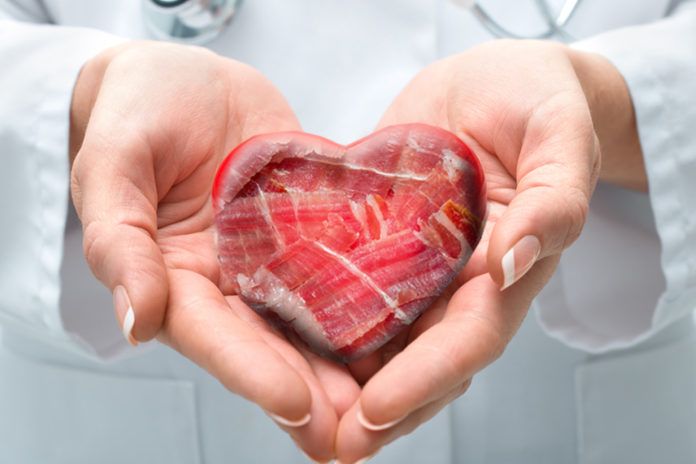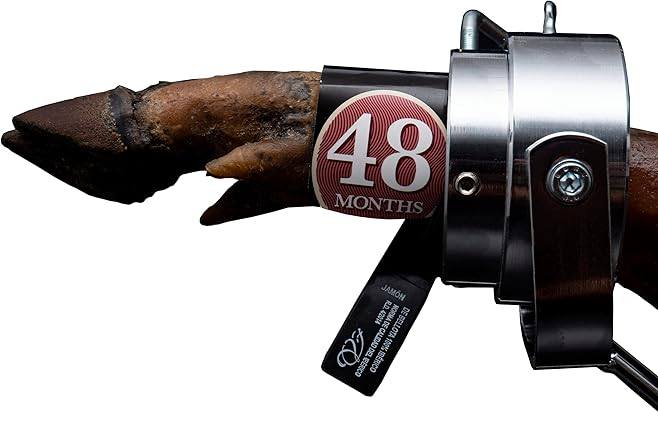
When selecting a premium Spanish cured meat, the finest connoisseurs know that flavour alone is never enough. True gourmet discernment means weighing the full picture: provenance, artisanal craft, and genuine nutritional value. Iberico ham, the prized jewel of Spanish charcuterie, is celebrated for its extraordinary depth of flavour, but its health credentials are equally compelling. From its remarkable fat profile to its bioactive peptides, this is a cured meat that rewards closer inspection. This guide breaks down the nutritional benefits of Iberico ham, balances the risks honestly, and helps you enjoy it with the informed appreciation it deserves.
Table of Contents
- What makes Iberico ham unique?
- Top nutritional benefits of Iberico ham
- Potential risks and considerations
- How to include Iberico ham in a balanced diet
- A discerning take: quality over quantity with cured meats
- Experience gourmet health: sourcing premium Iberico ham
- Frequently asked questions
Key Takeaways
| Point | Details |
|---|---|
| Bioactive peptides | Iberico ham’s curing process creates peptides that may support blood pressure and antioxidant activity. |
| Heart-healthy fats | It boasts a high proportion of monounsaturated fats, especially oleic acid, linked to positive cardiovascular effects. |
| Consider sodium | Sodium levels are significant, so enjoy in moderation for balanced nutrition. |
| Gourmet with benefits | True Iberico ham delivers both exceptional flavour and targeted nutritional advantages over standard cured meats. |
What makes Iberico ham unique?
Not all cured meats are created equal, and Iberico ham occupies a category entirely its own. The foundation lies in the Iberian pig, a breed with a genetic predisposition to infiltrate fat into muscle tissue. This is not the bland marbling of industrial pork. It is rich, complex, and deeply flavourful. When these pigs roam free-range across the dehesa (the traditional Spanish oak woodland pasture) and feed on acorns during the montanera season, their fat composition shifts dramatically towards oleic acid, the same monounsaturated fat found in olive oil.
The unique Iberico flavour that connoisseurs prize is inseparable from this biology. Acorn feeding elevates oleic acid content and introduces natural antioxidants, including vitamin E and polyphenols, directly into the fat. These compounds persist through the curing process and contribute to the ham’s remarkable shelf stability and nutritional character.
The artisanal curing process itself is equally significant. Hams are dry-salted, then hung in natural dryers for extended periods, often 36 to over 64 months for the finest Pata Negra. This slow maturation is not merely a flavour strategy. Research confirms that bioactive peptides form during curing, with antioxidant, antihypertensive, and antidiabetic activities.
“The curing process generates bioactive peptides with antioxidant, antihypertensive, antidiabetic activities, enhanced by extended maturation.”
The Iberian pig breeds used for authentic Pata Negra are central to this profile. Key distinguishing features include:
- High monounsaturated fat content, particularly oleic acid, from acorn feeding
- Natural antioxidants (vitamin E, polyphenols) absorbed through the diet
- Bioactive peptides generated during extended dry-curing
- Intense, complex flavour compounds developed through slow enzymatic breakdown of proteins and fats
- Firm yet yielding texture, a direct result of prolonged maturation in natural conditions
Top nutritional benefits of Iberico ham
The heritage and craft behind Iberico ham translate into a genuinely impressive nutritional profile. Here is what 100g of premium acorn-fed Iberico ham typically delivers:
| Nutrient | Per 100g (approx.) |
|---|---|
| Calories | 375 kcal |
| Protein | 28g |
| Total fat | 28g |
| Monounsaturated fat | 18g |
| Saturated fat | 7g |
| Sodium | 1,400mg |
| Iron | 2.5mg |
| Zinc | 3.5mg |
| Vitamin B1 (Thiamine) | 0.7mg |
| Vitamin B12 | 1.2mcg |
The role of fat in Iberico ham is central to its nutritional story. Oleic acid, which comprises the majority of its fat content, is associated with reduced LDL cholesterol and improved cardiovascular markers. This is the same fatty acid that makes the Mediterranean diet so widely respected.
Beyond fat, the bioactive peptides enhanced by maturation are a standout feature. These small protein fragments act as natural inhibitors of enzymes linked to high blood pressure and oxidative stress.
The top nutritional advantages, in order of significance for gourmet health enthusiasts:
- Oleic acid abundance supporting heart health and cholesterol balance
- Bioactive peptides with antihypertensive and antioxidant properties
- B vitamins (particularly B1 and B12) supporting energy metabolism and nerve function
- Iron and zinc contributing to immune function and oxygen transport
- High-quality complete protein providing all essential amino acids
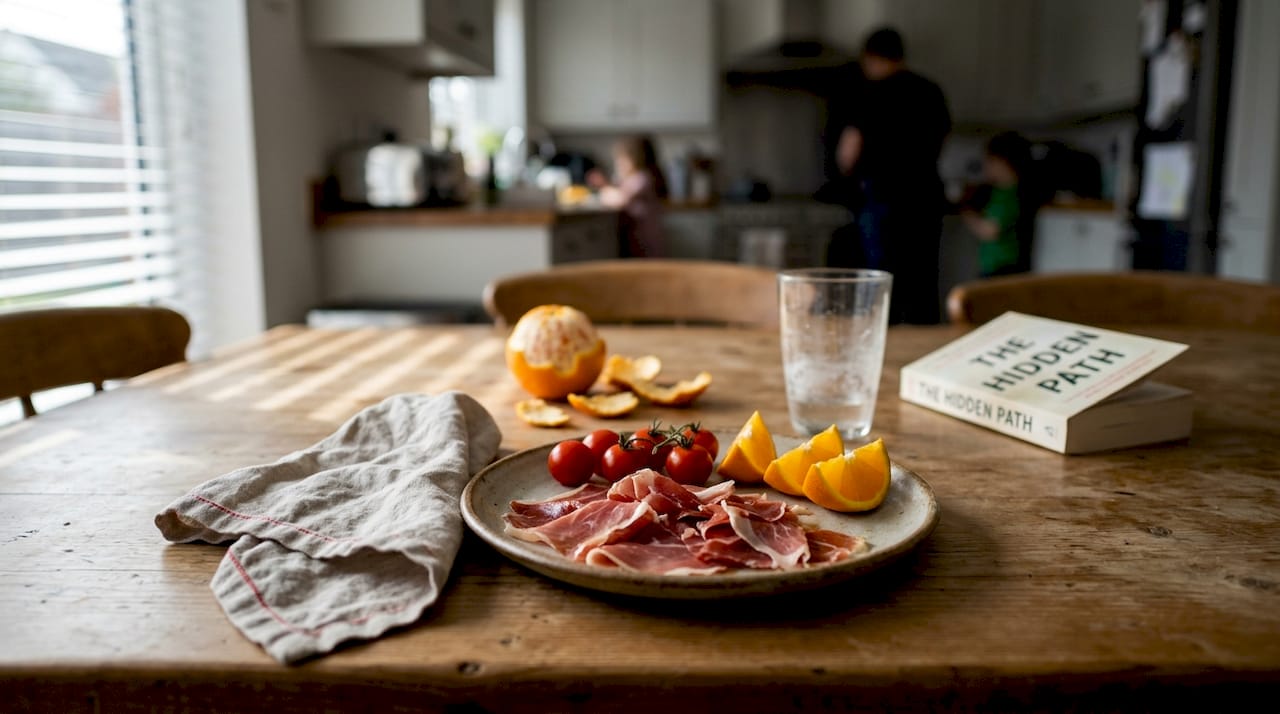
Pro Tip: Pair Iberico ham with a small glass of freshly squeezed orange juice or a handful of cherry tomatoes. Vitamin C significantly enhances non-haem iron absorption, helping you extract more nutritional value from each carefully sliced portion.
Potential risks and considerations
Iberico ham offers impressive nutritional credentials, but it is essential to consider any health risks associated with cured meats. Honesty is part of genuine gourmet knowledge.
Sodium is the primary concern. Iberico ham contains sodium levels between 1,200 and 3,800mg per 100g, depending on the producer and curing method. The NHS recommends no more than 2,300mg of sodium per day for adults. A generous serving of Iberico ham can approach or exceed that threshold on its own.
Nitrites and nitrates, used in some curing processes to prevent bacterial growth and preserve colour, are also worth noting. The IARC (International Agency for Research on Cancer) classifies processed meats as Group 1 carcinogens, meaning there is sufficient evidence of a link to colorectal cancer at high consumption levels. It is important to contextualise this: the risk applies to regular, high-volume consumption, not occasional gourmet enjoyment.
How does Iberico ham compare to other cured meats?
| Factor | Iberico ham (Pata Negra) | Serrano ham | Standard cured meats |
|---|---|---|---|
| Fat quality | High monounsaturated | Moderate monounsaturated | Variable, often higher saturated |
| Bioactive peptides | High (long curing) | Moderate | Low |
| Sodium (mg/100g) | 1,200 to 2,500 | 1,500 to 3,000 | 1,800 to 3,800 |
| Additives | Minimal in artisanal | Some | Often higher |
For a fuller Iberico vs Serrano comparison, the differences in curing time and fat quality are particularly striking.
Those who should exercise particular caution include:
- Individuals with hypertension or kidney disease, due to high sodium
- Pregnant women, who are advised to limit processed and cured meats
- Those on sodium-restricted diets prescribed by a clinician
- People with a strong family history of colorectal cancer
For most healthy adults, moderate and mindful consumption carries minimal risk and genuine pleasure.
How to include Iberico ham in a balanced diet
With both health benefits and risks in mind, how can you make Iberico ham part of a healthy diet? The answer lies in portion discipline and intelligent pairing.
A typical gourmet serving of 30 to 50 grams is ideal. At this quantity, you capture the full sensory and nutritional reward without overloading on sodium. Consuming Iberico ham two to three times per week, rather than daily, is a sensible rhythm for most enthusiasts. As health effects are optimised when consumed in moderation as part of a varied diet, variety remains key.
Four creative serving ideas that enhance both nutrition and taste:
- Draped over roasted asparagus with a squeeze of lemon, adding fibre and vitamin C to complement the ham’s iron content
- Paired with sliced figs and rocket for a salad that balances the ham’s richness with antioxidant-rich leaves and natural sugars
- Served alongside a small board of walnuts and almonds, whose additional monounsaturated fats and magnesium create a genuinely heart-friendly platter
- Layered on sourdough with avocado, combining oleic acid from both the ham and the avocado for a flavour-forward, nutritionally coherent meal
Pro Tip: Avoid pairing Iberico ham with high-sodium accompaniments such as aged hard cheeses or salted crackers in the same sitting. This keeps your overall sodium intake in check without sacrificing the pleasure of the experience.
For further guidance on selecting the right product, the Iberico ham buying tips available from trusted sources are well worth consulting before your next purchase.
A discerning take: quality over quantity with cured meats
Conventional nutritional wisdom tends to lump all cured meats together, treating them as a uniform risk category. This is an oversimplification that does a disservice to artisanal producers and informed consumers alike.
Acorn-fed Pata Negra, hung for 48 months or more in natural conditions, is a fundamentally different product from a factory-processed deli slice. Its fat profile, its bioactive peptide content, its minimal additive load: these are not marketing claims. They are measurable distinctions.
The broader lesson for thoughtful food lovers is this: the question is rarely whether to eat something, but how, how much, and from where. Choosing Iberico ham from producers who respect traditional methods and provenance matters for Iberico is a decision that honours both your palate and your wellbeing.
True gourmet enjoyment is not about excess. It is about selecting fewer, finer things and savouring them with full awareness. Iberico ham, consumed with intention, is a genuine example of healthy indulgence done properly.
Experience gourmet health: sourcing premium Iberico ham
If you are inspired to explore the gourmet benefits of Iberico ham for yourself, the next step is sourcing quality you can trust. Nutritional integrity begins with provenance: acorn-fed pigs, artisanal curing, and extended maturation in natural conditions.
At 7 Bellotas, every ham is selected from small-scale Spanish producers who honour traditional methods. From 36-month cured slices to extraordinary 64-month Pata Negra whole legs, the range is curated for connoisseurs who refuse to compromise. Explore the full selection and bring authentic Spanish gourmet quality directly to your table.
Frequently asked questions
Is Iberico ham healthier than other cured meats?
Iberico ham typically offers a superior fat profile, with higher oleic acid content and unique bioactive peptides from curing, but its sodium and nitrate content means moderation remains important.
Can Iberico ham be part of a heart-healthy diet?
Its high oleic acid content may support cardiovascular health when eaten sensibly, as oleic acid benefits are well documented, particularly alongside a diet rich in vegetables and whole foods.
What is the recommended serving size for Iberico ham?
A gourmet serving of 30 to 50 grams strikes the ideal balance between flavour, nutritional benefit, and sodium management for most healthy adults.
Are the health risks of nitrites and nitrates proven?
The evidence is mixed; while processed meats carry cancer risk at high intake levels according to IARC, artisanal Iberico ham typically contains lower additive levels than most standard processed meats, and occasional consumption poses minimal risk for healthy individuals.