Selecting authentic traditional Spanish ham can feel overwhelming given the variety of types, quality grades, and regional designations available. Gourmet enthusiasts seeking genuine flavour and artisanal craftsmanship need clarity on what distinguishes truly exceptional hams from ordinary offerings. This article explores notable examples of traditional Spanish hams, including prized Iberico and Serrano varieties, and reveals the characteristics that set them apart. You will gain practical knowledge to confidently choose hams that deliver authentic taste, superior texture, and the rich heritage of Spanish curing traditions. By understanding key distinctions in breed, diet, curing duration, and regional provenance, you can make informed decisions that elevate your culinary experiences.
Table of Contents
- Key takeaways
- Understanding traditional Spanish ham: classification and characteristics
- Jamón Ibérico: the crown jewel of Spanish cured hams
- Jamón Serrano: Spain’s beloved mountain-cured ham
- Comparing traditional Spanish hams: key differences at a glance
- Choosing the right Spanish ham for your gourmet experience
- Discover authentic Spanish hams at 7 BELLOTAS®
- Frequently asked questions
Key Takeaways
| Point | Details |
|---|---|
| Classification and breeds | Traditional Spanish hams are classified by pig breed, diet and production methods, with Iberico and Serrano forming the key categories. |
| Acorn fed hams | Acorn fed Iberico hams, labelled Bellota, deliver nutty flavours and rich marbling due to the montanera diet. |
| Curing duration matters | Longer curing ranges from 24 to 48 months, with some examples beyond 64 months, developing deeper flavours and tender textures. |
| Regional origin and seals | Knowing regional provenance helps identify authentic hams, while official seals and colour coded tags confirm quality levels. |
Understanding traditional Spanish ham: classification and characteristics
Traditional Spanish hams follow a rigorous classification system based on pig breed, diet, and production methods. Detailed classifications distinguish Iberico ham by pig breed, diet, and curing method, providing transparency for discerning buyers. The most prestigious category features pure or crossbred Iberico pigs, whilst Serrano hams typically come from white pig breeds such as Landrace, Duroc, or Large White. This breed distinction forms the foundation of quality assessment and flavour expectations.
Dietary factors profoundly influence the final product’s characteristics. Acorn-fed hams, labelled as Bellota, come from pigs that roam oak forests during the montanera season, consuming acorns and natural grasses. This diet creates distinctive nutty aromas and enhances fat quality, producing the signature marbling that gourmets prize. Grain-fed varieties offer different flavour profiles, typically less complex but still authentic when properly cured.
Curing duration represents another critical classification element. Premium Iberico hams age between 24 and 48 months, with some exceptional examples exceeding 64 months. Longer curing periods allow enzymes to break down proteins and fats, developing deeper flavours and more tender textures. Purity of breed and curing play crucial roles in authentic Spanish ham quality, ensuring consistency and traditional character.
Key classification factors include:
- Breed purity percentages, with 100% Iberico representing the highest grade
- Feeding regime designations such as Bellota, Cebo de Campo, and Cebo
- Geographical origin markers indicating traditional production regions
- Minimum curing periods established by regulatory bodies
- Fat infiltration levels that affect texture and flavour intensity
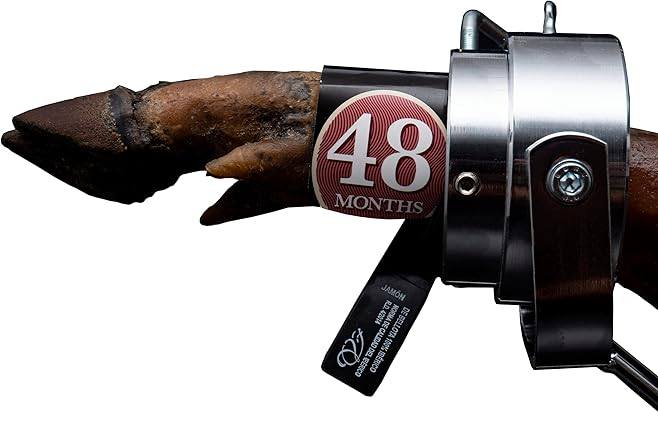
Pro Tip: Look for official seals and colour-coded tags on whole hams. Black tags indicate 100% Iberico Bellota, the premium category, whilst red, green, and white tags denote other quality levels within the classification system.
Jamón Ibérico: the crown jewel of Spanish cured hams
Jamón Ibérico stands as Spain’s most prestigious cured meat, produced exclusively from black Iberian pigs native to the southwestern regions. These pigs possess unique genetic traits that enable exceptional fat infiltration, creating the distinctive marbling that characterises premium Iberico ham. The breed’s ability to accumulate intramuscular fat during the montanera season, when pigs roam freely in dehesa woodlands, produces unmatched richness and complexity.
Iberico ham’s nutty flavour and marbled texture result from acorn-fed black Iberian pigs, creating a sensory experience that distinguishes it from all other cured meats. The acorn diet contributes oleic acid, the same healthy fat found in olive oil, which remains liquid at room temperature and melts on the palate. This creates a silky mouthfeel and allows the ham’s complex flavours to unfold gradually, revealing layers of sweetness, nuttiness, and savoury depth.
Curing periods for premium Iberico hams extend from 24 months to over 48 months, with master curers monitoring temperature, humidity, and airflow throughout the process. Extended ageing allows natural enzymatic breakdown of proteins and fats, intensifying flavours whilst developing the characteristic tender texture. The ham’s exterior develops a protective mould layer during curing, contributing additional complexity to the final flavour profile.
Regional varieties showcase subtle differences based on local microclimates and traditional practices. Jabugo hams from Huelva province benefit from Atlantic influences, whilst Dehesa de Extremadura hams develop in continental conditions. Guijuelo in Salamanca province produces hams with distinctive characteristics shaped by high-altitude curing environments. Each region maintains centuries-old techniques passed down through generations of master curers.
Top Iberico ham producers maintain traditional curing methods and regional heritage, ensuring authenticity and consistent quality. These producers often operate family-run facilities where expertise spans multiple generations, combining traditional knowledge with modern quality controls.
Distinguishing features of premium Jamón Ibérico include:
- Deep red to purple flesh colour indicating high myoglobin content
- Extensive white fat veining throughout the muscle tissue
- Glossy fat appearance that remains soft at room temperature
- Complex aroma combining nuts, forest floor, and subtle sweetness
- Tender texture that requires minimal chewing effort
Pro Tip: When selecting Iberico ham, examine the fat quality closely. Premium Bellota ham displays bright white to slightly yellow fat with a glossy sheen, whilst the aroma should be clean, sweet, and inviting without any rancid or overly pungent notes.
Jamón Serrano: Spain’s beloved mountain-cured ham
Jamón Serrano represents Spain’s most widely produced traditional ham, crafted primarily from white pig breeds including Landrace, Duroc, and Large White. Serrano ham is typically made from white pig breeds cured for 12 to 18 months, creating a distinct product with its own loyal following among gourmets and everyday consumers alike. The name Serrano derives from sierra, meaning mountain range, referencing the traditional practice of curing these hams in cool mountain climates.
Production methods for Serrano ham follow time-honoured techniques adapted to white pig characteristics. After slaughter, hams are salted and pressed to remove moisture, then hung in temperature-controlled facilities that replicate mountain conditions. The curing environment maintains specific humidity and temperature ranges that promote gradual moisture loss whilst preventing spoilage. Natural air circulation plays a vital role, allowing the ham to develop its characteristic firm texture and clean flavour profile.
The flavour profile of Serrano ham differs markedly from Iberico varieties. Serrano offers a straightforward, savoury taste with pleasant saltiness and subtle sweetness, without the intense nuttiness or complexity of acorn-fed Iberico. The texture remains firmer and less marbled, as white pig breeds lack the genetic capacity for extensive intramuscular fat infiltration. This creates a different eating experience, with more resistance when sliced and a cleaner finish on the palate.
Iberico and Serrano hams differ notably in curing length, breed, and flavour, making them complementary rather than competing products. Serrano’s shorter curing period and different breed characteristics result in more accessible pricing, making it an excellent choice for everyday enjoyment and culinary applications where subtle ham flavour is desired.
Serrano ham’s versatility makes it popular for various uses:
- Tapas presentations paired with cheese, olives, and bread
- Cooking applications where ham adds savoury depth without overwhelming other ingredients
- Casual entertaining where generous portions are desired
- Introduction to Spanish cured meats for those new to the category
- Daily consumption as part of traditional Spanish breakfast or lunch
The quality spectrum within Serrano ham varies considerably based on curing duration, pig diet, and production standards. Premium Serrano hams aged for 18 months or longer develop more complex flavours and improved texture compared to minimum-cured examples. Some producers implement traditional methods with extended natural curing, whilst others use accelerated industrial processes. Discerning buyers should seek Serrano hams from reputable producers who maintain quality standards and transparent production information.
Comparing traditional Spanish hams: key differences at a glance
Understanding the distinctions between traditional Spanish ham varieties helps you select the right product for your preferences and occasions. Distinct curing times, pig breeds, and diets create notable contrasts in traditional Spanish hams, affecting everything from texture and flavour to price and availability. A comprehensive comparison reveals how these factors interact to produce each ham’s unique characteristics.
| Characteristic | Jamón Ibérico Bellota | Jamón Ibérico Cebo | Jamón Serrano Premium | Jamón Serrano Standard |
|---|---|---|---|---|
| Pig breed | 50-100% Iberico | 50-100% Iberico | White breeds | White breeds |
| Diet | Acorns and grass | Grain-based feed | Grain-based feed | Grain-based feed |
| Curing period | 24-48+ months | 24-36 months | 15-18 months | 12-15 months |
| Fat marbling | Extensive | Moderate | Minimal | Minimal |
| Texture | Very tender | Tender | Firm | Firm |
| Flavour profile | Complex, nutty, sweet | Savoury, mild nuttiness | Clean, savoury | Simple, salty |
| Aroma | Intense, forest notes | Moderate intensity | Subtle | Mild |
| Fat quality | Oleic-acid rich, melts easily | Standard pork fat | Standard pork fat | Standard pork fat |
| Price range | Premium | Mid to high | Moderate | Accessible |
| Best uses | Special occasions, tasting | Regular gourmet use | Entertaining, tapas | Daily consumption |
The table illustrates how breed, diet, and curing duration create a spectrum of quality and characteristics within traditional Spanish hams. Bellota designation represents the pinnacle, where acorn feeding and extended curing combine with superior genetics to produce exceptional results. Cebo varieties offer authentic Iberico character at more accessible price points, whilst Serrano hams provide excellent value for everyday enjoyment and versatile culinary applications.
Fat composition differences prove particularly significant. Iberico pigs fed on acorns develop fat rich in oleic acid, creating the signature melting quality and health benefits associated with premium ham. This fat remains liquid at room temperature, contributing to the silky mouthfeel that gourmets prize. White pig breeds produce standard pork fat with different fatty acid profiles, resulting in firmer fat that provides structure but less sensory complexity.
Curing duration impacts not only flavour development but also texture evolution. Extended ageing allows proteolytic enzymes to break down muscle proteins gradually, creating increasingly tender texture and concentrated flavours. Shorter curing periods preserve firmer texture and milder taste profiles, which some consumers prefer for specific applications. The choice between longer and shorter cured hams depends on personal preference and intended use rather than objective quality alone.
Choosing the right Spanish ham for your gourmet experience
Selecting the ideal traditional Spanish ham requires balancing several factors including flavour preference, budget considerations, and intended use. Your choice should reflect both your palate preferences and the occasion, as different ham varieties excel in specific contexts. Understanding these factors empowers you to make confident decisions that maximise enjoyment and value.
Flavour intensity represents the primary consideration for most gourmets. Bellota Iberico ham delivers maximum complexity with pronounced nutty notes, whilst Serrano offers cleaner, more straightforward savoury character. If you appreciate subtle, nuanced flavours that evolve on the palate, invest in premium Iberico varieties. For those who prefer direct, uncomplicated taste profiles, quality Serrano ham provides excellent satisfaction without overwhelming complexity.
Budget considerations naturally influence selection, but quality exists at multiple price points. Premium Bellota Iberico commands high prices reflecting production costs, breed rarity, and extended curing. Mid-range Iberico Cebo varieties offer authentic breed characteristics at more accessible prices. Quality Serrano hams provide genuine traditional flavour for everyday enjoyment. Determine your budget first, then seek the highest quality within that range rather than compromising on authenticity.
Occasion and serving context should guide your selection:
- Special celebrations and formal tastings warrant premium Bellota Iberico to showcase Spanish curing at its finest
- Regular entertaining benefits from mid-range Iberico or premium Serrano offering quality without excessive cost
- Casual gatherings and tapas parties suit generous portions of quality Serrano ham
- Cooking applications work best with Serrano, preserving expensive Iberico for direct consumption
- Gift-giving occasions call for premium Iberico to demonstrate thoughtfulness and sophistication
Storage capabilities and consumption timeline affect practical choices. Whole bone-in hams require proper storage conditions, regular slicing, and consistent consumption over weeks. Vacuum-packed sliced portions offer convenience and extended shelf life, ideal for occasional enjoyment. Consider your storage facilities and consumption patterns when deciding between whole hams and pre-sliced options.
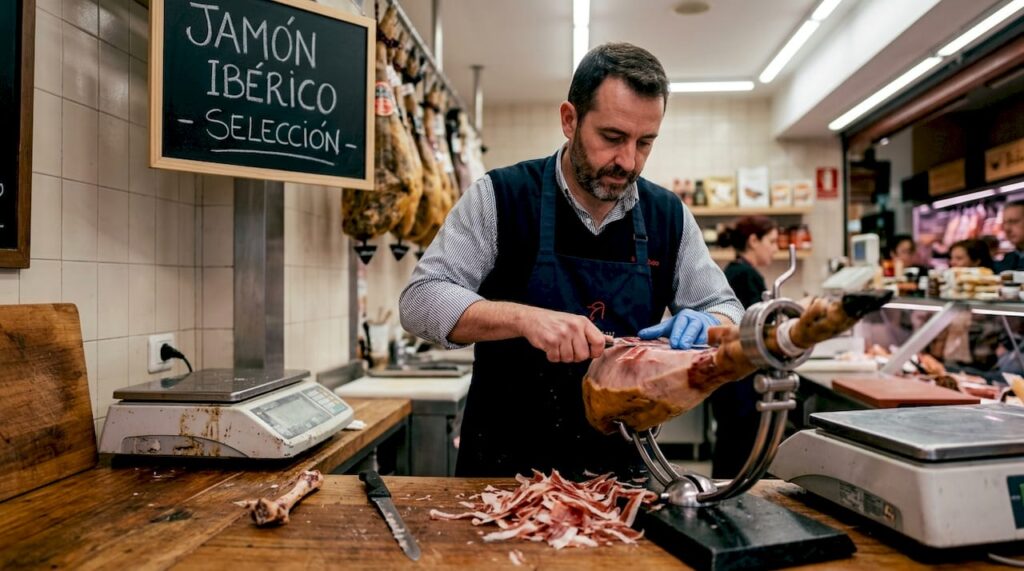
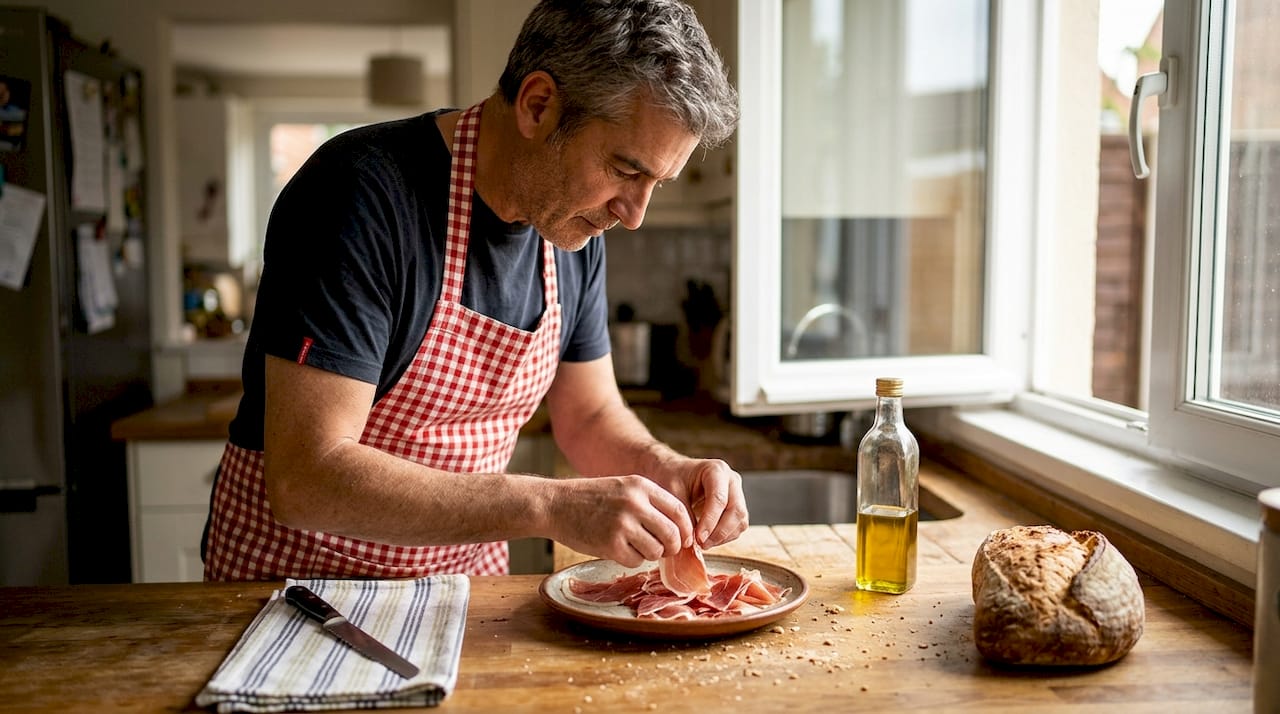
Serving and pairing influence the enjoyment of Iberico and Serrano hams, making presentation and accompaniment choices as important as the ham itself. Serve ham at room temperature to allow fats to soften and flavours to fully express themselves. Slice thinly using a sharp knife, cutting across the grain to maximise tenderness. Arrange slices on a plate shortly before serving to prevent drying.
Pro Tip: Purchase a small quantity of different ham varieties to conduct a personal tasting comparison. This investment in education helps you identify your preferences and ensures future purchases align with your palate, preventing expensive mistakes and building confidence in your selections.
Discover authentic Spanish hams at 7 BELLOTAS®
Exploring traditional Spanish hams becomes effortless when you have access to expertly curated selections from trusted sources. 7 BELLOTAS® specialises in authentic Iberico and Serrano hams sourced directly from renowned Spanish producers who maintain centuries-old traditions. Each product undergoes rigorous quality assessment to ensure it meets the standards that discerning gourmets expect.
The 7 BELLOTAS® collection features premium acorn-fed Iberico hams aged for extended periods, delivering the complex flavours and tender textures that define Spain’s finest cured meats. Whether you seek a whole bone-in ham for traditional carving or convenient vacuum-packed slices for immediate enjoyment, the selection caters to various preferences and occasions. Detailed product descriptions provide transparency about breed purity, feeding regimes, and curing durations, empowering you to make informed choices.
Secure online purchasing makes acquiring authentic Spanish ham straightforward, with products shipped directly from Spain to preserve freshness and quality. Expert guidance and comprehensive information support your selection process, ensuring you find the perfect ham for your culinary adventures. Discover the range today and elevate your gourmet experiences with genuine traditional Spanish hams.
Frequently asked questions
What are the most traditional types of Spanish ham?
Jamón Ibérico and Jamón Serrano represent the two primary traditional Spanish ham categories, each with distinct characteristics. Iberico comes from black Iberian pigs and features rich marbling, whilst Serrano uses white pig breeds and offers firmer texture. Regional varieties within these categories showcase local production methods and microclimates. Understanding Spanish ham classification helps identify authentic traditional examples.
How does acorn feeding affect the flavour of Iberico ham?
Acorn feeding imparts a sweeter, nuttier flavour and enhances fat marbling in Iberico ham, creating the signature characteristics that gourmets prize. The acorns contribute oleic acid to the fat, producing a silky texture that melts at room temperature. This diet also adds complex aromatic compounds that develop further during the extended curing process. Bellota designation guarantees this premium feeding regime.
What are the typical curing times for Iberico and Serrano hams?
Iberico hams cure between 24 and 48 months, whilst Serrano hams cure typically for 12 to 18 months, creating fundamental differences in flavour and texture. Extended curing allows enzymes to break down proteins and concentrate flavours, producing the tender texture and complexity of premium Iberico. Shorter Serrano curing maintains firmer texture with cleaner taste profiles. Some exceptional Iberico hams exceed 64 months of ageing for ultimate refinement.
How should I serve and store traditional Spanish ham to preserve quality?
Serving Iberico ham at 20 to 24°C enhances flavour, and proper slicing maximises enjoyment by ensuring thin, consistent cuts across the grain. Store whole hams in cool, dry conditions wrapped in breathable cloth to maintain texture and prevent excessive drying. Vacuum-packed slices keep refrigerated until shortly before serving, then brought to room temperature. Consume opened portions within several days for optimal freshness and flavour.