Appreciating the nuanced flavour and texture of authentic Iberico ham requires more than simply slicing and eating. Many gourmet enthusiasts struggle to fully experience the complex characteristics that distinguish premium Pata Negra from ordinary cured meats. This guide walks you through a detailed, step-by-step tasting process covering visual inspection, olfactory evaluation, and proper tasting technique. By mastering these authentic methods, you’ll unlock the full sensory potential of Spain’s most celebrated delicacy and develop the discerning palate of a true connoisseur.
Table of Contents
- Preparing For Your Iberico Ham Tasting: What You Need And Why It Matters
- Step 1: Visual Assessment For First Quality Indicators
- Step 2: Olfactory Evaluation And Aroma Analysis
- Step 3: Tasting Technique To Appreciate Flavour And Texture
- Final Verification: Confirming Iberico Ham Quality And Authenticity
- Explore Authentic Iberico Ham At 7 Bellotas
- FAQ
Key takeaways
| Point | Details |
|---|---|
| Visual inspection highlights cherry red colour and fine white marbling | Vibrant cherry red hue and delicate intramuscular fat patterns signal quality feeding and proper curing. |
| Olfactory evaluation using ‘cala’ puncture and aroma analysis indicates curing quality | Traditional piercing methods and modern VOC markers like 3-methylbutanal confirm optimal curing stages. |
| Proper slicing thickness and temperature critical for flavour and texture | Serving at 20-24 °C with thin, even slices ensures fat melts properly and prevents chewiness. |
| Hand-cut slices superior to machine due to fat melting and chewiness | Manual cutting produces thinner, more uniform pieces that enhance mouthfeel and flavour release. |
| Stepwise tasting maximises sensory appreciation | Engaging sight, smell, and taste sequentially builds comprehensive understanding of ham quality. |
Preparing for your Iberico ham tasting: what you need and why it matters
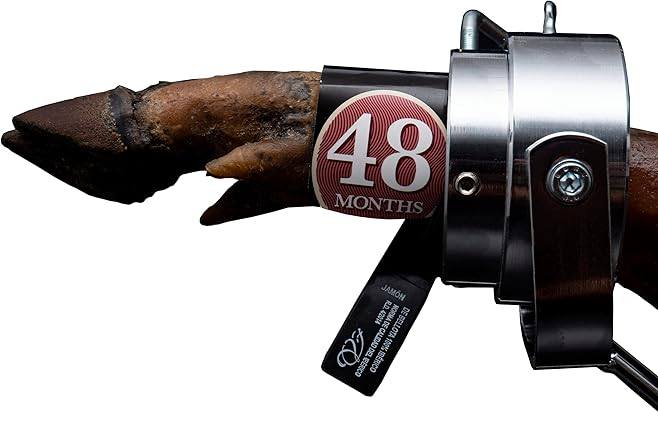
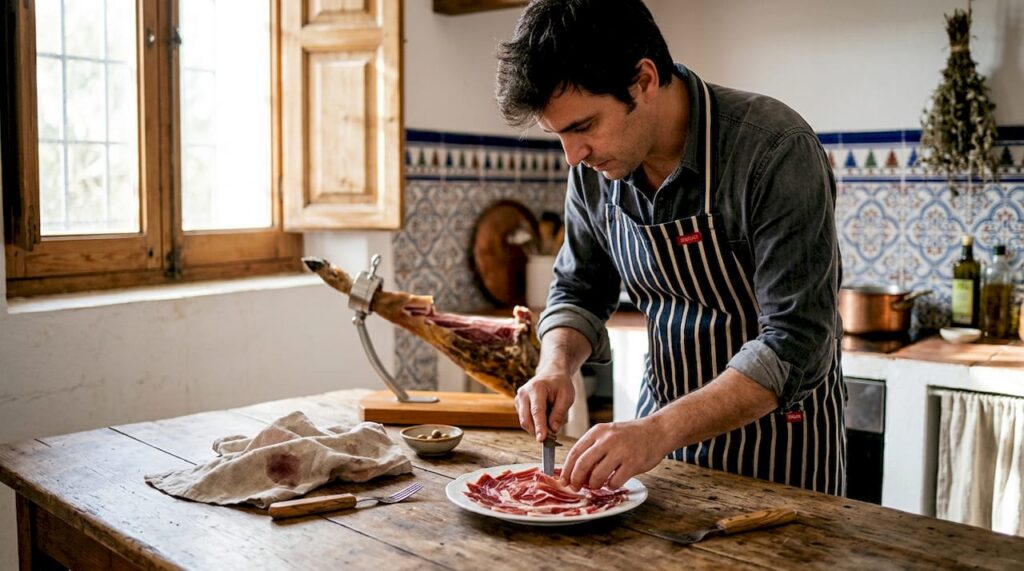
Before you begin evaluating Iberico ham, assembling the right tools and creating optimal conditions makes the difference between a mediocre experience and a revelatory one. You’ll need a sharp, long-bladed knife specifically designed for ham carving, a sturdy ham holder to secure the piece, and proper lighting to assess visual characteristics accurately. The environment should be calm and free from competing aromas that might interfere with olfactory evaluation.
Slice thickness matters enormously. Aim for translucent, paper-thin slices no thicker than 1-2 millimetres. Thick cuts prevent the intramuscular fat from melting on your tongue, resulting in a chewy texture that masks the ham’s delicate flavour profile. Hand-cut slices superior to machine because manual cutting allows for precise thickness control and preserves the fat’s integrity. Machine slicing often produces uneven pieces that compromise the tasting experience.
Temperature control is equally critical. Iberico ham must be served between 20 and 24 degrees Celsius. At this range, the fat reaches its ideal melting point, releasing aromatic compounds and coating your palate with rich, nutty flavours. Cold ham straight from refrigeration feels waxy and fails to deliver its full sensory potential. Remove slices from cold storage at least 30 minutes before tasting, allowing them to reach room temperature naturally.
Essential preparation checklist:
- Quality carving knife with flexible, narrow blade
- Stable ham holder or clamp
- Clean, neutral tasting environment
- Room temperature serving area (20-24 °C)
- Proper lighting for visual inspection
- Plain water and neutral crackers for palate cleansing
Pro Tip: If your slices feel slightly cool to touch, warm them gently between your palms for 10-15 seconds before tasting. This subtle temperature boost activates the fat and intensifies aroma release without compromising texture.
For comprehensive guidance on achieving perfect cuts every time, explore our detailed Ibérico ham carving guide. Understanding proper knife angles and cutting patterns ensures consistent results across different ham sections. Additionally, our serving Ibérico ham guide covers presentation techniques that enhance both visual appeal and tasting conditions.
| Preparation element | Optimal specification | Impact on tasting |
|---|---|---|
| Slice thickness | 1-2 mm translucent | Enables proper fat melting and flavour release |
| Serving temperature | 20-24 °C | Activates aromatic compounds and ideal mouthfeel |
| Cutting method | Hand-cut with sharp blade | Preserves fat structure and ensures even thickness |
| Environment | Neutral aromas, good lighting | Allows accurate sensory evaluation |
Step 1: visual assessment for first quality indicators
Your first interaction with Iberico ham should engage your eyes. Visual inspection reveals immediate quality markers that predict flavour and authenticity before you smell or taste anything. Hold a slice up to natural or bright artificial light, examining it from multiple angles to assess colour saturation and fat distribution.
Authentic, well-cured Iberico ham displays a vibrant cherry red colour and fine white marbling throughout the muscle tissue. This distinctive hue results from the combination of acorn-rich diet, extended curing periods, and proper oxidation during maturation. The intramuscular fat appears as delicate white streaks running through the red meat, creating a marbled pattern that signals superior genetics and feeding practices. This marbling, known as infiltration, directly correlates with tenderness and flavour intensity.
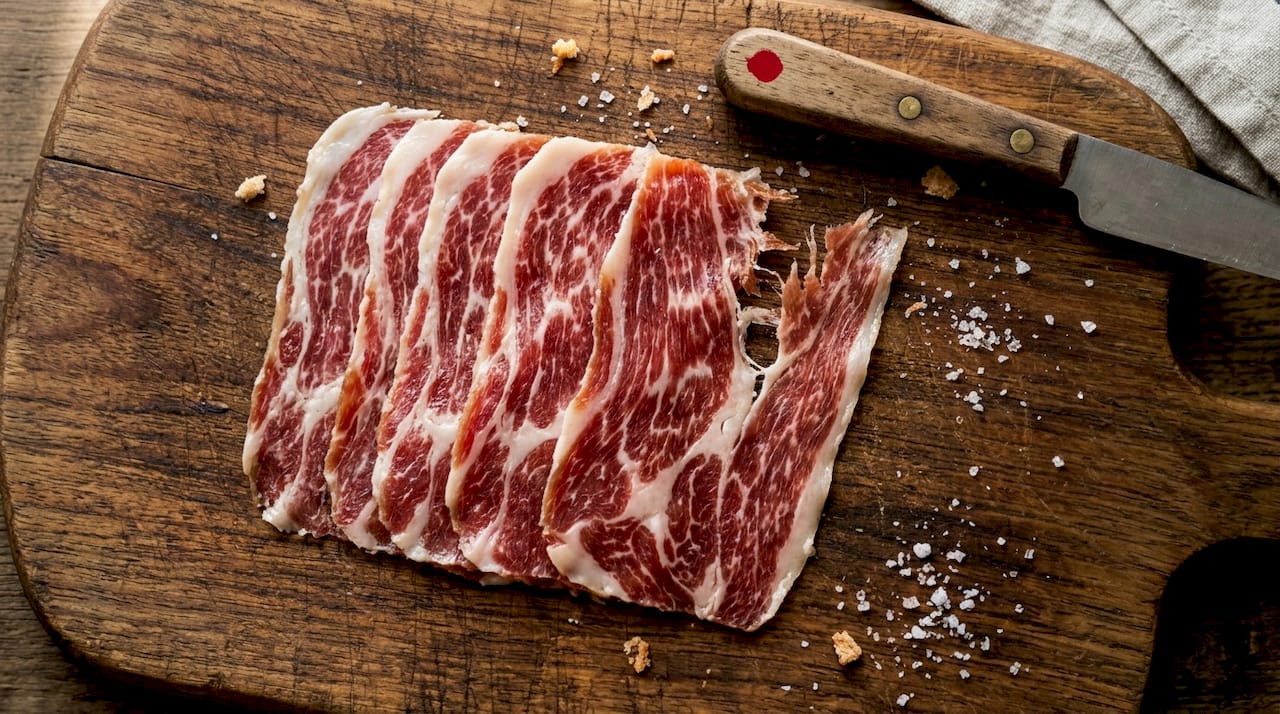
Beware of dull, brownish, or greyish tones, which suggest oxidation issues, improper storage, or inferior curing methods. Similarly, excessive yellowing in the fat indicates rancidity or extended exposure to light and air. The fat should appear pristine white or very slightly ivory, never deep yellow or translucent. Uneven colouring across a single slice often points to inconsistent curing or mixed-quality source material.
Visual inspection establishes your baseline expectations before engaging other senses. A slice that passes this initial test merits deeper evaluation through smell and taste. Conversely, visual red flags should prompt caution, as they often predict disappointing flavour profiles and texture issues. For systematic quality verification across multiple criteria, consult our comprehensive Ibérico ham quality checklist.
Visual hallmarks of authentic Iberico ham quality:
- Deep cherry red to burgundy colour throughout muscle tissue
- Fine, evenly distributed white marbling (intramuscular fat)
- Pristine white or slightly ivory fat with no yellowing
- Consistent colour across the entire slice
- Slight translucency when held to light
- Clean edges without ragged tearing or bruising
Step 2: olfactory evaluation and aroma analysis
After visual confirmation, your nose becomes the next critical evaluation tool. Professional ham masters and industry experts rely on olfactory assessment to judge curing progress and detect quality issues invisible to the eye. The traditional method, known as ‘cala’, involves piercing the ham with a thin bone or metal probe, then immediately smelling the tool to evaluate internal aromas.
For sliced ham, bring the piece close to your nose and inhale deeply, noting the intensity and character of the aroma. High-quality Iberico ham releases complex scent profiles combining nutty, sweet, and slightly funky notes. You might detect hints of dried fruit, toasted nuts, forest floor, and subtle umami undertones. These aromatic compounds develop during extended curing as proteins and fats break down through enzymatic action and beneficial microbial activity.
Scientific research has identified specific volatile organic compounds that serve as objective quality markers. VOC markers like 3-methylbutanal indicate the end of post-salting phases and proper curing progression. This aldehyde compound contributes to the characteristic aroma profile of well-matured ham. Other important VOCs include various esters, ketones, and additional aldehydes that collectively create the complex bouquet distinguishing premium Iberico from lesser products.
Olfactory evaluation process:
- Hold slice 2-3 centimetres from your nose
- Inhale slowly and deeply through your nostrils
- Note initial aroma intensity and dominant characteristics
- Wait 10 seconds, then smell again for secondary notes
- Compare aroma to your visual assessment for consistency
- Record impressions before tasting to avoid sensory overlap
Industry professionals trust olfactory methods because aroma compounds directly reflect curing chemistry. The nose detects quality nuances that visual inspection alone cannot reveal, making smell an indispensable evaluation step.
Off-putting odours like ammonia, sourness, or rancid fat signal serious quality problems. Ammonia scents suggest bacterial contamination or improper curing conditions. Sour notes indicate unwanted microbial activity or premature spoilage. Rancid fat smells point to oxidation from excessive age, poor storage, or low-quality source material. Any of these warning signs should prompt rejection of the ham regardless of visual appearance.
For additional insights into developing your olfactory skills and recognising quality markers, explore our Iberico ham tasting tips. Building aroma recognition takes practice, but systematic evaluation quickly sharpens your ability to distinguish exceptional ham from mediocre offerings.
Step 3: tasting technique to appreciate flavour and texture
With visual and olfactory assessments complete, you’re ready for the culminating sensory experience. Place a single slice on your tongue without chewing immediately. Allow the ham to rest on your palate for 3-5 seconds, letting your body heat begin melting the intramuscular fat. This initial contact releases the first wave of flavour compounds and establishes texture expectations.
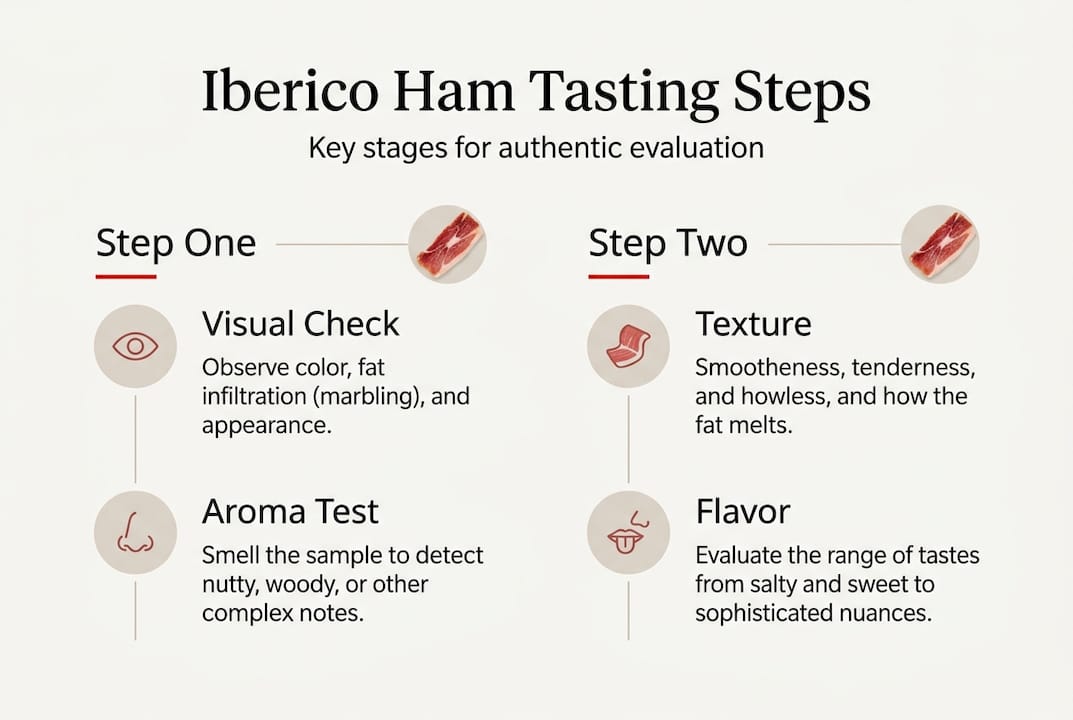
Begin chewing slowly and deliberately, using your molars to break down the meat fibres gradually. Proper slicing and temperature ensure fat melts, coating your entire mouth with rich, complex flavours. You should experience a progression from initial sweetness through savoury umami notes, finishing with lingering nutty undertones. The texture should feel tender and yielding, never tough or rubbery. Well-prepared Iberico ham practically dissolves on your tongue as you chew.
Pay attention to how flavours evolve during mastication. The first few chews release surface flavours and fat-soluble compounds. Continued chewing breaks down proteins, releasing deeper savoury notes and amino acid-derived tastes. The finish, what remains after swallowing, should be clean and pleasant, encouraging another bite rather than leaving unpleasant aftertastes.
Common mistakes undermine the tasting experience. Serving cold ham prevents proper fat melting, resulting in waxy mouthfeel and muted flavours. Thick slices require excessive chewing, tiring your jaw and masking subtle taste nuances. Rushing through the tasting process doesn’t allow sufficient time for flavour development and sensory integration. Taking small bites and chewing thoroughly maximises appreciation.
Tasting tips for full sensory appreciation:
- Take small bites (single slice portions)
- Let ham warm on tongue before chewing
- Chew slowly, counting 15-20 chews per bite
- Focus on flavour progression from start to finish
- Cleanse palate with water between different ham samples
- Avoid strong-flavoured accompaniments during evaluation
Pro Tip: Rest your palate for 60-90 seconds between slices when comparing multiple hams. Sip room-temperature water and eat a small piece of plain bread to reset your taste receptors. This practice prevents sensory fatigue and maintains evaluation accuracy across samples.
For creative ways to showcase Iberico ham beyond straight tasting, including thoughtful pairings that complement rather than overwhelm its delicate flavours, visit our Iberico ham serving ideas. Understanding complementary flavours enhances your overall appreciation while respecting the ham’s starring role.
Final verification: confirming Iberico ham quality and authenticity
After completing visual, olfactory, and taste evaluations, synthesise your findings to reach a confident quality judgement. Authentic premium Iberico ham should excel across all three sensory dimensions, displaying consistency between what you see, smell, and taste. Discrepancies between sensory inputs often indicate quality issues or authenticity concerns.
Traditional sensory methods contrast with analytical VOC markers for objective quality control, yet both approaches offer valuable insights. Sensory evaluation relies on trained human perception to assess subjective qualities like flavour balance and textural appeal. Analytical testing measures specific chemical compounds that correlate with quality attributes, providing objective data points. Combining both methods delivers the most reliable authentication.
| Evaluation approach | Key indicators | Strengths | Limitations |
|---|---|---|---|
| Traditional sensory | Colour, aroma profile, flavour complexity, texture | Holistic assessment, detects subjective quality | Requires trained evaluators, somewhat subjective |
| Analytical VOC testing | 3-methylbutanal, esters, aldehydes, ketones | Objective measurements, reproducible results | Expensive equipment, doesn’t capture subjective appeal |
| Combined methodology | All sensory plus chemical markers | Most comprehensive verification | Time and resource intensive |
When purchasing Iberico ham, request detailed provenance information including breed certification, feeding regime, and curing duration. Legitimate producers provide transparent documentation tracing each ham from farm to table. Denomination of Origin labels like Denominación de Origen Protegida Jamón de Huelva or Dehesa de Extremadura offer additional authenticity assurance through regulated production standards.
Final signs of true Iberico ham quality:
- Consistent excellence across visual, olfactory, and taste evaluation
- Complex, evolving flavour profile with no off-notes
- Tender texture with proper fat melting at room temperature
- Clean, lingering finish without unpleasant aftertastes
- Transparent provenance documentation from reputable sources
- Appropriate pricing reflecting genuine production costs
Develop your verification skills by tasting multiple hams from different producers, regions, and aging periods. This comparative approach builds your internal quality benchmark and sharpens your ability to detect subtle differences. Keep tasting notes documenting your observations for each ham, creating a personal reference library that guides future purchasing decisions.
For detailed guidance on selecting authentic products before you buy, including what certifications and labels to look for, explore our guide on selecting authentic Iberico ham. Understanding authentication markers protects you from counterfeit products and ensures your investment delivers genuine quality.
Explore authentic Iberico ham at 7 Bellotas
Now that you’ve mastered the techniques for properly evaluating and appreciating Iberico ham, put your new skills to work with genuinely exceptional products. 7 Bellotas specialises in premium, acorn-fed Pata Negra ham sourced directly from small-scale Spanish producers who maintain traditional curing methods. Every ham in our collection represents authentic craftsmanship, extended aging periods, and the distinctive flavour profiles you’ve learned to recognise.
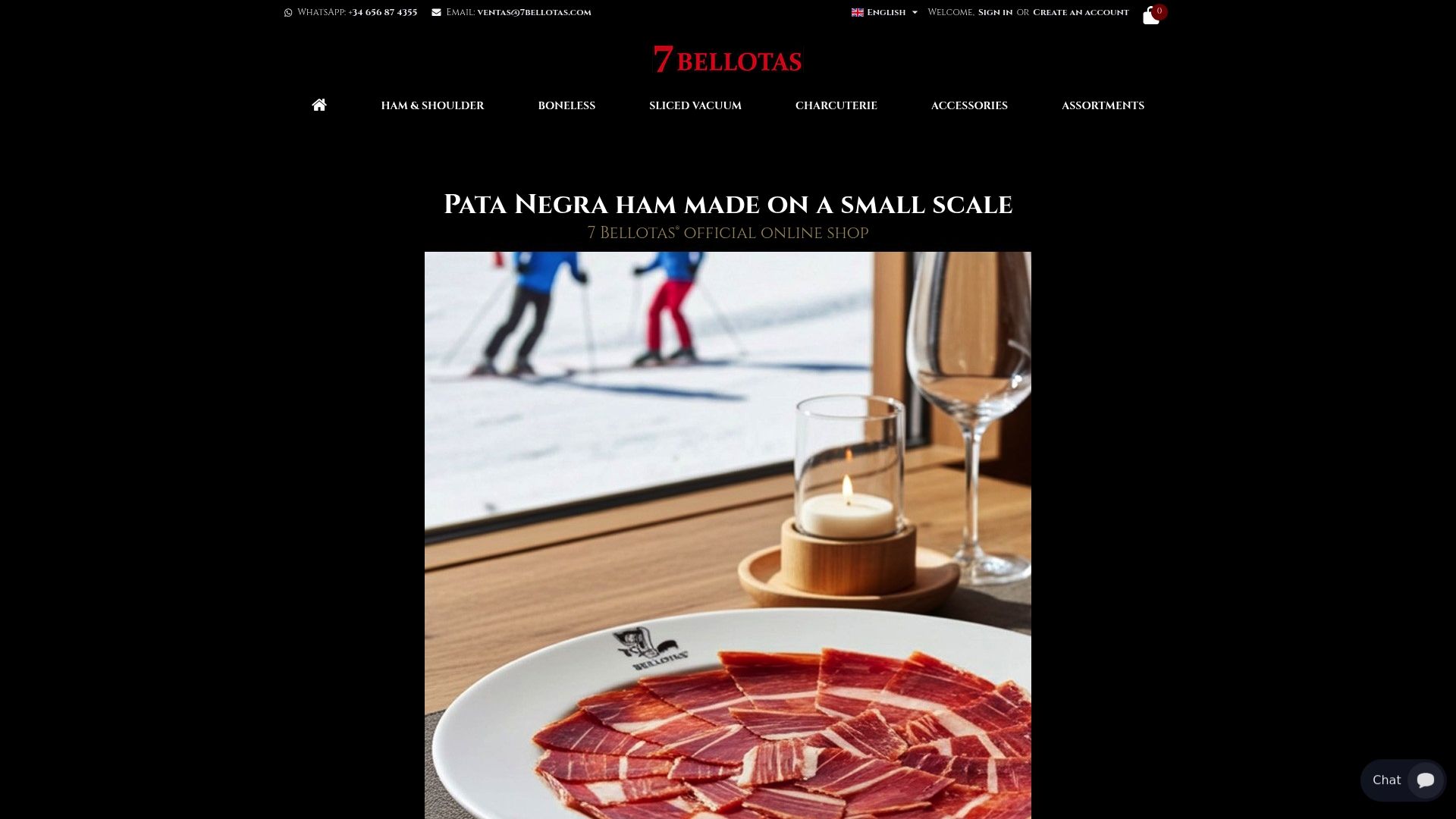
Our selection includes whole hams aged from 36 to over 64 months, hand-cut sliced portions, and vacuum-packed options that preserve freshness during shipping. Each product comes with complete provenance documentation, allowing you to verify the feeding regime, curing duration, and origin that define true quality. Whether you’re building your tasting skills or seeking the perfect centrepiece for a special occasion, 7 Bellotas delivers Spanish excellence directly to your door.
Why choose 7 Bellotas:
- Authentic acorn-fed Iberico ham from certified Spanish producers
- Hand-cut slicing that preserves fat structure and texture
- Expert selection ensuring only premium-quality products
- Transparent sourcing with complete provenance information
7 Bellotas brings the authentic taste of Spain’s finest dehesas to discerning customers worldwide, maintaining the traditional standards that make Iberico ham a culinary treasure.
FAQ
What temperature should Iberico ham be served at for optimal tasting?
The recommended serving temperature is between 20 and 24 degrees Celsius. At this range, the intramuscular fat reaches its ideal melting point, releasing aromatic compounds and coating your palate with rich, nutty flavours. Cold ham straight from refrigeration feels waxy and fails to deliver its full sensory potential, so remove slices from cold storage at least 30 minutes before tasting.
Why is hand-cut Iberico ham preferred over machine-sliced for tasting?
Hand-cut slices are thinner and more even, allowing fat to melt properly on your tongue and releasing full flavour profiles. Manual cutting produces translucent pieces no thicker than 1-2 millimetres that preserve the fat’s delicate structure. Machine slicing often results in thick, uneven pieces that prevent proper fat melting and increase chewiness, significantly diminishing the tasting experience.
What is the ‘cala’ olfactory puncture method in Iberico ham tasting?
The ‘cala’ involves piercing the ham with a thin bone or metal probe, then immediately smelling the tool to evaluate internal aromas and confirm proper curing stages. Industry experts use this traditional method because it detects quality nuances and potential defects that visual inspection alone cannot reveal. Modern scientific analysis of volatile organic compounds validates the reliability of this centuries-old technique.
How can a beginner start appreciating Iberico ham like a connoisseur?
Begin with high-quality ham displaying visible marbling and vibrant cherry red colour, ensuring you’re working with genuinely premium material. Serve thin slices at proper room temperature (20-24 °C) and engage all your senses systematically, following the visual, olfactory, and tasting sequence outlined in this guide. Practice regularly with different hams from various producers and aging periods, keeping tasting notes to build your internal quality benchmark and sharpen your discrimination skills over time.