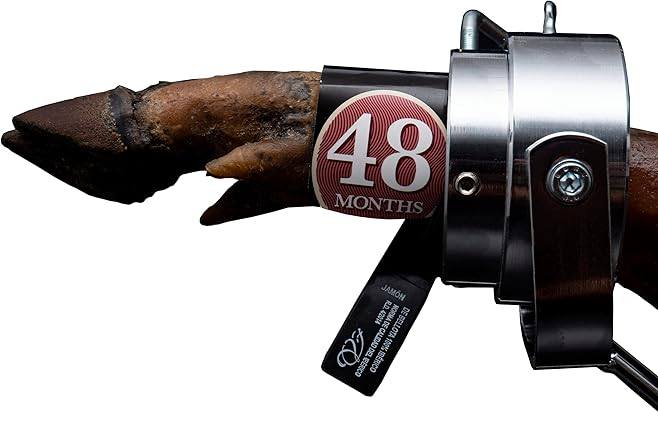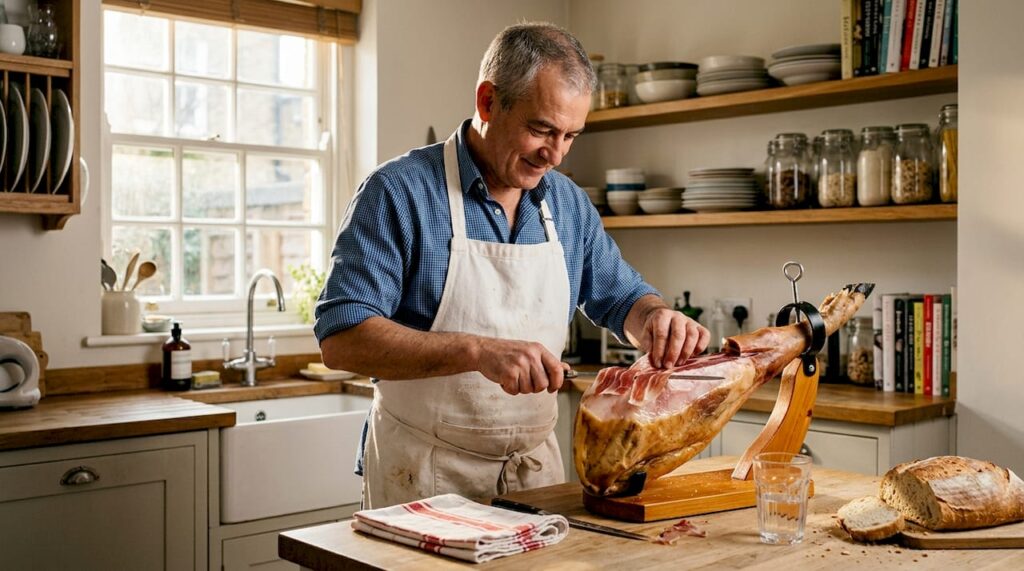
Paleta ham is frequently mistaken for jamón Ibérico, yet this Spanish delicacy possesses distinct characteristics that set it apart in the world of cured meats. Derived from the front leg of Iberian pigs, paleta offers gourmet enthusiasts a unique flavour profile shaped by traditional curing methods and careful selection. This guide explores what defines paleta ham, its production techniques, how it compares to jamón, and expert recommendations for serving this prized Spanish product. Whether you are a seasoned connoisseur or discovering authentic Iberico meats for the first time, understanding paleta ham enriches your appreciation of Spain’s culinary heritage and opens new possibilities for refined tasting experiences.
Table of Contents
- Key takeaways
- Understanding what paleta ham is
- Distinct characteristics and flavour profile compared to jamón Ibérico
- Producing paleta ham: traditional curing methods and quality grades
- Serving paleta ham: expert pairings and presentation tips
- Explore premium Iberico products at 7 Bellotas
- Frequently asked questions about paleta ham
Key Takeaways
| Point | Details |
|---|---|
| Front leg origin | Paleta is derived from the front leg of Iberian pigs and is distinguished from jamón by its cut and flavour. |
| Traditional curing methods | It is cured using traditional Spanish methods that rely on natural ventilation and ageing to develop its flavours. |
| Smaller yet flavoursome | Paleta is smaller than jamón yet offers a rich taste with complex aromas. |
| Serving temperature pairings | Serving paleta at an ideal temperature enhances its texture and flavour nuances, while well chosen food and wine pairings elevate the tasting experience. |
Understanding what paleta ham is
Paleta ham comes from the front leg of Iberian pigs and represents a cornerstone of Spanish cured meat tradition. The anatomical origin of paleta, specifically the shoulder or front limb, distinguishes it fundamentally from jamón, which is derived from the hind leg. This difference in cut influences every aspect of the final product, from muscle density to fat distribution and flavour intensity. The Iberian pig, a breed native to the Iberian Peninsula, possesses genetic traits that contribute to exceptional marbling and a capacity to develop complex flavours during curing.
Curing processes for paleta typically last between 12 and 24 months, though premium grades may extend beyond this range depending on quality standards and producer traditions. During this period, the meat undergoes salting, resting, drying, and ageing in carefully controlled environments that preserve its natural qualities whilst developing depth of taste. Traditional Spanish curing methods rely on natural ventilation, temperature fluctuations, and time to transform raw meat into a refined delicacy. These techniques have been perfected over centuries, passed down through generations of artisans who understand the subtle interplay between climate, pig genetics, and curing duration.
Compared to jamón, paleta’s smaller size and different muscle structure result in distinct texture and flavour nuances that appeal to connoisseurs seeking variety. The front leg contains more connective tissue and denser muscle fibres, which contribute to a firmer bite and a more concentrated taste. Paleta’s accessibility, both in terms of price and portion size, makes it an attractive option for enthusiasts who value quality without committing to a full jamón leg. Despite its smaller stature, paleta delivers a flavour profile that rivals its larger counterpart, offering a genuine taste of Spanish heritage.
Key characteristics of paleta ham include:
- Derived from the front shoulder of Iberian pigs, resulting in unique muscle composition
- Curing duration of 12 to 24 months shapes flavour complexity and texture
- Smaller size compared to jamón, typically weighing 4 to 6 kilograms
- Firmer texture due to denser muscle fibres and connective tissue
- Intense, earthy flavour profile with pronounced savoury notes
Pro Tip: When selecting paleta ham, look for a deep red colour with visible marbling of intramuscular fat, which indicates proper curing and quality. Authentic paleta should have a slightly glossy appearance on the surface, a sign of natural fat rendering during the ageing process.
Distinct characteristics and flavour profile compared to jamón Ibérico
Paleta ham’s front leg origin leads to denser muscle fibres and different fat marbling compared to jamón Ibérico, creating a sensory experience that is both familiar and distinctly unique. The shoulder cut contains more connective tissue, which breaks down during curing to produce a firmer texture that holds its shape well when sliced thinly. Fat distribution in paleta is less uniform than in jamón, with pockets of intramuscular fat creating bursts of richness that contrast with leaner sections. This variability adds complexity to each bite, rewarding attentive tasting with layers of flavour.
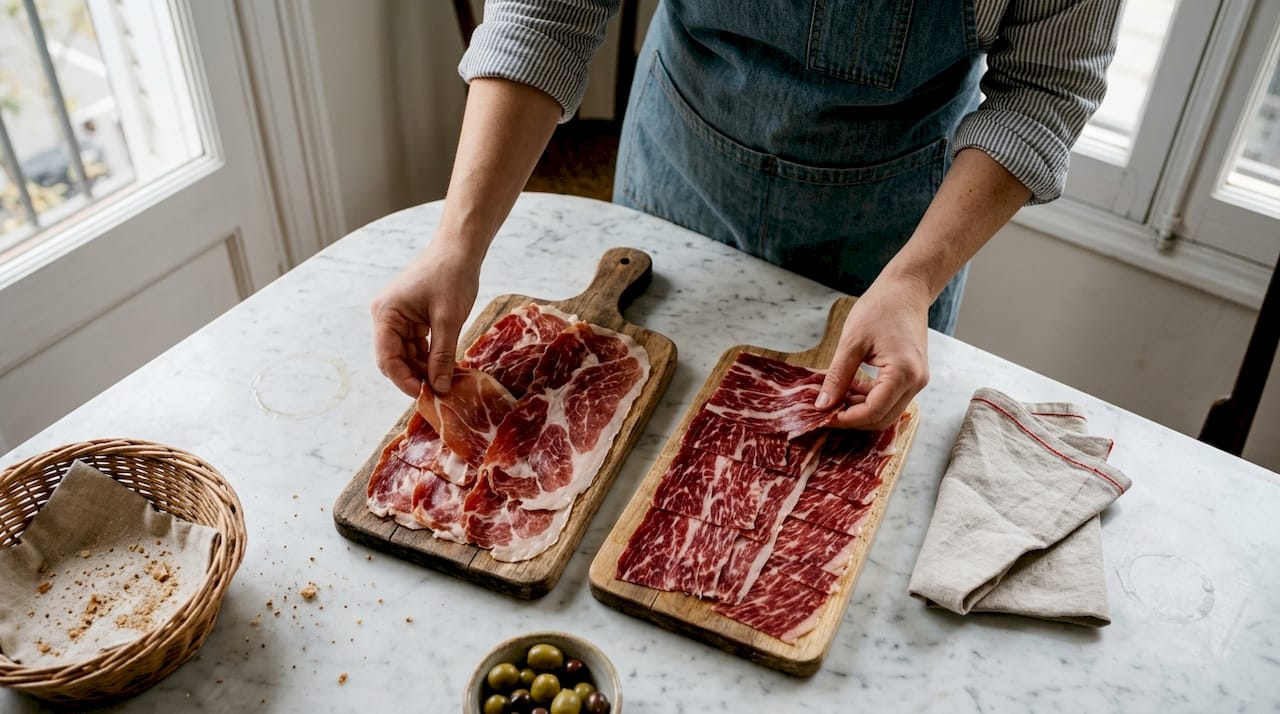
Paleta ham has a slightly stronger flavour and different fat distribution than jamón due to its cut from the front leg, which influences both taste intensity and mouthfeel. Whilst jamón is often described as delicate and sweet, paleta leans towards a more robust, earthy character with pronounced savoury notes. The curing duration for paleta is generally shorter than for premium jamón, yet it still yields complex aromas that evolve as the meat reaches room temperature. Connoisseurs appreciate paleta for its boldness, which stands up well in pairings and provides a counterpoint to milder accompaniments.
| Characteristic | Paleta ham | Jamón Ibérico |
|---|---|---|
| Cut origin | Front leg (shoulder) | Hind leg |
| Average weight | 4 to 6 kg | 7 to 9 kg |
| Curing time | 12 to 24 months | 24 to 48 months |
| Flavour intensity | Strong, earthy, robust | Delicate, sweet, nuanced |
| Fat content | Moderate, uneven distribution | High, uniform marbling |
| Texture | Firmer, denser | Tender, buttery |
| Price point | More accessible | Premium |
The shorter curing period for paleta does not diminish its quality but rather shapes a different flavour trajectory. During ageing, enzymes break down proteins and fats, developing umami richness and aromatic compounds that define the ham’s character. Paleta’s denser muscle structure means these processes occur at a different rate, resulting in a product that is ready to enjoy sooner whilst still offering depth and complexity. The interplay between salt, time, and natural fermentation creates a balance that appeals to those who prefer more assertive flavours.
Ideal cuts and serving methods highlight paleta’s distinctiveness and allow enthusiasts to appreciate its unique qualities. Slicing paleta requires a sharp knife and a steady hand to produce thin, translucent pieces that showcase the meat’s marbling and colour. The outer layers, known as the maza, offer intense flavour, whilst inner sections provide a more delicate taste. Serving paleta at the correct temperature and with thoughtful accompaniments maximises its potential, transforming a simple tasting into a memorable culinary experience.
Key differences to note:
- Paleta’s firmer texture makes it ideal for slicing just before serving to preserve freshness
- Flavour intensity in paleta pairs well with bold wines and robust cheeses
- The smaller size of paleta allows for quicker consumption, reducing waste
- Paleta’s pronounced savoury notes complement both traditional and innovative pairings
Pro Tip: To fully appreciate paleta ham’s flavour evolution, taste slices from different parts of the leg, starting with the outer maza and moving towards the inner sections. This progression reveals how curing affects different muscle groups and fat deposits.
Producing paleta ham: traditional curing methods and quality grades
The production of paleta ham follows a meticulous process that begins with selecting Iberian pigs raised under specific conditions and fed carefully controlled diets. Traditional curing methods involve several distinct stages, each contributing to the final product’s quality and flavour profile. Understanding these steps provides insight into why authentic paleta ham commands premium prices and why connoisseurs value artisanal production.
- Salting: Fresh front legs are buried in sea salt for a period proportional to their weight, typically one day per kilogram. This step draws out moisture and begins the preservation process.
- Resting: After salting, the legs are rinsed and hung in cool, humid chambers for several weeks. This allows salt to penetrate evenly throughout the meat.
- Drying: The legs are moved to drying rooms with controlled temperature and humidity. Gradual moisture loss concentrates flavours and firms the texture.
- Ageing: Final maturation occurs in cellars or attics where natural temperature fluctuations and air circulation develop complex aromas. This stage lasts from several months to over two years.
The curing period and acorn diet influence paleta ham’s final quality and classification, with the pig’s nutrition playing a decisive role in flavour depth and fat composition. Iberian pigs raised on a diet of acorns during the montanera season, typically from October to March, produce ham with superior marbling and a distinctive nutty sweetness. This acorn-fed grade, known as Bellota, represents the pinnacle of quality. Pigs fed a mixed diet of acorns and grain produce Recebo grade, whilst those raised primarily on grain yield Cebo grade. Each classification reflects not only diet but also the time spent foraging freely in oak forests, which influences muscle development and fat infiltration.
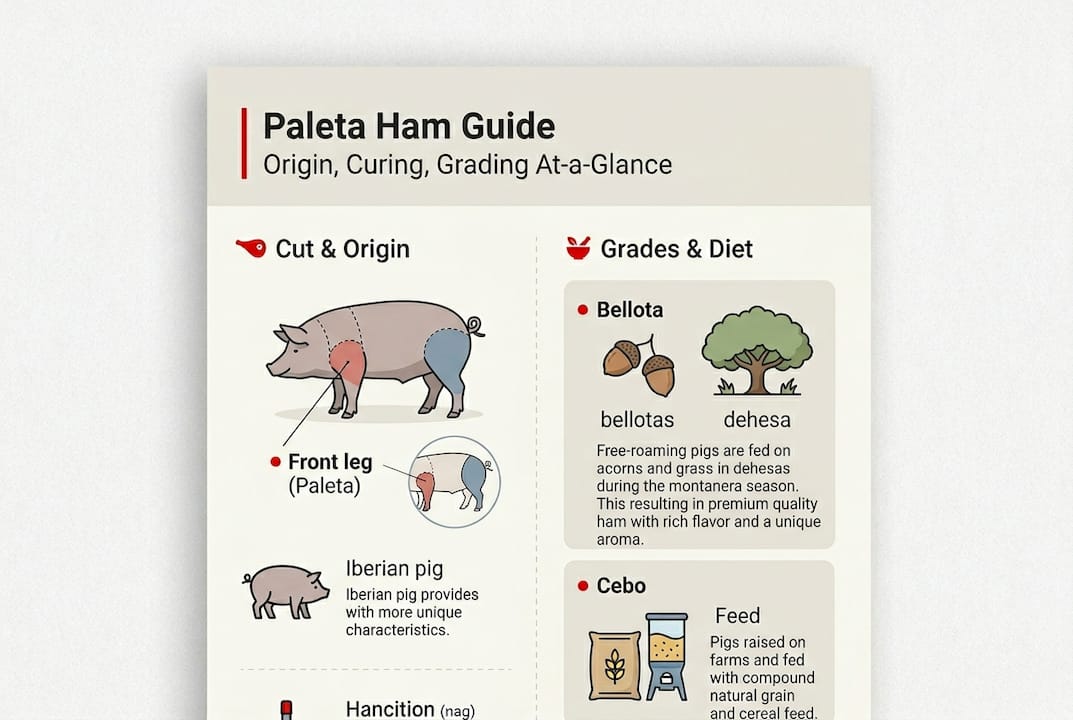
| Quality grade | Diet | Curing duration | Flavour characteristics |
|---|---|---|---|
| Bellota | 100% acorns during montanera | 18 to 24+ months | Nutty, sweet, complex, intense marbling |
| Recebo | Acorns and grain | 14 to 20 months | Balanced, moderately rich, good marbling |
| Cebo | Grain-based feed | 12 to 18 months | Robust, savoury, leaner profile |
Authentic labelling is crucial for consumers seeking genuine paleta Ibérico, as regulations in Spain mandate clear identification of quality grades and production methods. Look for official seals and certifications that verify the ham’s origin and grade. Black labels indicate Bellota grade, red labels denote Recebo, and white labels signify Cebo. These colour-coded systems help buyers make informed decisions and avoid lower-quality imitations that may lack the depth and complexity of properly cured paleta.
The artisanal nature of paleta ham production means that each leg develops unique characteristics influenced by the specific conditions of its curing environment. Producers in different regions of Spain, from Extremadura to Salamanca, impart subtle regional variations based on local climate, altitude, and traditional practices. This diversity enriches the world of Spanish cured meats, offering enthusiasts a range of flavour profiles to explore and compare.
Pro Tip: When purchasing paleta ham, ask the supplier about the producer’s location and curing methods. Hams aged in higher altitudes often develop more intense flavours due to cooler temperatures and lower humidity, which slow the curing process and allow for deeper flavour development.
Serving paleta ham: expert pairings and presentation tips
Serving paleta ham at 20 to 24°C with suitable pairings enhances its flavour profile by allowing the fat to soften and release aromatic compounds that define the meat’s character. Temperature plays a critical role in the tasting experience, as cold ham tastes muted and fails to showcase its complexity. Remove paleta from refrigeration at least 30 minutes before serving, allowing it to reach room temperature naturally. This simple step transforms the texture from firm to silky and unlocks layers of flavour that remain hidden when the ham is too cold.
Thoughtful pairings elevate paleta ham from a simple appetiser to a sophisticated tasting experience that engages multiple senses. Traditional Spanish accompaniments include Manchego cheese, whose creamy texture and mild tang complement paleta’s savoury intensity. Fresh bread, preferably a rustic loaf with a chewy crust, provides a neutral base that allows the ham’s flavour to shine. Olives, particularly green varieties with a briny bite, offer a refreshing contrast that cleanses the palate between slices. These classic combinations have stood the test of time because they balance rather than compete with the ham’s dominant flavours.
Wine pairings for paleta ham require careful consideration to match the meat’s robust character without overwhelming it. Rioja Tempranillo, with its medium body and notes of red fruit and oak, harmonises beautifully with paleta’s earthy flavours. The wine’s tannins cut through the fat, whilst its fruity undertones provide a pleasant counterpoint to the ham’s savoury depth. For those preferring white wine, a crisp Albariño or a lightly oaked Verdejo offers acidity that refreshes the palate and highlights the ham’s delicate sweetness. Sherry, particularly Fino or Manzanilla styles, provides a traditional Spanish pairing that enhances the ham’s nutty notes.
Presentation tips for serving paleta ham:
- Slice the ham thinly, aiming for translucent pieces that reveal marbling and colour gradations
- Arrange slices on a large platter in a single layer, avoiding overlap to prevent sticking
- Serve immediately after slicing to preserve freshness and prevent drying
- Use a sharp, long-bladed knife specifically designed for ham slicing to achieve clean cuts
- Present the ham on a wooden board or ceramic platter that complements the rustic aesthetic
Innovative pairings expand the traditional repertoire and introduce paleta ham to new culinary contexts. Fusion tapas, such as combining paleta with Indian-inspired bites featuring spiced chutneys or yoghurt-based sauces, create unexpected flavour contrasts that intrigue adventurous palates. The key is balancing bold spices with the ham’s inherent richness, ensuring neither element dominates. Fresh figs, melon, or pear provide sweetness that highlights paleta’s savoury notes, whilst a drizzle of aged balsamic vinegar adds acidity and depth. These creative approaches demonstrate paleta ham’s versatility and its ability to adapt to diverse culinary traditions.
Avoid overpowering flavours that mask paleta ham’s nuanced character. Strong cheeses, heavily spiced condiments, or intensely flavoured accompaniments can overwhelm the ham and diminish the tasting experience. The goal is to enhance, not compete, allowing paleta’s unique qualities to remain the focal point. Simplicity often yields the best results, letting the ham’s natural flavour speak for itself with minimal interference.
Explore premium Iberico products at 7 Bellotas
For gourmet enthusiasts seeking authentic paleta ham and other premium Iberico products, 7 BELLOTAS® offers a curated selection sourced directly from Spain’s finest producers. Understanding what defines quality paleta ham empowers you to make informed choices when selecting cured meats for your table or as thoughtful gifts for fellow connoisseurs. The online shop at 7 BELLOTAS® provides access to various quality grades, from Bellota to Cebo, catering to diverse preferences and occasions.
Each product in the 7 BELLOTAS® range reflects a commitment to authenticity, traditional curing methods, and the rich heritage of Spanish gastronomy. Whether you are exploring paleta ham for the first time or adding to an established collection, expert guidance ensures you select the ideal product to match your taste preferences and serving needs. Secure ordering and direct shipment from Spain guarantee freshness and quality, bringing the essence of Iberian culinary tradition to your home. Discover the full range of authentic Iberico ham and elevate your tasting experiences with products that honour centuries of Spanish craftsmanship.
Frequently asked questions about paleta ham
What part of the pig does paleta ham come from?
Paleta ham comes from the front leg or shoulder of the Iberian pig. This cut differs from jamón, which is taken from the hind leg, resulting in distinct texture and flavour characteristics.
How does the flavour of paleta ham differ from jamón?
Paleta ham offers a more intense, earthy flavour with firmer texture compared to jamón’s delicate, sweet profile. The front leg’s denser muscle fibres and uneven fat distribution create a robust taste that appeals to those who prefer bolder cured meats.
What is the typical curing time for paleta ham?
Typical curing time for paleta ham ranges from 12 to 24 months, depending on quality grade and producer traditions. Bellota grade paleta often undergoes longer ageing to develop complex flavours, whilst Cebo grade may cure for shorter periods.
How should paleta ham be stored after opening?
After opening, wrap the cut surface of paleta ham in a clean cloth or greaseproof paper to prevent drying. Store in a cool, dry place away from direct sunlight, and consume within two to three weeks for optimal flavour and texture.
Can paleta ham be used in cooking or only served cured?
Whilst paleta ham is traditionally served cured and thinly sliced, it can be incorporated into cooked dishes such as croquettes, pasta, or stews. Cooking intensifies its savoury character, though many connoisseurs prefer enjoying it uncooked to appreciate its delicate curing nuances.