Pata Negra Iberico ham is one of the most extraordinary cured meats in the world, yet even the finest leg can fall flat when sliced carelessly and dumped on a plate. The difference between a forgettable spread and a show-stopping centrepiece lies entirely in how you handle, slice, and arrange those translucent, marbled ribbons. Slicing Pata Negra into paper-thin, translucent slices is an art that creates genuine gourmet impact. This guide walks you through every stage, from gathering the right tools to adding the finishing touches that make guests stop mid-conversation and reach for another slice.
Table of Contents
- What you need to plate Pata Negra
- Step-by-step slicing: achieving perfect Pata Negra slices
- Arranging and plating: techniques for visual impact
- Finishing touches: pairing and serving like a pro
- Elevate your next event with authentic Pata Negra
- Frequently asked questions
Key Takeaways
| Point | Details |
|---|---|
| Essential slicing technique | Paper-thin slices cut against the grain unlock aroma, texture, and beauty. |
| Creative arrangement matters | Plating in rosette or fan patterns on neutral plates showcases the ham visually. |
| Pro tips boost results | Including diverse ham sections and finishing with ideal accompaniments makes for a memorable feast. |
| Proper storage preserves quality | Enjoy sliced Pata Negra within days, kept airtight and covered with a fat layer. |
What you need to plate Pata Negra
Before a single slice is cut, your workspace and toolkit determine everything. Attempting to carve Pata Negra with the wrong equipment is like trying to paint a portrait with a decorator’s brush. Precision starts with preparation, and preparation starts with the right gear.
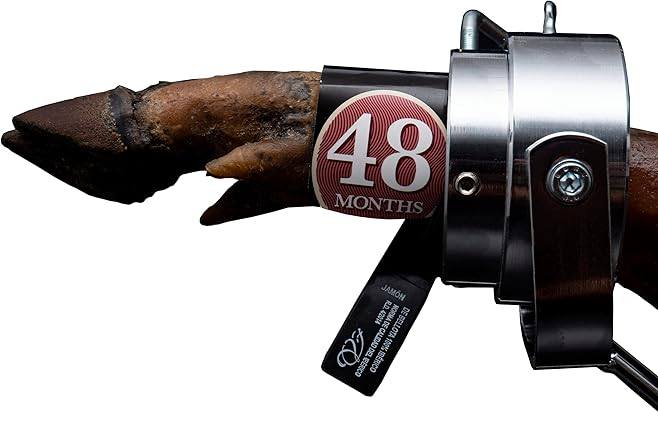
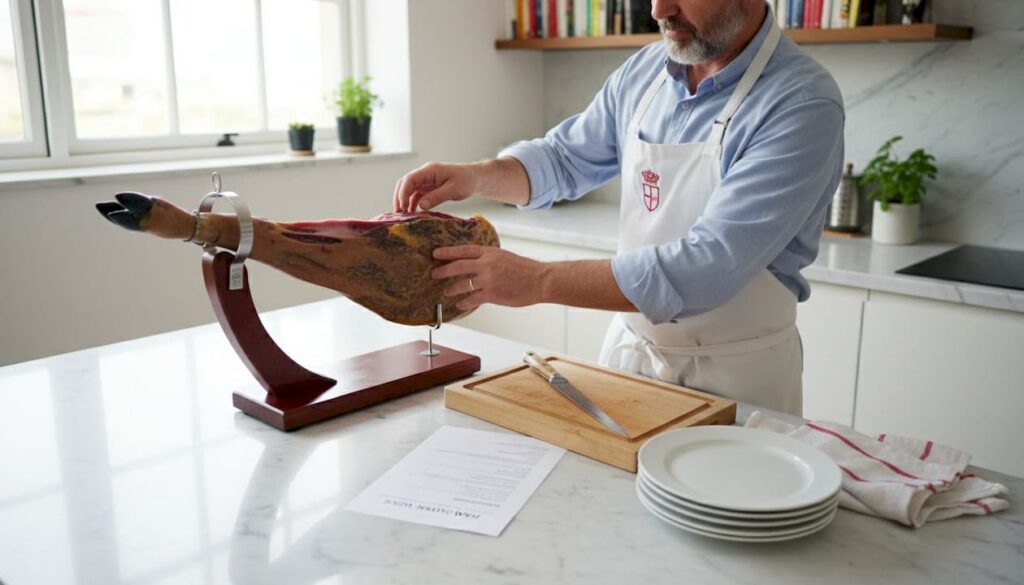
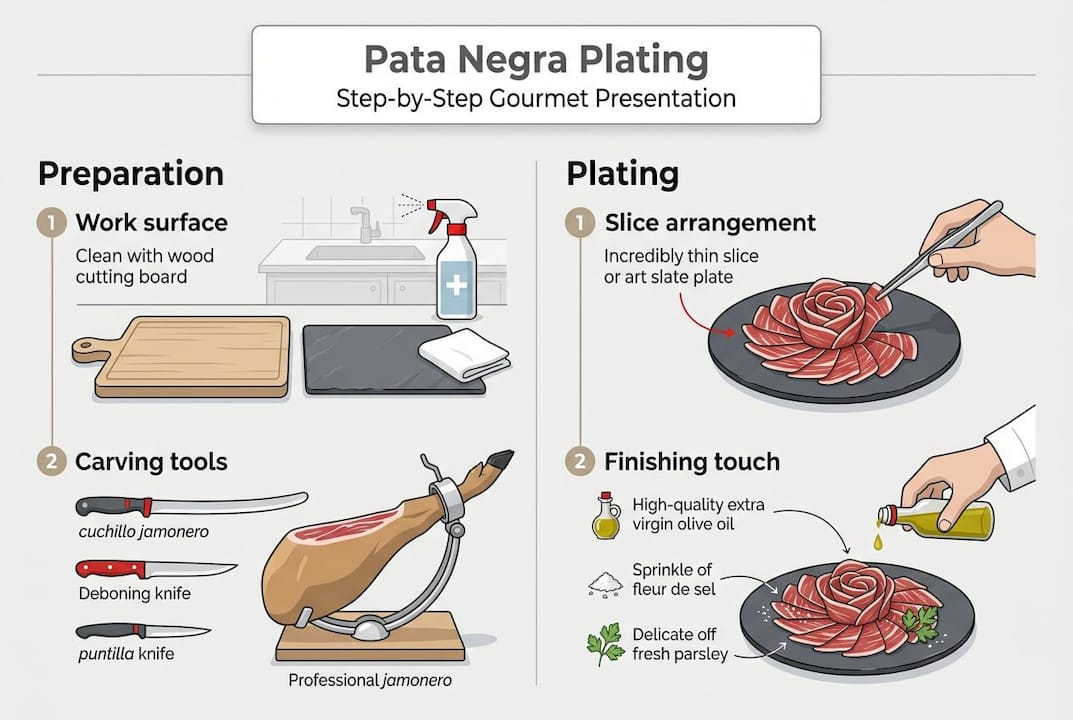
The single most important tool is a jamonero (ham carving stand), which locks the leg securely so both hands remain free and safe. Paired with it, you need a long, flexible ham knife (also called a cuchillo jamonero), typically 28 to 32 centimetres in length. As any experienced cortador (professional ham slicer) will tell you, use a long, flexible ham knife for slicing against the muscle grain to achieve those signature wafer-thin cuts. A short, rigid blade simply cannot follow the contours of the leg.
| Tool | Role |
|---|---|
| Jamonero (carving stand) | Secures the leg safely at the correct angle |
| Long flexible ham knife | Produces thin, even slices along the muscle grain |
| Short boning knife | Removes skin and excess fat before carving |
| Serving tweezers or fork | Transfers delicate slices without tearing |
| Large white or neutral plate | Provides a clean backdrop to showcase marbling |
| Wooden board (optional) | Adds rustic warmth for informal presentations |
For an authentic gourmet experience, the ingredients you place alongside the ham matter too. Keep optional garnishes minimal: micro herbs, a drizzle of cold-pressed olive oil, or artisan bread. The ham is the star, and everything else should frame it, not compete with it.
Preparation checklist before you begin:
- Remove the ham from the fridge at least 30 to 45 minutes before carving to allow it to reach room temperature
- Clear and clean your workspace thoroughly, keeping a damp cloth nearby
- Secure the leg firmly in the jamonero with the hoof pointing upward for the maza (main muscle) side
- Trim the outer layer of yellowed fat and skin to expose the deep red meat beneath
- Keep a clean, dry cloth beside you to wipe the blade between cuts
- Ensure your knife is sharp before you start; a blunt blade tears rather than slices
For a deeper look at setup and safety, the carving guide for gourmet results covers every preparatory step in detail.
Step-by-step slicing: achieving perfect Pata Negra slices
With your tools in place and the ham at room temperature, you are ready for the most skilled part of the process. Slicing is where confidence and patience pay off. Rush it, and you lose the translucency and tenderness that make Pata Negra worth every penny.
“The goal is a slice so thin you can almost see through it, with visible threads of ivory fat running through deep ruby meat. That marbling is not decoration; it is the flavour.”
Follow these steps for consistently excellent results:
- Secure your grip. Stand to the side of the jamonero, not directly in front. Keep your non-knife hand well clear of the cutting path at all times.
- Position the blade. Hold the knife parallel to the surface of the ham, keeping the blade as flat as possible against the meat. This is the key to achieving even thickness across the full slice.
- Use long, smooth strokes. Draw the blade toward you in one fluid motion rather than sawing back and forth. The full length of the blade should do the work.
- Maintain the correct angle. Tilt the blade very slightly downward as you near the bone, following the natural curve of the muscle. Never force the knife.
- Target 1 to 2mm thickness. Slices should be 1 to 2mm thick and cut against the muscle grain for the best texture and melt-in-mouth quality. Aim for 10 to 12 slices per serving portion.
- Transfer immediately. Use serving tweezers or a fork to lift each slice directly onto the plate. Stacking slices on the board causes them to stick and tear.
For a full breakdown of blade technique, the gourmet carving guide is an excellent reference. The proper slicing technique also explains how to adapt your approach as you move from the maza to the contramaza (the leaner underside of the leg).
Pro Tip: Wipe the blade with a clean, dry cloth after every four or five cuts. Fat and moisture build up on the steel and drag against the meat, causing uneven slices. A clean blade glides effortlessly and produces cleaner, more uniform results.
Thin slices also intensify aroma dramatically. As the fat warms on the plate, it releases the nutty, acorn-fed fragrance that defines genuine Pata Negra. Thick slices trap that aroma inside the meat rather than letting it bloom.
Arranging and plating: techniques for visual impact
Your slices are ready. Now the plate becomes your canvas. The arrangement you choose should reflect the occasion: a formal dinner calls for something precise and elegant, whilst a relaxed tasting evening might suit a more generous, abundant display.
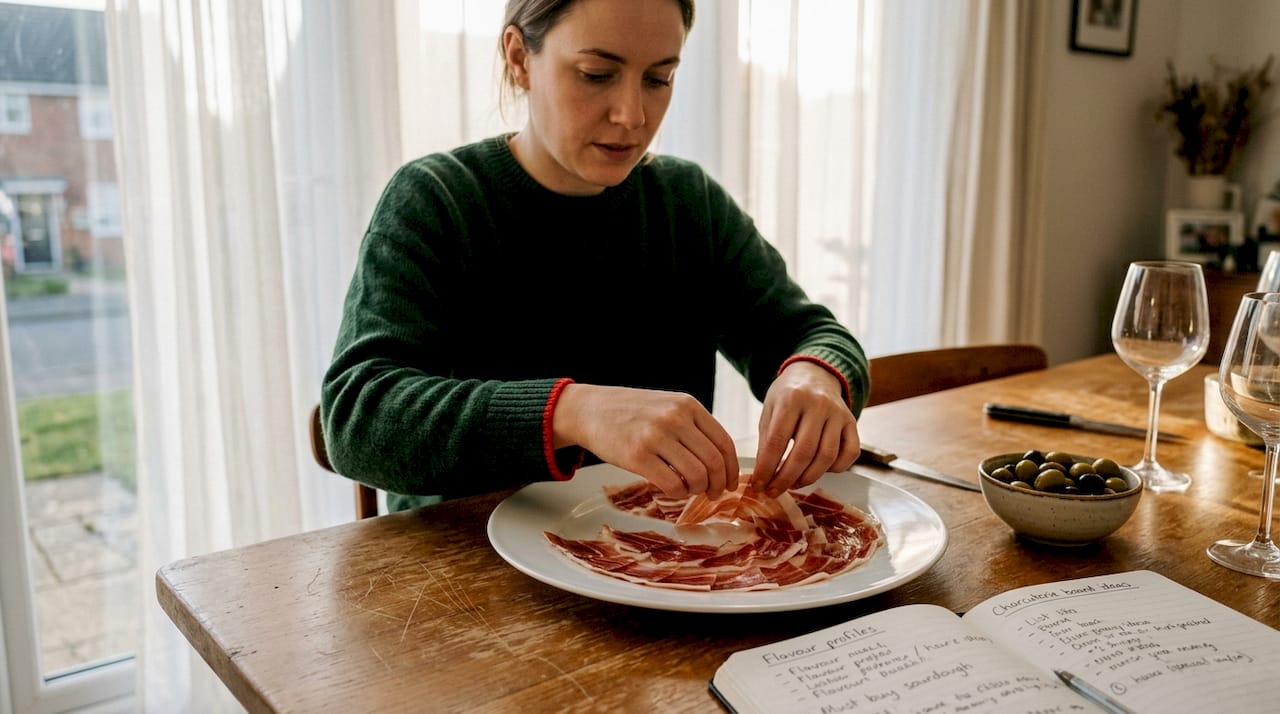
Use large neutral or white plates in rosette, fan, or single overlapping layers to highlight the marbling and translucency of each slice. Avoid patterned or brightly coloured plates; they compete visually with the ham’s natural beauty.
| Arrangement style | Description | Best for |
|---|---|---|
| Rosette | Slices folded and arranged in a circular flower shape at the centre of the plate | Formal dinners, tasting menus |
| Fan | Slices fanned out from a central point, slightly overlapping | Sharing platters, elegant buffets |
| Single layer | Slices laid flat in a single overlapping row across the plate | Tasting flights, side-by-side comparisons |
One of the most underused techniques among enthusiasts is combining slices from different muscle sections on the same plate. Combine slices from different sections such as the maza (the plump, well-marbled main muscle) and the babilla (the leaner, more intense counterpart) to create a genuinely complex tasting experience. The contrast in colour, fat distribution, and flavour tells the full story of the leg.
For further inspiration on layouts and creative ideas, the guide on creative serving ideas offers practical options for every type of occasion. If you are new to the world of Iberico and want to understand what makes Pata Negra unique before you plate it, pata negra explained is a solid starting point.
Best plating surfaces and finishing touches:
- Large white porcelain plates (28cm or wider) for formal presentations
- Slate boards for a contemporary, restaurant-style look
- Untreated wooden boards for rustic, convivial sharing occasions
- A few drops of cold-pressed extra virgin olive oil drizzled lightly over the slices just before serving
- Micro herbs such as chervil or micro cress placed sparingly at the edge
- A small ramekin of artisan bread or pan de cristal (a light, crispy Spanish bread) served alongside
Pro Tip: Always leave a clear border of at least two centimetres around the edge of the plate. Crowding the plate hides the marbling and makes the presentation look rushed. White space is not wasted space; it is what makes the ham the focal point.
For guidance on master gourmet presentation, including how professional cortadores approach the plate, the full serving guide covers every nuance.
Finishing touches: pairing and serving like a pro
Arrangement is only part of the picture. Temperature, timing, and what you serve alongside the ham are what transform a beautiful plate into a genuinely memorable experience. These details separate a confident host from a truly skilled one.
Temperature is non-negotiable. Serve 10 to 12 slices per plate and allow the ham to come fully to room temperature before tasting. Cold fat is waxy and muted; warm fat is silky and aromatic. If you have sliced ahead of time, cover the plate loosely and leave it at room temperature for 15 minutes before guests arrive.
Serving checklist for special occasions:
- Allow sliced ham to rest at room temperature for 15 to 20 minutes before serving
- Serve 10 to 12 slices per person as a starter or tasting portion
- Pair with dry fino sherry or a light, unoaked white wine for a classic Spanish combination
- Offer fresh figs, Marcona almonds, or honeydew melon as natural sweet contrasts
- Provide artisan sourdough or pan de cristal for guests who want to build small bites
- Use individual tasting plates rather than a shared platter for formal dinners
- Introduce slices in a sequence: begin with the leaner babilla, then move to the richer maza for a natural flavour progression
For a broader range of expert pairings and serving ideas, including wine and cheese combinations, the pairing guide is worth reading before your next event. The tasting tips for enthusiasts also covers how to guide guests through a structured tasting sequence. For a wider perspective on food and wine pairing principles that apply beautifully to Pata Negra, that resource offers excellent context.
Leftover slices require careful handling. Consume sliced Pata Negra within 3 to 4 days; store them covered with a thin layer of the ham’s own fat, wrapped airtight, and kept chilled. Never freeze sliced ham; it destroys the texture irreparably. When you are ready to serve again, bring the slices back to room temperature before plating.
For the whole leg, re-cover the cut surface with the trimmed fat and a clean cloth between carving sessions. This keeps the exposed meat from drying out and preserves the quality of subsequent servings.
Elevate your next event with authentic Pata Negra
Mastering the techniques in this guide is only as rewarding as the quality of the ham you start with. Even the most precise slicing and the most elegant arrangement cannot compensate for a ham that lacks the depth, marbling, and provenance of genuine acorn-fed Pata Negra.
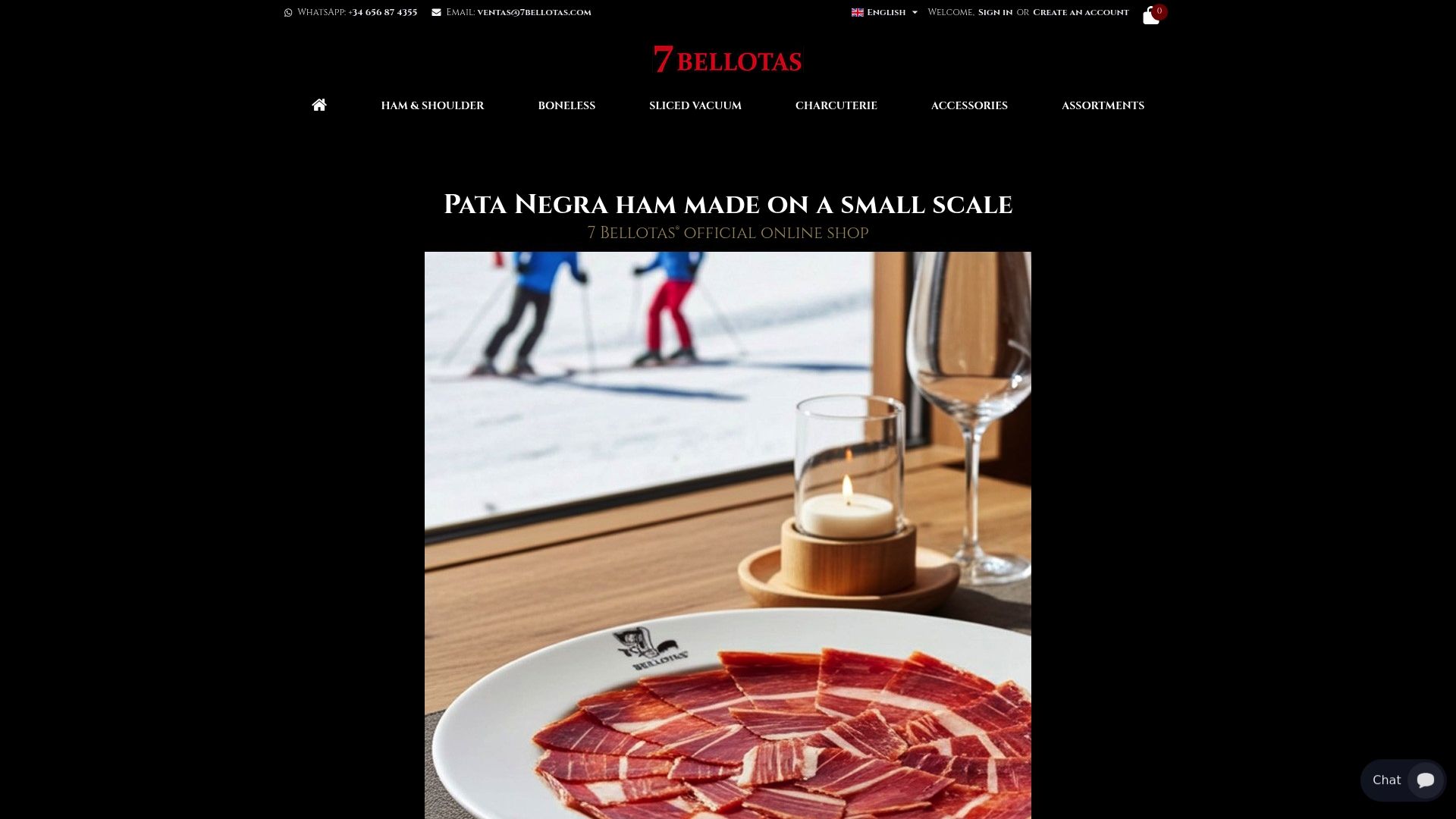
At 7 Bellotas, we source exclusively from small-scale Spanish producers who follow traditional, natural curing methods. Our hams are aged from 36 months to over 64 months, and every leg is selected for its marbling, aroma, and flavour profile. You can order authentic Iberico ham directly from Spain, with whole legs, sliced portions, and vacuum-packed options available for every occasion. Before you buy, our buying tips guide will help you choose the right leg for your event, budget, and serving style. The right ham, handled with the right technique, is genuinely unforgettable.
Frequently asked questions
How thick should Pata Negra slices be for the best presentation?
Slices should be 1 to 2mm thick and cut against the muscle grain to best reveal the ham’s marbling, tenderness, and aroma.
What is the best way to arrange Pata Negra slices for a party platter?
Arrange slices on neutral plates in a rosette or fan shape, using 10 to 12 slices per portion and leaving a clear border around the edge of the plate.
How should leftover Pata Negra ham slices be stored?
Consume within 3 to 4 days, stored airtight and covered with the ham’s own fat layer in the fridge. Never freeze sliced ham as it ruins the texture.
What accompaniments best complement plated Pata Negra?
Serve with dry fino sherry or a light white wine, alongside fresh figs, Marcona almonds, and artisan bread for a balanced and elevated tasting experience.
Recommended
- Pata Negra Buying Tips: 100% Iberico Acorn-Fed In 2026
- Serving Iberico Ham Guide: Master Gourmet Presentation
- Iberico Ham Tasting Steps: Master Authentic Gourmet Techniques
- How To Serve Pata Negra For An Authentic Gourmet Experience
- Perfect Steak and Wine Pairings: Your Ultimate Guide to Sizzle and Sip