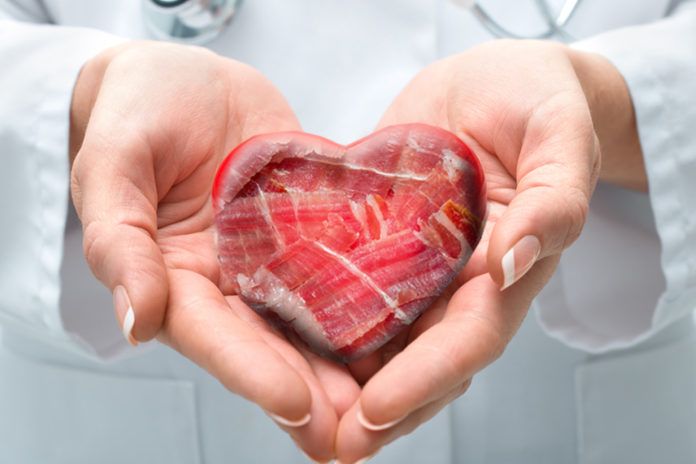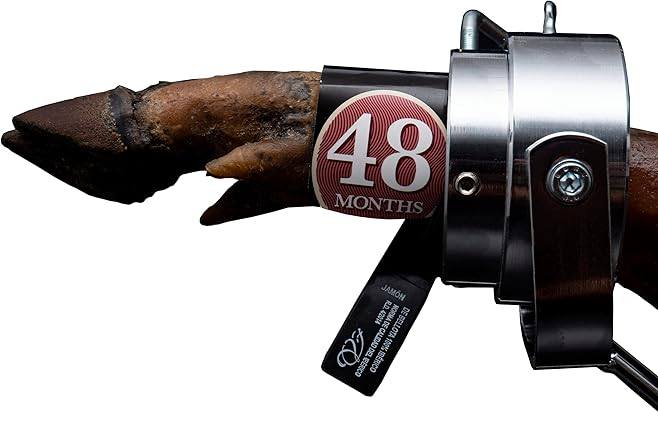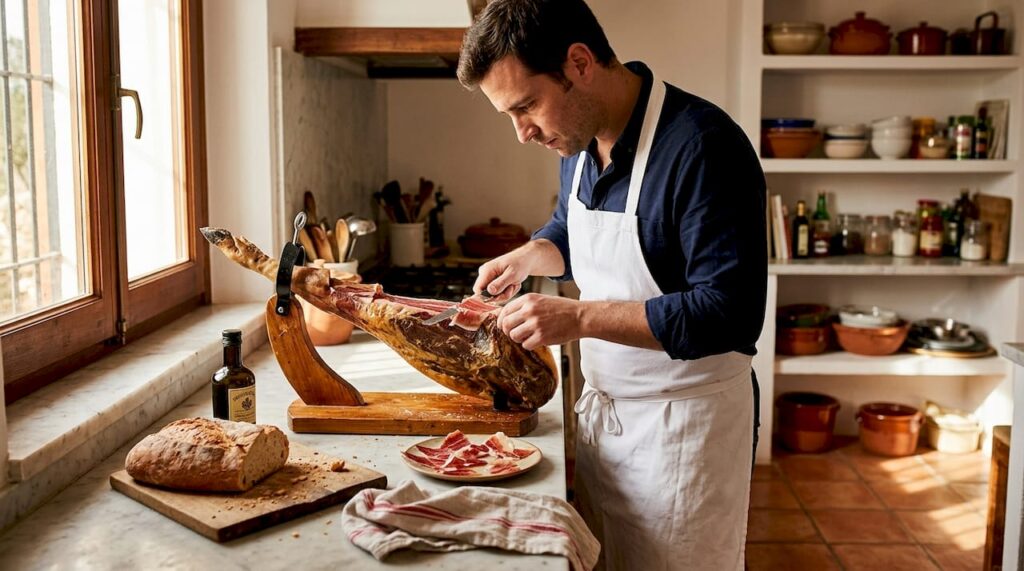
Spanish charcuterie is far more than a platter of cured meat. It is a living tradition, shaped by centuries of artisanal skill, regional pride, and an almost devotional respect for the pig. Known in Spain as embutidos or charcutería, this world encompasses dozens of distinct products, each with its own character, curing method, and cultural story. At the pinnacle sits Jamón Ibérico, a ham so prized it has been called the finest cured meat on earth. But understanding why requires looking beyond the label and into the fields, the salt, and the slow passage of time that transforms raw pork into something truly extraordinary.
Table of Contents
- What defines Spanish charcuterie
- Traditional production and curing methods
- The distinction between Iberico and Serrano ham
- Serving, tasting, and appreciating Spanish charcuterie
- Expert take: What most charcuterie guides overlook
- Experience authentic Spanish charcuterie
- Frequently asked questions
Key Takeaways
| Point | Details |
|---|---|
| Diverse charcuterie types | Spanish charcuterie features over 48 renowned meats, including ham, sausages, and lomo. |
| Artisan curing methods | Traditional techniques involve months or even years of natural ageing, shaping unique flavours. |
| Iberico vs Serrano clarity | Distinct breeds, diets, and curing lead to different flavours, textures, and prestige levels. |
| Serving expertise matters | Best flavour is unlocked by serving thin slices at room temperature, respecting charcuterie tradition. |
| Real taste over labels | Breed purity and labelling do not always guarantee the best taste; practical appreciation is key. |
What defines Spanish charcuterie
Spanish charcuterie is not a single product. It is a vast family of cured pork preparations, each rooted in a specific region, technique, and tradition. The term embutidos or charcutería covers everything from whole hams hung in mountain air to finely ground sausages seasoned with smoked paprika. Spain takes enormous pride in this heritage, and rightly so.
The sheer variety is staggering. Chorizo alone has over 96 regional varieties, each shaped by local spices, fat ratios, and curing conditions. Spain produces more than 48 recognised charcuterie products at a national level, and that figure grows considerably when regional specialities are counted.
The principal types you will encounter include:
- Jamón Ibérico — the celebrated acorn-fed ham from Iberian pigs, aged for years in natural cellars
- Jamón Serrano — a white-pig mountain ham, firm and savoury, cured for a shorter period
- Chorizo — a paprika-spiced sausage, available fresh, semi-cured, or fully cured
- Salchichón — a refined, pepper-seasoned cured sausage with a smooth, clean flavour
- Lomo embuchado — cured pork loin, lean and intensely flavoured, often sliced paper-thin
- Morcilla — a rich blood sausage, seasoned with rice, onion, or pine nuts depending on the region
- Fuet — a slender, dry-cured Catalan sausage with a delicate white mould rind
- Sobrasada — a spreadable, paprika-rich sausage from the Balearic Islands
- Morcón — a thick, whole-muscle sausage from Extremadura, bold and deeply cured
These key types represent the breadth of Spanish charcuterie. Each one reflects the landscape and climate of its origin. A fuet from Catalonia tastes nothing like a sobrasada from Mallorca, and that contrast is precisely the point. Spanish charcuterie rewards curiosity.
What unites all of these products is a commitment to quality pork and patient, natural curing. No shortcuts. No artificial acceleration. The finest Spanish charcuterie is made slowly, with skill passed down through generations.
Traditional production and curing methods
With the principal varieties established, the next layer of understanding comes from their painstaking production methods. Artisanal Spanish charcuterie relies on three elemental forces: salt, climate, and time. Modern technology has changed very little about this process. The best producers still follow methods that would be recognisable to their great-grandparents.
The curing process for whole hams follows a clear sequence:
- Salting — The fresh ham is buried in coarse sea salt for approximately one day per kilogram of weight, typically seven to ten days in total.
- Washing and resting — The salt is removed, and the ham rests in cool, controlled conditions for one to two months, allowing the salt to distribute evenly through the muscle.
- Drying — The ham moves to natural dryers, where mountain air and seasonal temperature changes begin to develop flavour and reduce moisture over six to nine months.
- Cellar ageing — Finally, the ham hangs in underground cellars, where natural airflow and humidity continue the transformation for twelve months to over four years.
This four-stage process is what separates genuine artisanal ham from industrial imitations. The curing duration varies considerably by product:
| Product | Minimum curing time | Maximum curing time |
|---|---|---|
| Jamón Ibérico Bellota | 24 months | 64+ months |
| Jamón Serrano | 7 months | 18 months |
| Lomo embuchado | 2 months | 4 months |
| Chorizo (cured) | 1 month | 3 months |
The flavour compounds that make Jamón Ibérico so extraordinary, including its characteristic nuttiness and silky fat, develop almost entirely during this long ageing period. Rushing it produces an inferior product. Patience is not optional.

Pro Tip: When selecting any Spanish cured meat, ask about the curing duration. Longer ageing generally signals greater complexity and depth of flavour, particularly for Iberico and its unique qualities. The quality of Spanish pork begins with the animal itself, but it is perfected through time.
The distinction between Iberico and Serrano ham
As production technique sets the base, the next critical factor is how Iberico and Serrano differ from pig to plate. The contrast between these two hams is not simply one of price. It is a difference in breed, diet, lifestyle, and ultimately flavour.
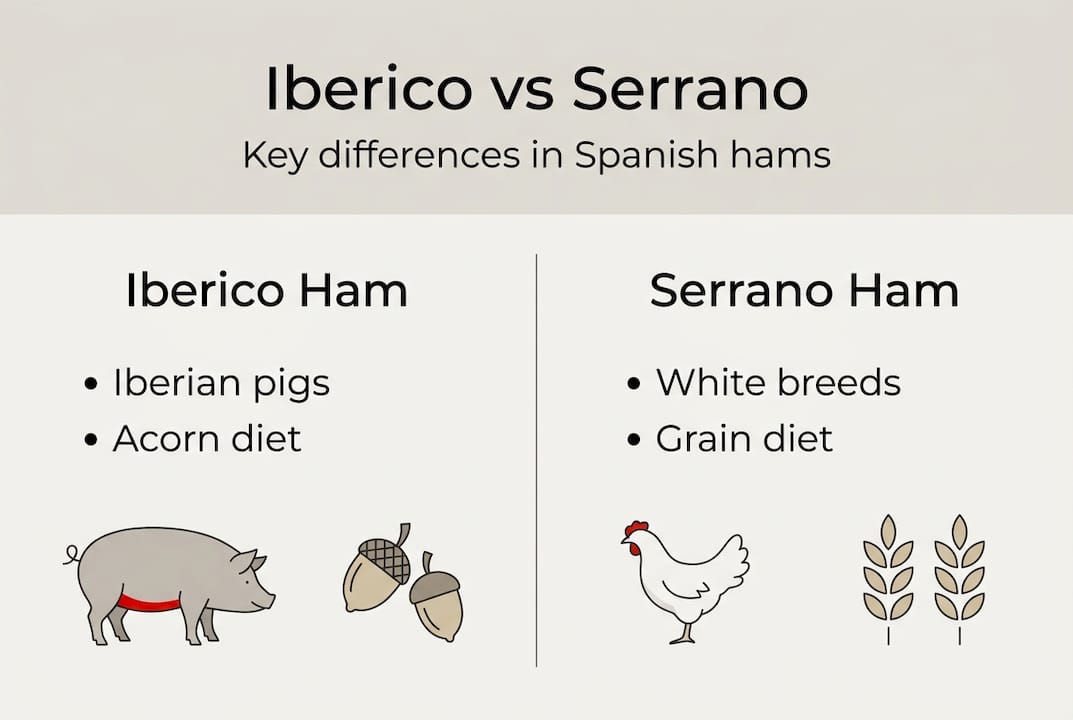
Jamón Ibérico comes from the native Iberian pig, a breed with a unique genetic ability to store fat within its muscle tissue. This intramuscular fat, developed through months of roaming oak forests and eating acorns during the montanera season, produces the nutty, melt-in-mouth texture that defines the finest examples. Jamón Serrano, by contrast, comes from white pig breeds such as Landrace or Duroc. These pigs are grain-fed and raised in conventional conditions, producing a ham that is firmer, saltier, and more straightforward in flavour.
The Iberico labelling system is worth understanding clearly:
- Black label — 100% pure Iberian breed, acorn-fed (bellota), the highest tier
- Red label — 50% to 75% Iberian breed, acorn-fed (bellota)
- Green label — Iberian breed, free-range but not exclusively acorn-fed (cebo de campo)
- White label — Iberian breed, grain-fed (cebo), the entry-level tier
These bellota label distinctions matter because they signal both breed purity and diet quality. Only a very small proportion of pigs ever qualify for the top tier. The conditions required for true bellota production are demanding and cannot be replicated at scale.
| Feature | Jamón Ibérico | Jamón Serrano |
|---|---|---|
| Pig breed | Iberian (native) | White breeds (Landrace, Duroc) |
| Diet | Acorns and pasture | Grain-fed |
| Fat marbling | Intense intramuscular | Minimal |
| Curing time | 24 to 64+ months | 7 to 18 months |
| Flavour profile | Nutty, complex, silky | Firm, savoury, clean |
| Price point | Premium to luxury | Accessible |
For a deeper comparison, the Iberico vs Serrano guide covers the full spectrum of differences. If you are exploring Spanish ham for the first time, understanding why Spanish ham is unique will help you choose with confidence.
Serving, tasting, and appreciating Spanish charcuterie
Understanding what sets each ham apart, you can now turn knowledge into delicious practice and begin appreciating Spanish charcuterie like a gourmet. How you serve these products matters enormously. Even the finest Jamón Ibérico will disappoint if served cold, sliced too thick, or paired carelessly.
The foundational rule is simple: serve thinly sliced at room temperature for the fat to soften and the full flavour to open. Cold fat is waxy and muted. At room temperature, it glistens, melts on the tongue, and releases its full aromatic complexity.
Here are the key principles for serving and appreciating Spanish charcuterie:
- Slice thickness — Jamón Ibérico should be almost translucent. Serrano can be slightly thicker but never chunky.
- Temperature — Remove from the refrigerator at least 20 to 30 minutes before serving.
- Quality signs — Look for shiny, ivory-coloured fat, uniform marbling through the muscle, and a deep, complex aroma.
- Accompaniments — Toasted bread rubbed with ripe tomato and good olive oil is the classic pairing. Fine Spanish wines, particularly aged Rioja or dry Fino sherry, complement the savoury depth beautifully.
- Quantity — Less is more. A small amount of exceptional ham is far more satisfying than a large portion of mediocre product.
Pro Tip: The nutritional profile of Iberico ham is surprisingly favourable. Its fat is rich in oleic acid, the same compound found in olive oil, making it one of the more healthful luxury foods available.
“Taste preference varies even among black and red label Iberico. The finest experience is not always the most expensive slice — it is the one served correctly.”
Tasting Spanish charcuterie thoughtfully means slowing down. Chew slowly. Notice how the fat dissolves. Observe the transition from salt to sweetness to nuttiness. This is not fast food. It is a sensory experience that rewards patience, much like the curing process itself.
Expert take: What most charcuterie guides overlook
Most guides to Spanish charcuterie focus heavily on labels and rankings. Black label is best. Red label is second. Buy the most expensive and you will be satisfied. This framing misses something important.
Label purity does not guarantee superior taste. The black label debate is real: 100% Iberian breed and acorn-fed status are markers of provenance, not personal preference. Many experienced tasters find red label Iberico equally compelling, sometimes more so, depending on the producer and the ageing conditions.
What guides consistently overlook is the role of serving. A perfectly labelled ham served cold and thick is a wasted opportunity. An artisanal red label ham, sliced correctly and rested at room temperature, can be transcendent. Technique transforms the experience far more than the label alone.
There is also the question of tradition versus marketing. The most celebrated producers are not always the loudest. Small-scale, family-run operations, working with Iberian breeds and traditional methods, often produce hams of extraordinary quality without the premium brand markup. Seek them out. Ask questions about curing time, breed purity, and production scale. The answers will tell you more than any label ever could.
Experience authentic Spanish charcuterie
Reading about Spanish charcuterie is one thing. Tasting it is another entirely. If this article has sharpened your appetite for something genuinely exceptional, the next step is finding a source you can trust.
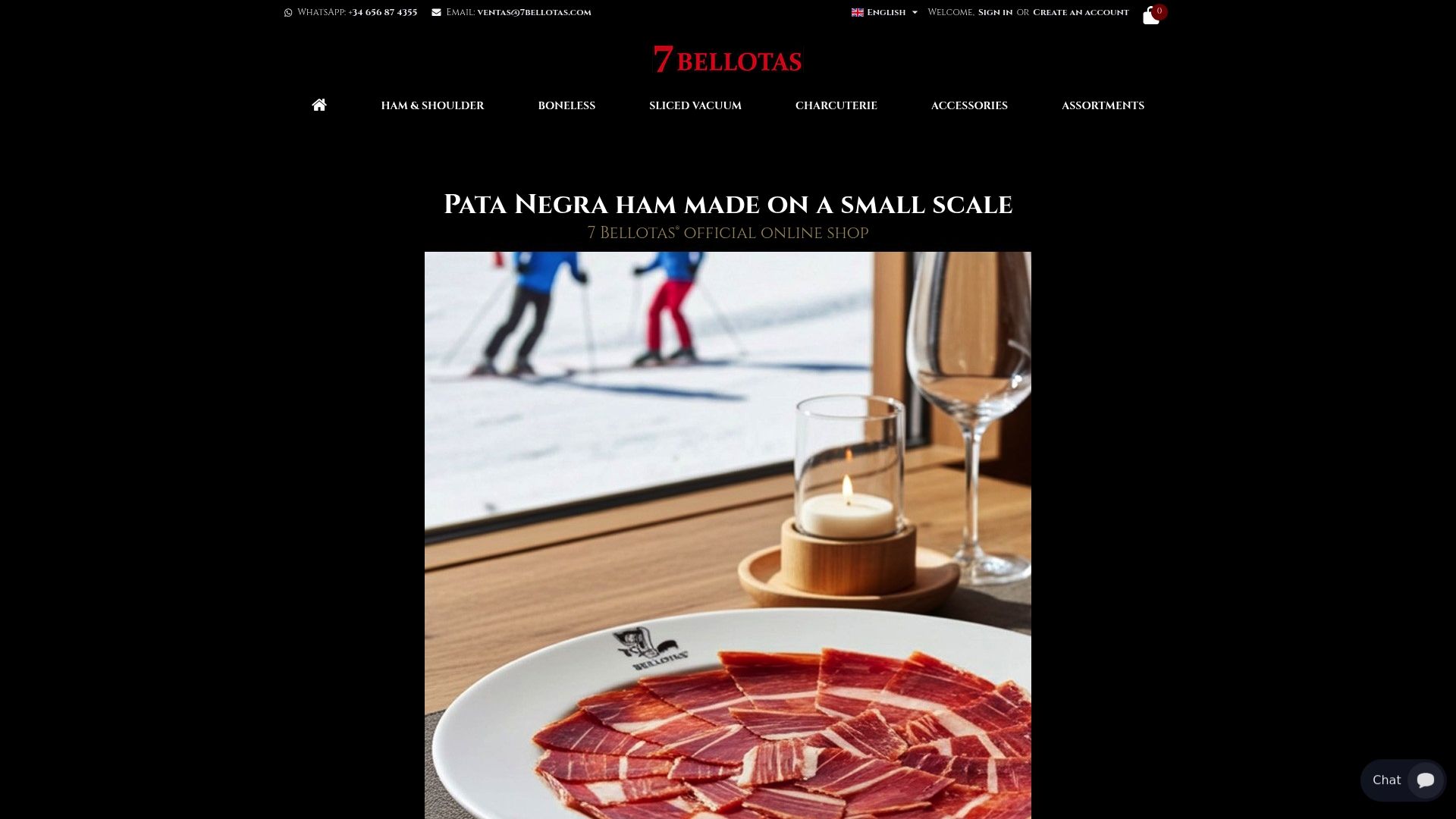
At 7 Bellotas, the focus is on small-scale, artisanal production and authentic Spanish heritage. Every ham is acorn-fed, dry cured with care, and aged in natural conditions for a minimum of 36 months, with select pieces aged for over 64 months. Whether you are seeking a whole Pata Negra ham, vacuum-packed slices for immediate enjoyment, or a curated selection of chorizo and lomo, the range reflects a genuine passion for quality. This is Spanish charcuterie as it should be: prized, patient, and deeply traditional.
Frequently asked questions
What makes Iberico ham different from Serrano ham?
Iberico ham originates from acorn-fed Iberian pigs, offering nutty, melt-in-mouth flavours, while Serrano comes from white pigs, is grain-fed, and produces a firmer, saltier result.
How long does it take to cure Spanish charcuterie meats?
Curing varies considerably: Jamón Ibérico ages for 24 to 64 months, while Jamón Serrano typically cures for seven to eighteen months.
What are the main types of Spanish charcuterie?
Major types include Jamón Ibérico, Serrano, chorizo, salchichón, lomo embuchado, fuet, morcilla, sobrasada, and morcón, each with a distinct regional character.
How should Spanish charcuterie be served for best flavour?
Serve thinly sliced at room temperature to allow the fat to soften and the full aromatic complexity to develop before eating.