TL;DR:
- Proper preparation and serving temperature are essential to fully enjoy Iberico ham’s flavor.
- Classic pairings include dry sherries like Fino or Manzanilla with Manchego cheese and olives.
- Thinnest slices (1-2mm) and thoughtful presentation elevate the tasting experience significantly.
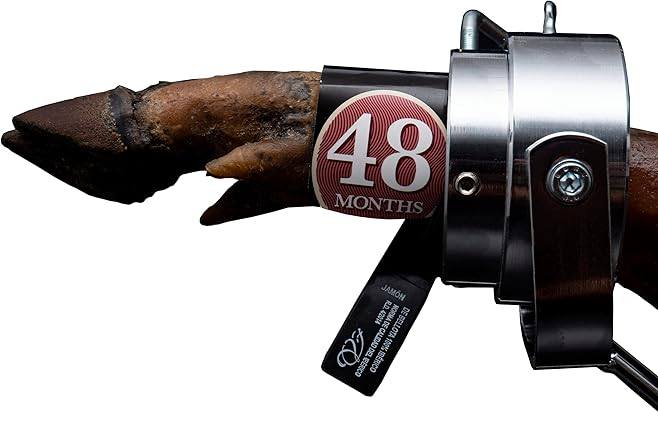
Few culinary experiences rival the moment when a wafer-thin slice of acorn-fed Pata Negra dissolves on your tongue, releasing layers of nutty, sweet, and savoury depth. Yet that moment is surprisingly easy to undermine. Serve the ham too cold, slice it too thick, or reach for the wrong wine, and even the finest 48-month cured leg loses much of its magic. The difference between a good and a truly great Iberico ham experience almost always comes down to pairing and preparation. This guide walks you through every essential step, from assembling the right tools to choosing the perfect wine, so your next tasting is nothing short of extraordinary.
Table of Contents
- Essential tools and ingredients for perfect pairing
- Mastering preparation: Temperature, slicing, and presentation
- Pairing Iberico ham with wine: Classics and creative matches
- Food pairings and serving rituals for a gourmet encounter
- Why pairing Iberico ham is both art and science
- Elevate your next tasting with authentic Iberico ham
- Frequently asked questions
Key Takeaways
| Point | Details |
|---|---|
| Preparation matters | Achieving room temperature and thin slices is vital for full Iberico ham flavour. |
| Ideal wine pairings | Dry sherry and select crisp whites best highlight Iberico ham’s unique taste. |
| Clever food accompaniments | Manchego cheese, nuts, fruits, and olives enhance the savoury and sweet notes. |
| Use expert serving rituals | Alternate bites and choose boards and textures to amplify every taste. |
| Personal taste leads | Trust your palate—great pairings blend tradition with creative experimentation. |
Essential tools and ingredients for perfect pairing
Now that you know what sets a gourmet Iberico ham experience apart, let’s begin by assembling the right tools and ingredients. Getting these fundamentals right before you even touch the ham will save you from avoidable mistakes and set the stage for a genuinely memorable occasion.
Key serving equipment
- A sharp, flexible carving knife (a jamonero knife is ideal)
- A sturdy wooden carving board or ham stand
- An ambient thermometer to monitor room temperature
- Small serving boards or slate tiles for plating
Core accompaniments
- Aged Manchego cheese
- Marcona almonds
- Fresh figs or ripe melon
- Gordal or Manzanilla olives
- High-quality extra virgin olive oil for drizzling
These items are not decorative afterthoughts. Each one serves a specific sensory purpose, whether cleansing the palate, adding textural contrast, or amplifying the ham’s natural sweetness.
| Accompaniment | Role in the pairing | Best format |
|---|---|---|
| Manchego cheese | Nutty, creamy complement | Thinly sliced wedges |
| Marcona almonds | Crunchy palate reset | Lightly salted, whole |
| Fresh figs | Sweet contrast | Halved, at room temperature |
| Olives | Briny counterpoint | Whole, pitted |
| Extra virgin olive oil | Enhances fat notes | Light drizzle on board |
For serving ideas and expert pairings, aim for 40-60g per person when presenting as an appetiser, and always serve on a wooden board to absorb any excess moisture and maintain presentation quality.
Pro Tip: Prepare all your accompaniments at least 20 minutes before guests arrive. Cold cheese and refrigerated figs will dull the contrast you’re working to create. Everything on the board should be at room temperature.
Mastering preparation: Temperature, slicing, and presentation
With your key ingredients assembled, perfect preparation is your next step. This is where many enthusiasts lose points without realising it. The mechanics of temperature and slicing are not trivial details; they are the foundation of the entire experience.
- Rest the ham. Remove the Iberico ham from any packaging and allow it to rest at room temperature (20-24°C) for a minimum of 30 minutes. This allows the intramuscular fat to soften and the aromatic compounds to become active.
- Check the temperature. Use your ambient thermometer. Below 20°C, the fat remains firm and the flavour stays muted. Above 24°C, the fat can become greasy rather than silky.
- Slice thinly and consistently. Temperature control and thin slicing are critical for aroma and melt-in-mouth texture. Target slices of 1-2mm. Each slice should be almost translucent, wide enough to cover a small bite, and never torn or ragged.
- Alternate with cleansers. Between every two or three slices, offer a Marcona almond or a small piece of bread. This resets the palate and keeps each bite of ham feeling as vivid as the first.
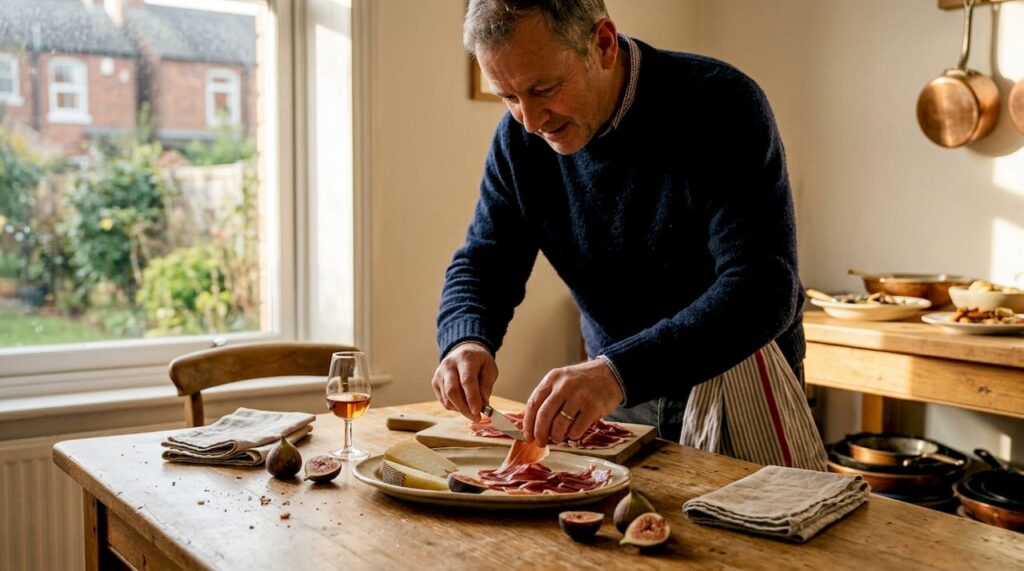
- Present thoughtfully. Lay slices slightly overlapping on the wooden board, fanning them gently. Avoid stacking, which causes slices to stick and lose their delicate texture.
For a detailed carving guide and slicing tips, the technique matters as much as the knife. A blunt blade tears the muscle fibres and disrupts the fat marbling that makes Iberico so prized. Equally, creative presentation ideas can transform a simple board into a centrepiece worthy of the ham’s heritage.
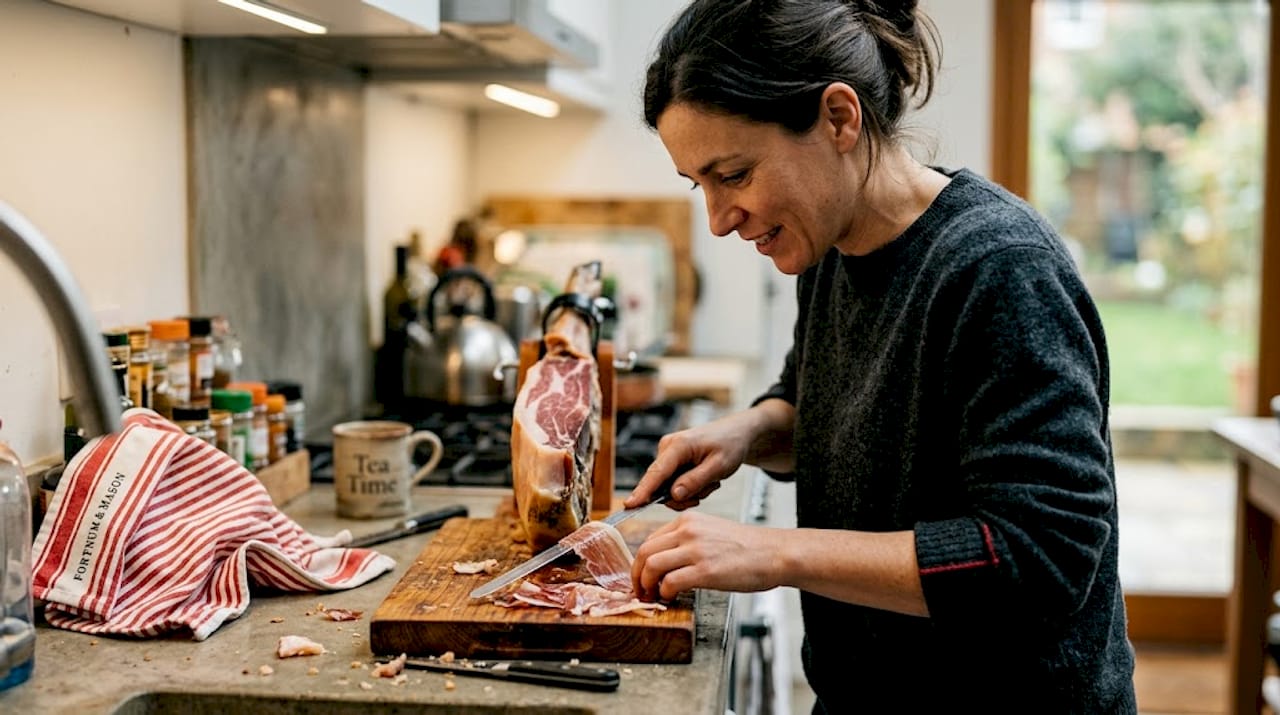
Pro Tip: If you are working from a whole leg, always carve only what you will serve immediately. Freshly carved slices are incomparably better than pre-sliced portions left to dry on a board.
Pairing Iberico ham with wine: Classics and creative matches
Once you’ve mastered serving, the next step is choosing an ideal drink to showcase every nuance. Wine pairing for Iberico ham is a subject that inspires genuine passion among connoisseurs, and for good reason. The right glass amplifies the ham’s complexity; the wrong one flattens it.
“The best wine for Iberico ham is one that respects the fat. You want something that cuts through richness without overpowering the delicate nuttiness of an acorn-fed cure.”
Classic wine pairings for acorn-fed Iberico centre on dry sherries: Fino and Manzanilla are the traditional choices. Their crisp, saline character cuts through the fat while echoing the ham’s mineral depth. For milder Iberico varieties, aromatic whites such as Albariño or Verdejo work beautifully, as do young reds like Rioja Crianza or Tempranillo.
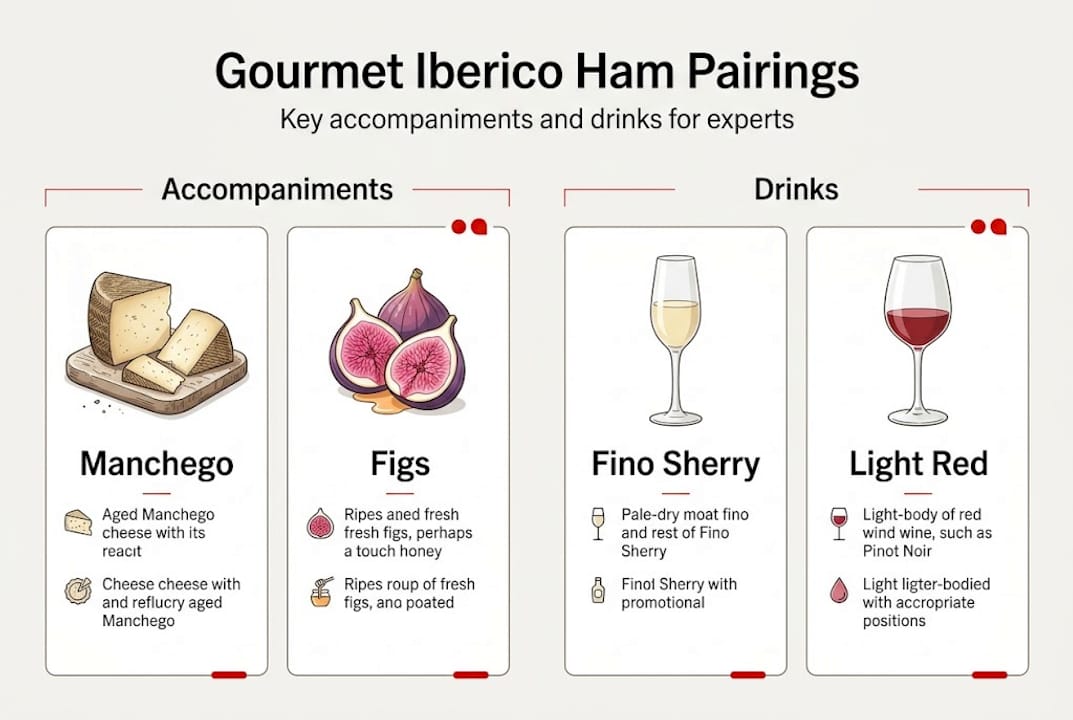
| Ham type | Recommended wine | Why it works |
|---|---|---|
| Bellota (acorn-fed) | Fino or Manzanilla sherry | Saline cut, mineral echo |
| Cebo de campo | Albariño or Verdejo | Bright acidity, floral lift |
| Milder Iberico | Rioja Crianza, Tempranillo | Light tannins, red fruit |
Wines to approach with caution:
- Heavy, tannic reds (Cabernet Sauvignon, aged Rioja Gran Reserva): tannins clash with the fat and create a bitter finish
- Oaked Chardonnay: buttery notes compete rather than complement
- Sweet wines: overwhelm the subtle savoury complexity
Some sources caution against reds entirely, while others advocate for low-tannin versions. The nuance worth remembering is that the ham’s cure length and fat content should guide your choice. For deeper tasting tips and a full Iberico vs Serrano comparison, understanding the grade of ham you’re serving is the first step to confident wine selection.
Food pairings and serving rituals for a gourmet encounter
With drinks sorted, enhance the experience by mastering complementary food and service rituals. A thoughtfully constructed board is not simply about abundance; it is about sequencing flavours so that each element makes the next one taste better.
Building the perfect Iberico board:
- Manchego cheese as the nutty, creamy anchor
- Marcona almonds for crunch and a palate reset between bites
- Fresh figs or ripe melon for sweet contrast against the savoury cure
- Olives for a briny counterpoint that refreshes the mouth
- A light drizzle of extra virgin olive oil to enhance the ham’s fat notes
A structured tasting ritual elevates the experience from casual snacking to something genuinely memorable. Follow these steps:
- Begin with a plain slice. Taste the ham alone first. Notice the initial saltiness, then the wave of nuttiness, then the long, sweet finish.
- Follow with Fino sherry. Sip slowly and note how the saline quality of the wine amplifies the ham’s mineral character.
- Take a Marcona almond. The crunch and mild bitterness reset the palate between bites, keeping your senses sharp.
- Pair with Manchego. Place a small sliver of cheese alongside the next slice of ham. The nutty creaminess creates a layered, almost buttery sensation.
- Introduce the fig. The sweetness of a ripe fig against the savoury ham is one of the most satisfying contrasts in Spanish gastronomy.
- Finish with olive oil. A single drop on the tongue after the last slice rounds out the tasting with a grassy, peppery note.
For a deeper exploration of how to taste Iberico ham with a connoisseur’s approach, sequencing is everything. Texture play, moving between crunchy, creamy, and sweet, keeps every bite feeling as rewarding as the first.
Why pairing Iberico ham is both art and science
Having mastered the essentials, it’s time for a bolder approach. The classic pairings in this guide exist for good reason: they have been refined over generations by people who understood the ham deeply. But treating them as rigid rules misses the point entirely.
The most memorable Iberico experiences we have encountered were not the textbook ones. They were the unexpected moments: a slice of Bellota ham alongside a cold glass of Cava, or paired with a sliver of dark chocolate and a few drops of aged balsamic. These combinations were not in any guide. They emerged from curiosity and a willingness to trust the palate.
The science provides the framework. Fat needs acidity. Salt needs sweetness. Intensity needs contrast. Once you understand those principles, you are free to improvise. Your palate is unique, and the best pairing is often the one you invent yourself. Explore insights on sliced ham authenticity to ensure the quality of your starting point is never in question, because no amount of creative pairing rescues a mediocre ham.
Elevate your next tasting with authentic Iberico ham
Ready to put these tips to the test? Every pairing principle in this guide depends on one non-negotiable foundation: the quality of the ham itself. Thin slicing, careful temperature control, and a beautifully curated board will only reveal their full potential when the Iberico ham is genuinely exceptional.
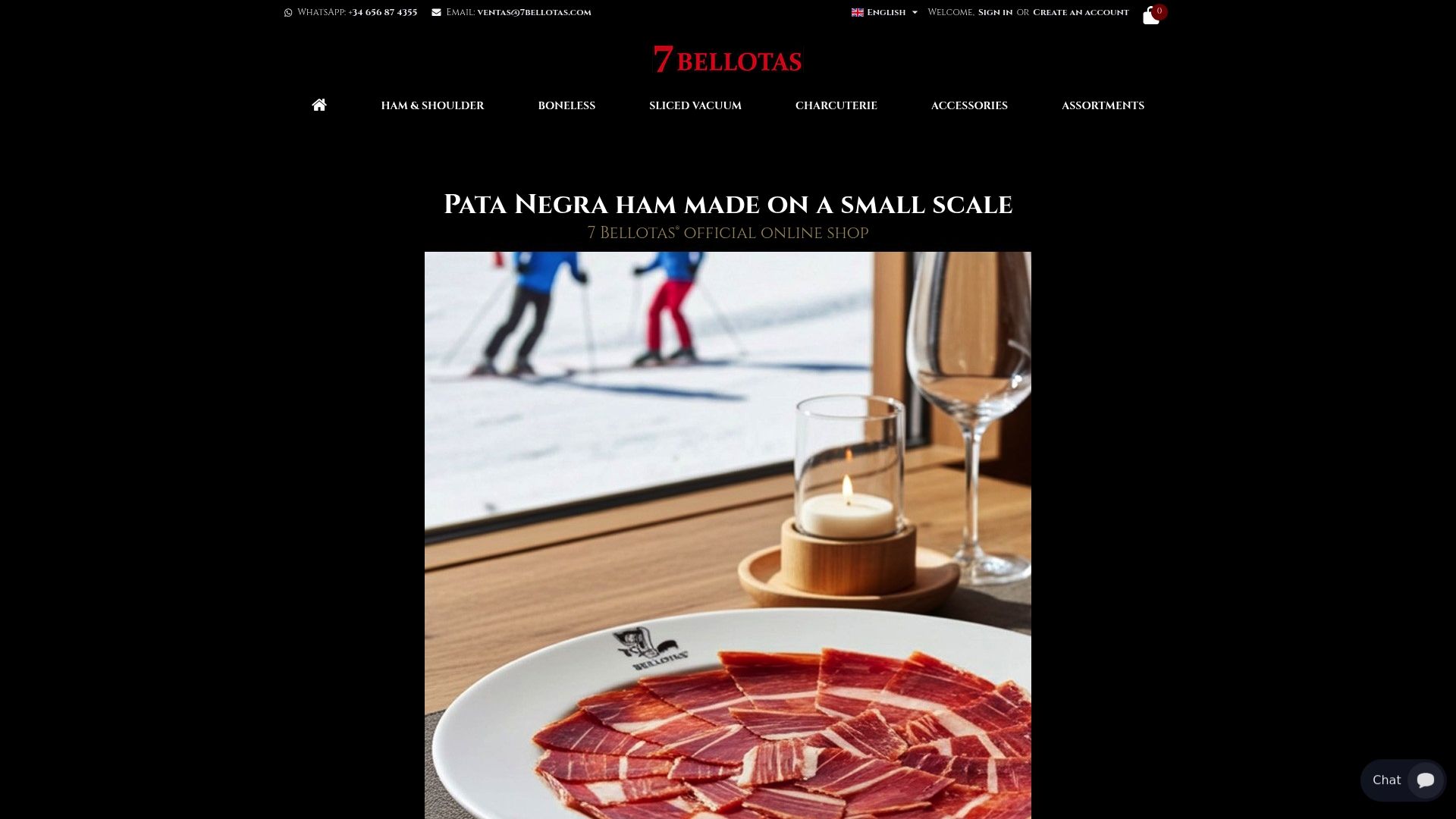
At 7 Bellotas, we offer acorn-fed Pata Negra hams cured for 36 to over 64 months, sourced from small-scale artisan producers who follow traditional natural curing methods. Whether you are building your first gourmet board or refining a tasting you have hosted for years, buy premium Iberico ham directly from Spain and experience the difference that authentic craftsmanship makes. The right ham transforms every pairing from good to unforgettable.
Frequently asked questions
What cheese goes best with Iberico ham?
Manchego cheese is the classic and best-loved pairing for Iberico ham, offering a nutty, aged complement that enhances the ham’s savoury depth without overpowering it.
Which wine should I serve with Iberico ham?
Dry sherries such as Fino or Manzanilla are the ideal match for intense acorn-fed Iberico; for milder varieties, try lighter whites like Albariño or young reds such as Rioja Crianza or Tempranillo.
How thin should Iberico ham slices be for best flavour?
Slices should be 1-2mm thin to allow the ham’s fat to melt quickly on your tongue, releasing the full depth of aroma and flavour.
Can I serve Iberico ham cold from the fridge?
No. Iberico ham must always be served at room temperature (20-24°C) to unlock its full flavour and aroma; cold ham remains firm and muted on the palate.