Selecting a truly exceptional Iberico ham from a crowded market is no small feat. Even seasoned gourmets can feel uncertain when faced with a wall of labels, varying price points, and claims of authenticity that are not always what they seem. The difference between a mediocre cured ham and a genuine, acorn-fed Pata Negra is vast, both in flavour and in the story behind every slice. This guide cuts through the noise, offering a practical, sensory-led framework for identifying the real thing. From official designations to the colour of the fat, every quality signal is here.
Table of Contents
- Official designations and what they mean
- Visual cues: What to see in a quality ham
- Aroma and taste: The senses never lie
- Expert shortcuts: Quick checks for confident selection
- Why discovering the signs of quality elevates your gourmet journey
- Bring authentic Iberico ham to your table
- Frequently asked questions
Key Takeaways
| Point | Details |
|---|---|
| Check the label first | Official seals and designations are the most reliable sign of Iberico ham quality. |
| Inspect marbling and fat | Fine white fat veins and golden waxy fat signal breed purity and expert curing. |
| Trust your senses | Complex aroma and sweet, nutty flavours confirm true premium Iberico ham. |
| Use a quick checklist | A simple step-by-step approach ensures you confidently select authentic ham every time. |
Official designations and what they mean
Before anything else, look at the label. Spanish regulations governing Iberico ham are among the strictest in the world for cured meat, and the official classification system exists precisely to protect buyers and producers alike. Understanding these designations is the single most reliable shortcut to quality.
The Spanish system organises Iberico ham into four categories, each identified by a coloured seal:
- Black seal (Jamón Ibérico de Bellota 100%): The pinnacle. Purebred Ibérico pigs, free-range, fed exclusively on acorns during the montanera (autumn fattening season). This is true Pata Negra.
- Red seal (Jamón Ibérico de Bellota): Crossbred Ibérico pigs (minimum 50% Ibérico breed), also acorn-fed and free-range during montanera.
- Green seal (Jamón Ibérico de Cebo de Campo): Ibérico pigs raised in open pastures, fed on a mix of natural grasses and feed. Not acorn-fed.
- White seal (Jamón Ibérico de Cebo): Ibérico pigs raised in conventional farms on commercial feed only.
The breed percentage matters enormously. A 100% purebred Ibérico pig produces a ham with a distinctly different fat profile and flavour complexity compared to a 50% crossbred animal. Official Iberico ham labels such as these seals and designations are regulated indicators of both breed and diet, so never ignore them.
| Seal colour | Breed | Diet | Free-range |
|---|---|---|---|
| Black | 100% Ibérico | Acorns only | Yes |
| Red | 50%+ Ibérico | Acorns only | Yes |
| Green | 50%+ Ibérico | Pasture and feed | Yes |
| White | 50%+ Ibérico | Commercial feed | No |
For guidance on recognising authentic Iberico ham beyond the label, look for a registered producer code on the seal itself. This code links back to a certified farm and curing facility, giving you full traceability. The quality grades of Iberico ham follow this colour-coded system nationally, making it universally applicable across Spain and in specialist retailers abroad.
Pro Tip: When buying online or from a deli counter, always ask for the official classification seal number. Reputable sellers will provide it without hesitation.
Visual cues: What to see in a quality ham
Once you have verified the label, use your eyes. Premium Iberico ham has a visual signature that is unmistakable once you know what to look for.
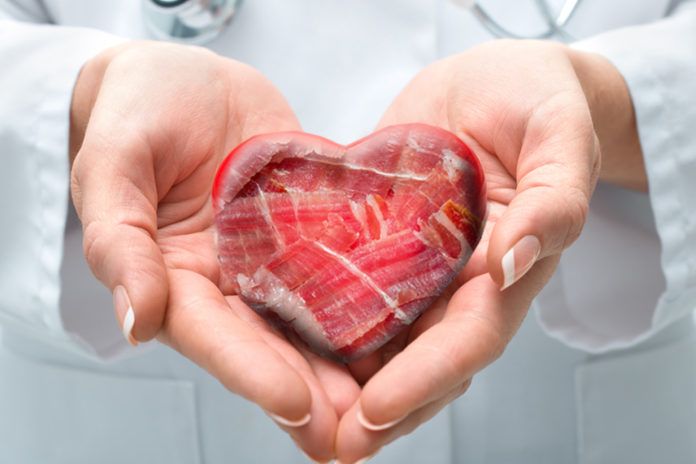
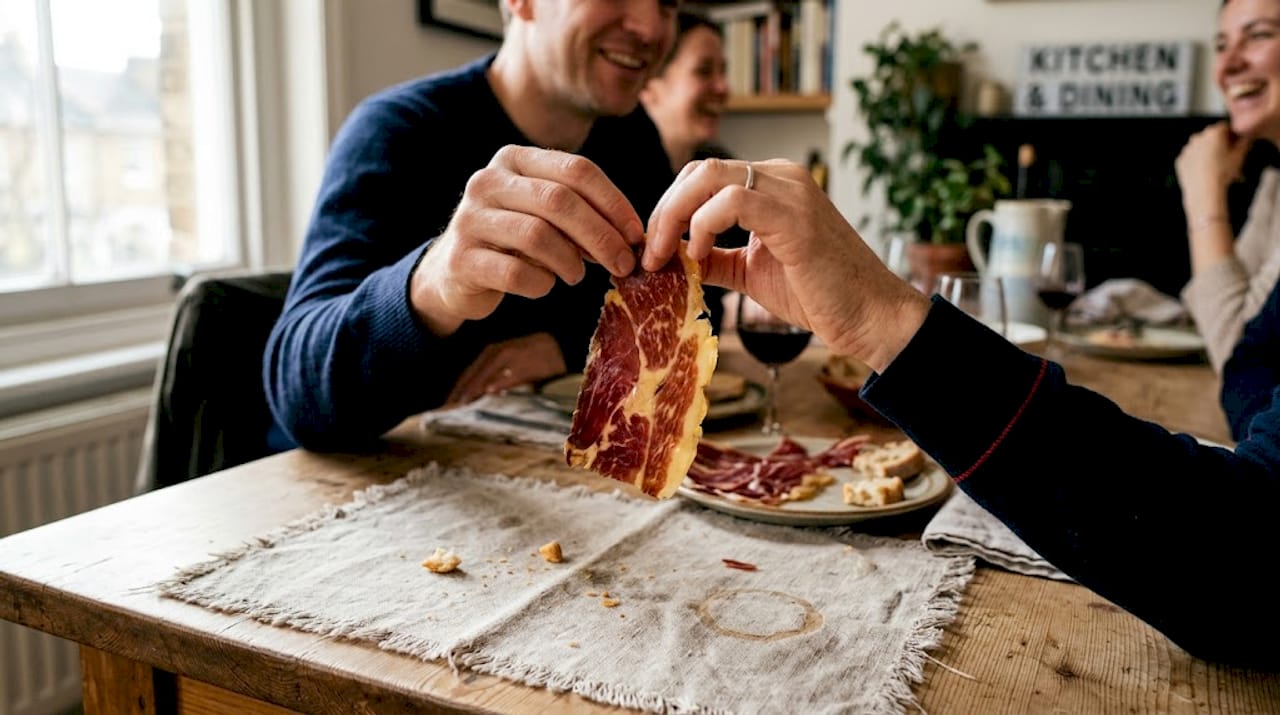
The meat itself should be a deep, glossy red, almost burgundy in hue. Fine, white fat veins should run through the muscle in an intricate, web-like pattern. This is the famous marbling that sets Ibérico apart. The unique marbling of Iberico ham is a direct result of the acorn diet and the breed’s natural ability to infiltrate fat into the muscle tissue, rather than storing it purely beneath the skin.
The external fat cap is equally telling. On a high-quality ham, this fat should be:
- Soft and yielding to light pressure, not hard or waxy in a brittle sense
- Yellowish or golden in tone, not pure white. The yellow tinge comes from oleic acid and carotenoids absorbed during the acorn diet
- Slightly oily to the touch, which indicates proper curing and a high proportion of monounsaturated fats
The external appearance of the ham, particularly the marbling and waxy fat, signals breed quality and the length of ageing. A ham cured for 36 months or more will show more concentrated colour and a drier surface than a younger product.
| Visual indicator | Premium quality | Lower quality |
|---|---|---|
| Meat colour | Deep burgundy red | Pale pink or brown |
| Marbling | Fine, even fat veins | Absent or uneven |
| Fat colour | Yellowish, golden | Pure white or grey |
| Fat texture | Soft, slightly oily | Hard, brittle |
| Surface | Dry, slightly crystallised | Moist or sticky |
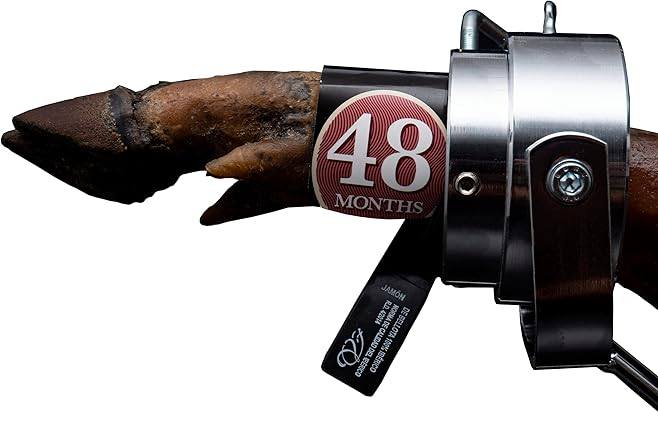
The shape of the leg and the hoof also offer clues. Ibérico pigs are slender animals with narrow legs, so the ham itself tends to be more elongated and less bulky than a standard Serrano. The hoof is typically dark or black, though this is not an infallible indicator on its own as it can vary by individual animal.
Pro Tip: Press lightly on the fat cap with your thumb. On a genuine, well-aged Bellota ham, the fat will feel almost like cold butter and leave a faint impression.
Aroma and taste: The senses never lie
With visual checks complete, engage your palate and your nose. The sensory profile of a top-quality Iberico ham is layered, persistent, and unmistakable.
The aroma should greet you before the first bite. A premium Bellota ham carries an intense, rich fragrance with a subtle undertone of acorn and dried fruit. There is warmth to it, something almost toasted, alongside a faint sweetness. If the smell is flat, overly salty, or has any sour or rancid edge, step away.
In the mouth, the experience should be:
- Silky and yielding, never rubbery or tough
- Fat that melts almost immediately on the tongue, coating the palate gently
- A long, complex finish with notes of hazelnut, sweet chestnut, and a lingering umami quality
- Balanced salt, present but never dominant
“True Iberico ham balances nutty, earthy, and sweet notes with a lingering, complex aroma.”
The distinctive taste of Iberico ham is shaped by the montanera diet, the breed, and the curing environment. Hams aged in natural mountain dryers, where temperature and humidity fluctuate with the seasons, develop a complexity that factory-controlled environments simply cannot replicate.
Red flags to watch for in taste and aroma:
- Sourness or vinegary notes (sign of poor curing or incorrect storage)
- One-dimensional saltiness with no sweetness or nuttiness
- Rubbery or chewy texture (under-aged or lower breed quality)
- Absence of any lingering finish
For practical tips for tasting Iberico ham at home or in a shop, serve it at room temperature and allow a thin slice to rest briefly before tasting. Cold fat will not melt correctly, and the full aromatic profile will be muted.
Expert shortcuts: Quick checks for confident selection
Not every purchase happens in a leisurely setting. Sometimes you need to make a confident decision quickly. A systematic approach removes guesswork and, as any specialist will confirm, a reliable quality checklist helps avoid costly mistakes and ensures buyers take home premium ham every time.
Here is a six-step rapid evaluation guide:
- Check the seal colour first. Black or red seal confirms acorn feeding. Anything else is a different product category.
- Read the breed percentage. 100% Ibérico is the gold standard. Confirm it is printed clearly on the label.
- Examine the fat colour. Yellow to golden fat indicates an acorn-fed animal and proper ageing.
- Press the fat gently. It should yield softly, like cool butter. Hard fat suggests a lower-grade product or insufficient curing time.
- Check the curing duration. Bellota hams should be aged a minimum of 36 months. The finest examples exceed 48 or even 64 months.
- Assess the seller’s credibility. Specialist retailers and certified online purveyors who provide full traceability are far more reliable than generic supermarket offerings.
For expert selection tips that go deeper, consider the origin region. Designations of Origin such as Jabugo, Guijuelo, Dehesa de Extremadura, and Los Pedroches each impart subtle regional character to the ham, shaped by local climate and pasture.
Pro Tip: For the best value without compromising on quality, a red seal Bellota ham from a reputable producer often delivers extraordinary flavour at a more accessible price than the black seal equivalent. It is an excellent entry point for those new to premium Iberico.
When sourcing Iberico ham online, always look for sellers who display the official seal code, provide clear ageing information, and offer vacuum-packed slices with a visible cut date. Transparency is the hallmark of a trustworthy supplier.
Why discovering the signs of quality elevates your gourmet journey
Most people choose Iberico ham by price alone. It is understandable. The price range is wide, and without context, a higher number on a tag can feel like a gamble rather than a guarantee. But here is the truth: price is the least reliable indicator of quality. We have seen beautifully labelled, expensively packaged hams that disappoint entirely, and modestly presented Bellota hams that are nothing short of extraordinary.
Learning to read the real signals changes everything. It shifts the experience from passive consumption to active appreciation. You begin to notice the difference between fat that melts and fat that coats. You recognise the aromatic depth that only genuine acorn feeding produces. You connect with the producer, the dehesa (the oak woodland pasture), and the centuries of tradition behind every leg.
This knowledge also makes you a more confident host. Presenting a ham you have selected with genuine expertise, and being able to explain why it is exceptional, transforms a simple sharing moment into something memorable. For a deeper gourmet experience with Iberico ham, the ritual of selection is as rewarding as the tasting itself.
Bring authentic Iberico ham to your table
Knowing what to look for is only half the journey. The other half is finding a source you can trust completely.
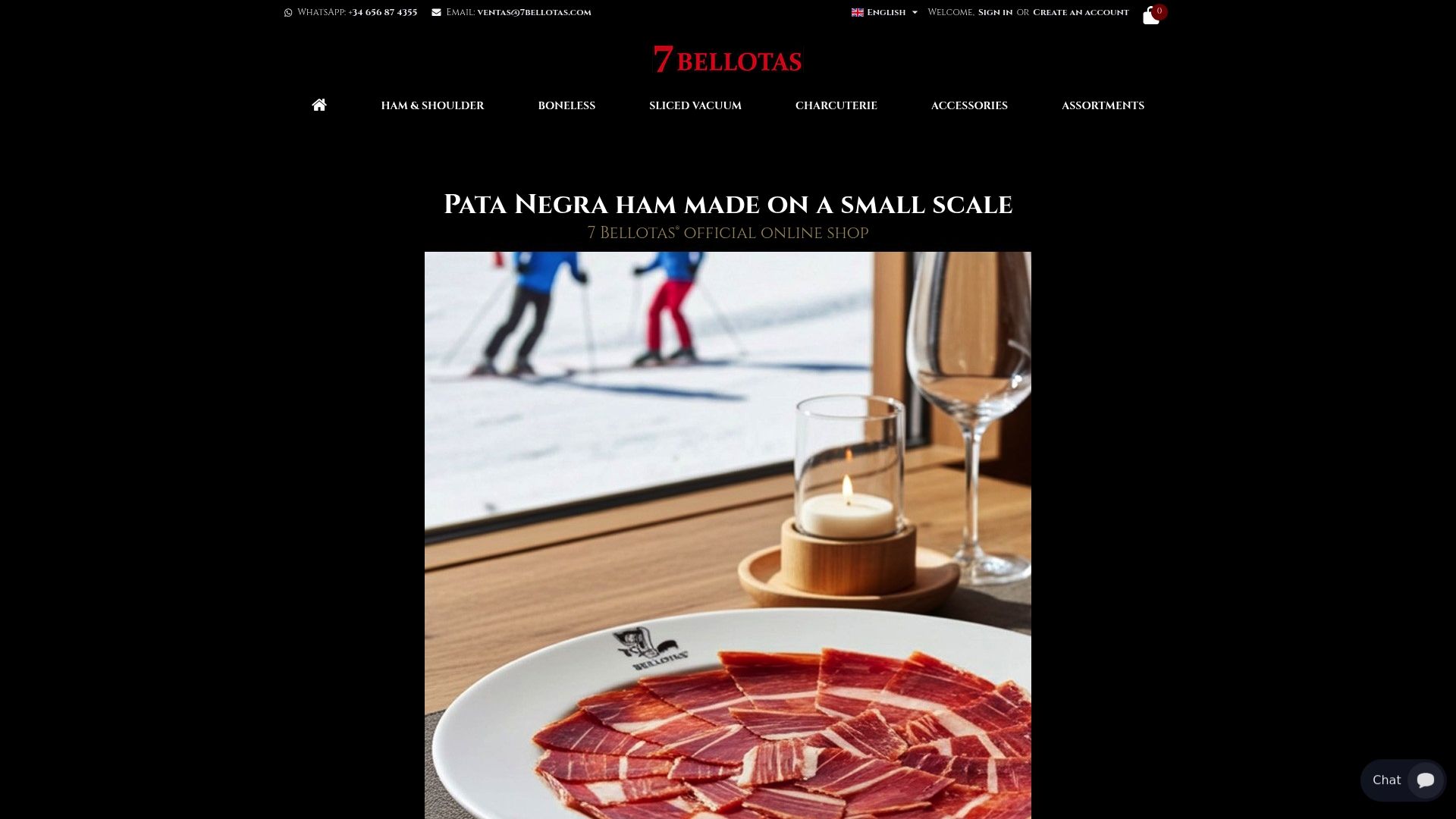
At 7 BELLOTAS®, every ham in the range is selected with the same rigorous criteria outlined in this guide. From 36-month acorn-fed Bellota hams to extraordinary pieces aged beyond 64 months, each product carries full traceability, official seal certification, and the assurance of small-scale, artisanal production. Whether you are building a charcuterie board for a special occasion or seeking a centrepiece worthy of a true gourmet gathering, shop Iberico ham online and discover a curated selection that honours every quality standard that matters.
Frequently asked questions
How can I tell if Iberico ham is authentic at first glance?
Look for the official Spanish seal on the packaging and check for fine, even marbling in the meat. These two visual indicators together are the fastest and most reliable first check.
What does the fat tell you about Iberico ham quality?
Premium Iberico ham has soft, slightly oily fat with a yellowish tinge, a direct result of the acorn diet and proper ageing. The fat texture and colour are among the most honest quality signals available.
Are all ‘Iberico’ hams of the same quality?
Far from it. Only hams meeting specific breed percentage thresholds, acorn-based diet requirements, and full official certification reach true premium status. The label colour tells you exactly where a ham sits in the hierarchy.
What flavour notes should I expect from top-quality Iberico ham?
Expect sweet, nutty, and earthy notes with a long, lingering umami finish. A layered flavour profile, not one-note saltiness, is the hallmark of genuine Bellota quality.